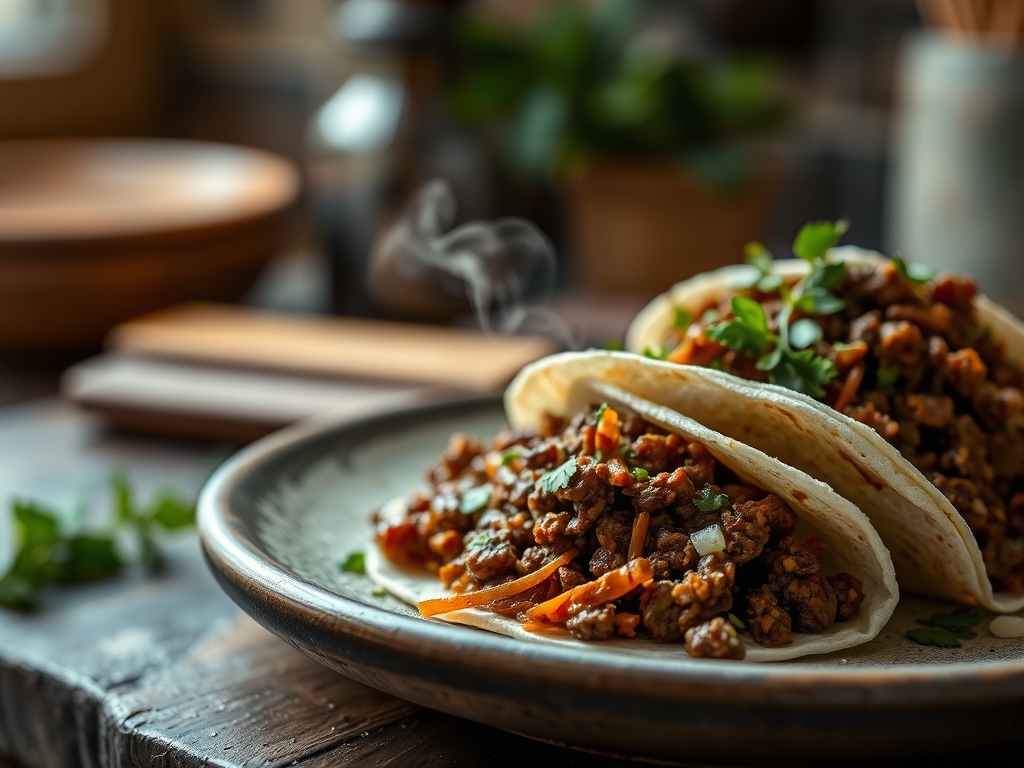
Picture the sound of fat rendering in a heavy bottomed skillet; it is a rhythmic, high frequency sizzle that signals the start of something transformative. When you master flour tortilla ground beef recipes, you are not just making dinner; you are engineering a structural masterpiece of protein and starch. The kitchen fills with the scent of toasted grain and piquant spices as the beef undergoes the Maillard reaction, turning dull grey into a rich, mahogany brown. We are moving past the basic taco night into a world of crispy textures, molten cheese binders, and the perfect ratio of chew to crunch. This is culinary architecture at its most delicious, where a simple pantry staple becomes a canvas for global flavors and technical precision.
The Gathers:
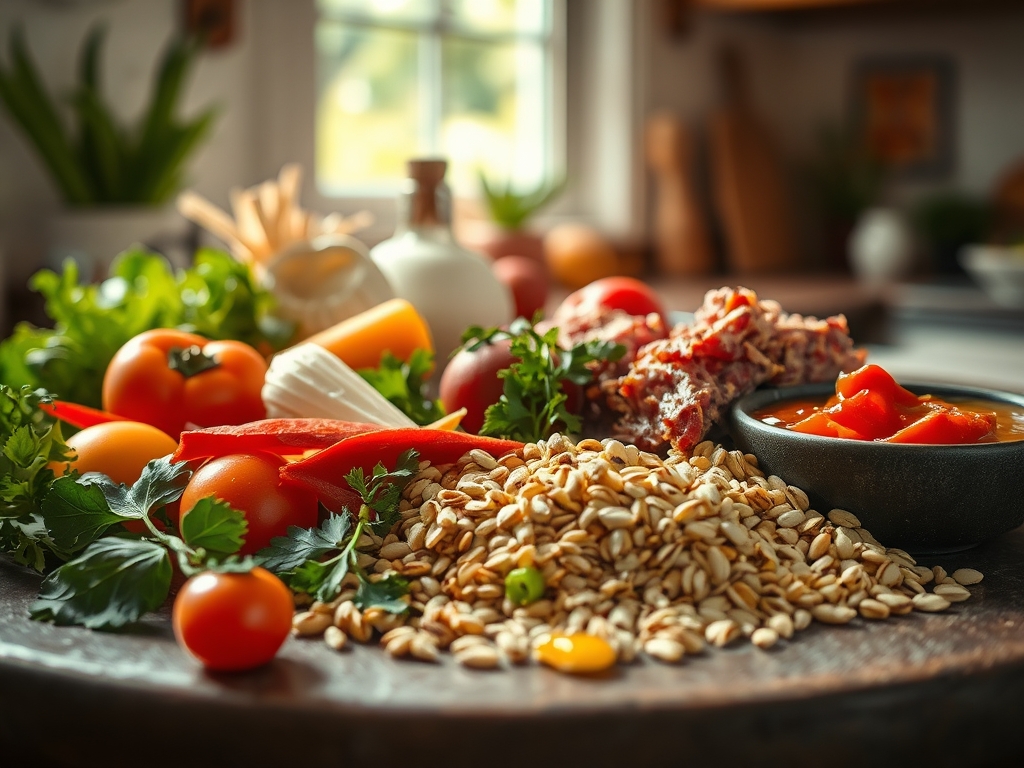
To achieve professional results, your mise en place must be precise. Start with high quality ground beef, ideally an 80/20 blend. This ratio is critical because the 20 percent fat content provides the lipids necessary to emulsify with your spices, creating a luxurious mouthfeel rather than a dry, crumbly texture. You will need flour tortillas that are fresh and pliable; look for brands that use traditional lard or high quality vegetable shortening for the best "stretch" and "puff" during the heating phase.
For the aromatics, use a microplane to grate your garlic and ginger into a fine paste. This increases the surface area, allowing the volatile oils to infuse the fat instantly without leaving behind bitter, burnt chunks. Your spice kit should include smoked paprika for depth, cumin for earthiness, and a touch of MSG or mushroom powder to amplify the umami profile.
Smart Substitutions:
If you are looking to lighten the profile, ground turkey or chicken can stand in for beef, though you must add a tablespoon of neutral oil to mimic the fat rendering. For a plant based alternative, use rehydrated soy crumbles or lentils, but be sure to use a splash of soy sauce to provide the salty, savory backbone that beef naturally provides. If flour tortillas are unavailable, cassava flour tortillas offer a similar structural integrity for those avoiding gluten.
The Clock
Efficiency in the kitchen is about "Chef's Flow," which is the art of overlapping tasks to minimize downtime. Total preparation time for these hacks is approximately 15 minutes, while active cooking time spans 20 minutes.
The flow begins with the heavy bottomed skillet preheating over medium high heat. While the pan reaches the Leidenfrost point (where water droplets skitter across the surface), you perform your knife work. By the time your aromatics are prepped, the pan is ready for the beef. The "dead time" while the beef renders is when you prepare your garnishes and warm your tortillas. This synchronization ensures that the structural integrity of the tortilla is at its peak right as the beef reaches its optimal internal temperature.
The Masterclass
1. The Maillard Sear
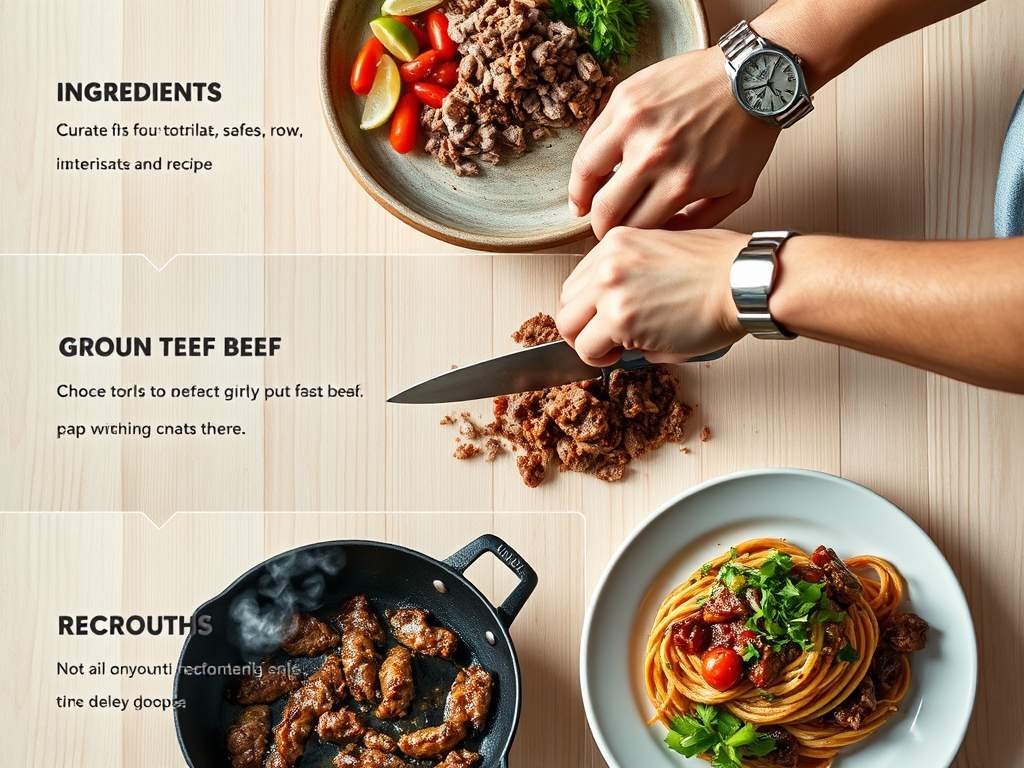
Place your beef in the hot skillet but do not stir it immediately. Let it sit undisturbed for three minutes to develop a deep crust. This is the Maillard reaction, where amino acids and reducing sugars rearrange to create hundreds of different flavor compounds. Use a bench scraper or a stiff spatula to break the meat into uniform small crumbles once the crust has formed.
Pro Tip: Avoid overcrowding the pan. If you add too much meat at once, the temperature drops and the beef will boil in its own juices rather than sear, resulting in a grey, rubbery texture.
2. Deglazing and Infusion
Once the beef is browned, push it to the perimeter of the pan and add your aromatics to the center. Let them bloom in the rendered fat for 60 seconds. Add a splash of beef stock or dry sherry to deglaze the pan, scraping up the "fond" (the brown bits stuck to the bottom). This liquid acts as a vehicle to distribute flavor evenly across every morsel of meat.
Pro Tip: Deglazing is a chemical process that releases caramelized proteins back into the sauce, significantly increasing the complexity of the final dish.
3. Tortilla Tempering
Never use a cold tortilla. Heat your flour tortillas directly over a gas flame using tongs or in a dry pan until they become soft and slightly charred. This gelatinizes the starches in the flour, making the tortilla flexible so it won't crack when folded or rolled.
Pro Tip: Tempering the tortilla creates a moisture barrier. A warm, slightly toasted tortilla is less likely to become soggy when it meets the juicy beef filling.
4. The Structural Assembly
When building your "hack," whether it is a crunchwrap style fold or a rolled taquito, placement is everything. Apply a thin layer of a viscous binder, like crema or melted cheese, directly to the tortilla before adding the beef. This acts as a "glue" to hold the protein in place.
Pro Tip: Use a digital scale to weigh your fillings. Overstuffing leads to structural failure, while understuffing results in a poor "bite ratio" of bread to meat.
5. The Final Crisp
Place the assembled tortilla back into the skillet, seam side down. This "sets" the shape through thermal protein denaturation, essentially welding the edges together. Use a weight or another heavy pan to press down, ensuring maximum surface contact for a golden, crunchy exterior.
Pro Tip: This second cook utilizes thermal carryover. The internal temperature will continue to rise even after you remove it from the heat, so pull it when the exterior is perfectly golden.
The Deep Dive
Macro Nutrition:
A standard serving of these flour tortilla ground beef recipes provides approximately 28g of protein, 22g of fats, and 35g of carbohydrates. To optimize the macros, choose a 93/7 lean beef blend and utilize high fiber, low carb tortillas.
Dietary Swaps:
For a Keto version, replace the flour tortilla with a large leaf of butter lettuce or a cheese crust made by frying parmesan until it forms a pliable disc. For Vegan guests, use crumbled tempeh seasoned with liquid smoke and wrap in a corn based or gluten free flour alternative.
The Fix-It:
- Soggy Tortillas: This happens when the beef is too wet. Use a saucier to reduce your sauce until it is thick and coats the back of a spoon before filling.
- Tough Meat: You likely overcooked the beef. Add a teaspoon of baking soda to the raw meat 15 minutes before cooking; this raises the pH and keeps the proteins tender.
- Tortilla Cracking: The tortilla is too dry. Wrap them in a damp paper towel and microwave for 20 seconds to rehydrate the starches before use.
Meal Prep Science:
To reheat, avoid the microwave as it turns the tortilla "gummy" through uneven molecular agitation. Instead, use an air fryer or toaster oven at 350 degrees Fahrenheit. This dry heat re-crisps the exterior while gently warming the interior lipids to their liquid state, restoring that "day one" mouthfeel.
The Wrap-Up
Mastering the art of flour tortilla ground beef recipes is a gateway to culinary creativity. By understanding the science of the sear and the physics of the fold, you transform basic ingredients into a high end dining experience. Don't be afraid to experiment with different fats, like duck fat or tallow, to further elevate the flavor profile. Now, grab your skillet and start rendering; your best dinner yet is only twenty minutes away!
The Kitchen Table
Why do my flour tortillas always break when I fold them?
Tortillas break because the starches have crystallized. To fix this, you must aerate and heat them. Warm them in a damp towel or over an open flame to re-gelatinize the starches, making the structure pliable and elastic for folding.
How do I get the beef to taste like a professional restaurant?
The secret is the Maillard reaction and fat management. Sear the beef in a cast iron or heavy bottomed skillet without stirring to create a crust. Use an 80/20 blend so the rendered fat can emulsify with your spices.
Can I make these recipes ahead of time for lunch?
Yes, but store the components separately. Keep the beef in a sealed container to retain moisture and the tortillas in a cool, dry place. Assemble and crisp them in a pan right before eating to avoid a soggy texture.
What is the best way to drain excess grease?
Use a slotted spoon to move the beef to a plate lined with paper towels, or tilt the pan and use a bulb baster to remove liquid fat. Always leave a tablespoon behind to infuse with your aromatics.