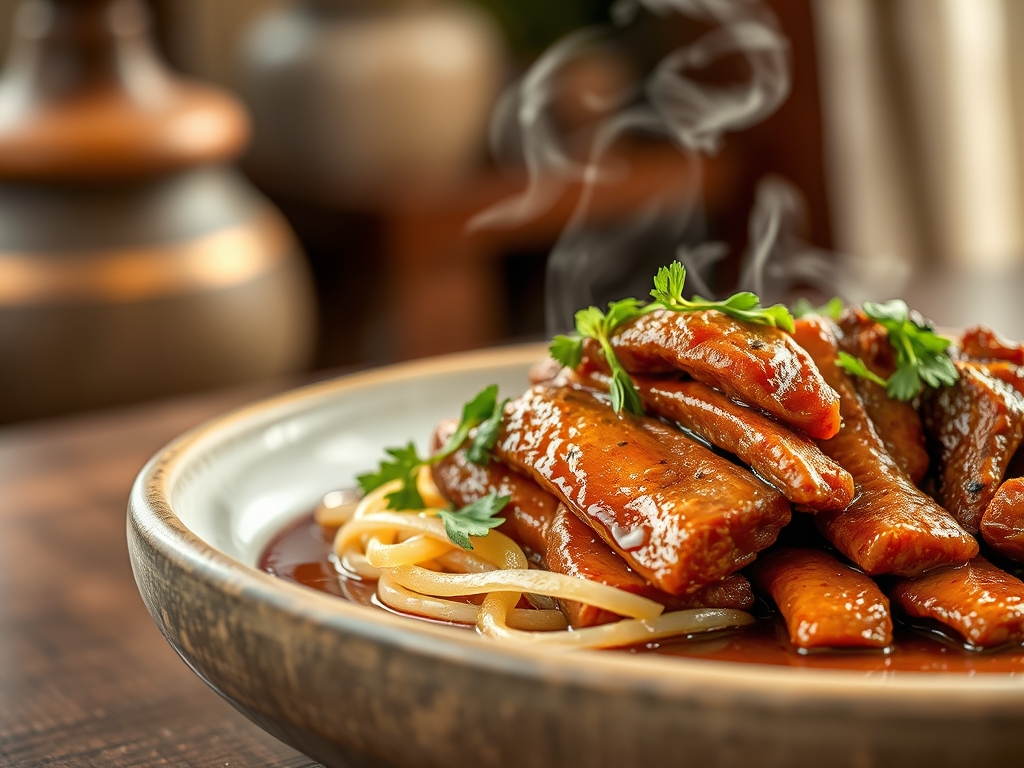
Picture the steam rising in thick, fragrant plumes that carry the scent of star anise and toasted Sichuan peppercorns straight to your soul. There is a specific, primal joy in watching a ribbon of marbled ribeye curl and transform in a bubbling crimson broth. Mastering hot pot beef recipes is not just about the heat; it is about the precise intersection of fat rendering and protein coagulation. We are chasing that silky, melt-on-the-tongue texture that only comes from understanding the cellular structure of the cow. Forget the chewy, overcooked strips of your past. Today, we are diving deep into the chemistry of the simmer to ensure every bite is a masterclass in savory indulgence.
The Gathers:
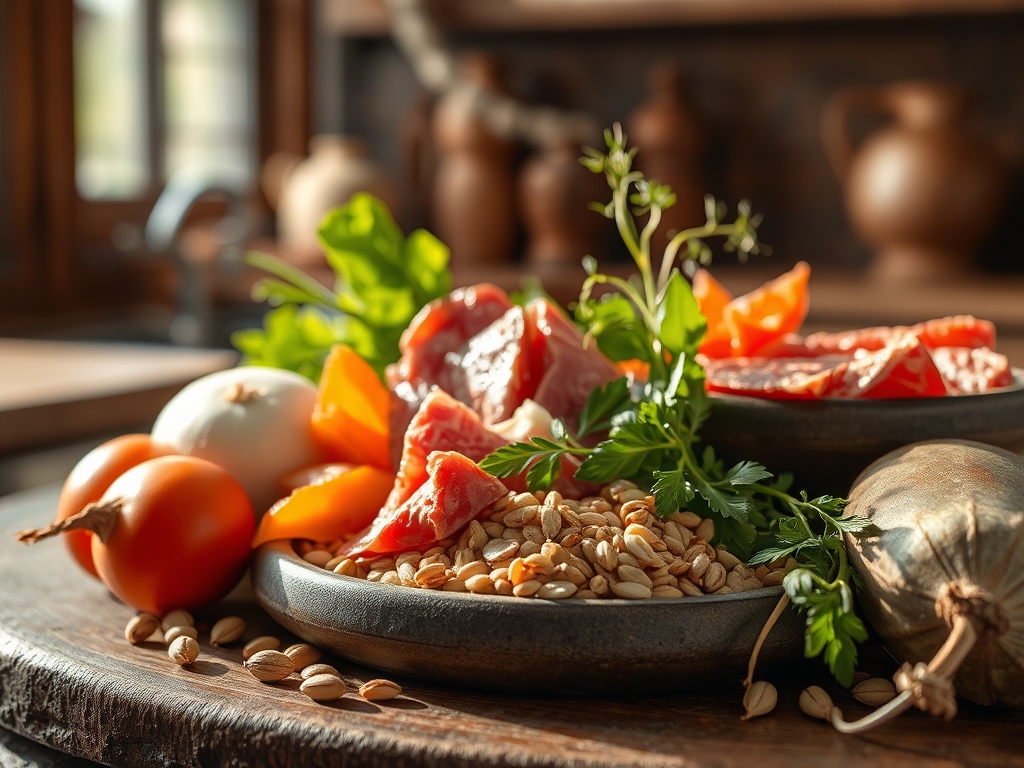
To achieve professional results, your mise-en-place must be clinical. You will need 1.5 pounds of highly marbled beef; look for brisket, flank, or ribeye with significant intramuscular fat. For the broth base, gather fermented bean paste (doubanjiang), dried bird's eye chilies, and a bouquet of aromatics including ginger, garlic, and scallions. Use a digital scale to measure out 50 grams of rock sugar, which provides a glossy sheen and balances the piquant heat.
Smart Substitutions: If you cannot find traditional tallow, use high-quality lard or wagyu fat to ensure the broth remains viscous and rich. For a soy-free alternative, coconut aminos offer a similar depth of umami without the allergens. If you lack a traditional hot pot, a heavy-bottomed skillet or a wide saucier works beautifully to maintain consistent thermal mass.
The Clock
Efficiency in the kitchen is about the "Chef's Flow." Expect 20 minutes of active prep time, primarily focused on the precision slicing of proteins and the blooming of spices. The broth requires a 30-minute infusion period to allow the capsaicin to fully integrate with the fats. Cooking is instantaneous; each slice of beef requires only 10 to 15 seconds of submersion. By coordinating your vegetable prep during the broth's simmer, you ensure that the entire meal hits the table in under an hour.
The Masterclass
1. The Partial Freeze Strategy
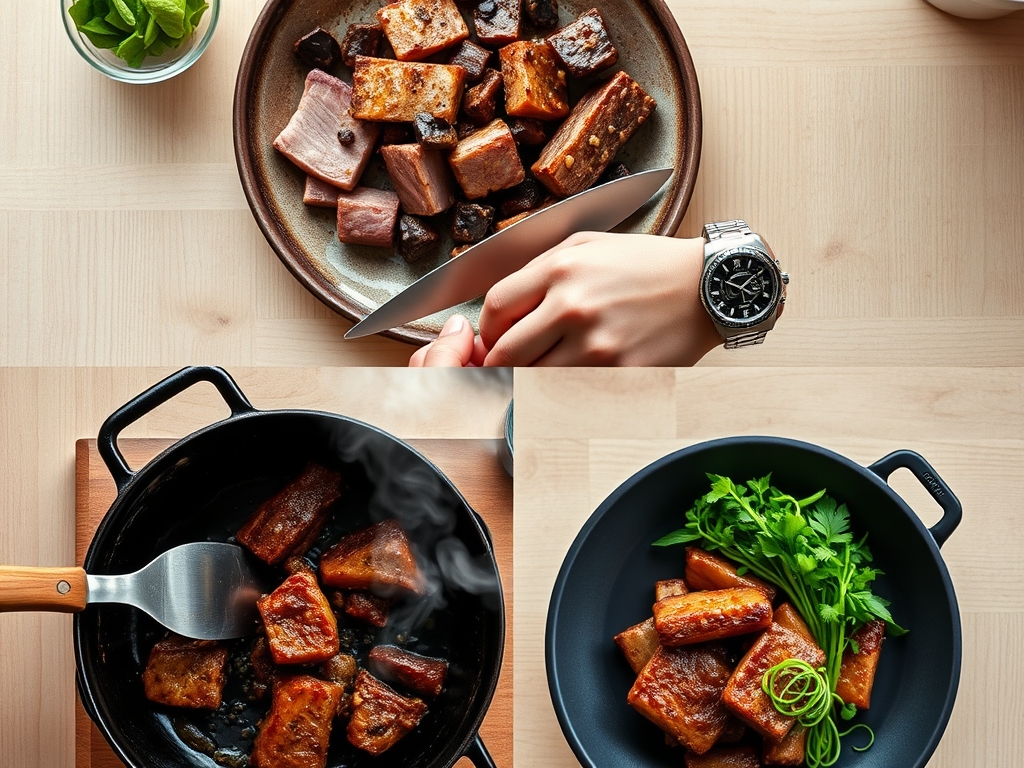
Before you even touch your knife, place your beef in the freezer for 45 minutes. This firms the lipid structures without forming ice crystals, allowing you to achieve paper-thin slices that would be impossible at room temperature. Use a razor-sharp chef's knife or a mandoline to cut against the grain.
Pro Tip: This technique relies on mechanical stability. By lowering the temperature, you prevent the muscle fibers from sliding under the blade, ensuring a uniform surface area for rapid heat transfer.
2. Blooming the Aromatics
Heat your fat in the pan until it reaches approximately 325 degrees Fahrenheit. Toss in your star anise, cinnamon, and peppercorns. Use tongs to move them constantly, preventing the delicate volatile oils from scorching while they infuse the oil.
Pro Tip: This is the process of lipid-soluble flavor extraction. Many of the aromatic compounds in spices are not water-soluble; they require a fat medium to unlock their full olfactory potential.
3. The Velveting Secret
Toss your sliced beef in a light coating of cornstarch and a splash of rice wine. This creates a protective barrier that prevents the proteins from tightening too aggressively when they hit the boiling liquid.
Pro Tip: This creates a gelatinous starch sheath. It slows down the rate of protein denaturing, which keeps the interior of the beef tender while giving the exterior a slippery, luxurious mouthfeel.
4. Emulsifying the Base
Add your fermented paste and deglaze with a splash of Shaoxing wine. Use a whisk to incorporate the solids into the fats until the mixture looks uniform and deep red. Slowly stream in your bone broth while stirring.
Pro Tip: You are creating a complex emulsion. The proteins in the fermented paste act as emulsifiers, binding the spicy oil to the watery broth for a consistent flavor in every spoonful.
5. Aerating the Dipping Sauce
While the broth simmers, prepare a side bowl of toasted sesame oil, minced garlic, and cilantro. Use a microplane for the garlic to create a paste that integrates instantly. Stir vigorously to incorporate air.
Pro Tip: Aeration lightens the density of the oil-based sauce. This allows the piquant notes of the garlic to hit your palate faster, providing a sharp contrast to the rich, fatty beef.
6. The Precision Swish
When the broth reaches a rolling boil, use your chopsticks to submerge one slice of beef at a time. Move it in a "figure-eight" motion. Remove it the moment the pink hue vanishes.
Pro Tip: This avoids thermal carryover. Because the beef is so thin, it continues to cook for several seconds after removal. Pulling it early ensures it stays at the peak of tenderness.
7. Managing the Scum
As you cook, a grey foam will rise to the surface. Use a fine-mesh skimmer or a bench scraper to gently lift this away. This keeps the broth clear and prevents a metallic aftertaste.
Pro Tip: This foam consists of denatured sarcoplasmic proteins. While harmless, they can cloud the broth and introduce "off" flavors that distract from the beef's natural sweetness.
8. The Final Reduction
Toward the end of the meal, the broth will have reduced and intensified. Add a splash of hot water or more light stock to maintain the original salinity levels.
Pro Tip: This manages solute concentration. As water evaporates, the salt and spice levels become hyper-concentrated; diluting slightly preserves the delicate balance of the original recipe.
The Deep Dive
From a macro perspective, hot pot beef is a protein powerhouse. A standard serving provides roughly 35 grams of protein and 25 grams of healthy fats, depending on the cut. For those on a Keto path, this is a dream meal; simply skip the starch-based noodles and load up on leafy greens. Vegan friends can swap beef for frozen tofu, which mimics the porous texture of meat, while Gluten-Free diners should swap soy sauce for tamari.
The Fix-It:
- Tough Beef: You likely sliced with the grain. Always slice perpendicular to the muscle fibers to shorten them.
- Bitter Broth: You scorched the spices. Strain the oil and start the blooming process over at a lower temperature.
- Bland Sauce: The garlic wasn't fine enough. Use a microplane to increase the surface area and release more allicin.
Meal Prep: If you have leftovers, store the beef and broth separately. When reheating, bring the broth to a simmer first, then flash-cook the beef for only 5 seconds to avoid a rubbery texture. This preserves the integrity of the muscle fibers.
The Wrap-Up
There you have it; the definitive guide to hot pot beef recipes that will turn your dining room into the hottest spot in town. It is all about the science of the slice and the soul of the broth. Grab your tongs, fire up the burner, and let the marbled magic happen. Your kitchen is now a laboratory of flavor, and you are the head scientist.
The Kitchen Table
What is the best beef for hot pot?
Highly marbled cuts like ribeye, brisket, or flank steak are ideal. The intramuscular fat renders quickly in the boiling broth, ensuring the meat remains tender and flavorful rather than becoming dry or chewy during the fast cooking process.
Can I make hot pot beef without a burner?
Yes, you can use a heavy-bottomed skillet on a standard stovetop. Prepare the broth and cook the beef in batches, transferring the finished meat to a warm serving platter, though you will lose the interactive, "cook-as-you-eat" experience.
How do I get paper-thin beef slices?
Freeze the beef for 45 to 60 minutes until it is firm but not solid. Use a very sharp chef's knife to shave the meat against the grain. This temporary structural rigidity allows for maximum precision and consistent thickness.
Why is my hot pot broth too salty?
As the broth boils, water evaporates, concentrating the salts. Simply add more unsalted stock or hot water to the pot throughout the meal to maintain the proper volume and balance the sodium levels for a consistent taste.