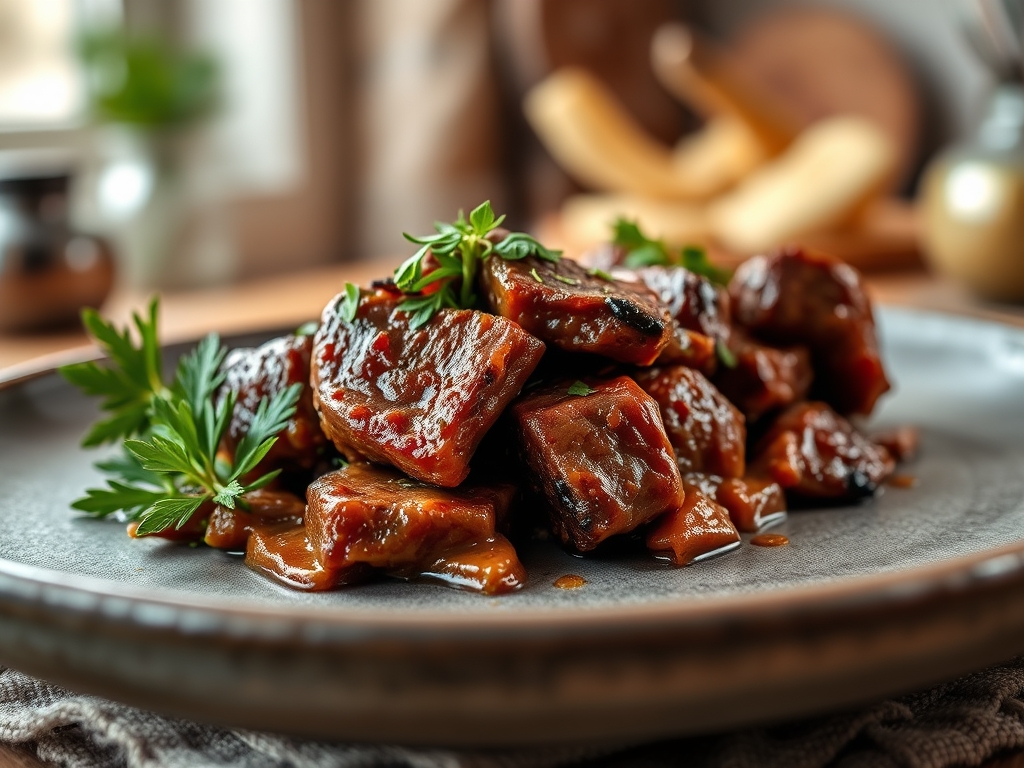
Imagine the sound of a heavy-bottomed cast iron skillet meeting a high-velocity flame. Within seconds, the air transforms into a thick, aromatic haze of toasted cayenne, sweet paprika, and the metallic tang of searing protein. This is the heart of the bayou, a place where heat is not just a sensation but a structural component of the meal. Mastering cajun beef recipes requires more than just a bottle of spice; it demands an understanding of how fire interacts with muscle fiber to create that iconic, crusty exterior known as "blackening." We are chasing that perfect intersection of a piquant kick and the deep, savory umami of a perfectly rendered fat cap. Whether you are preparing a weekday stir-fry or a slow-simmered étouffée, the goal remains the same: a balanced, aggressive flavor profile that lingers on the palate without scorching it. Grab your apron and your sharpest chef knife. We are about to break down the molecular magic that turns a standard cut of beef into a legendary Louisiana masterpiece.
The Gathers:
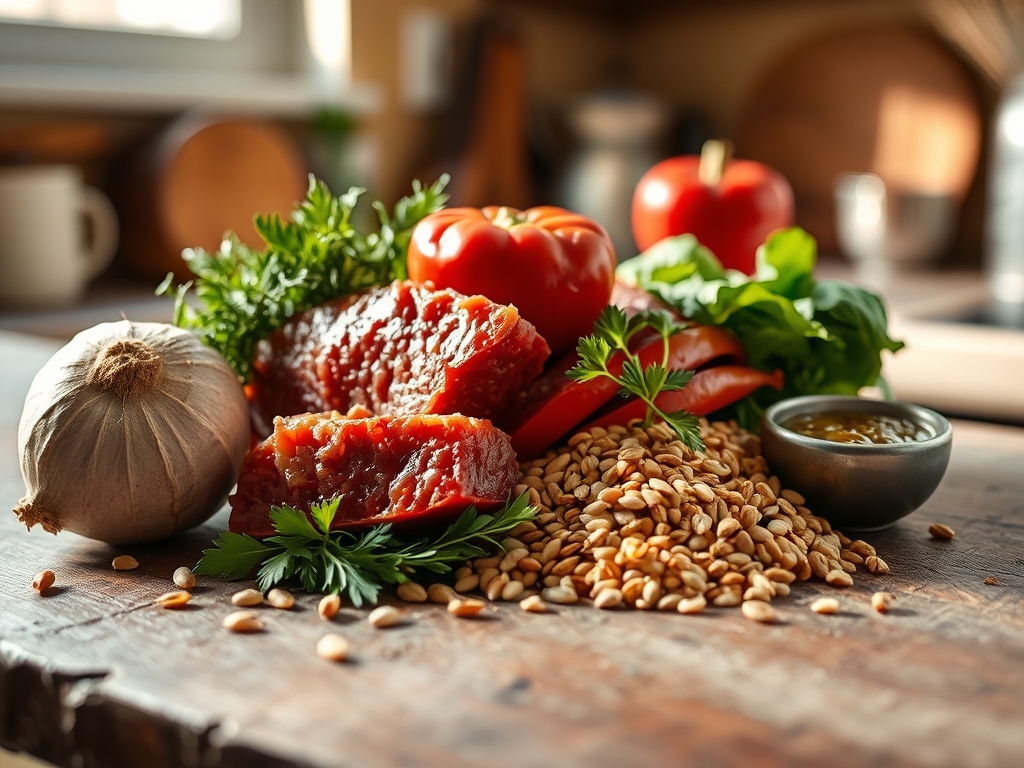
To achieve professional results, your mise-en-place must be impeccable. Start with the protein: look for highly marbled cuts like ribeye or flank steak. Use a digital scale to ensure your portions are consistent, as uneven thickness leads to uneven heat distribution. You will need the "Holy Trinity" of Cajun cooking: finely diced green bell peppers, celery, and onions. The science here lies in the aromatic precursors; when these three sweat together, they create a flavor base that is chemically distinct from the French mirepoix.
Your spice rack is your laboratory. You need high-quality smoked paprika for color, garlic powder for depth, and white pepper for a sharp, floral heat that hits the back of the throat. For the fats, keep a high-smoke-point oil like avocado oil or clarified butter (ghee) on hand. Standard butter contains milk solids that will burn at the temperatures required for a proper sear.
Smart Substitutions: If you are watching your sodium, swap the traditional salt-heavy Cajun blends for a homemade mix of dried thyme, oregano, and toasted cumin. For a leaner profile, bison is an incredible substitute for beef, offering a similar iron-rich flavor with significantly less saturated fat. If you lack a heavy skillet, a stainless steel saucier can work, though you must monitor the heat more closely to prevent sticking.
The Clock
Efficiency in the kitchen is about "Chef's Flow," the ability to overlap tasks to minimize downtime. For most cajun beef recipes, expect a total commitment of 45 minutes. Preparation takes 20 minutes: this includes the "tempering" of the meat, where you let the beef sit at room temperature to ensure the center reaches the target temperature simultaneously with the crust.
The active cook time is surprisingly fast, usually 12 to 15 minutes. The remaining time is dedicated to the "rest." This is not optional. Resting allows the internal pressure of the meat to equalize, preventing the juices from flooding the cutting board. A 10-minute rest is the difference between a succulent steak and a dry, gray disappointment.
The Masterclass
1. Temper and Pat Dry
Remove your beef from the refrigerator and use a paper towel to remove every trace of surface moisture. A damp steak will steam rather than sear, ruining your chances of a crust. Use a bench scraper to clear your workspace of any vegetable debris before focusing on the meat.
Pro Tip: This process facilitates the Maillard reaction, a chemical reaction between amino acids and reducing sugars that gives browned food its distinctive flavor. Moisture is the enemy of this reaction; energy spent evaporating water is energy not spent browning the meat.
2. The Aggressive Seasoning
Apply your Cajun rub generously. Do not just sprinkle; press the spices into the fibers of the meat. Use a microplane to zest a bit of fresh lime over the beef at the last second to add a bright, acidic top note that cuts through the heavy spices.
Pro Tip: Salt acts as a denaturant, unfolding protein strands and allowing them to retain more moisture during the cooking process. Seasoning at least 40 minutes before cooking creates a dry brine effect.
3. The High-Heat Sear
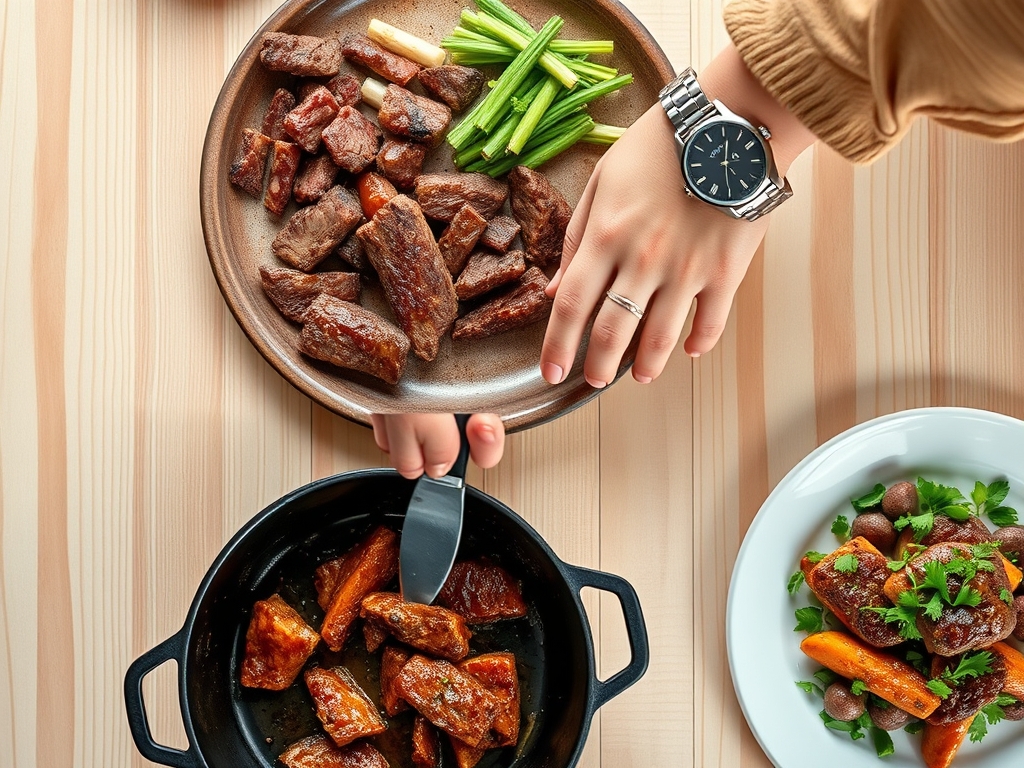
Heat your skillet until the oil begins to shimmer and reach its smoke point. Lay the beef away from you to avoid oil splatter. Use heavy-duty tongs to press the meat down, ensuring maximum surface contact.
Pro Tip: This is where thermal conductivity matters. Cast iron has high heat capacity, meaning it does not drop in temperature when the cold meat hits the pan. This maintains the high energy needed to carbonize the spices without overcooking the interior.
4. The Trinity Deglaze
Once the meat is seared, remove it and immediately toss in your onions, peppers, and celery. Use a wooden spoon to scrape up the "fond," those delicious brown bits stuck to the bottom of the pan.
Pro Tip: Deglazing is a method of solubilization. The alcohol or stock you add dissolves the caramelized proteins and sugars, incorporating them into a viscous, flavorful sauce that coats the beef.
5. The Butter Baste
In the final two minutes of cooking, drop a knob of butter and a smashed garlic clove into the pan. Tilt the skillet and use a large spoon to continuously pour the foaming butter over the beef.
Pro Tip: This is an emulsification technique. The milk solids in the butter brown quickly (beurre noisette), adding a nutty complexity while the fat acts as a vehicle for the fat-soluble compounds in the garlic and herbs.
6. The Carryover Rest
Transfer the beef to a warm plate or wooden board. Do not tent it tightly with foil, as this will trap steam and soften the crust you worked so hard to build.
Pro Tip: Thermal carryover means the internal temperature will rise by 5 to 10 degrees after the meat is removed from the heat. Pull your beef at 130F for a perfect 135F medium-rare finish.
7. The Final Slice
Use a sharp carving knife to slice the beef against the grain. This shortens the muscle fibers, making even tougher cuts feel tender and buttery on the tongue.
Pro Tip: Slicing perpendicular to the grain physically breaks down the connective tissue (collagen), reducing the mechanical work your teeth have to do and improving the perceived "tenderness" of the dish.
The Deep Dive
Macro Nutrition: A standard 6-ounce serving of Cajun beef provides approximately 42g of protein, 18g of fat, and 0g of carbohydrates. It is a powerhouse of Vitamin B12 and Zinc. To keep it balanced, serve over a bed of cauliflower rice or sautéed greens.
Dietary Swaps: For a Keto version, ensure your spice blend contains no added sugar or cornstarch. Vegan enthusiasts can replicate this flavor profile using thick-cut "steaks" of lion's mane mushrooms or seitan, which both possess the fibrous texture needed to hold up to intense searing. For Gluten-Free diners, always check that your Worcestershire sauce or beef bouillon is certified GF.
The Fix-It:
- Too Salty? Add a splash of apple cider vinegar or a squeeze of lemon. Acid masks excess sodium.
- Spices Burnt? If the rub turns black and bitter, your pan was too hot. Wipe the pan, start with fresh oil, and lower the flame.
- Meat is Tough? You likely skipped the rest period. If it is already sliced, toss it briefly in a warm sauce to re-hydrate the fibers.
Meal Prep: To reheat Cajun beef without it turning into rubber, use the "Low and Slow" method. Place the meat in a covered dish with a tablespoon of water or broth and heat in a 300F oven until just warm. This prevents the proteins from tightening further, maintaining that "day-one" suppleness.
The Wrap-Up
Cajun cooking is a celebration of intensity. It is about taking humble ingredients and using high-heat physics to transform them into something soulful and complex. By mastering the sear, respecting the Trinity, and understanding the science of the rest, you are not just making dinner; you are honoring a rich culinary lineage. Now, get that skillet screaming hot and show that beef who is boss!
The Kitchen Table
What is the best cut for cajun beef recipes?
Ribeye or New York Strip are ideal for their high fat content. For budget-friendly options, choose flank or hanger steak; just ensure you slice against the grain to maintain tenderness after the high-heat searing process.
How do I prevent the spices from burning?
Use an oil with a high smoke point, like avocado or grapeseed oil. If the spices darken too quickly, reduce the heat slightly or add a small amount of butter to buffer the temperature and add moisture.
Can I make Cajun beef in a slow cooker?
Yes, but you will lose the "blackened" crust. To compensate, sear the beef in a skillet first to develop the Maillard reaction, then transfer it to the slow cooker with your aromatics for a tender, fall-apart result.
Is Cajun seasoning the same as Creole?
Not exactly. Cajun seasoning is generally heavier on peppers (black, white, and cayenne) and focuses on the "Holy Trinity." Creole seasoning often includes more dried herbs like thyme and oregano, and sometimes a hint of sweetness or tomato.