
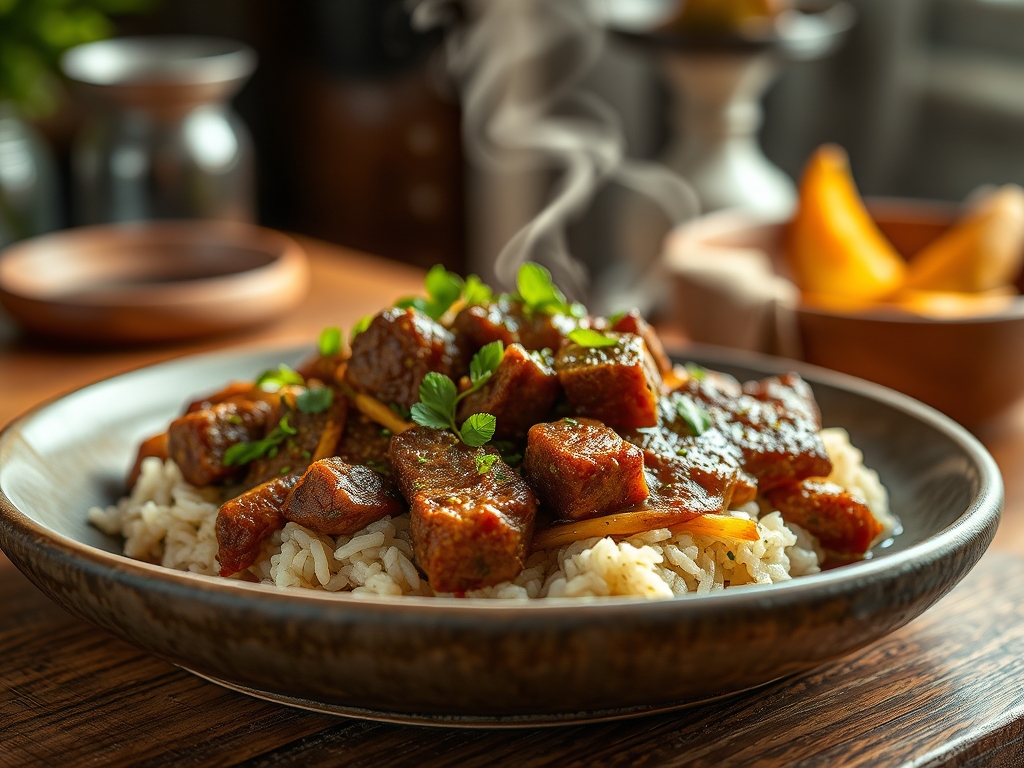
The air in a Malayali kitchen is a heavy, fragrant cloud of coconut oil and toasted black pepper. It is a sensory overload that signals the start of something legendary. When we talk about beef recipes kerala style, we are not just discussing a meal; we are dissecting a cultural obsession with the Maillard reaction. This is where tough cuts of meat transform into tender, spice-crusted masterpieces. Imagine the sound of mustard seeds popping in a heavy-bottomed skillet, the sizzle of curry leaves hitting hot fat, and the deep, dark aroma of roasted coconut. Whether it is the iconic dry fry or a rich, coconut-milk-based gravy, the chemistry of these dishes relies on slow heat and the strategic layering of aromatics. We are going to master the art of the "Ularthiyathu" and the "Curry," ensuring every fiber of meat is infused with the piquant heat of bird eye chilies and the earthy warmth of coriander. Grab your apron; we are about to turn your kitchen into a high-heat laboratory of flavor.
The Gathers:
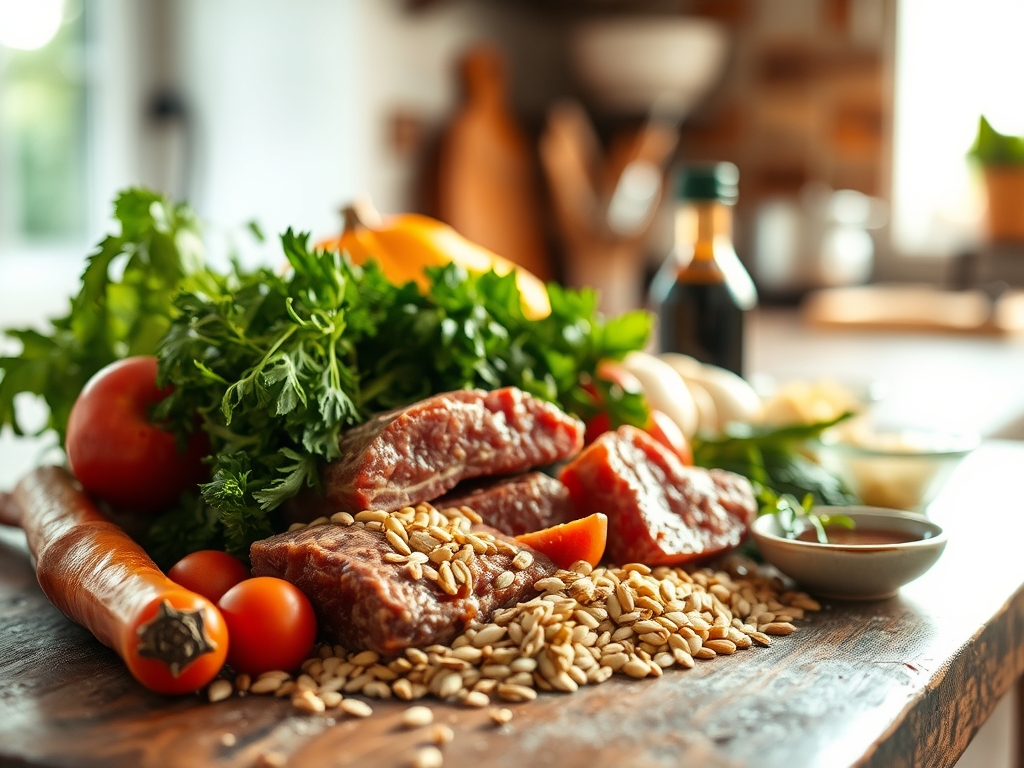
To execute these beef recipes kerala classics, your mise-en-place must be precise. Start with high-quality chuck or brisket. These cuts contain significant connective tissue, specifically collagen, which will break down into silky gelatin during the braising process. You will need a digital scale to measure your spices accurately. The flavor profile is built on "The Trinity": ginger, garlic, and shallots. Use a microplane for the ginger and garlic to create a fine paste that integrates seamlessly into the base oil.
For the dry spices, you need black peppercorns, fennel seeds, and coriander. To achieve maximum aromatic impact, toast these whole and grind them fresh. The "Thengakothu," or thin slices of fresh coconut, are non-negotiable. They provide a structural crunch that contrasts with the tender meat.
Smart Substitutions:
If you cannot find fresh coconut slices, dehydrated unsweetened coconut flakes can work in a pinch, though the texture will be less robust. For those avoiding coconut oil, avocado oil offers a high smoke point, but you will lose the characteristic nutty finish. If bird eye chilies are too volatile for your palate, use Fresno chilies for a milder, fruitier heat profile. Always have a bench scraper handy to move your mountains of sliced shallots from the cutting board to the pot without losing a single flavorful scrap.
The Clock
Preparation for these eight classics requires a "Chef's Flow" mindset. Budget 30 minutes for prep, primarily focused on the labor-intensive task of slicing shallots and ginger. The cooking time ranges from 45 minutes to 90 minutes depending on the cut of beef and your choice of vessel. Using a pressure cooker or an Instant Pot reduces the "active" time, but the finishing stage, where you render the fat and reduce the liquid, is where the magic happens. Always allow for a 15-minute resting period after cooking to let the muscle fibers reabsorb the juices.
The Masterclass
1. The Initial Braise
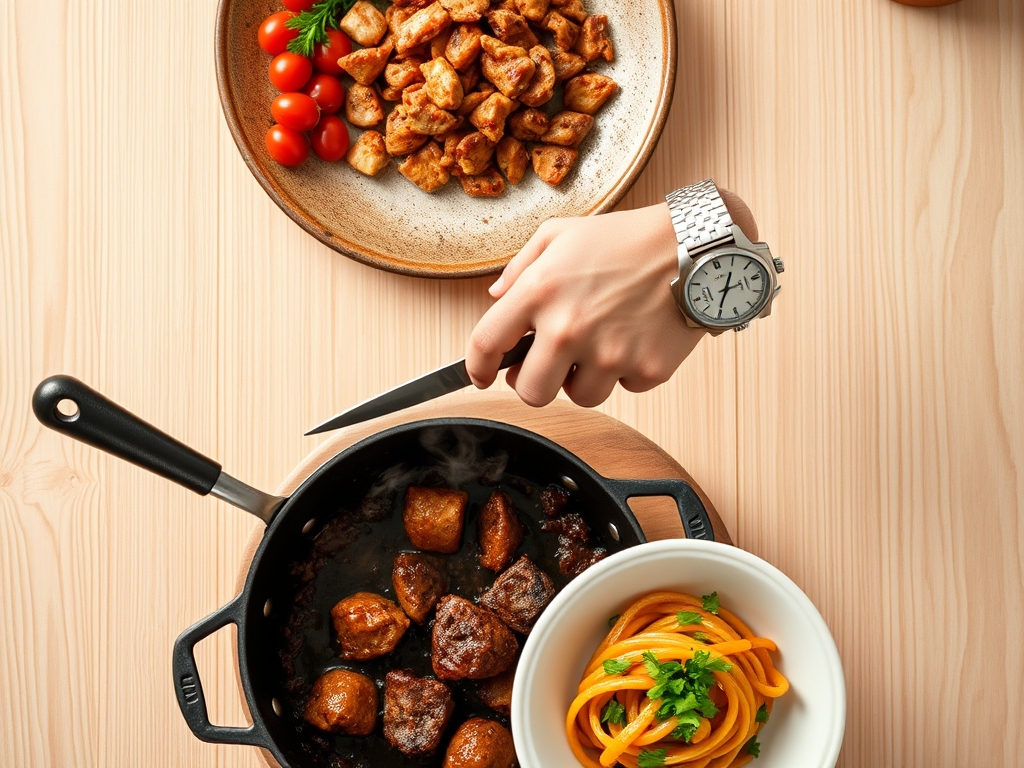
Place the cubed beef into a pressure cooker with turmeric, crushed ginger, garlic, and a splash of vinegar. The acid in the vinegar helps denature the proteins, accelerating the tenderization process. Cook until the meat is 80 percent tender.
Pro Tip: This is called par-cooking. By stopping before the meat is fully soft, you prevent it from disintegrating during the final high-heat sauté.
2. Tempering the Aromatics
In a heavy-bottomed skillet, heat coconut oil until it reaches its shimmering point. Add mustard seeds and wait for them to crackle. This process, known as tempering, releases the essential oils within the seeds. Add the coconut slices and fry until golden brown.
Pro Tip: The browning of the coconut is a result of the Maillard reaction, creating complex, nutty flavor compounds that cannot be replicated with raw ingredients.
3. Developing the Base
Add the sliced shallots and curry leaves. Sauté until the shallots are translucent and starting to caramelize. Use a saucier if you prefer more movement; the rounded bottom allows for constant agitation of the aromatics.
Pro Tip: Shallots have a higher sugar content than white onions. Slow caramelization creates a viscous base that coats the meat perfectly.
4. The Spice Infusion
Lower the heat and add your ground spices: coriander, black pepper, and garam masala. Stir constantly for 60 seconds to "bloom" the spices in the hot fat without burning them.
Pro Tip: Fat is a solvent. Many flavor compounds in spices are fat-soluble, meaning they only reach their full potential when heated in an oil medium.
5. The Reduction
Add the par-cooked beef along with its cooking liquid into the skillet. Increase the heat to medium-high. You want to deglaze the pan, picking up all the browned bits (fond) from the bottom.
Pro Tip: This stage is about evaporative cooling. As the water evaporates, the temperature in the pan rises, allowing the sugars and proteins to bond to the meat.
6. The Ularthiyathu Finish
For the dry fry, continue cooking until the liquid has completely evaporated and the oil begins to separate. The meat should look dark, almost charred, but remain succulent inside.
Pro Tip: This is thermal carryover. Even after you turn off the heat, the internal temperature of the beef will continue to rise by a few degrees.
7. Emulsifying the Gravy
If making a curry, add thick coconut milk at the very end. Do not let it boil vigorously, or the emulsion will break, leading to a grainy texture.
Pro Tip: Coconut milk acts as an emulsifier, binding the spicy oil and the water-based gravy into a smooth, creamy sauce.
8. The Final Garnish
Add a handful of fresh curry leaves and a teaspoon of raw coconut oil. Cover the pot and let it sit for ten minutes before serving.
Pro Tip: This is called infusing. The residual heat gently steeps the fresh herbs, providing a bright, aromatic top note to the deep, earthy base.
The Deep Dive
Macro Nutrition:
Kerala beef is a protein powerhouse. A standard serving provides approximately 35g of protein and 22g of fat. While high in saturated fat due to the coconut, it is also rich in iron and zinc.
Dietary Swaps:
For a Vegan version, swap the beef for "meaty" king oyster mushrooms or jackfruit. Use the same spice profile to maintain the "Kerala" identity. For Keto, this dish is naturally perfect; just ensure you do not add any starchy thickeners. It is inherently Gluten-Free.
The Fix-It:
- Meat is too tough: If the beef is rubbery, it likely hasn't simmered long enough to break down the collagen. Add half a cup of water and continue to braise on low heat.
- Too much salt: Add a peeled, halved potato to the gravy. The starch will absorb excess sodium. Remove the potato before serving.
- Spices are bitter: This usually happens if the spices were scorched. Add a teaspoon of jaggery or brown sugar to balance the bitterness with sweetness.
Meal Prep:
Beef recipes kerala style actually taste better on day two. As the dish cools, the spices continue to penetrate the meat. When reheating, use a heavy-bottomed skillet and add a tablespoon of water to prevent the meat from drying out. Avoid the microwave, as it can make the beef "rubbery" by over-vibrating the water molecules.
The Wrap-Up
Mastering beef recipes kerala style is a badge of honor for any home cook. It requires patience, a love for bold aromatics, and an understanding of how heat transforms simple ingredients into something sublime. Whether you are serving this with fluffy appams or layered parottas, you are bringing a piece of the Malabar coast to your table. The contrast of the spicy, dark meat against the sweet, creamy coconut is a culinary harmony that few other cuisines can match. Now, go forth and sauté with confidence. Your kitchen is about to smell incredible.
The Kitchen Table
Can I use a slow cooker for Kerala beef?
Yes, you can braise the meat in a slow cooker for 6-8 hours. However, you must finish the dish in a skillet to achieve the signature dark, dry-fried texture and to properly render the fats.
What is the best cut of beef for this?
Chuck roast or brisket is ideal. These cuts have the necessary fat and connective tissue to stay moist during the long cooking process required for traditional Kerala beef recipes.
Why is my beef fry not dark enough?
The dark color comes from the slow caramelization of shallots and the roasting of the spices. Ensure you sauté the meat long enough during the final stage until the liquid is fully gone.
How do I make it less spicy?
Reduce the amount of black pepper and remove the seeds from the green chilies. You can also increase the amount of coconut milk at the end to mellow out the heat profile significantly.