
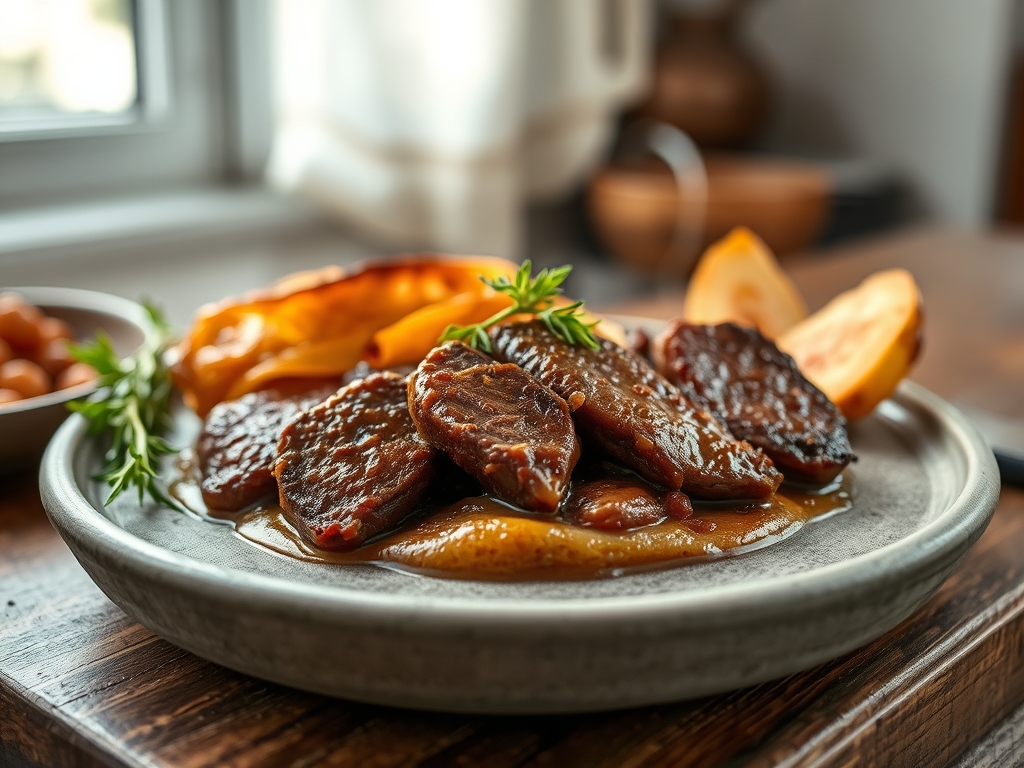
Picture a heavy cast iron skillet resting on a blue flame while the scent of searing protein fills a frost-dusted kitchen. We are diving deep into the soul of Slavic comfort with these authentic russian beef recipes. This is not just cooking; it is a masterclass in heat transfer and the art of slow-cooked perfection.
There is a specific kind of magic that happens when you combine tough cuts of meat with acidic cream and patience. We are going to explore six pillars of the Russian table: Beef Stroganoff, Borscht with short ribs, Golubtsi (cabbage rolls), Kotleti (meat patties), Solyanka (sour soup), and Pelmeni (dumplings). Each dish relies on the Maillard reaction to build a foundation of flavor that stands up to the harshest winters. Grab your apron and a heavy bottomed skillet; we are about to turn humble ingredients into a five star feast.
The Gathers:
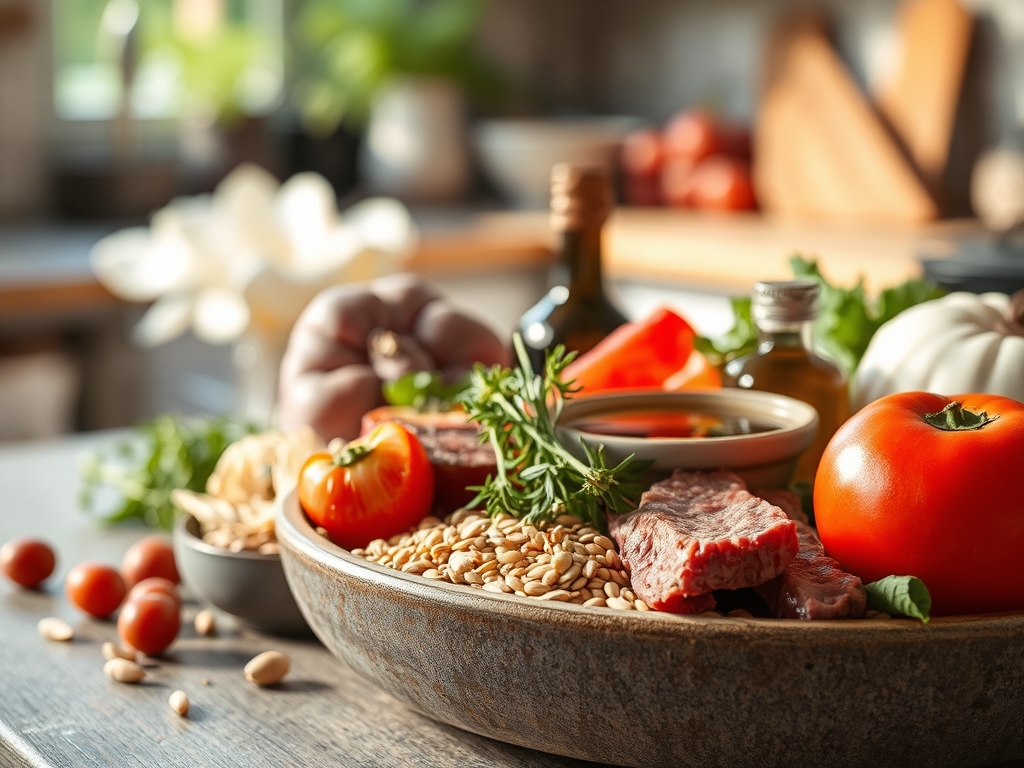
To execute these russian beef recipes with precision, your mise-en-place must be flawless. Start with your protein. For Stroganoff, you want a tenderloin or ribeye for quick searing. For the Borscht and Solyanka, look for bone-in cuts like short ribs or chuck roast. The connective tissue contains collagen which will denature into gelatin, providing that luxurious, viscous mouthfeel.
Your vegetable palette is earthy and acidic. You will need beets, cabbage, and onions. Use a microplane for your garlic to ensure it melts into the sauce rather than burning. For the fats, high-quality unsalted butter and high-smoke-point oils are non-negotiable. The secret weapon in the Russian pantry is Smetana, a high-fat sour cream. If you cannot find it, a mix of heavy cream and Greek yogurt serves as a smart substitution to mimic that piquant tang.
Essential tools for this journey include a saucier for the Stroganoff sauce, a digital scale for the Pelmeni dough, and a sharp bench scraper to clean your station after folding hundreds of dumplings. Always keep a bottle of dry white wine or a splash of vodka nearby to deglaze your pans; those browned bits are liquid gold.
The Clock
Efficiency in the kitchen is about the Chef's Flow. This is the art of overlapping tasks so no heat is wasted. Start with your long-game dishes like Borscht or Solyanka. These require a two to three hour simmer to fully render the fat and soften the fibers. While the pot bubbles, you can pivot to the high-intensity tasks.
Prep your Kotleti and Pelmeni fillings while the soup base develops. The "Flow" suggests you should be chopping your aromatics for the Stroganoff during the final thirty minutes of the soup's simmer. Total active prep time for these dishes averages forty-five minutes, but the total elapsed time can reach three hours. Remember that resting the meat is part of the clock. Thermal carryover continues to cook your beef even after it leaves the flame, so pull your steaks five degrees early.
The Masterclass
1. The Perfect Sear for Stroganoff
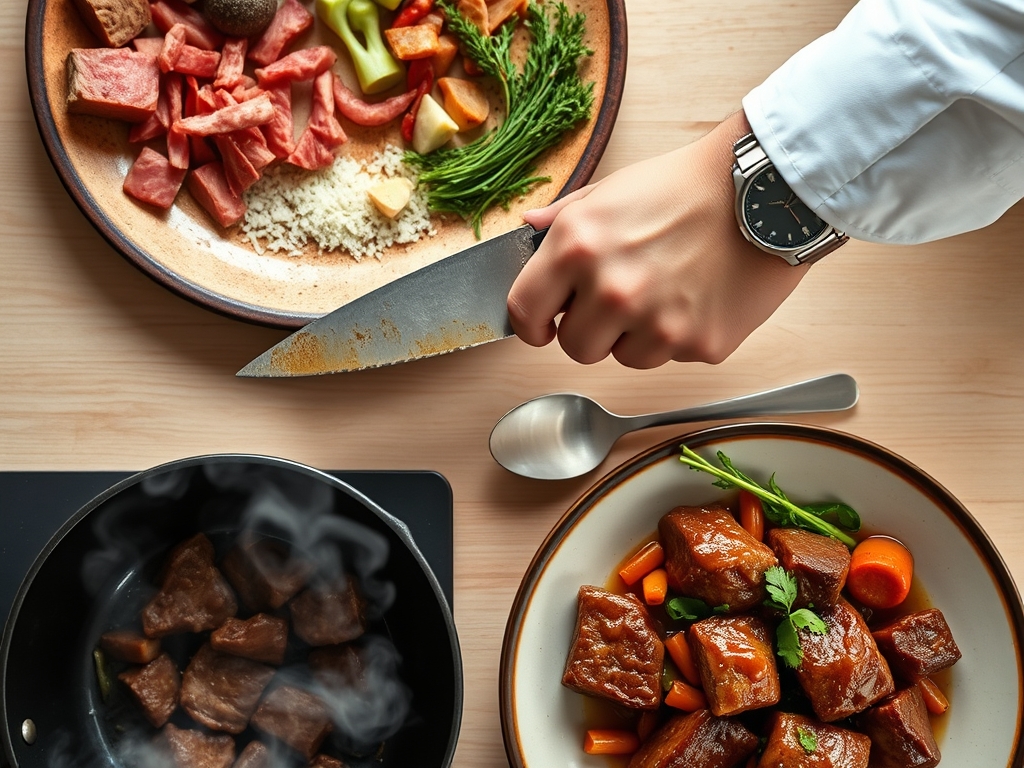
Slice your beef against the grain into thin strips. Heat your heavy-bottomed skillet until the oil shimmers. Sear the beef in small batches to avoid overcrowding. If the pan temperature drops, the meat will steam rather than brown.
Pro Tip: This is enzymatic browning at work. The Maillard reaction occurs between amino acids and reducing sugars. By drying the meat with a paper towel before searing, you ensure the energy goes into browning rather than evaporating surface moisture.
2. Building the Borscht Base
Start by roasting your beets and onions directly in the pot with a bit of oil. Once they soften, add your beef bones and water. Simmer on low. Never let it reach a rolling boil, or the fat will emulsify and turn your clear broth cloudy.
Pro Tip: Adding a teaspoon of vinegar or lemon juice at the start preserves the vibrant anthocyanin pigments in the beets. Without acidity, your soup will turn a dull brown instead of a brilliant ruby red.
3. Folding the Pelmeni
Create a well in your flour on a clean surface. Add eggs and water, then knead until the dough is elastic. Use your bench scraper to portion the dough. Fill each circle with a mix of ground beef, onions, and ice water.
Pro Tip: The ice water in the meat filling is crucial. As the dumpling cooks, the water turns to steam, creating a pocket of hot broth inside the dough. This is the hallmark of a professional-grade Pelmeni.
4. Rendering the Kotleti
Mix ground beef with soaked bread and grated onions. Shape them into oval patties and dredge lightly in breadcrumbs. Fry them in a mixture of oil and butter until a thick crust forms.
Pro Tip: The soaked bread acts as a panade. It prevents the protein fibers from knitting together too tightly during cooking, ensuring the interior remains tender and juicy rather than rubbery.
5. The Solyanka Reduction
This sour soup uses pickles, olives, and capers alongside beef. Sauté your tomato paste until it turns a deep rust color before adding the broth. This removes the metallic "raw" taste of the paste.
Pro Tip: This process is called pincé. It caramelizes the natural sugars in the tomato, adding a complex depth that balances the sharp acidity of the brine.
6. Stuffing the Golubtsi
Blanch whole cabbage leaves until they are pliable. Stuff them with a mixture of beef and par-boiled rice. Tuck the ends tightly and nestle them into a baking dish filled with tomato cream sauce.
Pro Tip: Par-boiling the rice is essential because the rice will absorb moisture from the meat. If you use raw rice, it may expand too much and burst the cabbage leaf "casing."
The Deep Dive
Macro Nutrition: These dishes are protein-dense and rich in complex carbohydrates from root vegetables. A standard serving of Beef Stroganoff contains roughly 35g of protein and 40g of fats. To lighten the load, swap the sour cream for a low-fat Greek yogurt, though you will lose some of the silky texture.
Dietary Swaps: For a Keto version, serve Stroganoff over roasted cauliflower instead of noodles. For a Vegan twist, replace the beef with thick-cut Portobello mushrooms and use a cashew-based cream. Gluten-free followers can use a 1:1 flour blend for Pelmeni, though the dough will be less elastic.
The Fix-It:
- Broken Sauce: if your Stroganoff sauce separates, whisk in a tablespoon of warm water or a slurry of cornstarch to re-emulsify the fats.
- Tough Meat: If the beef in your stew is chewy, it hasn't simmered long enough. Collagen needs time and low heat to transform into gelatin.
- Bland Broth: If your soup lacks "punch," add a splash of pickle brine. The salt and acidity will immediately brighten the earthy flavors.
Meal Prep: Russian food actually tastes better on day two. As the dish cools, the flavors continue to infuse and meld. When reheating, avoid the microwave. Use a small saucepan over low heat and add a splash of broth to maintain the viscous consistency of the sauces.
The Wrap-Up
Mastering these russian beef recipes is a rite of passage for any serious home cook. You have learned to manage heat, balance acidity, and use traditional tools like the saucier and tongs to create soul-warming meals. Whether you are folding delicate Pelmeni or simmering a pot of ruby-red Borscht, remember that the secret ingredient is always the science of flavor. Now, go forth and turn your kitchen into a Slavic sanctuary.
The Kitchen Table
Can I make Beef Stroganoff in a slow cooker?
Yes, but you must sear the beef in a heavy-bottomed skillet first. Slow cookers do not reach the temperatures required for the Maillard reaction. Add the sour cream only at the very end to prevent curdling from high heat.
What is the best cut of beef for Russian soups?
Choose cuts with high connective tissue like bone-in short ribs or beef shank. As these simmer, the collagen breaks down into gelatin. This creates a rich, velvety mouthfeel that lean cuts like sirloin simply cannot provide in a soup.
Why is my Pelmeni dough constantly shrinking back?
This happens when the gluten is overworked and too tense. Cover the dough with a damp cloth and let it rest for at least thirty minutes at room temperature. This allows the gluten strands to relax, making the dough easy to roll.
How do I keep my Borscht from losing its red color?
Avoid boiling the soup vigorously once the beets are added. High heat breaks down the betalain pigments. Always add an acidic component like vinegar or lemon juice, which stabilizes the color and keeps the soup a vibrant, deep red.