
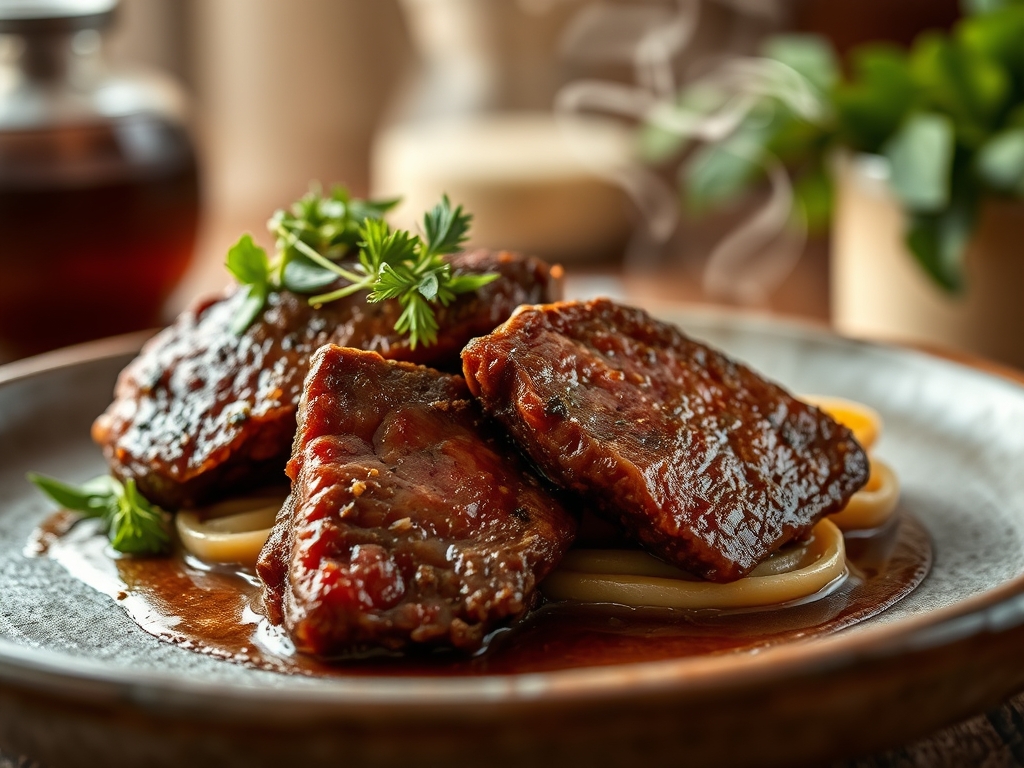
Imagine the sound of a heavy bottomed skillet meeting a high flame. It is that sharp, rhythmic hiss that signals the start of something transformative. When you are hunting for beef recipes for two, you are not just cooking dinner; you are performing a delicate chemical ballet designed for an intimate scale.
The air in the kitchen changes the moment the fat begins to render. It becomes heavy with the scent of toasted proteins and caramelized sugars. We are moving away from the chaotic bulk of family style roasts and into the precision of the duo. Cooking for two allows you to focus on the high end cuts and the minute details that get lost in larger batches. We are talking about deep browning, glossy pan sauces, and textures that range from the crisp snap of a seared crust to the velvet interior of a medium rare steak.
Whether it is a Tuesday night or a milestone anniversary, these beef recipes for two prioritize quality over sheer volume. We are using science to maximize flavor in small portions. By understanding how heat moves through muscle fiber and how acids brighten heavy fats, we can turn a simple pound of protein into a masterpiece. Grab your favorite apron and let us get into the grit of the craft.
The Gathers:
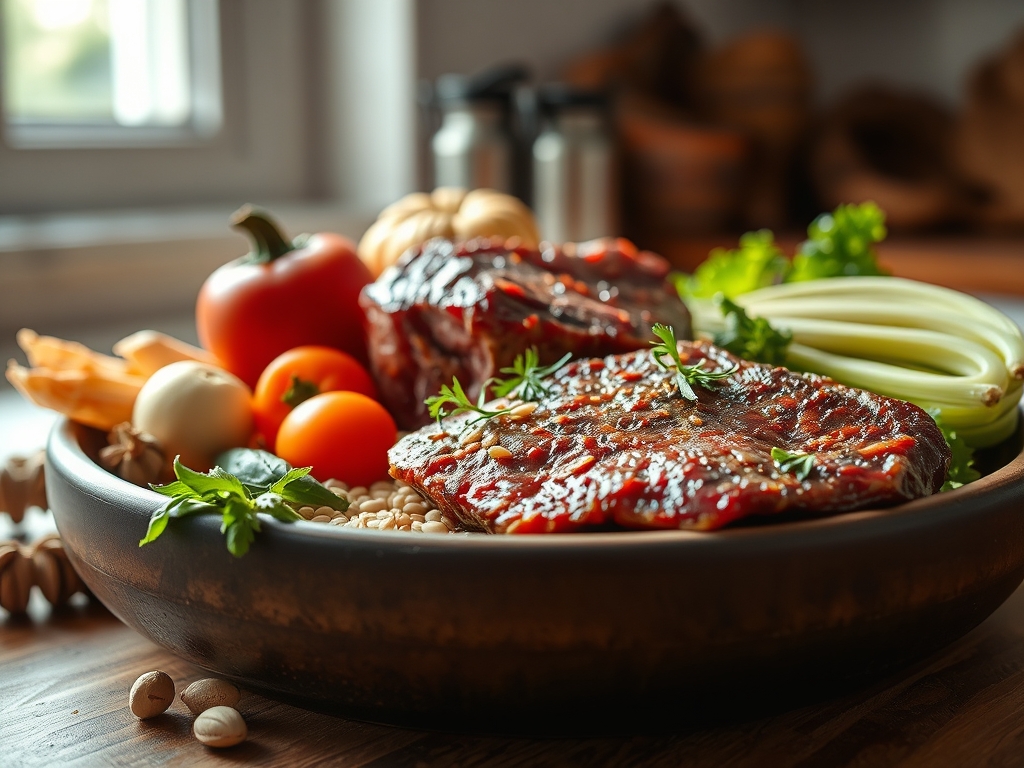
To execute these beef recipes for two with surgical precision, your mise en place must be flawless. Start with your protein. Look for heavy marbling; those white flecks of intramuscular fat are the primary source of flavor and moisture. You will need a digital scale to ensure your portions are balanced, usually aiming for six to eight ounces of raw weight per person.
Your aromatics are the backbone of the infusion process. Fresh thyme and rosemary provide woodsy notes, while garlic cloves, smashed but left in their skins, offer a mellow sweetness without burning. For the sauces, keep a high quality beef stock and a dry red wine like a Cabernet Sauvignon nearby. The wine provides the necessary acidity to cut through the richness of the beef.
Smart Substitutions: If you cannot find a prime filet, a top sirloin cap (picanha) offers incredible flavor at a lower price point. For those avoiding dairy, replace the butter used for basting with a high smoke point avocado oil infused with a drop of liquid smoke to mimic that charcoal grill depth. If you lack a traditional saucier, a small stainless steel saucepan will work for emulsifying your pan drippings.
The Clock
Efficiency in the kitchen is about mastering the Chef's Flow. For these beef recipes for two, expect a preparation time of 15 to 20 minutes and a cooking window of 12 to 25 minutes depending on the specific cut.
The secret to a stress free evening is staggered timing. While your beef rests, which is a non negotiable ten minute window, you will utilize the residual heat in the pan to build your sauce. This "dead time" is actually the most active part of the flavor development. By the time the meat fibers have relaxed and reabsorbed their juices, your reduction will be viscous and ready to pour. Total time from fridge to fork averages 45 minutes, making this faster than most delivery apps.
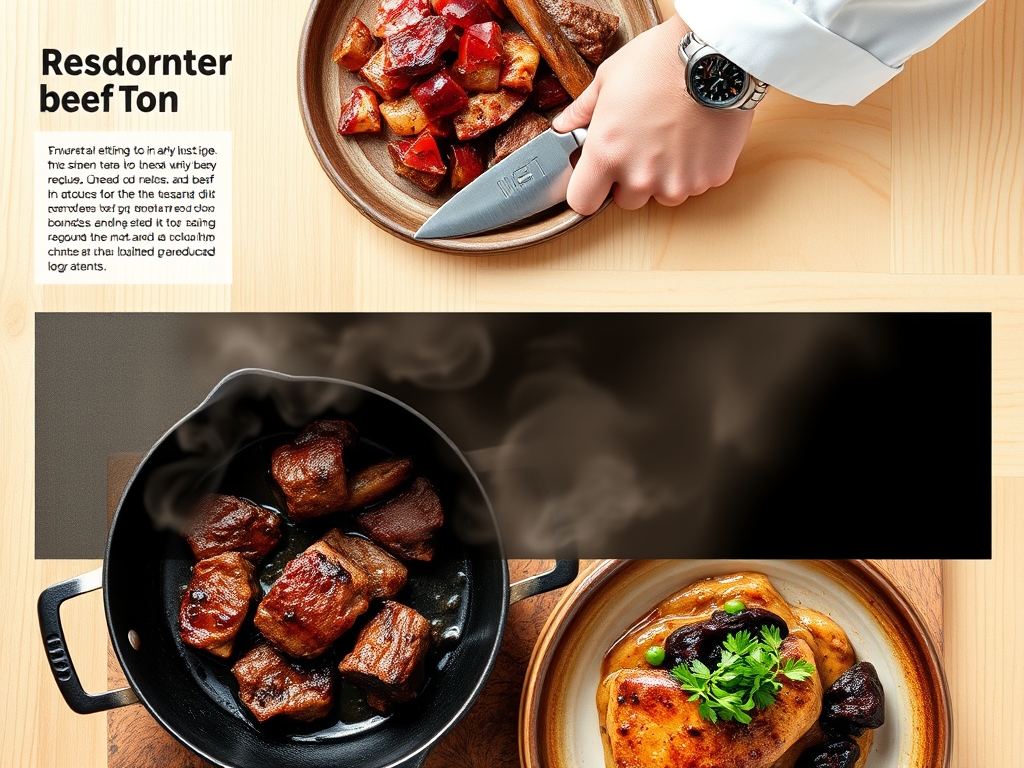
The Masterclass
1. Tempering the Protein
Remove your beef from the refrigerator at least 30 minutes before cooking. Pat the surface bone dry with paper towels to remove every trace of moisture.
Pro Tip: This facilitates the Maillard Reaction. Surface moisture creates steam, which prevents the temperature from rising above 212 degrees Fahrenheit. Dry meat allows the surface to hit 300 degrees quickly, creating that savory brown crust.
2. Seasoning with Precision
Use a coarse kosher salt and freshly cracked black pepper. Season from a height of at least 12 inches to ensure an even distribution across the entire surface area.
Pro Tip: Salt acts as a denaturant. It begins to break down the tight protein structures on the surface, allowing for better heat penetration and a more tender final bite.
3. The High Heat Sear
Place your heavy bottomed skillet over medium high heat until the oil just begins to shimmer and reach its smoke point. Lay the beef away from you to avoid oil splatter.
Pro Tip: Use conduction heating to your advantage. Do not move the meat for the first three minutes. This allows a continuous heat transfer that builds a uniform crust without tearing the delicate fibers.
4. Arrosé (Butter Basting)
Drop a knob of unsalted butter, garlic, and herbs into the pan during the final two minutes of cooking. Tilt the pan and use a large spoon to continuously douse the beef in the foaming fat.
Pro Tip: This is thermal carryover management. The butter bath gently brings the internal temperature up while the milk solids brown, adding a nutty, complex finish known as beurre noisette.
5. The Deglaze
Once the meat is removed, pour off excess fat but keep the brown bits (fond) stuck to the pan. Add your wine or stock and use a whisk or wooden spoon to scrape the bottom.
Pro Tip: This is a lesson in solubility. The flavorful compounds created during searing are soluble in liquid. Deglazing captures those molecules and incorporates them into your sauce.
6. Emulsifying the Sauce
Reduce the liquid by half, then whisk in cold butter cubes one at a time over low heat until the sauce is glossy and coats the back of a spoon.
Pro Tip: You are creating a fat-in-water emulsion. The cold butter prevents the sauce from breaking, ensuring a silky texture that clings to the beef rather than running off the plate.
The Deep Dive
When we look at the Macro Nutrition, beef is a powerhouse of bioavailable iron, B12, and zinc. For a standard six ounce serving, you are looking at roughly 45 grams of protein. If you are following a Keto lifestyle, these recipes are naturally compliant. For Vegan guests, swap the beef for thick cut cauliflower steaks or king oyster mushrooms, using miso paste to replicate the savory umami of the meat. Gluten-Free diners should ensure their beef stock is certified and use cornstarch or a long reduction instead of a flour roux for thickening.
The Fix-It: Common Pitfalls
- The Gray Band: If you see a thick ring of gray meat around the pink center, your heat was too low or your meat was too cold. Next time, ensure the pan is screaming hot.
- The Broken Sauce: If your sauce looks oily and separated, whisk in a teaspoon of warm water or heavy cream to re-establish the emulsion.
- Tough Texture: If the beef is chewy, you likely cut it with the grain. Always use a sharp carving knife to cut perpendicular to the muscle fibers to shorten them.
Meal Prep & Reheating: To maintain "day-one" quality, do not use a microwave. Reheat leftover beef in a 250 degree oven until it reaches 110 degrees internally. This low and slow approach prevents the proteins from tightening further and becoming rubbery.
The Wrap-Up
Mastering beef recipes for two is the ultimate kitchen flex. It combines the raw intensity of high heat searing with the refined chemistry of French pan sauces. By focusing on the science of the sear and the patience of the rest, you transform a simple meal into a restaurant quality experience. Now, take these techniques, grab your tongs, and go turn that skillet into a tool of culinary magic.
The Kitchen Table
How do I get a perfect crust on my steak?
Achieving a perfect crust requires a bone-dry surface and a high smoke point oil. Pat the meat dry with paper towels and use a heavy cast iron skillet. Do not flip the meat until it releases naturally from the pan surface.
What is the best way to tell when beef is done?
Use a digital instant-read thermometer for the most accurate results. Pull your beef off the heat when it is 5 degrees below your target temperature. Thermal carryover will continue to cook the meat as it rests on the cutting board.
Why does my steak bleed all over the plate?
If juices run out immediately, you did not let the meat rest. Resting allows the muscle fibers to relax and reabsorb the moisture. Wait at least ten minutes before slicing to ensure the juices stay within the meat fibers.
Can I cook beef recipes for two in a non-stick pan?
Non-stick pans are generally not recommended for high-heat searing. They cannot withstand the temperatures needed for the Maillard reaction and may release fumes. Use stainless steel or cast iron to achieve a professional, savory crust and better pan sauce.