
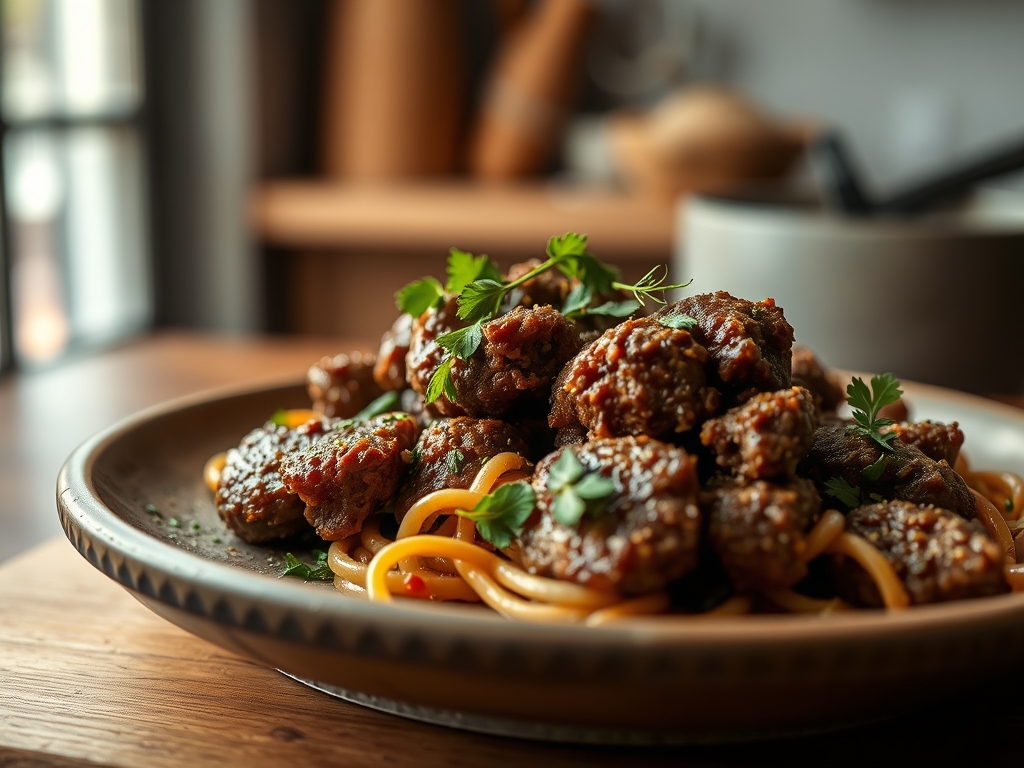
Imagine the sizzle of fat hitting a heavy-bottomed skillet; it is the sound of flavor under construction. Finding gluten free dairy free ground beef recipes that do not taste like cardboard or sacrifice the soul of a meal can feel like a chore. However, once you master the chemistry of searing and the art of the emulsified sauce, your kitchen becomes a high-end bistro.
The magic of ground beef lies in its fat content. When we strip away the butter and the wheat-based thickeners, we are left with the pure, unadulterated essence of the protein. By utilizing high-heat techniques and smart, plant-based fats, we can create textures that are silky, piquant, and deeply satisfying. Whether you are craving a zesty Korean beef bowl or a rich, coconut-milk based stroganoff, the secret is all in the Maillard reaction. This chemical process occurs when amino acids and reducing sugars react under heat, creating those dark, savory crusts that define a perfect meal. We are not just cooking dinner; we are engineering a sensory experience that respects your dietary boundaries without compromising on the decadent mouthfeel you deserve.
The Gathers:
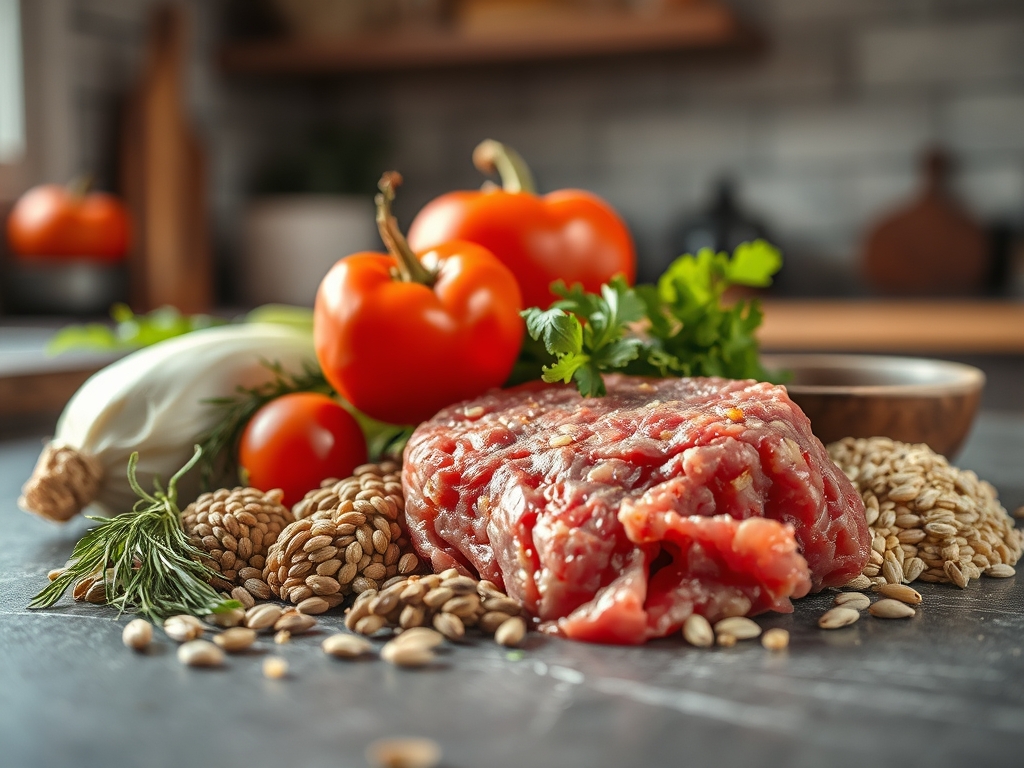
Setting the stage for these gluten free dairy free ground beef recipes requires a meticulous mise-en-place. To achieve professional results, you need to understand the molecular makeup of your ingredients. Start with high-quality ground beef; ideally a 15 to 20 percent fat ratio to ensure the meat remains succulent during the rendering process.
For the aromatics, use a sharp chef knife to finely mince garlic and shallots. The smaller the surface area, the more effectively these ingredients will infuse the oil. Instead of traditional flour, we look to arrowroot powder or tapioca starch. These starches are unique because they create a viscous texture that remains clear rather than opaque, providing a sleek finish to sauces.
Smart Substitutions are your secret weapon. Use nutritional yeast to mimic the umami profile of parmesan cheese. It provides a nutty, salty depth that rounds out the palate. For creaminess, reach for full-fat coconut milk or cashew cream. When these are reduced in a saucier, they provide a stable emulsion that does not break under high heat. Finally, swap soy sauce for coconut aminos to keep the dish gluten-free while maintaining that essential dark, fermented tang.
The Clock:
Efficiency in the kitchen is about the Chef's Flow. This is the sequence of operations that minimizes downtime and maximizes heat management. For these six recipes, expect a total prep time of 15 minutes and a cook time of 20 minutes.
The flow begins with the "Cold Start." While your heavy-bottomed skillet is still cool, prep all your vegetables. Once the knife work is done, the skillet is brought to a high temperature. We never crowd the pan. Crowding leads to steaming rather than searing, which results in grey, rubbery meat. By working in batches and allowing the pan to recover its thermal energy between additions, you ensure every morsel of beef is perfectly browned. This transition from prep to active cooking should be seamless; if you are chopping while the oil is smoking, you have already lost the battle against bitterness.
The Masterclass:
1. The High-Heat Sear
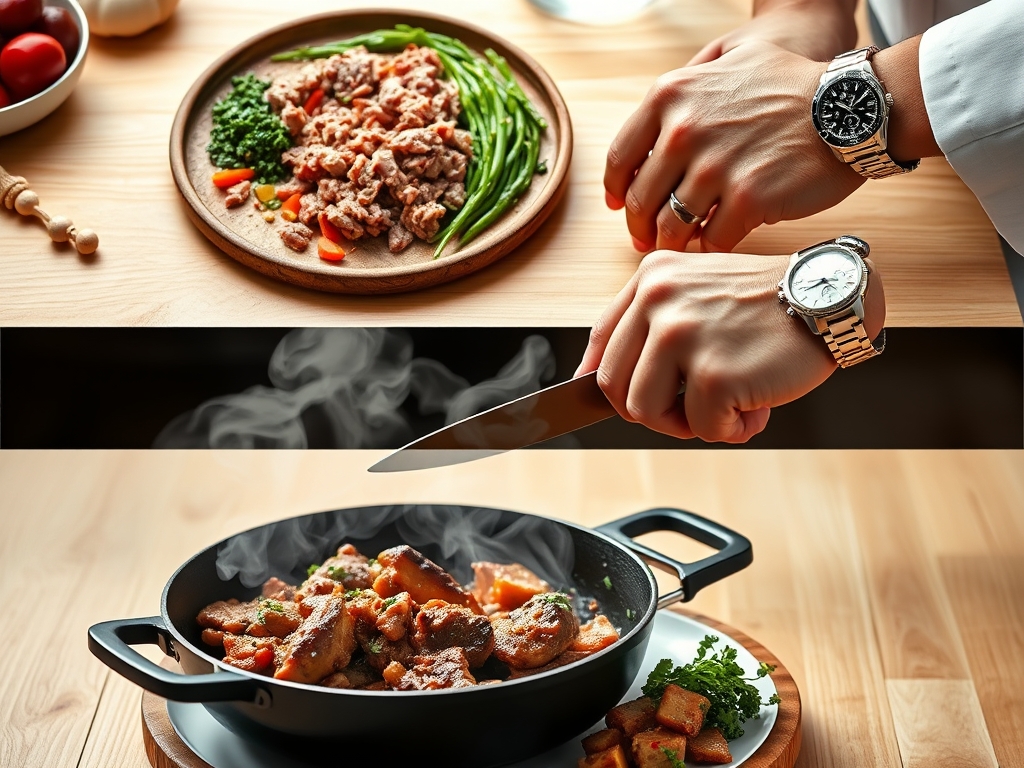
Place your ground beef into a preheated cast iron skillet. Use a stiff metal spatula to press the meat flat against the surface. Do not move it for at least three minutes. This allows the Maillard reaction to fully develop a complex flavor profile.
Pro Tip: This is known as enzymatic browning. By leaving the meat undisturbed, you allow the surface moisture to evaporate, which is necessary for the temperature to rise above 285 degrees Fahrenheit where the flavor-changing chemistry happens.
2. Deglazing the Fond
Once the meat is browned and removed, you will see brown bits stuck to the bottom of the pan. This is called the fond. Pour in a splash of beef bone broth or dry white wine and use a wooden spoon to scrape the bottom.
Pro Tip: Deglazing utilizes a solvent to lift concentrated proteins. This step captures the "lost" flavor and incorporates it back into your sauce, creating a professional-grade depth of flavor.
3. Aromatics and Infusion
Lower the heat and add your fats and aromatics like ginger, garlic, or lemongrass. Sauté until they are translucent and fragrant. This is where you build the "nose" of the dish.
Pro Tip: Use a microplane for garlic and ginger to create a paste. This increases the surface area exponentially, allowing the essential oils to aerate and blend into the cooking fat more rapidly.
4. The Starch Slurry
To thicken your sauce without gluten, whisk one tablespoon of arrowroot powder with two tablespoons of cold water. Slowly pour this into the simmering liquid while whisking constantly with a balloon whisk.
Pro Tip: This prevents clumping. Starch granules need to be separated by cold liquid before they hit the heat; otherwise, the outer layer gelatinizes instantly, trapping dry flour inside and creating "lumps."
5. Emulsifying the Cream
If the recipe calls for a creamy element, stir in your coconut cream or nut-based milk at the very end. Turn off the heat and stir vigorously to create a stable bond between the water and fat molecules.
Pro Tip: This prevents the sauce from "breaking." High heat can cause the proteins in plant milks to denature and separate from the fats. Residual heat is enough to achieve a silky, viscous finish.
6. Resting and Carryover
Move the finished dish to a warm platter. Let it sit for three to five minutes before serving. This allows the muscle fibers in the beef to relax and reabsorb their juices.
Pro Tip: This accounts for thermal carryover. The internal temperature of the meat will continue to rise by about five degrees after it leaves the pan. Resting ensures the juices stay in the meat rather than running out onto the plate.
The Deep Dive:
When analyzing the macro nutrition of these gluten free dairy free ground beef recipes, we see a high-protein, moderate-fat profile that is excellent for metabolic health. On average, a serving provides 28 grams of protein and 18 grams of healthy fats.
Dietary Swaps: For a Keto version, omit the arrowroot and thicken by reducing the coconut milk further. For a Vegan twist, swap the beef for a walnut and mushroom crumble, which mimics the texture and earthy umami of red meat.
The Fix-It:
- The Sauce is Too Thin: Do not add more starch directly. Instead, create a second mini-slurry or let the sauce simmer uncovered for five minutes to evaporate excess water.
- The Meat is Grey: You likely overcrowded the pan. Remove the meat, wipe the pan dry, add fresh oil, and sear in smaller batches next time.
- The Flavor is Flat: It needs acid. A squeeze of fresh lime or a teaspoon of apple cider vinegar will brighten the fats and "wake up" the spices.
Meal Prep: To maintain "day-one" quality, reheat your beef in a skillet over medium heat with a tablespoon of water or broth. This creates steam that re-hydrates the protein without overcooking it, avoiding the "rubbery" texture that occurs in a microwave.
The Wrap-Up:
You now have the technical blueprint to master gluten free dairy free ground beef recipes like a seasoned pro. By focusing on the science of the sear and the precision of the emulsion, you have elevated a simple pound of meat into a culinary masterpiece. Remember; cooking is just chemistry you can eat. Grab your tongs, fire up that skillet, and let the aromas of a perfectly rendered meal fill your home. You have got the skills; now go show that kitchen who is boss!
The Kitchen Table:
Why is my dairy-free sauce separating?
Sauces break when the heat is too high or the emulsion is unstable. Always add your dairy-free cream at the end over low or residual heat. Stirring constantly helps bond the fats and liquids for a smooth finish.
Can I substitute cornstarch for arrowroot?
Yes, cornstarch works as a 1:1 replacement for arrowroot. However, cornstarch creates a more matte finish and can sometimes have a slight cereal-like aftertaste. Arrowroot provides a glossier, more neutral-tasting sauce that is ideal for stir-fries.
How do I get a deep brown crust on ground beef?
The secret is patting the meat dry with paper towels and using a screaming-hot cast iron pan. Do not stir the meat immediately; let it sit undisturbed to allow the Maillard reaction to create that savory, dark crust.
Is coconut aminos a direct swap for soy sauce?
Coconut aminos are sweeter and less salty than traditional soy sauce. When swapping, you may need to add a pinch of sea salt to balance the flavor profile. It is the best soy-free, gluten-free alternative for deep umami.