
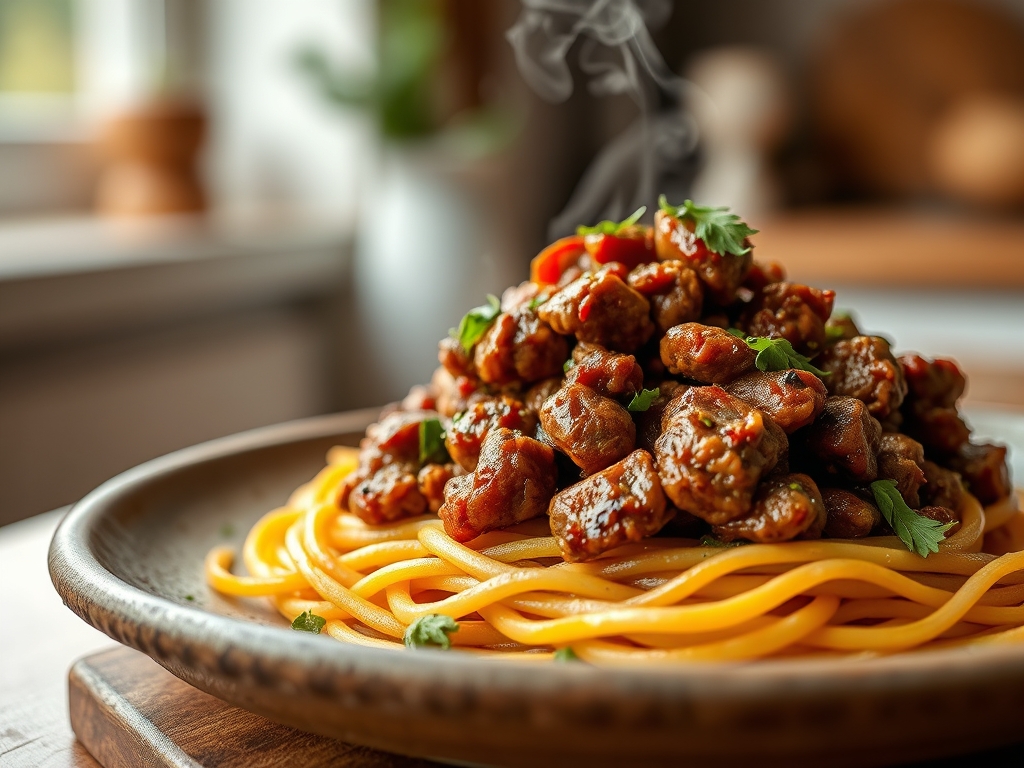
Imagine the sound of a heavy bottomed skillet meeting a high flame; it is the opening chord of a culinary masterpiece. When you are hungry and short on time, easy carnivore ground beef recipes are your absolute secret weapon for metabolic health. The scent of rendering fat and searing protein creates an olfactory map of pure, unadulterated nourishment.
Most people view ground beef as a humble staple, but to a culinary stylist, it is a canvas of texture and flavor. We are moving beyond the basic burger patty into a world of seven distinct meals that utilize the science of heat to transform simple muscle meat into a gourmet experience. Whether you are chasing the perfect crust or a silky, butter emulsified finish, these methods ensure you never feel like you are eating the same meal twice. We are going to harness the power of the Maillard reaction to create deep, complex flavors without a single vegetable in sight. It is time to treat your kitchen like a laboratory and your palate like a VIP guest.
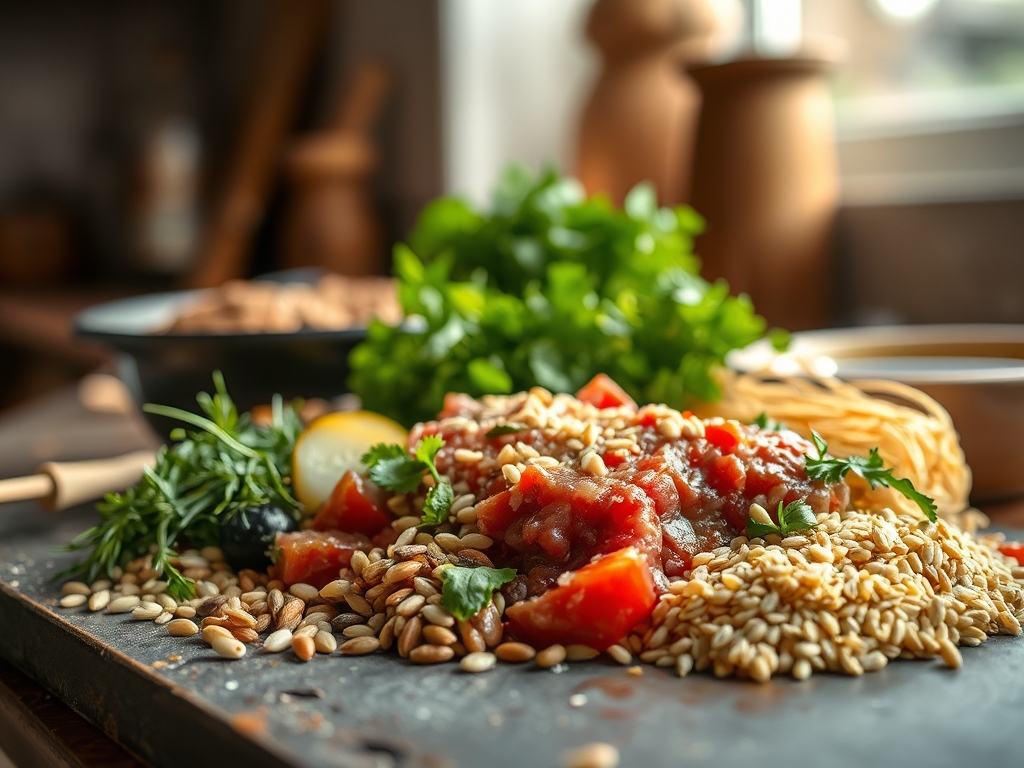
The Gathers:
To execute these easy carnivore ground beef recipes with precision, your mise en place must be impeccable. Start with high quality ground beef; ideally an 80/20 blend. This ratio is critical because the 20 percent fat content provides the necessary lipids for high temperature searing and ensures the final product remains moist rather than desiccated. You will also need coarse sea salt, which acts as a denaturing agent to help the proteins retain moisture.
Keep your professional tools within reach. You will need a heavy bottomed skillet, preferably cast iron or carbon steel, to maintain thermal mass. A bench scraper is essential for portioning cold meat without overworking the fibers, which can lead to a tough, rubbery texture. Have a digital scale ready to ensure uniform cooking times across all seven meals.
Smart Substitutions: If you find the flavor of pure beef too singular, incorporate ground lamb for a more viscous mouthfeel and a piquant gamey finish. If you are sensitive to dairy, replace the butter in these recipes with rendered beef tallow or duck fat. These animal fats have higher smoke points and provide a more authentic carnivore profile while facilitating a superior sear.
The Clock
Efficiency in the kitchen is about mastering the Chef's Flow. This is the art of overlapping tasks to minimize downtime. For these seven meals, your active prep time is less than ten minutes. The digital scale allows you to portion 1 pound of beef into seven distinct units in under sixty seconds.
The cooking phase for each meal ranges from five to twelve minutes. By utilizing a preheated skillet, you trigger immediate enzymatic browning. This means you spend less time waiting for the pan to recover its temperature after the meat is added. Total time from fridge to table averages fifteen minutes per meal. This rapid turnaround is why easy carnivore ground beef recipes are the gold standard for busy high performers who refuse to compromise on nutrient density.
The Masterclass
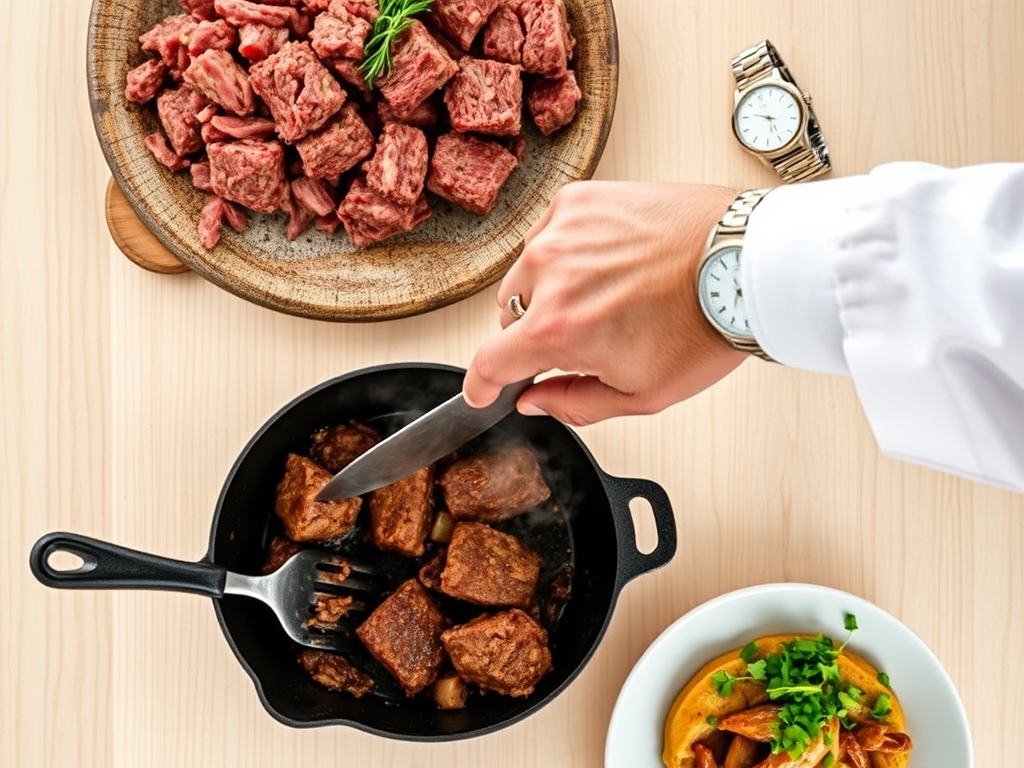
1. The High Heat Sear
Place your heavy bottomed skillet over medium high heat until it wisps with smoke. Drop a portion of beef and press firmly with a heavy spatula to maximize surface contact. Do not move the meat for at least three minutes.
Pro Tip: This creates the Maillard reaction, a chemical dance between amino acids and reducing sugars that produces hundreds of different flavor compounds. Moving the meat too early prevents this crust from forming.
2. The Butter Baste
Once the meat is flipped, add a cold knob of butter to the pan. Use a large spoon to continuously pour the foaming fat over the cooked side of the beef.
Pro Tip: This technique, known as arrosage, uses the milk solids in the butter to deeply infuse the meat with a nutty flavor while preventing the exterior from drying out during the final stages of cooking.
3. The Gentle Deglaze
After removing the beef, you will notice dark bits stuck to the pan. Add a tablespoon of bone broth or water and scrape the bottom with your bench scraper or a wooden spoon.
Pro Tip: This process, called deglazing, releases the fond, which is the concentrated essence of the meat. This creates a natural, nutrient dense sauce that recaptures all the flavor lost to the pan.
4. The Aerated Scramble
For a lighter texture, use a whisk or a fork to aerate the ground beef as it cooks in the skillet. Break it into the smallest possible granules.
Pro Tip: Increasing the surface area allows for faster moisture evaporation. This results in a "crispy beef" texture that mimics the crunch of traditional snacks without the inflammatory seed oils.
5. The Thermal Rest
Remove your beef from the heat when it is five degrees below your target temperature. Place it on a warm plate and tent it loosely with foil.
Pro Tip: This accounts for thermal carryover. The internal temperature will continue to rise even after the heat source is removed. Resting also allows the muscle fibers to relax and reabsorb juices.
6. The Salt Finish
Use a microplane to shave frozen suet or hard aged cheese over the hot beef, then finish with a final sprinkle of flaky salt.
Pro Tip: Salt is a flavor enhancer that reduces the perception of bitterness and increases the perception of sweetness in the fat. The fine shavings of fat or cheese provide an immediate hit of viscous richness.
7. The Emulsified Pan Sauce
Whisk a cold tablespoon of tallow into your deglazed pan juices until the liquid becomes opaque and thick.
Pro Tip: This creates a stable emulsification. By whisking fat into a water based liquid, you create a creamy texture that coats the palate and makes the meal feel significantly more indulgent.
The Deep Dive
From a macro perspective, these easy carnivore ground beef recipes are a powerhouse. A standard 8 ounce serving provides roughly 50 grams of bioavailable protein and 40 grams of fat. This 1:1 ratio by weight is ideal for sustained ketosis and hormonal health. Because there are no plant toxins or fibers, the bioavailability of minerals like zinc and heme iron is nearly 100 percent.
Dietary Swaps: While these are carnivore focused, they are naturally Gluten Free and Keto. For a dairy free version, stick to tallow or lard. If you are transitioning from a vegan diet, start with leaner 90/10 beef and add fat slowly to allow your gallbladder to adjust to the increased bile requirements.
The Fix-It:
- Gray Meat: If your meat looks gray instead of brown, you overcrowded the pan. Cook in smaller batches to allow steam to escape.
- Tough Texture: You likely over worked the meat during prep. Use a bench scraper to handle the beef as little as possible.
- Excessive Smoke: Your fat has reached its smoke point. Switch to tallow or ghee, which can handle higher temperatures than butter.
Meal Prep: To maintain "day one" quality, reheat your beef in a saucier with a splash of bone broth. This creates a steam environment that rehydrates the proteins without overcooking them. Avoid the microwave, which vibrates water molecules and can turn tender beef into rubber.
The Wrap-Up
Mastering easy carnivore ground beef recipes is about more than just surviving a diet; it is about thriving through culinary precision. By understanding the science of the Maillard reaction and the importance of thermal carryover, you transform a basic ingredient into a rotating menu of high performance fuel. Your kitchen is now a place of efficiency and flavor. Keep your tools sharp, your pans hot, and your salt handy. You have the skills to make every meal a masterpiece.
The Kitchen Table
How do I make ground beef taste better on carnivore?
Focus on the Maillard reaction by using high heat and a heavy skillet. Finishing with high quality fats like brown butter or tallow and using coarse sea salt will significantly enhance the natural umami profile of the meat.
What is the best fat ratio for carnivore ground beef?
An 80/20 ratio is generally superior. It provides enough fat to render out for searing while keeping the interior moist. If you are looking for higher energy density, you can add supplemental suet or butter during the finishing stage.
Can I meal prep ground beef without it getting dry?
Yes. Undercover the meat slightly during the initial cook to account for thermal carryover during reheating. Store it with its natural juices and reheat gently with a splash of broth to maintain a viscous, tender texture.
Why does my ground beef release so much water?
This usually happens if the pan isn't hot enough or if the meat was previously frozen and thawed improperly. High heat evaporates moisture instantly, allowing for browning rather than boiling. Always pat the meat dry before cooking.