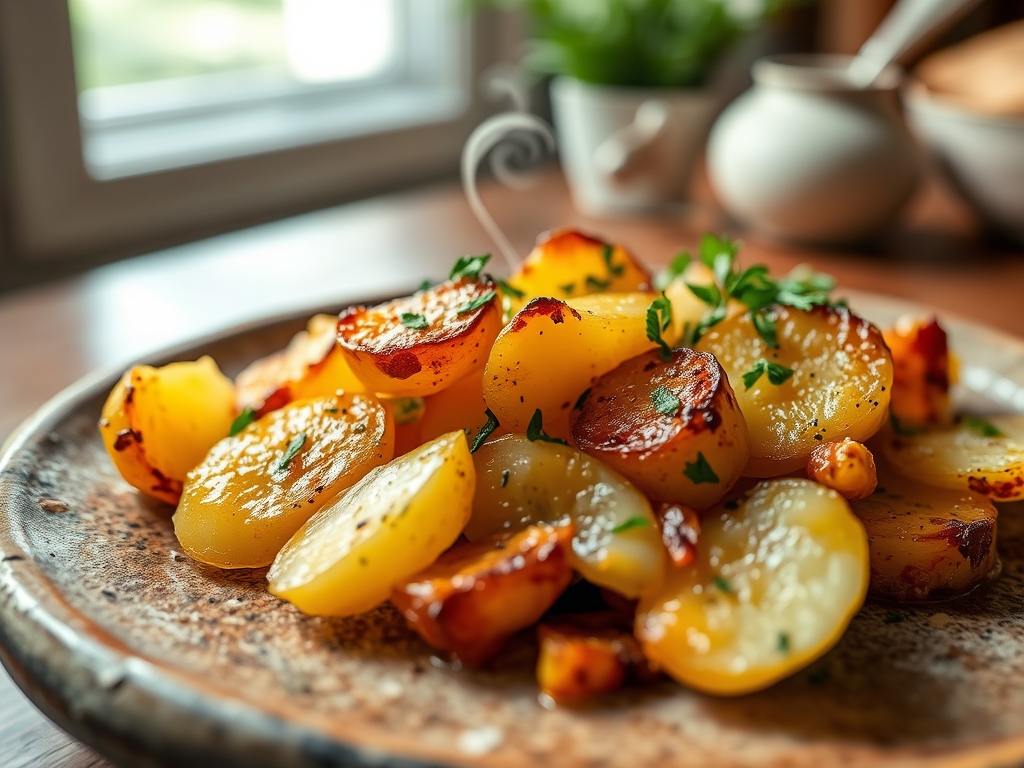
Imagine the scent of rosemary hitting a heavy bottomed skillet as the starch transforms into a golden, shatteringly crisp crust. Most people treat the humble spud as a dietary villain, but I am here to tell you that healthy easy potato recipes are the ultimate secret weapon for your wellness journey. It is all about the chemistry of the crunch.
Potatoes are essentially blank canvases of complex carbohydrates, waiting for us to apply a little thermal magic to unlock their potential. When we talk about healthy easy potato recipes, we are moving away from the deep fryer and toward techniques that maximize nutrient density without sacrificing that piquant, savory satisfaction we crave. This is not just about boiling a vegetable; it is about mastering the Maillard reaction while keeping the glycemic index in check. By the time we are finished, you will see the potato as a high performance fuel source rather than a side dish afterthought. We are going to harness the power of resistant starch and aromatic infusions to create something truly spectacular.
The Gathers:
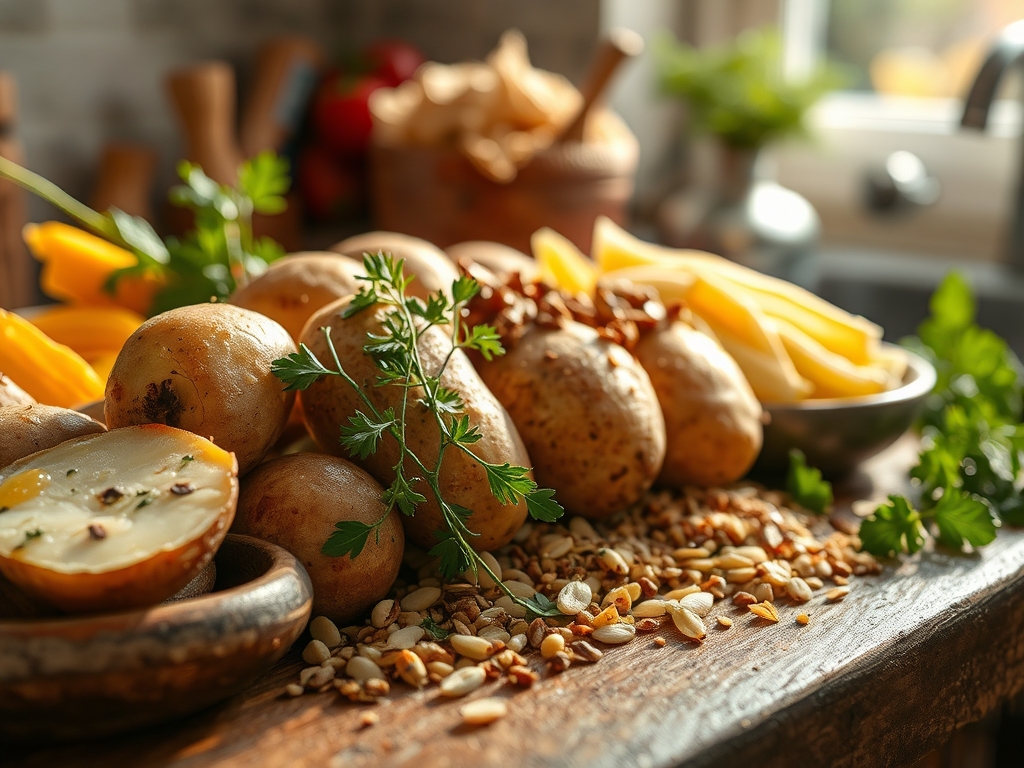
To begin our culinary experiment, we need to assemble a mise-en-place that balances texture and nutrition. Start with two pounds of Yukon Gold or Red Bliss potatoes. These varieties are waxy rather than starchy, meaning they hold their cellular structure better during high heat applications. You will also need high quality extra virgin olive oil for its polyphenols and a generous bunch of fresh woody herbs like rosemary or thyme.
The science of flavor requires aromatics. Grab three cloves of garlic, a pinch of flaky sea salt, and a lemon to provide a bright, acidic finish that cuts through the earthy density of the tuber. For smart substitutions, swap butter for a splash of vegetable stock or Greek yogurt if you are looking to aerate a mash without the saturated fat. If you are watching your sodium, use a microplane to zest lemon over the finished dish; the citric acid mimics the tongue's perception of saltiness. Ensure your tools are ready: a sharp chef's knife for uniform surface area and a digital scale to ensure your portions are consistent.
The Clock:
Efficiency in the kitchen is all about the "Chef's Flow." This recipe requires a total of 45 minutes from start to finish. Your active prep time is a brisk 10 minutes, where you will focus on precision cutting to ensure even heat distribution. The roasting or searing phase takes approximately 30 minutes, followed by a mandatory 5 minute rest period.
The rest period is not just a suggestion; it is a technical necessity. During this time, thermal carryover allows the internal temperature to stabilize, ensuring the center is creamy while the exterior remains crisp. While the potatoes are in the oven, use that window to prepare your protein or a fresh green salad. This parallel processing ensures that every component of your meal hits the table at the peak of its sensory profile.
The Masterclass:
1. The Precision Cut
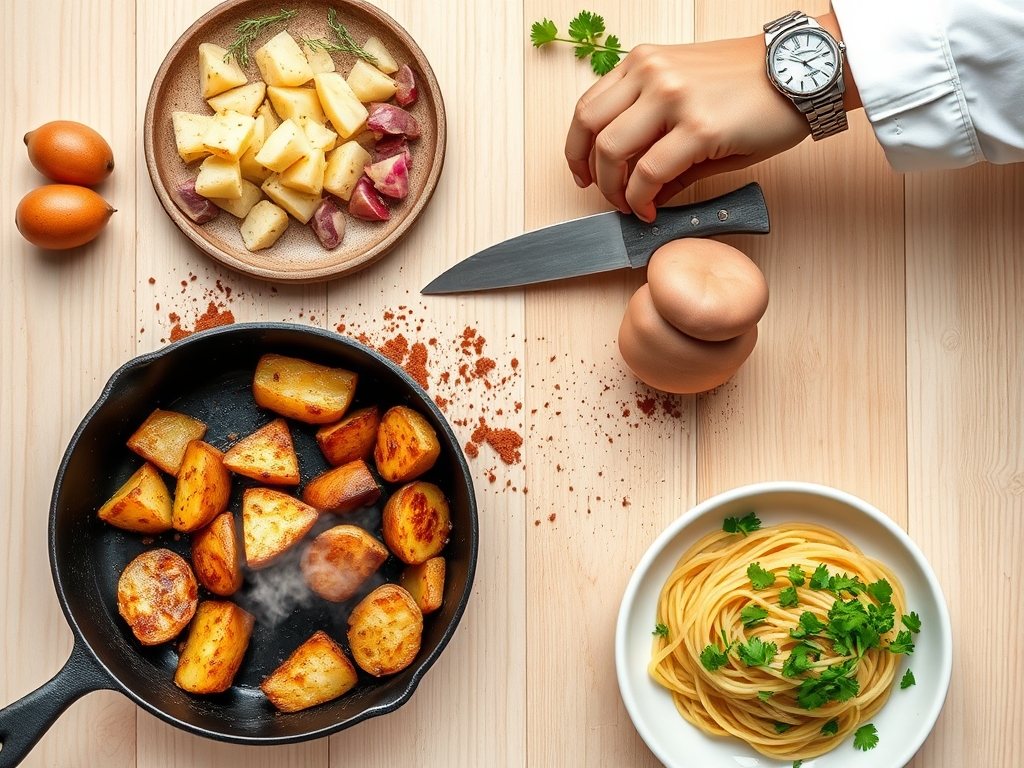
Use your chef's knife to dice the potatoes into uniform one inch cubes. Consistency is the key to a predictable cook time. If the pieces vary in size, the smaller ones will carbonize while the larger ones remain raw and starchy in the center.
Pro Tip: This prevents enzymatic browning. If you are prepping ahead of time, submerge the cut potatoes in cold water to block oxygen from reaching the surface phenols, which stops the graying process before it starts.
2. The Parboil Technique
Place your cubes in a pot of cold salted water and bring to a boil for exactly five minutes. You want the edges to be slightly soft but the structure to remain intact. Drain them thoroughly and let the steam escape for sixty seconds.
Pro Tip: This process creates a "fuzzy" exterior layer of gelatinized starch. When this layer hits the hot oil later, it creates a significantly more viscous and crunchy crust than roasting raw potatoes ever could.
3. The Infusion Toss
In a large mixing bowl, toss the parboiled potatoes with olive oil, minced garlic, and herbs. Use a bench scraper to move them gently so you do not break the cubes. Ensure every millimeter of surface area is coated in a thin film of oil.
Pro Tip: The oil acts as a heat transfer medium. Without a uniform coating, the hot air of the oven will dry out the skin before the interior can fully render into a creamy texture.
4. The High Heat Sear
Spread the potatoes onto a preheated baking sheet. Do not crowd the pan; if the potatoes are touching, they will steam instead of roast. Roast at 425 degrees Fahrenheit, flipping once with tongs halfway through the process.
Pro Tip: Crowding the pan increases local humidity. By leaving space, you allow moisture to evaporate quickly, which triggers the Maillard reaction, the chemical bridge between amino acids and sugars that creates savory depth.
5. The Acidic Finish
Once the potatoes are deep golden brown, remove them from the oven and immediately squeeze fresh lemon juice over the top. The heat will cause the juice to partially evaporate, leaving behind a concentrated, bright flavor profile.
Pro Tip: This is known as deglazing the surface of the vegetable. The acidity balances the richness of the oil and elevates the earthy notes of the potato, making the dish taste lighter and more vibrant.
The Deep Dive:
When we look at the macro nutrition of this dish, we are seeing a powerhouse of potassium and Vitamin C. One medium potato actually contains more potassium than a banana, which is essential for muscle function and blood pressure regulation. By using olive oil and lemon, we keep the fat profile heart healthy and the calorie count manageable.
For my dietary chameleons, this recipe is naturally gluten free and vegan. If you are following a keto protocol, you might swap half the potatoes for cauliflower florets to lower the net carb count while maintaining the same flavor profile. If you run into trouble, let us look at "The Fix-It" guide. If your potatoes are soggy, you likely overcrowded the pan or didn't drain them enough after parboiling. If the garlic is bitter, it burned; next time, add the garlic halfway through the roasting process. If they are sticking to the pan, you likely didn't preheat the tray.
Meal prep is where the science of resistant starch shines. When potatoes are cooked and then cooled, their starch structure changes into a form that is harder for the body to digest, effectively lowering the glycemic load. To reheat with "day-one" quality, avoid the microwave. Instead, use a dry heavy-bottomed skillet over medium heat to recrisp the exterior without drying out the middle.
The Wrap-Up:
Mastering healthy easy potato recipes is about more than just a quick meal; it is about understanding how heat and fat interact with plant biology. We have moved from basic boiling to a sophisticated dance of parboiling, infusing, and roasting. You now have the technical knowledge to turn a simple tuber into a gourmet experience that fuels your body and delights your palate. Keep your knives sharp and your pans hot.
The Kitchen Table:
Are potatoes actually healthy for weight loss?
Yes, potatoes are highly satiating. When prepared using healthy easy potato recipes that avoid deep frying, they provide complex carbohydrates and essential fiber that keep you full longer, helping to regulate overall caloric intake throughout the day.
What is the best potato for roasting?
Yukon Gold potatoes are the gold standard. Their medium starch content allows them to develop a creamy interior while the exterior crispness holds up beautifully under high heat, unlike floury Russets which can crumble too easily.
How do I make potatoes crispier without more oil?
The secret is the parboil. Boiling the potatoes briefly in salted water before roasting creates a rough, starchy surface. This increased surface area dehydrates more effectively in the oven, resulting in a superior crunch with minimal oil usage.
Why do my roasted potatoes stick to the pan?
Sticking usually occurs because the pan was cold or there was too much moisture. Always preheat your baking sheet and ensure the potatoes are dry after parboiling. A hot surface immediately sears the starch, preventing a physical bond.