
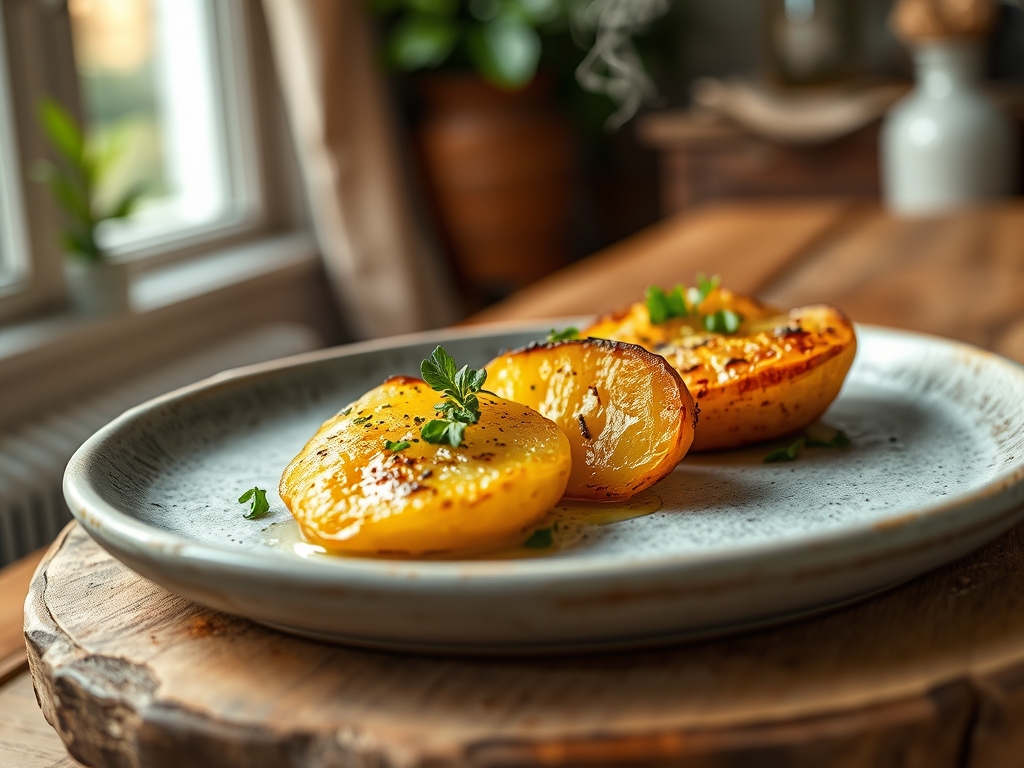
Picture the scent of cold butter hitting a screaming hot cast iron pan; it is the olfactory equivalent of a warm hug. When you are cooking for two, the potato is not just a side dish. It is the architectural foundation of a perfect evening. Mastering easy potato recipes for two requires more than just heat; it requires an understanding of starch structures and moisture ratios. Whether you are craving the shatteringly crisp skin of a smashed tuber or the velvety crumb of a slow roasted Yukon Gold, the goal is high impact flavor with minimal cleanup. We are moving beyond the basic mash into a world where texture is king and the Maillard reaction is our best friend. This is about elevating the humble spud into a centerpiece that feels sophisticated yet remains fundamentally effortless. Forget the massive bags of russets that sprout eyes in your pantry. We are focusing on precision, technique, and the specific chemistry that makes a dinner for two feel like a five star reservation.
The Gathers:
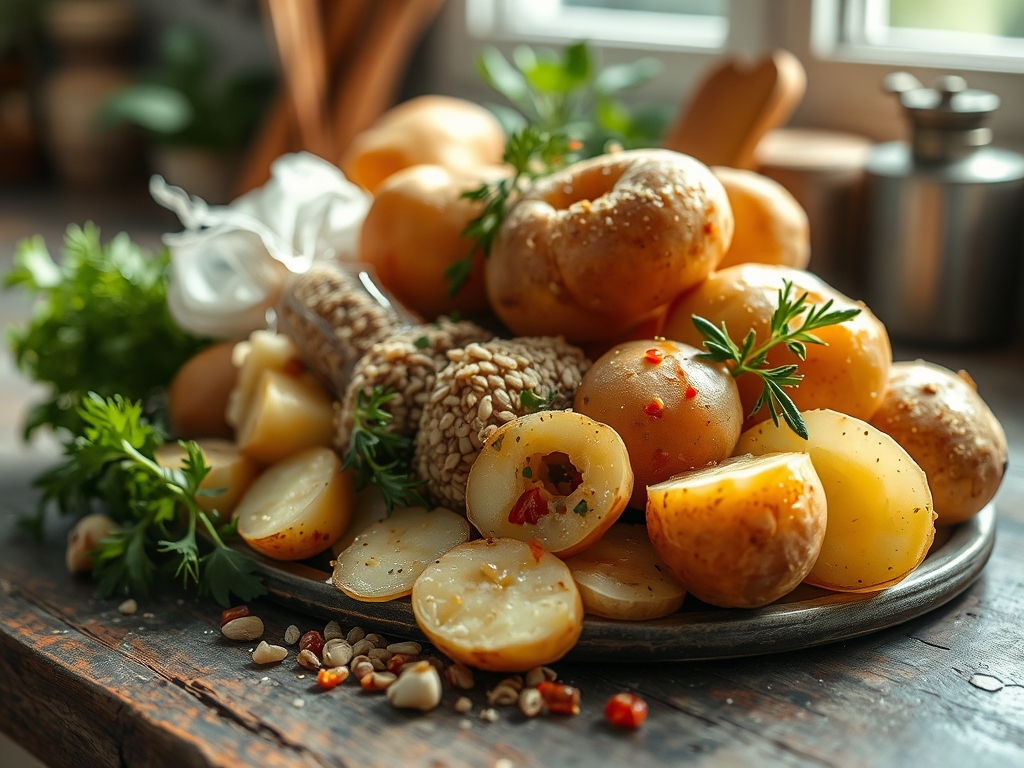
To execute these easy potato recipes for two, your mise-en-place must be intentional. Start with your starch selection. Amylose and amylopectin ratios dictate your final texture. For a fluffy interior, grab Russets. For a waxy, hold-its-shape finish, reach for Red Bliss or Fingerlings. You will need high quality fats; think European style butter with a high butterfat content for better emulsification or duck fat for a superior smoke point.
Your aromatic kit should include fresh thyme, rosemary, and garlic cloves that still have their papery skins to prevent burning during a long infuse session. Grab a microplane for zesting citrus or grating hard cheeses like Pecorino Romano to add a piquant punch.
Smart Substitutions:
If you are out of heavy cream, a dollop of Greek yogurt adds a beautiful acidity and viscous body. No fresh herbs? Use a pinch of dried oregano but bloom it in hot oil first to wake up the volatile compounds. If you need to swap the potato entirely for a lower glycemic index, parsnips offer a similar earthy sweetness and behave beautifully when roasted in a heavy-bottomed skillet.
The Clock
Efficiency in the kitchen is all about the Chef's Flow. For these recipes, expect a 10 to 15 minute prep window followed by a 20 to 40 minute cook time. The secret to the flow is overlapping tasks. While your water reaches a rolling boil, you should be dicing your aromatics with a sharp chef's knife.
Total time usually clocks in under an hour. We utilize the thermal mass of our cookware to speed things up. By preheating your baking sheet, you initiate an immediate sear the moment the potatoes touch the metal. This reduces the total time needed to achieve that golden crust and ensures the center remains tender rather than drying out.
The Masterclass
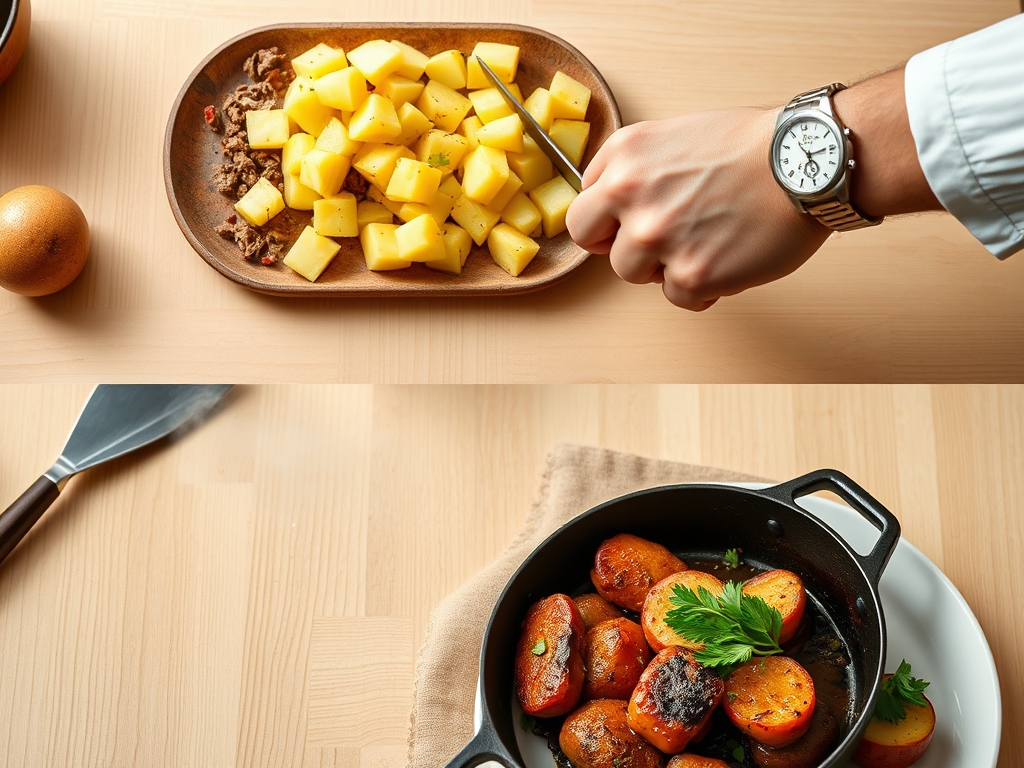
1. The Precision Dice
Uniformity is not just for aesthetics; it ensures every piece cooks at the exact same rate. Use a bench scraper to move your neat piles of cubes into a bowl of cold water.
Pro Tip: Soaking potatoes removes excess surface starch. This prevents the pieces from sticking together and allows for a cleaner, crispier exterior during the frying or roasting process.
2. The Parboil Technique
Bring a pot of salted water to a boil. Drop your potatoes in for just 5 to 7 minutes until the edges are slightly softened but the core is firm.
Pro Tip: Adding a splash of vinegar to the water stabilizes the pectin in the potato cell walls. This allows the potato to hold its shape even if you are rough with it later in the pan.
3. The Fat Render
Place your heavy-bottomed skillet over medium heat and add your fat of choice. If using bacon or pancetta, let the fat render slowly until the protein is crisp.
Pro Tip: Cold fats added to a hot pan create a non-stick surface. This is due to the Leidenfrost effect, where a vapor layer forms between the food and the surface.
4. The High Heat Sear
Increase the heat and add your parboiled potatoes in a single layer. Do not crowd the pan. Use tongs to flip them only once a deep golden crust has formed.
Pro Tip: This is the Maillard reaction in action. Reducing sugars and amino acids rearrange to create hundreds of different flavor compounds and that signature brown color.
5. The Aromatic Infusion
In the final three minutes of cooking, toss in your smashed garlic and woody herbs. Tilt the pan and use a spoon to baste the potatoes with the flavored fat.
Pro Tip: Garlic contains sulfur compounds that turn bitter if burnt. By adding it at the end, you infuse the oil without carbonizing the delicate cloves.
6. The Deglaze
If your pan has developed a "fond" (those brown bits stuck to the bottom), hit it with a splash of white wine or chicken stock.
Pro Tip: Deglazing lifts those concentrated flavors back into a sauce that coats your potatoes, ensuring no flavor is wasted in the sink.
7. The Aeration Fold
If making a mashed variant, use a potato ricer for the smoothest texture. Fold in your dairy using a saucier or a spatula rather than whisking aggressively.
Pro Tip: Over-working potatoes breaks the starch granules, releasing too much amylopectin and turning your dinner into a gluey mess. Gentle folding keeps it light.
8. The Carryover Rest
Remove the potatoes from the heat when they are just shy of your desired doneness. Transfer them to a warm plate.
Pro Tip: Thermal carryover means the internal temperature will continue to rise by about five degrees after removal. This prevents overcooking and mushiness.
9. The Acid Finish
Just before serving, hit the dish with a squeeze of lemon or a sprinkle of flaky sea salt.
Pro Tip: Acid cuts through the richness of the fats, brightening the overall flavor profile and balancing the heavy starches.
The Deep Dive
Macro Nutrition:
Potatoes are a nutritional powerhouse, offering more potassium than a banana and a solid hit of Vitamin C. A standard serving for two provides complex carbohydrates for sustained energy without the crash associated with refined grains.
Dietary Swaps:
For a Vegan version, swap butter for avocado oil or a high quality vegan buttery spread. For Keto enthusiasts, replace half the potatoes with cauliflower florets to lower the net carb count while maintaining the "comfort food" feel. All these recipes are naturally Gluten-Free, provided you check your spice blends for hidden fillers.
The Fix-It:
- Soggy Potatoes: Usually caused by overcrowding. The steam gets trapped and "boils" the potato instead of searing it. Fix: Spread them out on two pans or cook in batches.
- Burned Outside/Raw Inside: Your heat is too high. Fix: Lower the flame and add a tablespoon of water to the pan; cover with a lid for 2 minutes to let the steam cook the center.
- Too Salty: If you over-seasoned, add a squeeze of lemon or a dollop of unsweetened sour cream to mask the sodium.
Meal Prep & Reheating:
To maintain "day-one" quality, never use a microwave. The microwave agitates water molecules, making the starch rubbery. Instead, reheat in an air fryer or a hot oven at 400 degrees Fahrenheit for 5 minutes. This restores the crispness of the skin while keeping the interior moist.
The Wrap-Up
Cooking easy potato recipes for two is an exercise in culinary mindfulness. It is about taking a humble root vegetable and treating it with the respect of a prime rib. By understanding the science of starch and the magic of a perfect sear, you turn a simple Tuesday night into a gourmet experience. Remember, the best meals are not the most complicated; they are the ones where every ingredient is handled with intention and every technique is executed with a bit of "smart" flair. Now, grab your favorite skillet and go make something delicious.
The Kitchen Table
Can I use any potato for roasting?
Technically yes, but Yukon Golds are the gold standard. They possess a medium starch content that allows for a creamy interior and a crisp exterior, making them the most versatile choice for dinner for two.
Why are my mashed potatoes gummy?
Gummy potatoes occur when you overwork the starch. Using a food processor or whisking too hard breaks the starch cells, releasing a sticky "glue." Use a ricer or masher for a fluffy, light texture every time.
How do I get extra crispy skin?
The secret is dryness. After washing or parboiling, ensure the potatoes are bone dry before they hit the fat. Any surface moisture will create steam, which prevents the Maillard reaction from crisping the skin effectively.
Is it safe to eat potatoes with sprouts?
Small sprouts can be carved out with a paring knife. However, if the potato is soft, shriveled, or has significant greening under the skin, toss it. These are signs of high solanine levels, which can be toxic.