
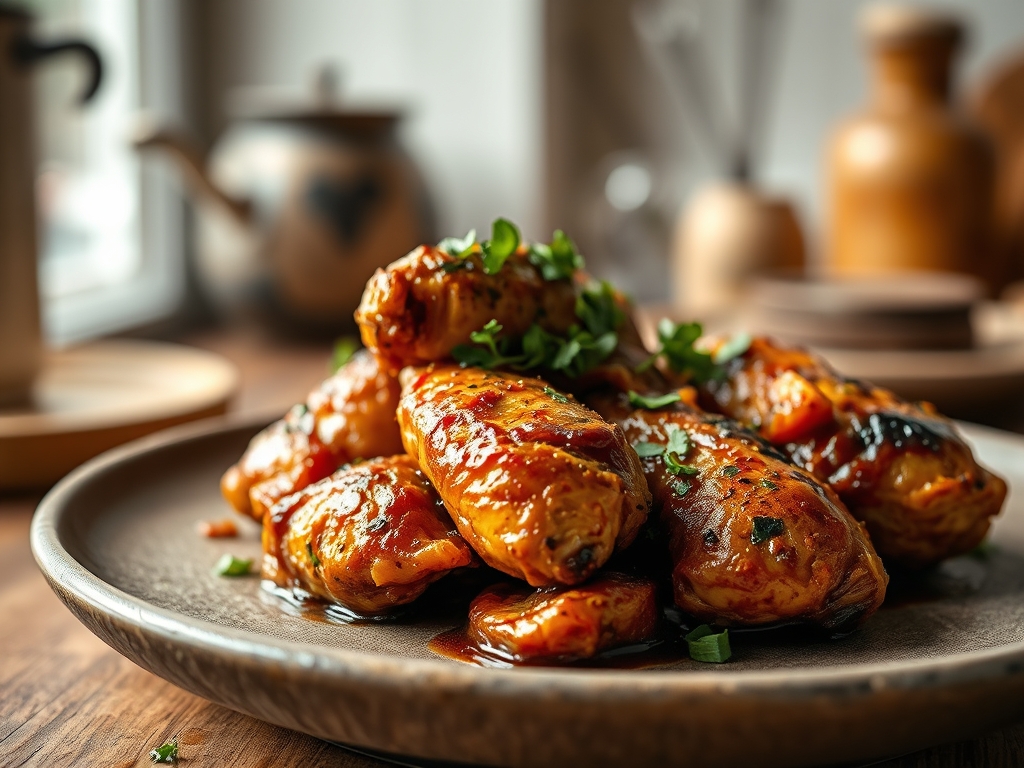
Close your eyes and listen for the sound of fat rendering against a blistering hot grate. That rhythmic sizzle is the heartbeat of Jamaica. The air should be heavy with the scent of charred allspice and the sharp, piquant sting of Scotch bonnet peppers. When searching for the best jerk chicken recipes, you are not just looking for a list of ingredients; you are looking for a chemical reaction that balances heat, acid, and sugar. This is a culinary high-wire act where the goal is a deep, mahogany crust and meat so succulent it practically falls off the bone. We are moving past the watered-down versions found in grocery store aisles. We are going to harness the power of aromatic compounds and thermal dynamics to create a dish that vibrates with flavor. Whether you are using a backyard grill or a heavy-bottomed skillet, the secret lies in the marinade's ability to penetrate the protein fibers. Let us stop settling for "spicy chicken" and start mastering the art of the authentic jerk.
The Gathers:
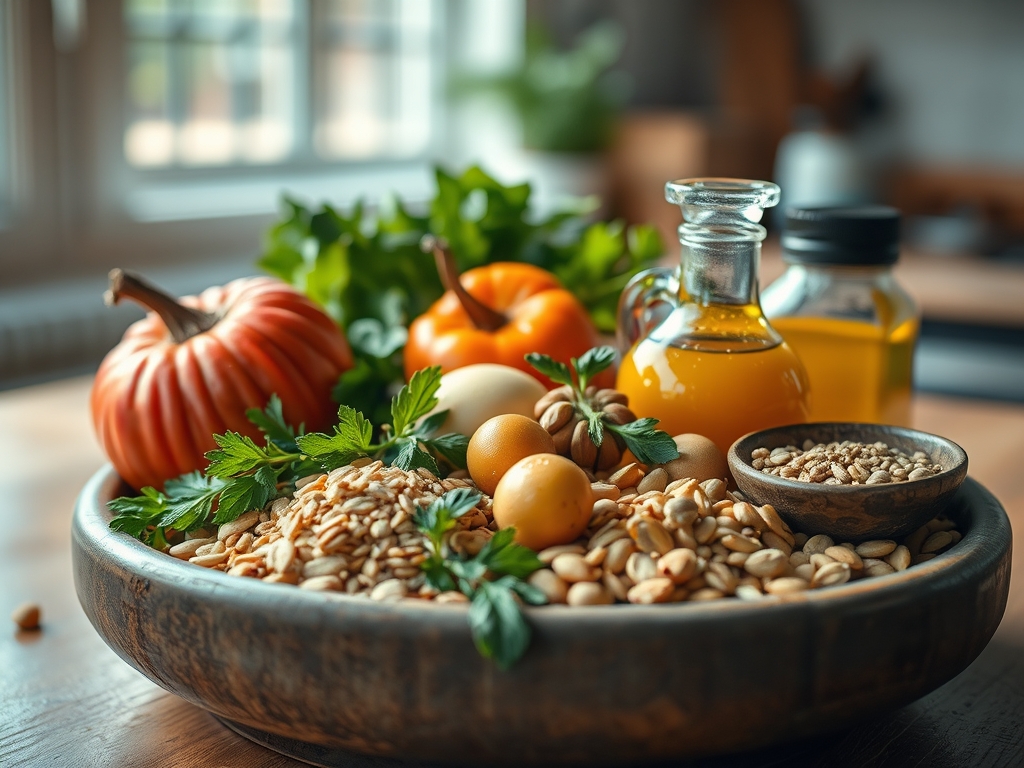
To achieve a professional-grade result, your mise-en-place must be precise. Start with five pounds of bone-in, skin-on chicken thighs. The bone acts as a thermal conductor, ensuring the meat cooks evenly from the inside out while the skin provides the necessary lipids for a crisp finish. You will need a high-speed blender or a heavy mortar and pestle to create a viscous marinade.
The aromatics are non-negotiable. Gather two bunches of scallions, a four-inch knob of fresh ginger, and at least six cloves of garlic. The star of the show is the Scotch bonnet pepper. These peppers contain high levels of capsaicin, but they also offer a fruity, apricot-like undertone that habaneros lack. You will also need whole allspice berries, which you should toast and grind yourself to release the volatile oils. Add fresh thyme, dark brown sugar for caramelization, and a splash of soy sauce for umami depth.
Smart Substitutions: If you cannot find Scotch bonnets, use habaneros with a teaspoon of apricot preserves to mimic the floral notes. If you are avoiding soy, liquid aminos provide a similar salt profile without the gluten. For those who lack a grill, a few drops of high-quality liquid smoke can simulate the wood-fired essence of pimento wood, though use it sparingly to avoid a medicinal aftertaste.
The Clock
Efficiency in the kitchen is about the Chef's Flow. This is the art of sequencing tasks to maximize flavor and minimize downtime. Your active prep time will take approximately 30 minutes, primarily focused on cleaning the poultry and emulsifying the marinade. However, the "passive" time is where the magic happens.
The chicken requires a minimum of six hours to marinate, though twelve to twenty-four hours is the gold standard. This allows the salt to denature the proteins, pulling the aromatics deep into the muscle tissue. The actual cooking process takes about 35 to 45 minutes depending on your heat source. Always allow for a 10-minute rest period post-cook. This is not a suggestion; it is a thermal requirement to allow the juices to redistribute through the fibers. Total time from start to finish is roughly 14 hours, but your actual labor is less than an hour.
The Masterclass
1. The Aromatic Emulsion
Place your scallions, ginger, garlic, peppers, and spices into a blender. Add a neutral oil and a splash of lime juice. Pulse until the mixture is a thick paste rather than a liquid. You want the solids to cling to the meat during the roasting process.
Pro Tip: This step utilizes mechanical emulsification. By blending the oil with the aqueous ingredients (lime juice and aromatics), you create a stable coating that prevents the spices from burning off too quickly when they hit the heat.
2. The Deep Score
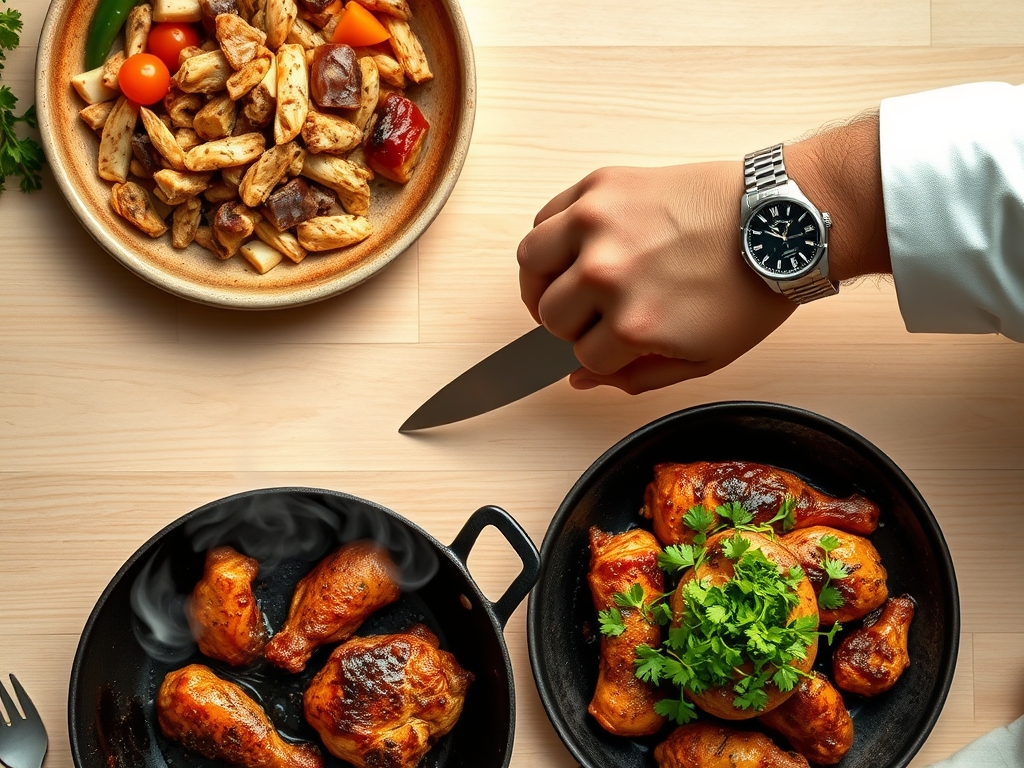
Using a sharp chef's knife, make two or three shallow diagonal cuts into the thickest part of the chicken thighs. Do not cut all the way to the bone; you only want to increase the surface area for the marinade to penetrate.
Pro Tip: This technique facilitates osmotic diffusion. By increasing the surface area, you allow the salt and acid to work faster on the protein structures, ensuring flavor is not just skin-deep.
3. The Cold Cure
Massage the marinade into every crevice of the chicken. Place the meat in a non-reactive glass bowl or a heavy-duty zip-top bag. Squeeze out as much air as possible to ensure total contact between the paste and the poultry.
Pro Tip: Keeping the meat at a consistent 38 degrees Fahrenheit prevents bacterial growth while allowing the enzymatic breakdown of connective tissues to occur slowly, resulting in a more tender bite.
4. The Searing Phase
Heat your grill or heavy-bottomed skillet to medium-high. Place the chicken skin-side down first. You are looking for a deep, dark char that stops just short of being burnt. Use long-handled tongs to flip the pieces only when the skin releases naturally from the heat source.
Pro Tip: This is the Maillard Reaction in its prime. The amino acids and reducing sugars in the marinade react under high heat to create hundreds of new flavor compounds that give jerk its signature complexity.
5. The Indirect Finish
Once the exterior is charred, move the chicken to a cooler part of the grill or lower the oven temperature to 350 degrees Fahrenheit. Cover and continue cooking until the internal temperature reaches 165 degrees.
Pro Tip: This manages thermal carryover. Cooking the interior with indirect heat prevents the exterior from carbonizing (turning bitter) while the center reaches a safe and succulent temperature.
6. The Glaze and Deglaze
In the final five minutes, brush any remaining (boiled) marinade over the chicken. If using a pan, you can deglaze the brown bits with a splash of orange juice to create a quick pan sauce.
Pro Tip: The addition of fresh sugar and acid at the end provides a "top note" of flavor that balances the heavy, smoky base notes established during the initial sear.
7. The Essential Rest
Transfer the chicken to a warm platter and tent it loosely with foil. Let it sit for at least ten minutes before serving. This allows the muscle fibers, which tightened during cooking, to relax and reabsorb moisture.
Pro Tip: This step addresses hydrostatic pressure. During cooking, moisture is pushed toward the center of the meat. Resting allows that moisture to flow back toward the edges, ensuring every bite is equally juicy.
The Deep Dive
From a macro perspective, jerk chicken is a powerhouse. A standard serving of two thighs provides roughly 35 grams of protein and 18 grams of fat. Because the marinade is primarily vegetable and spice-based, the carbohydrate count remains low, making this a staple for keto-friendly diets. For a vegan swap, firm tofu or oyster mushrooms work beautifully; just reduce the marinating time to two hours to prevent the acid from turning the vegetables mushy.
The Fix-It:
- Too Spicy: If the heat is overwhelming, serve with a side of coconut rice or a dollop of Greek yogurt. The fats in dairy or coconut milk bind to the capsaicin and wash it away from your taste buds.
- Rubbery Skin: This happens when the heat is too low. Increase the temperature for the final three minutes or use a kitchen torch to crisp the exterior.
- Dry Meat: You likely skipped the indirect heat phase. Next time, use a digital thermometer to pull the chicken at 160 degrees; it will reach 165 during the rest.
Meal Prep Science: To reheat jerk chicken without losing the "day-one" quality, avoid the microwave. Use a toaster oven or air fryer at 325 degrees. This recirculates hot air to re-crisp the skin while gently warming the interior, preventing the "warmed-over flavor" caused by lipid oxidation.
The Wrap-Up
Mastering the best jerk chicken recipes is about respecting the chemistry of the ingredients. You are balancing the fire of the Scotch bonnet with the cool earthiness of allspice and the brightness of citrus. When you pull that mahogany-colored chicken off the heat, you are not just serving a meal; you are serving a masterclass in flavor layering. Use your tools, trust your thermometer, and never skip the rest. Your kitchen is now a Jamaican smokehouse; enjoy the results of your scientific precision.
The Kitchen Table
How do I make jerk chicken less spicy?
Remove the seeds and white pith from the Scotch bonnets before blending. Most of the capsaicin is concentrated in the membranes. You can also increase the amount of brown sugar in the marinade to provide a flavor counterbalance to the heat.
Can I use chicken breasts instead of thighs?
Yes, but you must be careful. Breasts lack the fat and connective tissue of thighs, making them prone to drying out. Reduce the cooking time and use a digital scale to ensure they do not exceed an internal temperature of 160 degrees.
What is the best wood for smoking jerk chicken?
Authentic jerk uses pimento wood. Since that is hard to find in North America, allspice berries tossed onto charcoal or using pimento wood chips is best. Alternatively, pecan or applewood provides a mild sweetness that complements the spice profile well.
How long does jerk marinade last in the fridge?
A fresh, home-made jerk marinade will stay potent for up to two weeks in an airtight glass jar. The salt and lime juice act as natural preservatives. For longer storage, you can freeze the marinade in ice cube trays for easy portioning.