
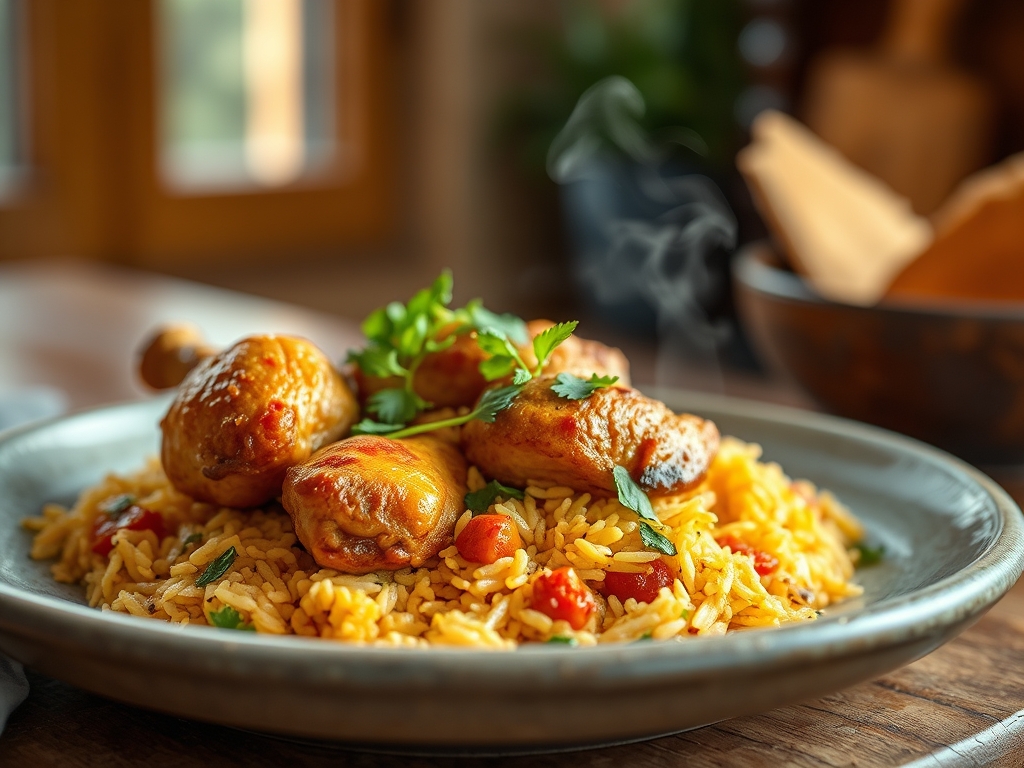
Imagine the scent of toasted cardamom and slow-rendered fat wafting through your kitchen; it is a sensory siren song that signals the arrival of the ultimate comfort food. When searching for the most aromatic chicken recipes for biryani, you are not just looking for a meal; you are seeking a masterclass in layering flavors. This is where high-heat searing meets the gentle, low-moisture precision of dum cooking.
The secret to a transcendent biryani lies in the marriage of long-grain Basmati and succulent poultry. Whether you are craving the fiery kick of a Hyderabadi style or the subtle, floral notes of a Lucknowi preparation, the foundation remains the same: quality ingredients and patience. We are going to explore nine distinct variations that elevate the humble bird into a regal centerpiece. Get your heavy-bottomed pots ready because we are about to transform your kitchen into a spice-scented sanctuary.
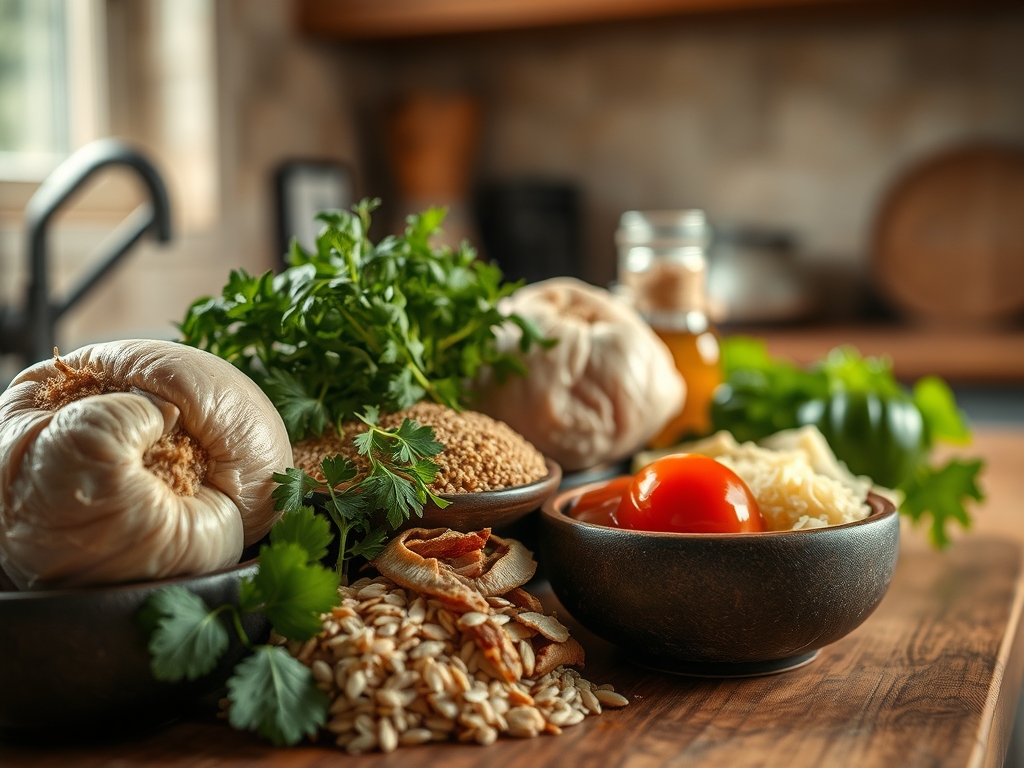
The Gathers:
To execute these chicken recipes for biryani with professional precision, your mise-en-place must be impeccable. Start with the chicken; thigh meat is non-negotiable here because the higher fat content prevents the protein from becoming fibrous during the long steaming process. You will need a digital scale to measure your spices, as the ratio of cinnamon to clove can shift the entire flavor profile from sweet to medicinal.
The rice requires a specific grade of extra-long grain Basmati. Look for "aged" labels; aging dehydrates the grain, allowing it to absorb more of the viscous marinade without breaking. For the aromatics, gather fresh ginger and garlic to be processed into a paste using a microplane for maximum surface area release. Your fats are equally vital; use grass-fed ghee for its high smoke point and nutty undertones.
Smart Substitutions:
If you cannot find fresh saffron, a pinch of turmeric dissolved in warm milk provides the hue, though it lacks the metallic, floral depth. For those avoiding dairy, a high-fat coconut milk can substitute for yogurt in the marinade, though the lactic acid in yogurt is a superior tenderizer. If bird's eye chilies are too piquant, deseeded serranos offer a milder green heat.
The Clock:
Mastering the "Chef's Flow" is about overlapping tasks to minimize downtime. Expect a total time of approximately 2 hours.
- Prep (40 Minutes): This includes marinating the chicken and soaking the rice. Rice must soak for at least 30 minutes to ensure the starch granules hydrate evenly.
- Active Cooking (30 Minutes): Frying the onions (biryan) to a perfect mahogany and par-boiling the rice.
- The Dum (45 Minutes): The slow-steaming phase where the magic happens.
- Resting (15 Minutes): Essential for moisture redistribution.
The Masterclass:
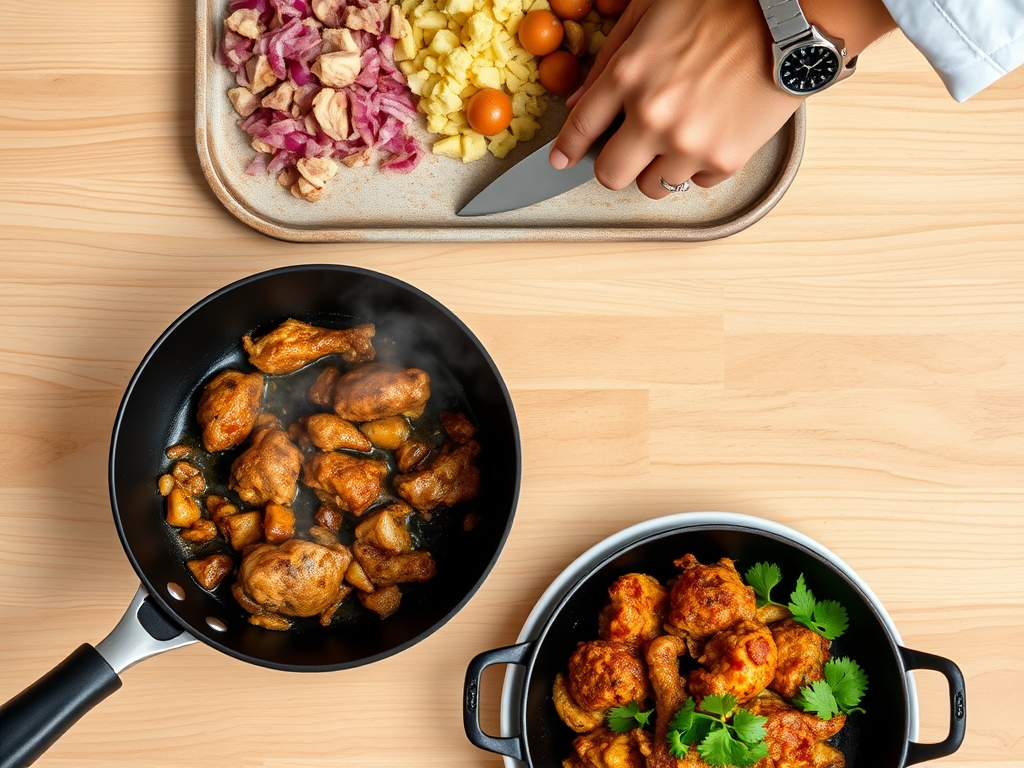
1. The Acidic Marinade
Whisk together thick Greek yogurt, ginger-garlic paste, and your dry spice blend. Submerge the chicken pieces, ensuring every crevice is coated.
Pro Tip: The lactic acid in yogurt breaks down the calcium in the muscle fibers. This enzymatic tenderization ensures the meat remains succulent even after the dual-stage cooking process.
2. The Golden Onion (Biryan)
Using a heavy-bottomed skillet, fry thinly sliced onions in neutral oil until they reach a deep amber.
Pro Tip: This is the Maillard reaction in its purest form. Remove the onions just before they look "done," as thermal carryover will continue to darken them on the paper towel.
3. Par-Boiling the Grain
Boil a large pot of water seasoned heavily with salt and whole spices. Drop the soaked rice and cook until it is exactly 70 percent done.
Pro Tip: The rice should have a firm "snap" in the center. This prevents the grains from turning into a viscous porridge during the final steaming phase.
4. Layering the Foundation
Place the marinated chicken at the bottom of a saucier or deep pot. Add a layer of fried onions and fresh mint.
Pro Tip: Placing the meat at the bottom allows the proteins to render their fats directly into the base of the pot, creating a flavorful fond that seasons the rice from below.
5. The Rice Blanket
Spread the par-boiled rice over the chicken. Use a bench scraper to level the surface without crushing the delicate grains.
Pro Tip: Gently poking "steam vents" through the rice layer with the handle of a wooden spoon allows for even heat distribution and prevents wet spots.
6. Infusing the Saffron
Drizzle saffron-infused milk and melted ghee over the top layer of rice.
Pro Tip: The fat in the ghee acts as a carrier for the fat-soluble compounds in saffron, ensuring the aromatic molecules are distributed throughout the entire pot.
7. Sealing the Dum
Cover the pot with a tight-fitting lid, traditionally sealed with a ring of dough, and cook on the lowest possible flame.
Pro Tip: This creates a pressurized environment. The steam infuses the rice with the chicken's essence while the bottom layer undergoes gentle caramelization.
8. The Fluff and Aerate
After resting, use a wide spatula or tongs to gently lift the layers. Do not stir vigorously.
Pro Tip: You want to aerate the grains to stop the cooking process. Mixing too hard will break the long Basmati grains, ruining the textural contrast.
9. The Final Garnish
Top with remaining fried onions, toasted cashews, and a squeeze of lime.
Pro Tip: The citric acid in the lime juice provides a necessary "high note" that cuts through the richness of the ghee and spices.
The Deep Dive:
Macro Nutrition: A standard serving of chicken biryani provides roughly 450 to 600 calories. It is a balanced meal featuring complex carbohydrates, high-quality protein, and healthy fats from ghee. To lower the glycemic index, swap white Basmati for brown, though you must increase the soaking time to 2 hours.
Dietary Swaps: For a Keto version, replace rice with cauliflower florets, though you must skip the par-boiling step to avoid mushiness. For a Vegan twist, use oyster mushrooms or jackfruit; these textures mimic chicken and absorb the marinade beautifully.
The Fix-It:
- Burnt Bottom: If you smell burning, immediately place the pot in a sink of cold water to stop the heat. Transfer the unburnt top layers to a new dish.
- Mushy Rice: This happens from over-boiling. Spread the rice on a flat tray and place it under a fan to quickly evaporate excess moisture.
- Tough Chicken: This is usually due to skipping the marinade. Next time, ensure a minimum 4-hour soak in yogurt.
Meal Prep: Biryani actually tastes better the next day as the spices continue to infuse. To reheat, avoid the microwave; instead, steam it in a colander over boiling water to restore the moisture without making the rice rubbery.
The Wrap-Up:
You are now equipped to conquer the complex, beautiful world of chicken recipes for biryani. Remember that cooking is as much about the physics of heat as it is about the soul of the spices. By focusing on the Maillard reaction, proper enzymatic tenderization, and the delicate art of the dum, you are elevating a simple dinner into a culinary event. Grab your digital scale and start measuring; your kitchen is about to smell like a dream.
The Kitchen Table:
How do I prevent the rice from breaking?
Always soak your Basmati for 30 minutes and avoid stirring the pot during the boiling phase. Use a wide spatula to gently fold the layers rather than a spoon which can snap the delicate, hydrated grains.
What is the best cut of chicken for biryani?
Bone-in chicken thighs are superior. The bone adds marrow-deep flavor to the rice, and the dark meat contains enough connective tissue to stay moist during the intense 45-minute steaming process required for authentic results.
Can I make biryani in a pressure cooker?
Yes, but you lose the textural contrast of the layers. To succeed, use a 1:1.5 rice-to-water ratio and cook for only two whistles to ensure the grains remain distinct and do not turn into a mash.
Why is my biryani lacking aroma?
You likely used pre-ground spices. For maximum impact, toast whole peppercorns, cloves, and cardamom in a dry pan until fragrant, then grind them fresh. The volatile oils dissipate quickly once spices are powdered.