
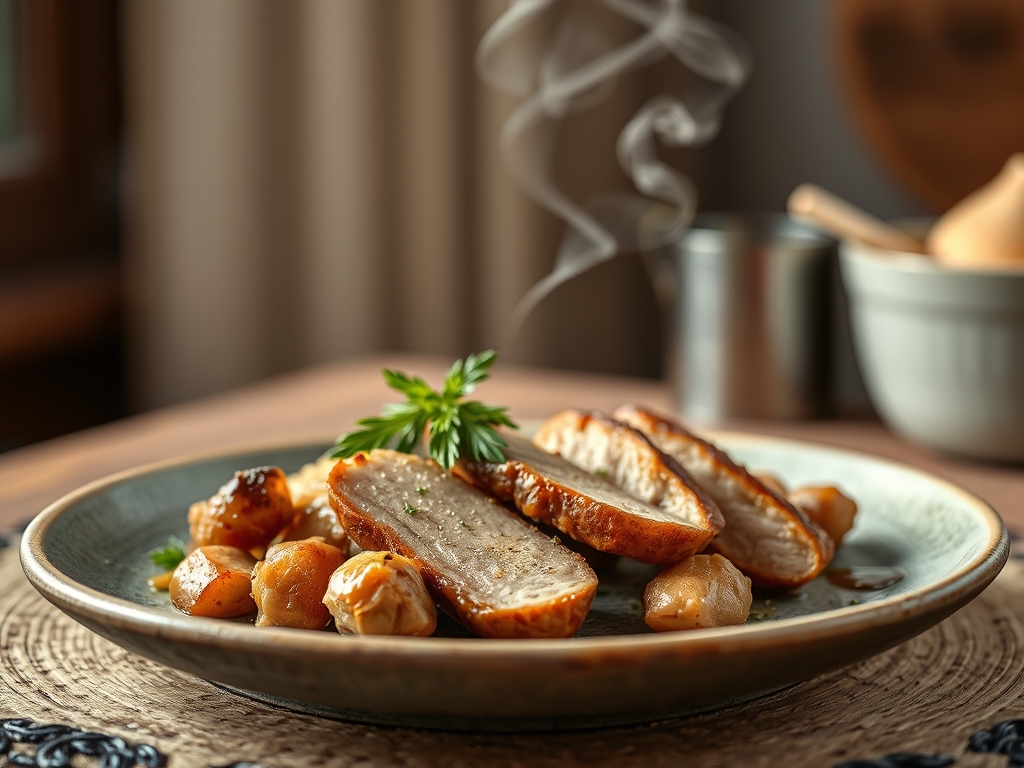
Picture this: a heavy-bottomed cast iron skillet shimmering with heat as you drop in a blend of lean ground turkey and rich, marbled beef. The sound is immediate; it is a high-frequency sizzle that signals the start of the Maillard reaction. This is the secret to the most versatile turkey beef recipes on your weekly rotation. By blending these two proteins, you are not just cutting down on saturated fats; you are engineering a superior texture that captures the savory depth of beef with the clean, light finish of turkey. It is a culinary hack that balances moisture and structure perfectly.
We are moving beyond the dry, crumbly burgers of the past. When you marry the high collagen content of specific beef cuts with the lean profile of turkey, you create a hybrid protein that holds onto its juices during the searing process. Whether you are meal prepping for a high-protein lifestyle or just trying to sneak more lean nutrients into a family dinner, these turkey beef recipes offer a sophisticated profile that satisfies the most stubborn carnivores. Grab your digital scale and your favorite apron. We are about to transform your kitchen into a high-performance flavor lab where science meets soul food.
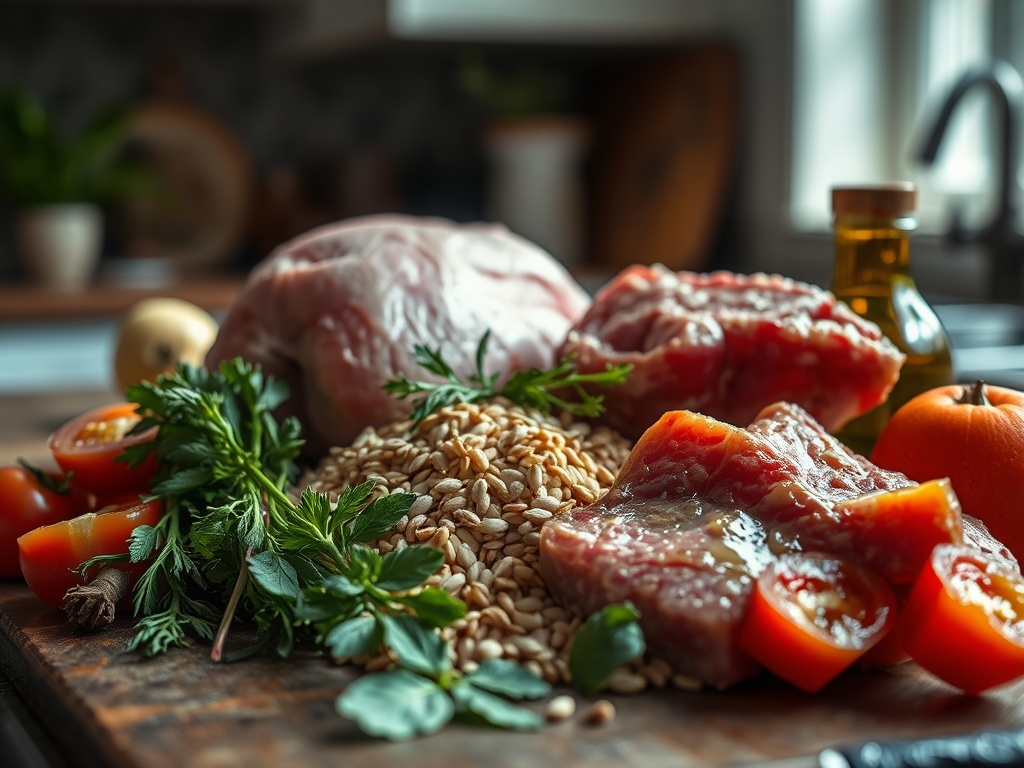
The Gathers:
To master these turkey beef recipes, your mise-en-place must be precise. Start with a 50/50 ratio of 93% lean ground turkey and 80/20 ground chuck. The beef provides the necessary lipids to lubricate the turkey fibers, preventing the chalky mouthfeel often associated with poultry. You will need a piquant blend of aromatics: minced shallots, cloves of garlic crushed with a flat knife blade, and fresh herbs like rosemary and thyme.
The supporting cast includes a viscous binder. Reach for a farm-fresh egg and high-quality Worcestershire sauce to provide umami depth. If you are looking for a textural contrast, panko breadcrumbs or almond flour will work to trap the rendered fats within the meat matrix.
Smart Substitutions:
If you want to lean further into the healthy spectrum, swap the breadcrumbs for finely grated cauliflower; it adds moisture without changing the flavor profile. For a vegan-adjacent twist in a hybrid dish, you can substitute the beef portion with finely minced cremini mushrooms. The mushrooms contain glutamate, which mimics the savory "beefy" sensation while reducing the overall caloric density of your turkey beef recipes.
The Clock:
Efficiency in the kitchen is all about the "Chef's Flow." This is the psychological state where your movements are optimized to reduce downtime. For these turkey beef recipes, expect a total commitment of 45 minutes.
The Breakdown:
- Prep Time (15 Minutes): This includes the time to weigh your proteins on a digital scale, mince your aromatics, and allow the meat to come to room temperature. Cold meat shocks the pan, dropping the temperature and causing the proteins to steam rather than sear.
- Cook Time (20 Minutes): This covers the active searing and the gentle simmering or roasting required to reach an internal temperature of 165 degrees Fahrenheit.
- Resting Time (10 Minutes): Never skip this. Resting allows the muscle fibers to relax and reabsorb the juices.
The Masterclass:
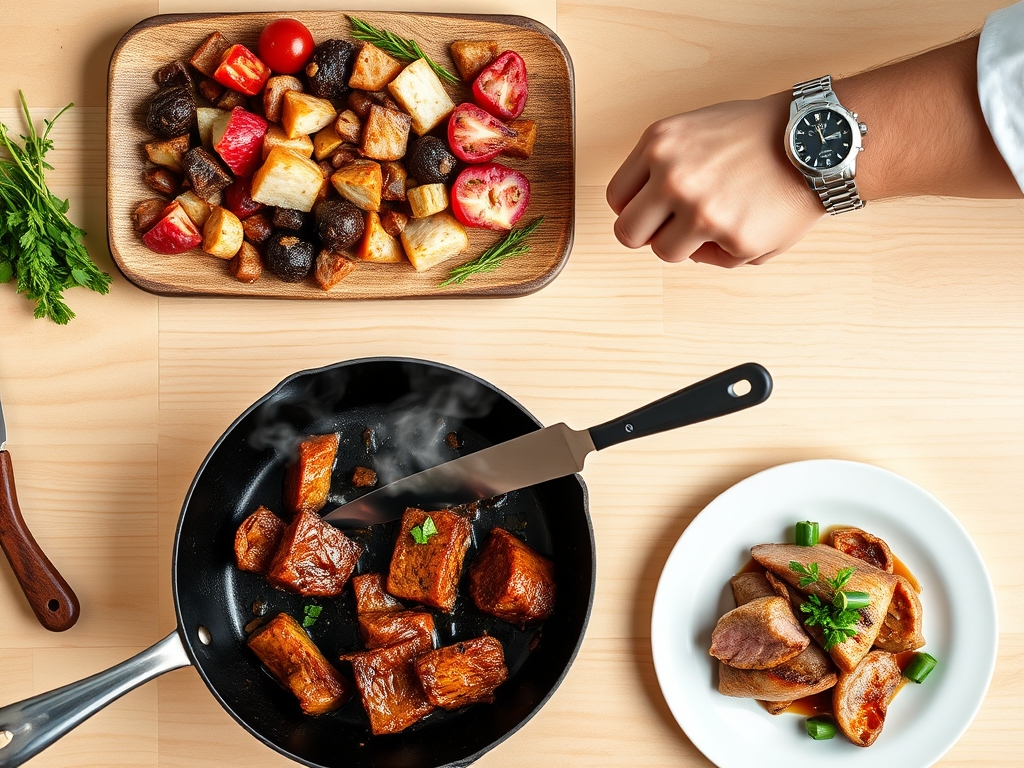
1. The Tempering and Blending
Place your turkey and beef in a large stainless steel bowl. Use a bench scraper or your hands to gently fold the two meats together until they are just combined. Do not overwork the meat. Over-handling leads to protein cross-linking, which results in a rubbery, dense final product.
Pro Tip: This is the "Cold Hands" rule. Keeping the meat cold until the very moment it hits the pan prevents the fat from melting prematurely, ensuring a juicy interior.
2. Infusing the Aromatics
Use a microplane to zest a bit of lemon or grate your garlic directly into the mix. This creates a fine paste that distributes flavor evenly without leaving large, pungent chunks. Add your salt and pepper now; the salt begins to dissolve the protein myosin, which helps the meat stick together without becoming tough.
Pro Tip: Salt acts as a functional ingredient here. By adding it early, you create a light "gel" that traps moisture during the cooking process.
3. The Sear and Deglaze
Heat your heavy-bottomed skillet until a drop of water flicked onto the surface dances and evaporates instantly. Add a high-smoke-point oil like avocado oil. Place your patties or crumbles in the pan and leave them alone for three minutes. Once a crust forms, use a sturdy metal spatula to flip.
Pro Tip: Deglaze the pan with a splash of beef stock or dry red wine. This picks up the "fond," those caramelized bits stuck to the pan, and incorporates them back into your turkey beef recipes as a rich sauce.
4. Thermal Management
Use a digital meat thermometer to check the thickest part of the meat. You are looking for 160 degrees Fahrenheit before pulling it off the heat. The temperature will rise to the safe 165 degrees during the resting phase.
Pro Tip: This is called thermal carryover. If you wait until the thermometer reads 165 in the pan, the final temperature will hit 170, resulting in dry turkey.
The Deep Dive:
When we look at the macro nutrition of these turkey beef recipes, we see a powerhouse profile. A standard 4-ounce serving provides approximately 24 grams of protein with a significantly lower saturated fat count than pure beef.
Dietary Swaps:
- Keto: Use crushed pork rinds instead of breadcrumbs to keep the carb count near zero.
- Gluten-Free: Substitute tamari for Worcestershire sauce and use certified GF oats as a binder.
- Low-Sodium: Increase the use of acidic elements like apple cider vinegar or lemon juice to brighten the flavor without adding salt.
The Fix-It:
- Too Dry: If your mix feels crumbly, fold in two tablespoons of ice-cold water or beef broth before cooking.
- Greasy: If the beef renders too much fat, use a bulb baster to remove excess liquid from the pan mid-sear.
- Bland: You likely under-salted. Finish the dish with a sprinkle of flaky sea salt or a dash of coconut aminos to pop the flavors.
Meal Prep Science:
To maintain "day-one" quality when reheating, use a damp paper towel over your container in the microwave. This creates a small steam chamber that prevents the turkey from becoming "rubbery" through dehydration.
The Wrap-Up:
Mastering turkey beef recipes is about more than just a healthy swap; it is about understanding how different proteins interact under pressure. By using the right tools and respecting the science of the sear, you can create meals that are both nutritionally dense and incredibly satisfying. Your kitchen is now a place of precision and flavor. Go ahead and show off that perfect crust!
The Kitchen Table:
Why blend turkey and beef together?
Blending turkey and beef creates a balanced flavor profile. The beef provides essential fats and umami, while the turkey reduces the overall calorie and saturated fat content. This combination ensures a moist texture that is often superior to using either meat alone.
How do I prevent turkey beef burgers from falling apart?
Use a binder like an egg or a small amount of breadcrumbs. Additionally, ensure you do not over-mix the meat. Letting the formed patties rest in the refrigerator for 30 minutes before cooking helps the proteins set and stay together.
What is the safe internal temperature for turkey beef recipes?
The USDA recommends a minimum internal temperature of 165 degrees Fahrenheit for all ground poultry mixtures. Use a digital meat thermometer to ensure accuracy, pulling the meat off the heat at 160 degrees to allow for thermal carryover.
Can I freeze turkey beef blends for later use?
Yes. Shape the meat into patties or portions and wrap them tightly in plastic wrap followed by aluminum foil. They will stay fresh in the freezer for up to three months. Thaw in the refrigerator before cooking for the best texture.