
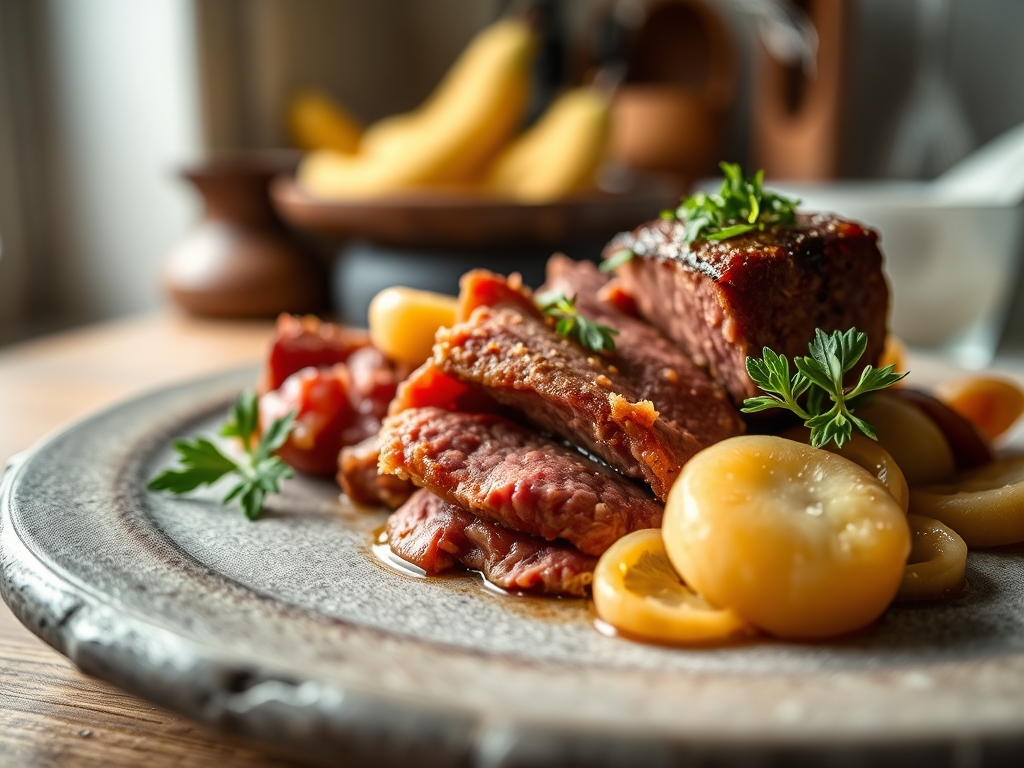
Picture the scent of salt-cured brisket hitting a hot, heavy-bottomed skillet. It is earthy, savory, and undeniably nostalgic. While many associate this protein with boiled greens, exploring corned beef recipes no cabbage opens a world of crisp textures and concentrated flavors that a watery pot simply cannot provide. We are moving beyond the boil to embrace the Maillard reaction.
The magic of corned beef lies in its cure. This is not just meat; it is a complex matrix of salt, sugar, and nitrates that have restructured the muscle fibers. When we remove the cabbage, we remove the excess moisture that often dilutes the beef's piquant profile. Instead, we are focusing on rendering the fat cap to a golden lacquer and pairing the protein with ingredients that provide structural contrast. Whether you are aiming for a crispy hash or a glazed roast, the absence of cabbage allows the aromatic spices like coriander and peppercorn to truly sing.
The Gathers:
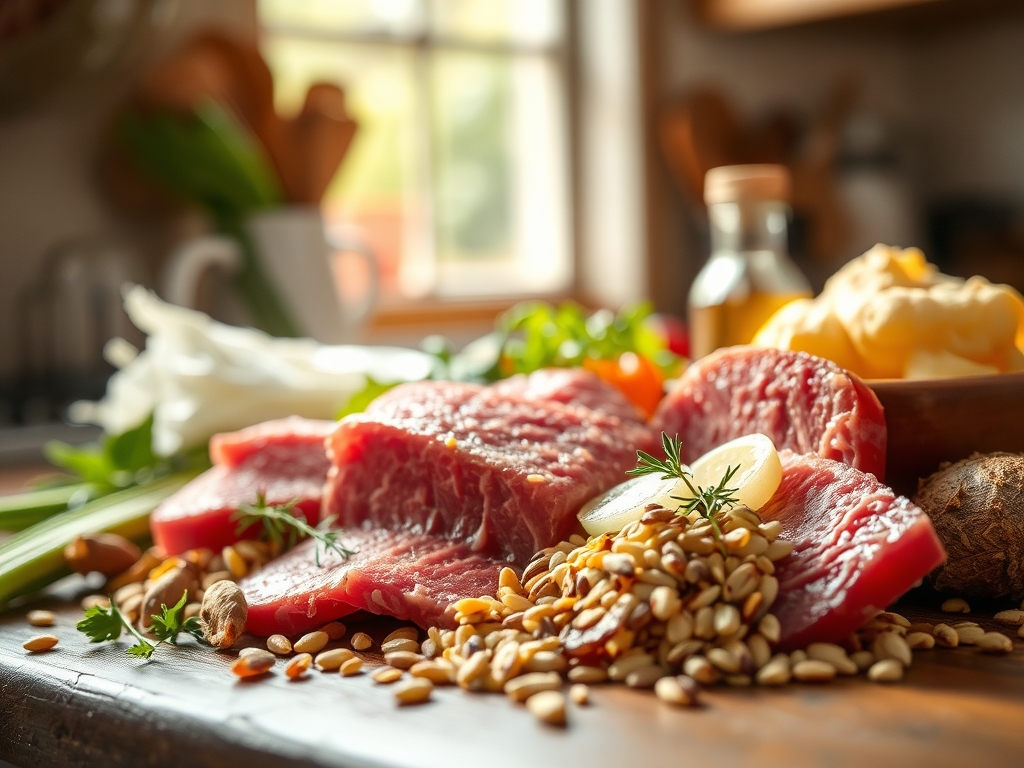
To master these corned beef recipes no cabbage, your mise-en-place must be precise. Start with a high-quality, pre-brined brisket. You will need a sharp chef's knife to navigate the grain and a digital scale to ensure your aromatics are balanced. The "Gather" phase is about chemistry; we are looking for components that provide acidity and crunch to replace the traditional brassica.
Your tray should feature waxy potatoes like Yukon Golds, which hold their cellular structure better than starchy Russets when subjected to high heat. You will also need aromatics: yellow onions for their high sugar content (perfect for caramelization), fresh garlic cloves, and perhaps a bunch of flat-leaf parsley for a verdant finish. For the "Smart Substitutions," consider using robust root vegetables like parsnips or rutabagas. These offer a similar density to cabbage but with a much higher sugar-to-water ratio, allowing them to brown beautifully rather than turn translucent and limp.
Don't forget the liquids. A viscous stout or a dry hard cider provides the necessary acidity to break down tough connective tissues. If you are looking for a brighter profile, a splash of apple cider vinegar added at the end of the cook will brighten the heavy fats. Use a microplane to zest fresh horseradish over the final dish; the volatile oils provide a sharp nasal heat that cuts through the richness of the rendered brisket fat.
The Clock:
Efficiency in the kitchen is about "Chef's Flow." For most corned beef recipes no cabbage, you are looking at a two-phase timeline. Phase one is the low-temperature infusion. If you are using a slow cooker or a Dutch oven, this takes about 4 to 6 hours. This time is non-negotiable because the collagen in the brisket must reach approximately 160 degrees Fahrenheit to begin its transformation into gelatin.
Phase two is the high-heat finish. This is where the bench scraper and the heavy-bottomed skillet come into play. This phase takes only 15 to 20 minutes but requires your full attention. You are essentially taking the tender, cooked meat and "reactivating" the surface through searing or roasting. Total active prep time is usually 30 minutes, while the passive cooking time allows the flavors to meld and the connective tissues to liquefy into a rich, savory jus.
The Masterclass:
1. The Desalination Soak
Place your brisket in a large bowl of cold water for at least 30 minutes before cooking. This process, known as osmotic diffusion, draws out excess surface brine. If you skip this, the reduction of cooking liquids will result in a dish that is aggressively salty.
Pro Tip: This step ensures the exterior of the meat doesn't become "leathery" during the roasting process, as salt can draw out too much moisture from the surface cells.
2. The Low and Slow Braise
Submerge the beef in a saucier or Dutch oven with your chosen aromatics and just enough liquid to cover two-thirds of the meat. Cover tightly and simmer. We are looking for a gentle bubble, not a rolling boil, to prevent the muscle fibers from tightening and becoming "stringy."
Pro Tip: Maintaining a temperature between 180 and 200 degrees Fahrenheit allows for hydrolytic cleavage, where collagen turns into gelatin without the protein fibers seizing up.
3. The Texture Transformation
Once fork-tender, remove the meat and let it rest. This is the "Chef's Flow" secret. While the meat rests, dice your potatoes and onions. Use a heavy-bottomed skillet to fry the vegetables in a mixture of butter and oil. The oil raises the smoke point, while the butter adds milk solids for flavor.
Pro Tip: This is an example of thermal carryover. Resting the meat allows the internal juices to redistribute so they don't leak out the moment you slice it.
4. The Final Sear
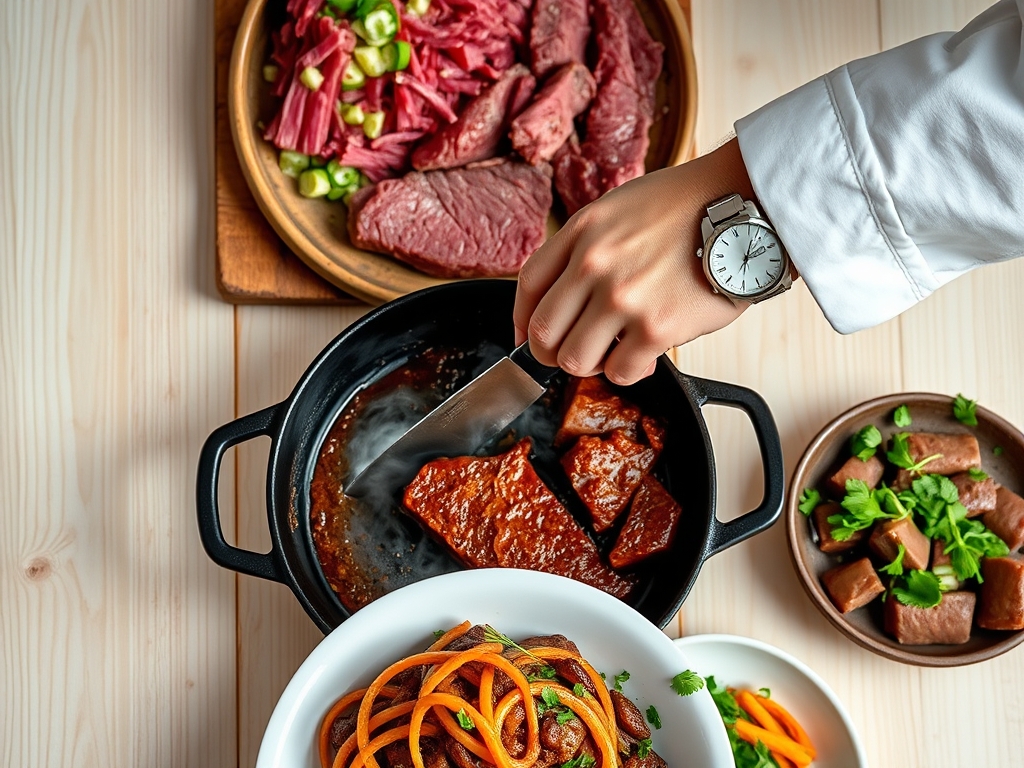
Slice the beef against the grain into thick slabs or cubes. Add them to the skillet with the vegetables. Press down with a spatula to maximize surface contact. You want to hear a vigorous sizzle; this is the sound of moisture evaporating and sugars browning.
Pro Tip: This stage triggers the Maillard reaction, a chemical reaction between amino acids and reducing sugars that creates hundreds of different flavor compounds.
5. The Deglaze and Emulsify
Once the beef is crispy, remove the pan from the heat and add a splash of stock or cider. Use a wooden spoon to scrape up the brown bits (the fond) from the bottom of the pan. Swirl in a knob of cold butter to create a glossy, emulsified sauce.
Pro Tip: The starch from the potatoes acts as a natural thickener, helping the liquid and fat bind into a viscous emulsion that coats every bite.
The Deep Dive:
When analyzing the macro nutrition of corned beef recipes no cabbage, you are looking at a protein-dense meal. A standard 4-ounce serving provides roughly 20 grams of protein and 15 grams of fat. Because we have removed the cabbage, the fiber content must come from your substitutions like carrots or parsnips.
For dietary swaps, Keto followers should replace potatoes with radishes or cauliflower florets; when roasted, radishes lose their peppery bite and mimic the texture of a potato. Vegan "corned beef" can be achieved using seitan that has been marinated in beet juice, pickling spices, and liquid smoke to replicate the color and brine. For a Gluten-Free version, ensure your beef broth and any added mustards are certified GF, as some thickening agents contain wheat.
The Fix-It:
- Meat is too tough: This means the collagen hasn't broken down. Fix it by returning the beef to the liquid and simmering for another 45 minutes.
- Dish is too salty: Add a peeled, halved potato to the simmering liquid. The potato acts as a sponge, absorbing excess sodium.
- Beef is grey and unappealing: This happens if you steam the meat rather than sear it. Fix it by patting the meat bone-dry and searing it in a very hot cast-iron pan with a touch of sugar-based glaze.
Meal Prep: To maintain "day-one" quality, store the beef in its own juices. When reheating, avoid the microwave, which can turn the fat rubbery. Instead, use a covered skillet over low heat with a tablespoon of water to create a steam-chamber effect, preserving the moisture.
The Wrap-Up:
Ditching the cabbage isn't just a dietary choice; it is a culinary upgrade that invites bold textures and concentrated flavors into your kitchen. By focusing on the science of the sear and the patience of the braise, you transform a humble deli meat into a gourmet centerpiece. Grab your tongs and your favorite skillet; it is time to redefine what hearty comfort food looks like!
The Kitchen Table:
Can I make corned beef recipes no cabbage in an air fryer?
Yes. After braising the beef until tender, slice it and air fry at 400 degrees Fahrenheit for 5 to 8 minutes. This creates an incredibly crispy exterior that mimics a traditional pan-sear without the added fat of shallow frying.
What is the best substitute for cabbage in these recipes?
Brussels sprouts are the closest relative, offering a similar flavor profile but with a much better crunch when roasted. Alternatively, bok choy or even kale can provide a bitter contrast without the high water content of green cabbage.
Why does my corned beef turn out dry?
Dryness usually results from boiling the meat too vigorously or slicing it with the grain. Always simmer gently and slice against the grain to ensure the muscle fibers remain short and easy to chew, retaining their internal moisture.
How do I get a "crust" on my corned beef hash?
The secret is patience and a heavy-bottomed skillet. Do not stir the hash for at least five minutes once it hits the pan. This allows the sugars to caramelize and create a structural, golden-brown crust on the bottom.