
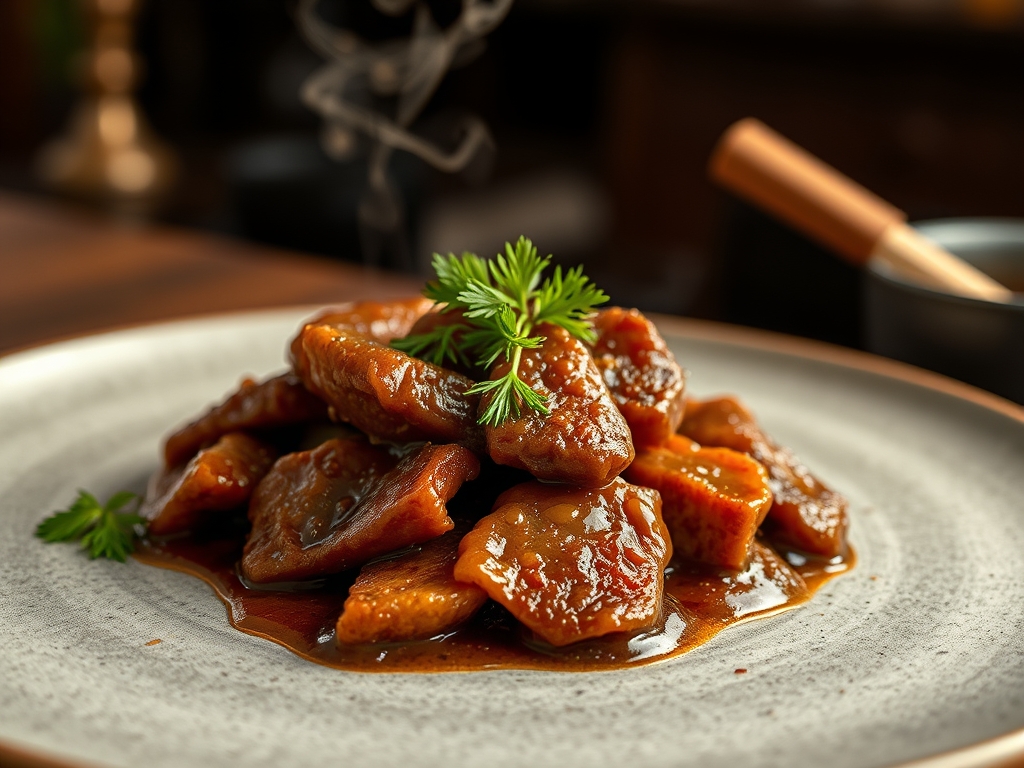
Imagine the smell of a heavy-bottomed skillet screaming hot on the stove; the air is thick with the scent of rendering fat and the sharp, bright promise of sugar hitting high heat. We are moving past the basic salt and pepper routine to explore the complex world of sweet beef recipes. This is where chemical magic happens.
When you introduce sweetness to a savory protein like beef, you are not just making dessert for dinner. You are engaging in a sophisticated balancing act that enhances the natural umami of the meat. The sugar acts as a catalyst for the Maillard reaction; that glorious chemical dance between amino acids and reducing sugars that creates the crust we all crave. Whether it is a dark, viscous balsamic glaze or a bright, piquant apricot reduction, these pairings elevate a humble cut of meat into a multi-dimensional experience. We are going to dive into ten specific pairings that prove sugar and spice are the ultimate power couple in your kitchen.
The Gathers:
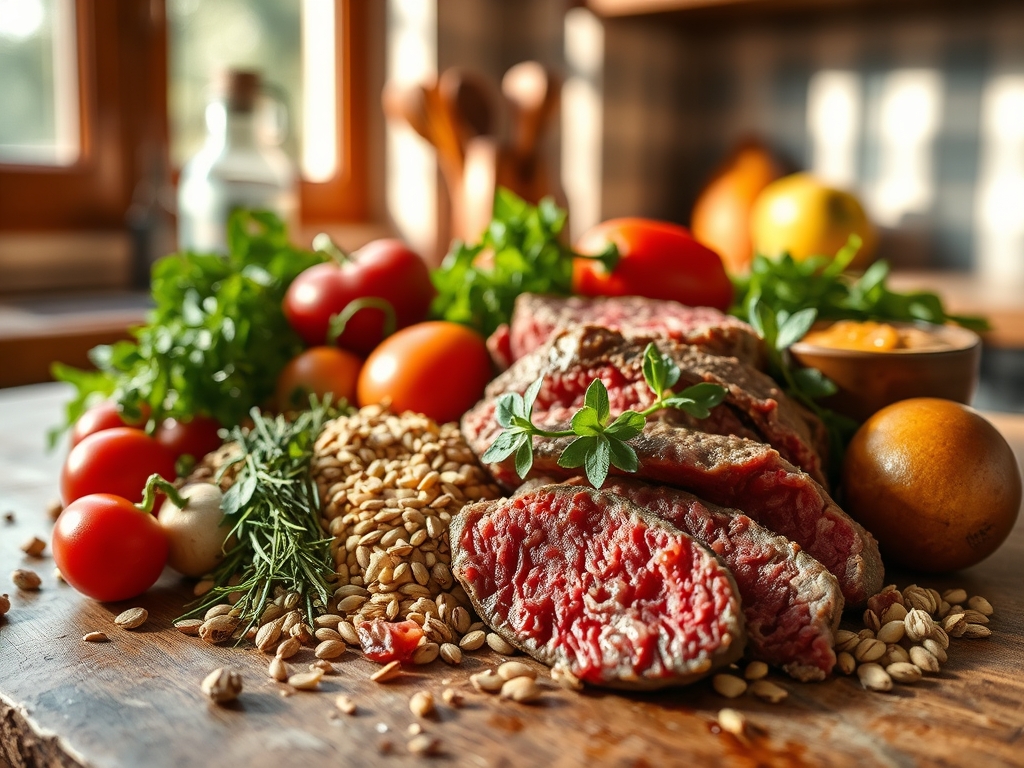
To master these sweet beef recipes, your mise-en-place must be precise. Start with your protein; look for marbling that indicates intramuscular fat, which will render down and carry the sweet flavors deep into the muscle fibers. You will need a high-quality honey or maple syrup to provide the base for your glazes. These sugars have different moisture contents; honey is more hygroscopic, meaning it attracts water, which helps create a tacky, clingy sauce.
Next, gather your aromatics. Fresh ginger and garlic are non-negotiable for that sharp contrast. Use a microplane to grate these into a fine paste; this increases the surface area and allows the essential oils to infuse the sauce more rapidly. You will also need an acid, like rice vinegar or lime juice, to provide a bright top note that prevents the sweetness from becoming cloying.
Smart Substitutions:
If you are watching your glycemic index, use a liquid monk fruit sweetener or allulose. Allulose is particularly effective because it browns and caramelizes almost exactly like sucrose. If you lack fresh ginger, a dash of ground ginger provides a more concentrated, spicy heat, but use it sparingly as it lacks the floral notes of the fresh root. For a soy-free option, coconut aminos offer a natural, subtle sweetness with significantly less sodium.
The Clock
Efficiency in the kitchen is about understanding the "Chef's Flow." For most of these pairings, your active prep time will sit at approximately 20 minutes. This involves the precision dicing of aromatics and the whisking of your glaze components in a small saucier.
The cooking time varies by cut. A thin-sliced flank steak for a Mongolian-style sweet beef requires only 5 to 7 minutes of high-heat searing. However, if you are working with short ribs in a plum nectar braise, you are looking at a 3-hour investment. The "Flow" means prepping your cold components while the meat is tempering on the counter. Never throw cold beef into a hot pan; it drops the temperature and leads to steaming rather than searing. Allow 30 minutes for the meat to reach room temperature before the first flame is lit.
The Masterclass
1. The Sear and Render
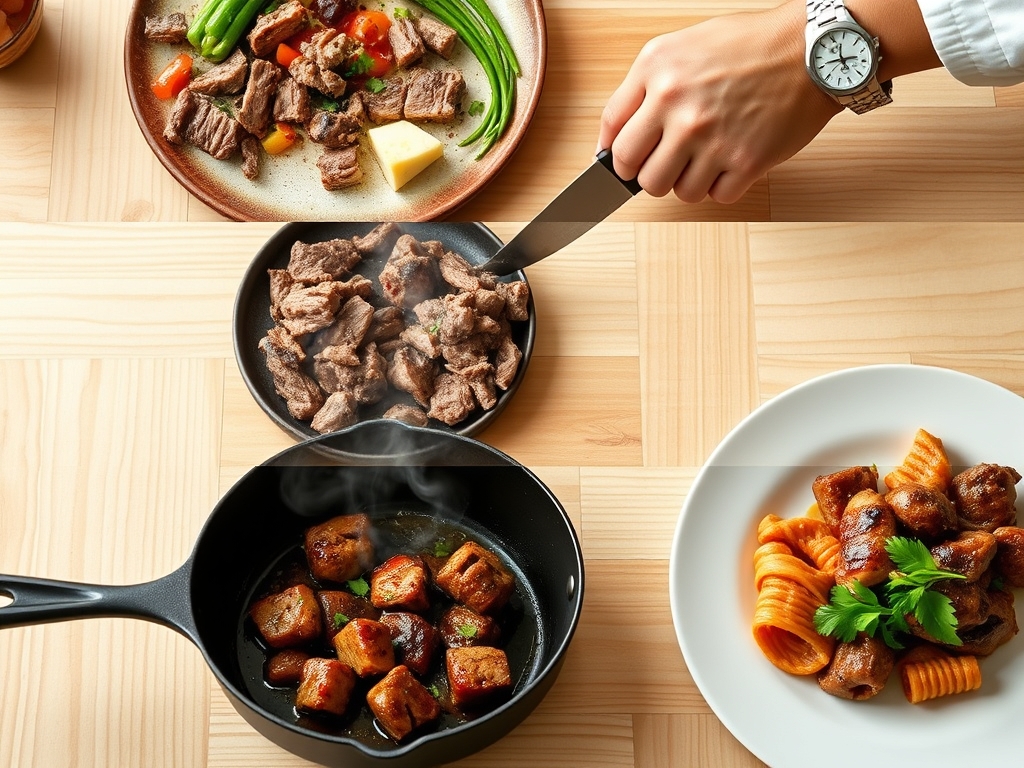
Pat your beef bone-dry with paper towels. Any surface moisture will turn to steam and prevent browning. Use your heavy-bottomed skillet and heat oil until it reaches its smoke point. Lay the beef away from you to avoid splashes.
Pro Tip: This is the science of Enzymatic Browning. By removing moisture, you allow the surface temperature to exceed 300 degrees Fahrenheit, which is the threshold for the Maillard reaction to create complex flavor compounds.
2. Deglazing the Fond
Once the beef is browned and removed, you will see brown bits stuck to the pan. This is "fond," and it is concentrated flavor. Pour in your sweet liquid—perhaps a cherry reduction or honey-soy mix—and use a wooden spoon or bench scraper to lift those bits.
Pro Tip: The alcohol or acid in your liquid acts as a solvent. This process, known as deglazing, incorporates the caramelized proteins back into the sauce for a deeper umami profile.
3. Emulsifying the Sauce
Lower the heat and whisk in a cold knob of butter or a splash of heavy cream to your sweet reduction. Use a whisk to aerate the mixture until it becomes glossy and thick.
Pro Tip: This creates a fat-in-water emulsion. The cold fat particles are suspended in the sugary liquid, creating a viscous texture that coats the back of a spoon and clings to the beef perfectly.
4. The Rest and Carryover
Move the beef to a cutting board and let it sit for at least ten minutes before slicing. This is the hardest part, but it is the most critical for juice retention.
Pro Tip: This accounts for thermal carryover. The internal temperature will continue to rise by 5 to 10 degrees. Resting allows the muscle fibers to relax and reabsorb the internal juices that were pushed to the center during cooking.
The Deep Dive
From a macro perspective, sweet beef recipes are protein powerhouses. A standard 6-ounce serving of lean beef provides roughly 40 grams of protein. While the addition of sugars increases the carbohydrate count, using natural fruit purees or honey provides trace minerals like potassium and antioxidants.
Dietary Swaps:
For a Keto version, swap the sugar for erythritol and use xanthan gum as a thickening agent instead of cornstarch. For a Vegan "beef" alternative, use extra-firm tofu or seitan. Press the tofu for 30 minutes to remove water so it can absorb the sweet marinade just as effectively as bovine muscle.
The Fix-It:
- The Sauce is Too Thin: Create a slurry of one teaspoon cornstarch and one teaspoon cold water. Whisk it into the simmering sauce; the heat will cause the starch granules to swell and gelatinize.
- The Sugar Burnt: If the pan smells acrid, the sugar has carbonized. You cannot fix this. Discard the sauce, wipe the pan, and start over at a lower temperature.
- The Meat is Tough: This usually means the connective tissue didn't break down. If it is a braise, add more liquid and continue cooking at a low simmer; time is the only cure for collagen.
Meal Prep:
When reheating, do not use the microwave; it toughens the protein fibers. Instead, use a saucier on the stove over low heat. Add a tablespoon of broth to "loosen" the sugars and restore the original viscosity of the glaze.
The Wrap-Up
Cooking is a sensory conversation between you and your ingredients. By embracing sweet beef recipes, you are expanding your culinary vocabulary and mastering the art of balance. These ten pairings—from blackberry-glazed sirloin to honey-sriracha brisket—are designed to challenge your palate and impress your guests. Grab your tongs, trust the science of the sear, and don't be afraid to let those sugars caramelize into something truly magical. Your kitchen is your laboratory; go make something delicious.
The Kitchen Table
Why does sugar help brown beef faster?
Sugar accelerates the Maillard reaction by providing additional carbonyl groups that react with the meat's amino acids. This creates a dark, flavorful crust at lower temperatures than protein would achieve alone, enhancing both the color and the complex aroma.
Can I use frozen beef for these recipes?
Yes, but you must thaw it completely in the refrigerator first. Pat the surface extremely dry before cooking. Frozen beef often releases more moisture, which can interfere with the caramelization process and lead to a gray, steamed texture.
What is the best cut for sweet glazes?
Flank steak or skirt steak are ideal for quick, sweet glazes because their coarse grain holds onto thick sauces. For longer, slow-cooked sweet recipes, chuck roast or short ribs provide the necessary fat to balance the sugar.
How do I prevent honey from burning in the pan?
Add honey-based glazes during the final minutes of cooking or use a lower heat setting. Because honey has a low burn point, it can turn bitter quickly. Use a digital thermometer to ensure the pan stays below 350 degrees.
Is there a way to make these recipes less sweet?
Balance the sugar with increased acidity or heat. Adding a splash of apple cider vinegar or a teaspoon of red pepper flakes will cut through the sweetness, providing a more balanced, savory-forward profile while still benefiting from the sugar's browning properties.