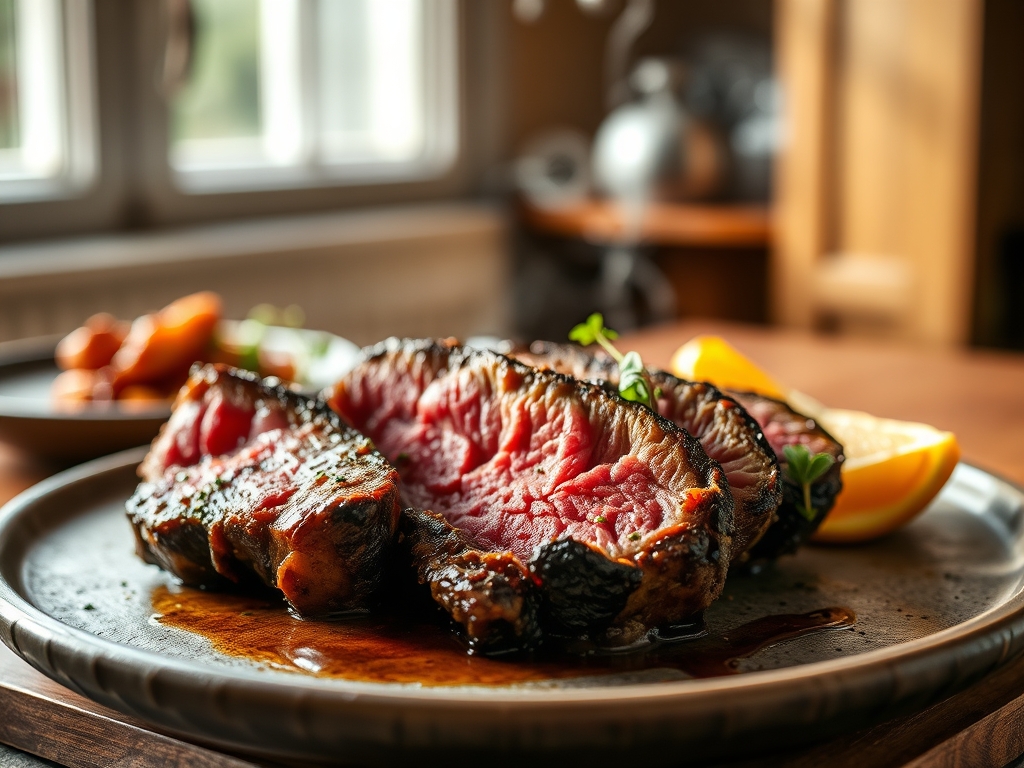
Picture a cold Sunday afternoon where the air in your kitchen grows heavy with the scent of rendered fat and rosemary. That is the magic of the ultimate Sunday dinner. Finding the best prime roast beef recipes is not just about following a list of instructions; it is about mastering the chemical transformation of a tough muscle into a velvet masterpiece.
Whether you are hosting a holiday gala or just treating yourself to a luxurious weekend meal, the secret lies in the details. We are talking about that specific, deep mahogany crust and a center so pink it looks like a sunset. It is time to move past basic roasting and embrace the technical precision that separates a home cook from a professional chef. Grab your favorite apron and a glass of wine; we are diving into the science of the perfect roast.
The Gathers:
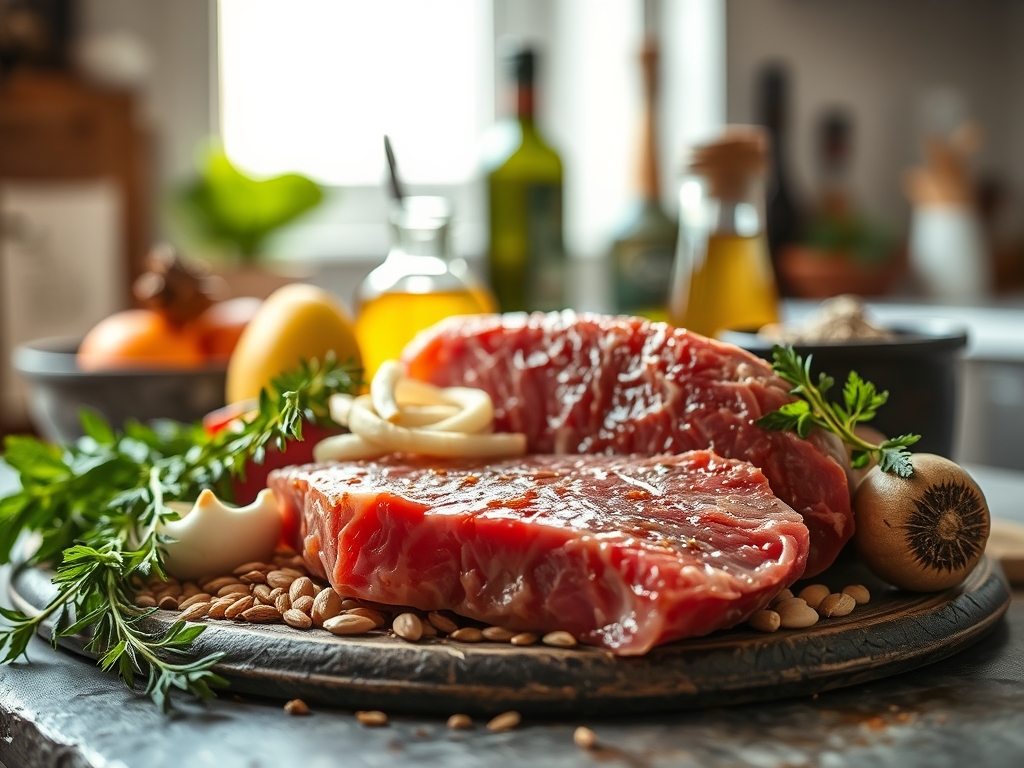
Before we even think about preheating the oven, we must curate our mise-en-place. For a world-class roast, you need a standing rib roast or a high-quality top round. Look for heavy intramuscular marbling; those white flecks of fat are what will eventually render into a viscous, flavor-packed juice. You will need coarse kosher salt for its jagged crystal structure, which adheres better to the meat, and freshly cracked black pepper.
Your aromatic arsenal should include garlic cloves, sprigs of woody rosemary, and thyme. To finish the sauce, gather cold unsalted butter and a splash of dry red wine for that essential deglaze.
Smart Substitutions:
If you cannot find a prime rib, a tri-tip is an excellent, more affordable substitute that retains a similar beefy punch. For those avoiding dairy, replace the butter in the final pan sauce with a high-quality avocado oil to maintain a high smoke point while still achieving a rich mouthfeel. If you are out of fresh herbs, a concentrated herb paste can work, but avoid dried flakes as they tend to burn and turn bitter under high heat.
The Clock
Efficiency in the kitchen is all about the Chef's Flow. This is the art of overlapping tasks so that nothing sits idle.
- Tempering (The Chill Out): 2 hours. Never put a cold roast in a hot oven.
- Active Prep: 20 minutes. This includes trimming, tying, and seasoning.
- The Roast: 15 to 20 minutes per pound. This varies wildly based on your oven's calibration.
- The Rest: 30 to 45 minutes. This is non-negotiable.
The flow works like this: While the meat tempers on the counter, you prep your side dishes. While the meat roasts, you clean your station and prep the saucier for the jus. By the time the meat is resting, you are finishing your vegetables, ensuring everything hits the table at the exact same temperature.
The Masterclass
1. The Dry Brine
Generously coat your beef in kosher salt at least 24 hours in advance, leaving it uncovered in the refrigerator on a wire rack. This allows the salt to penetrate the protein fibers through osmosis.
Pro Tip: This process creates a "dry" surface which is essential for the Maillard reaction. By removing surface moisture, the heat can immediately begin browning the proteins rather than wasting energy evaporating water.
2. Tempering the Protein
Take the meat out of the fridge two hours before cooking. Use a digital scale to confirm the weight so you can calculate your timing with mathematical certainty.
Pro Tip: Tempering prevents a "gray ring" of overcooked meat. If the center is ice-cold, the exterior will overcook by the time the middle reaches a safe temperature.
3. The High-Heat Blast
Start your roast at 450 degrees Fahrenheit for the first 15 minutes. Use a heavy-bottomed roasting pan to ensure even heat distribution without warping.
Pro Tip: This initial blast triggers enzymatic browning. The high heat causes the sugars and amino acids on the surface to fuse, creating hundreds of new flavor compounds that give the roast its "meaty" aroma.
4. The Low and Slow Descent
Drop the oven temperature to 325 degrees Fahrenheit. Insert a probe thermometer into the thickest part of the meat, avoiding any bone or fat pockets.
Pro Tip: Lowering the heat allows the collagen to slowly break down into gelatin without tightening the muscle fibers too quickly. This results in a more tender, succulent bite.
5. The Deglaze and Infuse
Once the meat is removed, place the roasting pan over two burners. Add wine and use a bench scraper or wooden spoon to lift the fond (the brown bits) from the bottom.
Pro Tip: The fond is a concentrated essence of the roast. Adding a splash of something acidic, like wine or vinegar, balances the heavy fats and creates a piquant finish to your sauce.
6. The Sacred Rest
Transfer the roast to a carving board and tent it loosely with foil. Do not touch it for at least 30 minutes.
Pro Tip: This accounts for thermal carryover. The internal temperature will rise by 5 to 10 degrees after leaving the oven. Resting also allows the internal juices to redistribute; if you cut it too soon, the liquid will flood the board, leaving the meat dry.
The Deep Dive
Macro Nutrition: Prime roast beef is a powerhouse of protein and B vitamins. A standard 6-ounce serving provides roughly 45g of protein and 30g of fat. It is naturally zero-carb, making it a staple for specific lifestyles.
Dietary Swaps:
- Keto: This recipe is naturally keto-friendly. Ensure your jus is thickened with a reduction rather than flour.
- Vegan: For guests, a "roast" made of seitan can be treated with similar aromatics. Use liquid smoke to mimic the deep, charred flavor of beef.
- Gluten-Free: Use cornstarch or a long reduction to thicken your gravy instead of a traditional flour roux.
The Fix-It:
- Too Rare: If you slice in and it is too blue, do not panic. Place individual slices in a hot pan with a tablespoon of broth for 30 seconds per side.
- Tough Texture: This usually means the meat didn't rest long enough. Let the remaining roast sit longer, or slice it paper-thin against the grain to break up the fibers.
- Bland Crust: If the crust lacks punch, use a microplane to zest some fresh horseradish over the top just before serving to add an immediate aromatic lift.
Meal Prep: To reheat without losing quality, avoid the microwave. Place slices in a shallow dish with a bit of beef stock, cover with foil, and warm in a 250-degree oven until just heated through. This gently steams the meat, keeping it moist.
The Wrap-Up
Mastering prime roast beef recipes is a rite of passage for any serious home cook. It requires patience, a bit of scientific understanding, and the right tools. From the initial salt brine to the final rest, every step is designed to maximize flavor and texture. Now that you have the blueprint, go forth and create a centerpiece that your friends will be talking about for months. You have the skills; now go get the roast!
The Kitchen Table
What is the best cut for roast beef?
The standing rib roast is the gold standard for flavor and fat content. However, for a leaner, more budget-friendly option, the top round or "London Broil" provides excellent results when sliced thin against the grain.
How do I get a crispy crust on my roast?
The secret is a 24-hour dry brine in the refrigerator. Salt draws out moisture, and the cold air of the fridge dries the surface, allowing the Maillard reaction to occur more efficiently during the high-heat roasting phase.
What temperature is medium-rare for beef?
Pull your roast out of the oven when the internal temperature hits 125 degrees Fahrenheit. During the resting period, carryover cooking will bring the final temperature to a perfect 130 to 135 degrees Fahrenheit for medium-rare.
Can I cook a roast beef from frozen?
It is not recommended. Cooking from frozen leads to uneven heat distribution, leaving the outside overcooked and dry while the center remains raw. Always thaw your meat completely in the refrigerator and temper it before roasting.