
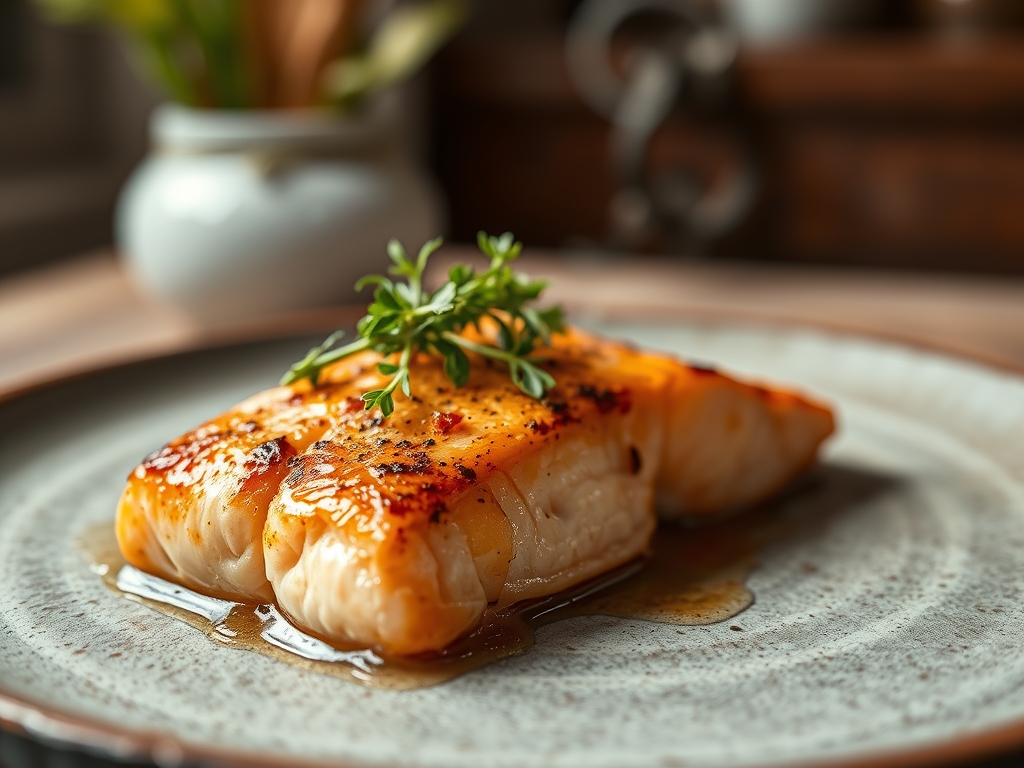
Imagine the hiss of cold protein hitting a shimmering layer of olive oil; it is the sound of a transformation that bridges the gap between a simple weeknight meal and a coastal escape to San Sebastian. When you are hunting for the perfect salmon recipes spanish style, you are looking for more than just a piece of fish. You are seeking that specific alchemy where the piquant snap of vinegar meets the deep, smoky soul of pimenton. Spanish cuisine is a masterclass in restraint and quality, relying on the aggressive searing of skin and the delicate infusion of aromatics to elevate a fatty fillet into something transcendent. We are moving beyond the boring lemon-pepper routine. Instead, we are diving into a world of vibrant saffron hues, salty caper pops, and the kind of crispy skin that shatters like stained glass. This guide is your ticket to mastering the bold, rustic elegance of the Iberian Peninsula right in your own kitchen; let us get the skillet screaming hot and the wine chilled.
The Gathers:
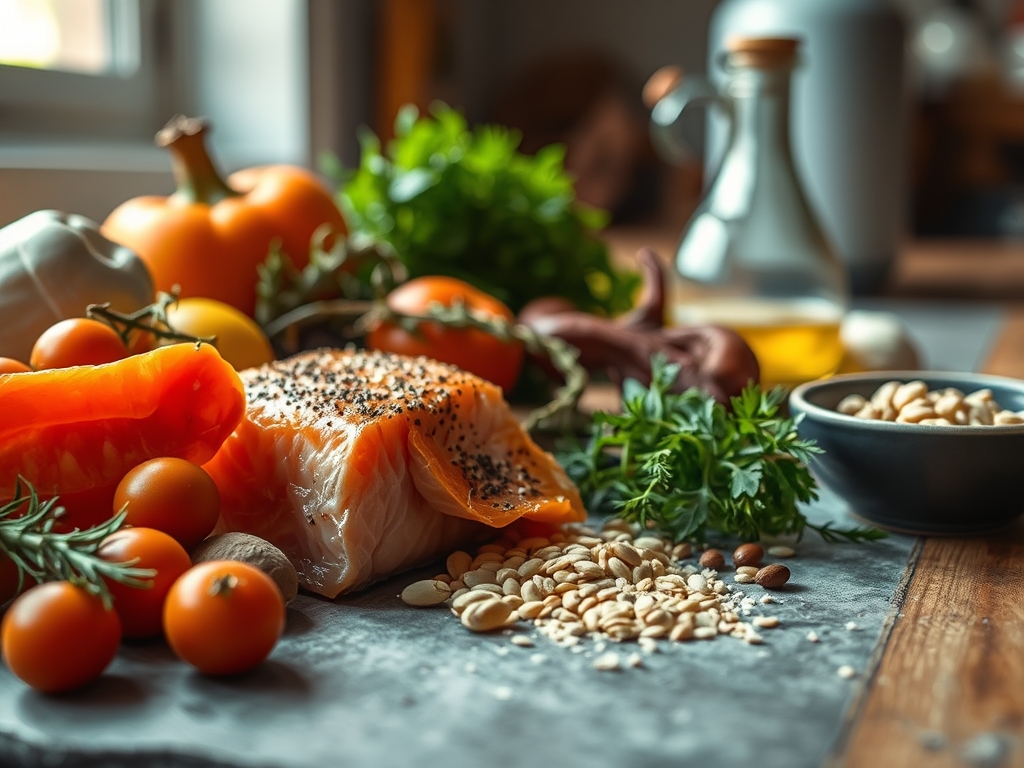
To execute these salmon recipes spanish style with precision, your mise-en-place must be impeccable. Start with center-cut Atlantic or King salmon fillets; these varieties possess the high intramuscular fat content necessary to withstand high-heat searing without drying out. You will need high-quality Pimenton de la Vera, a smoked paprika that provides a viscous, earthy base for your rub. Gather fresh garlic cloves, which we will slice into paper-thin laminas using a sharp chef knife to ensure they crisp rather than burn.
For the acidic backbone, grab a bottle of Sherry vinegar (Vinagre de Jerez); its complex, nutty profile is far superior to standard white wine vinegar. You will also need extra virgin olive oil with a high smoke point, such as a Picual variety, to render the salmon skin effectively. Smart Substitutions: If you cannot find Sherry vinegar, a dry white wine mixed with a pinch of sugar can mimic the profile. For a lower-sodium kick, swap traditional olives for caper berries to maintain that briny, Mediterranean punch. Always use a digital scale to measure your spices; precision is the difference between a hint of smoke and an overwhelming char.
The Clock
Efficiency in the kitchen is about understanding the Chef's Flow. This recipe requires 15 minutes of active preparation and exactly 12 minutes of thermal contact. The total time from fridge to table is roughly 30 minutes, but the sequence is vital. Spend the first 10 minutes tempering your fish at room temperature; this prevents the muscle fibers from seizing when they hit the heat. While the fish tempers, use a microplane to zest your citrus and a saucier to prep your warm vinaigrette. The actual cook time is a fast-paced 8 to 10 minutes, followed by a mandatory 3-minute rest period. This rest allows for thermal carryover, ensuring the center reaches a perfect medium-rare while the exterior remains crisp.
The Masterclass
1. Temper and Desiccate the Surface
The secret to a world-class sear is moisture management. Use heavy-duty paper towels to pat the salmon fillets until the skin is bone-dry. Let them sit on a wire rack for 10 minutes to reach ambient temperature.
Pro Tip: This process facilitates the Maillard reaction. If the skin is wet, the energy from the pan is wasted evaporating water through steam rather than browning the proteins, resulting in rubbery skin.
2. The Pimenton Infusion
Rub the flesh side of the salmon with a blend of smoked paprika, sea salt, and a touch of cumin. Use your fingers to massage the spices into the grain of the meat.
Pro Tip: Spices are fat-soluble. By rubbing them directly onto the oily surface of the salmon, you allow the flavor compounds to infuse the fat before heat is even applied, deepening the flavor profile.
3. Achieving the Perfect Render
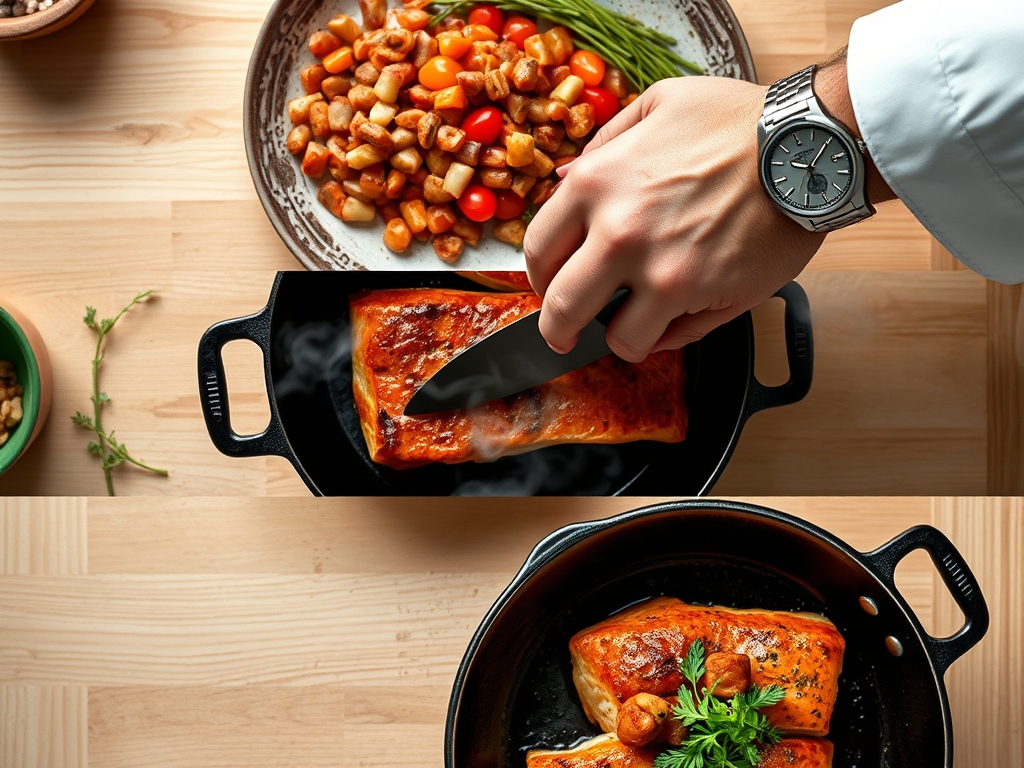
Heat a heavy-bottomed skillet over medium-high heat until the oil begins to shimmer and reach its smoke point. Place the salmon skin-side down and press firmly with a fish spatula for 30 seconds.
Pro Tip: Pressing the fish prevents the skin from curling. This ensures maximum surface area contact, allowing the subcutaneous fat to render out, which fries the skin in its own natural oils for a potato-chip texture.
4. The Garlic Laminas
Once the skin is crispy (about 5 minutes), toss in your thinly sliced garlic and a sprig of rosemary. Tilt the pan so the oil pools at the bottom, and use a large spoon to baste the hot, garlic-scented oil over the raw top of the fish.
Pro Tip: Basting creates a gentle poaching effect on the top layers. This "Arrosage" technique cooks the fish from both sides without the risk of breaking the delicate flesh by flipping it too early.
5. Deglaze and Emulsify
Pour a splash of Sherry vinegar and a handful of halved cherry tomatoes into the pan. Use a bench scraper or wooden spoon to scrape up the browned bits (fond) from the bottom.
Pro Tip: This is the process of deglazing. The acid in the vinegar releases the concentrated sugars stuck to the pan, creating a built-in pan sauce that is naturally thickened by the salmon's released fats.
6. The Final Rest
Remove the salmon from the pan when the internal temperature hits 125 degrees Fahrenheit. Place it on a warm plate and pour the pan juices over it.
Pro Tip: Thermal carryover will raise the internal temperature by another 5 to 7 degrees while the fish rests. Removing it early ensures a buttery, translucent center rather than a chalky, overcooked texture.
The Deep Dive
From a nutritional standpoint, this dish is a powerhouse of Omega-3 fatty acids and high-quality protein. One serving typically contains 35g of protein and 22g of healthy fats, making it an ideal candidate for Keto and Paleo lifestyles. For a Vegan swap, use thick slabs of cauliflower or king oyster mushrooms, though you will need to increase the oil to mimic the salmon's natural fat. If you are Gluten-Free, you are already safe; just ensure your smoked paprika is certified GF.
The Fix-It: Common Pitfalls
- The Skin Sticks: This happens if the pan is not hot enough or if you try to move the fish too soon. Wait for the protein to naturally release from the metal.
- The Garlic is Bitter: If your garlic turns dark brown, it will taste acrid. Add it only in the last 3 minutes of cooking.
- The Sauce is Broken: If the oil and vinegar separate, whisk in a teaspoon of cold water or mustard to aerate and re-emulsify the mixture.
Meal Prep & Reheating
To maintain "day-one" quality, never microwave salmon. The high frequency vibrates water molecules so violently that it toughens the protein. Instead, reheat in a 300-degree oven with a splash of water covered in foil, or serve it cold over a massaged kale salad for a refreshing lunch.
The Wrap-Up
Mastering salmon recipes spanish style is about embracing the heat and the harmony of bold ingredients. You have learned to manage moisture for that perfect crunch, the science of fat-soluble spice infusion, and the art of the pan-sauce emulsion. This dish is vibrant, sophisticated, and surprisingly fast; a true testament to the beauty of Spanish coastal cooking. Now, grab your tongs, fire up that skillet, and show your kitchen what a real sear looks like.
The Kitchen Table
How do I get the skin extra crispy?
Ensure the skin is completely dry before hitting the pan. Use a heavy-bottomed skillet and press the fillet down with a spatula for the first 30 seconds to maximize contact and render the fat efficiently.
Can I use frozen salmon for this recipe?
Yes, but thaw it completely in the refrigerator first. Pat it exceptionally dry with paper towels, as frozen fish tends to release more moisture, which can interfere with the searing process and the Maillard reaction.
What is the best side dish for Spanish salmon?
A classic pairing is saffron-infused rice or crispy "patatas bravas." For a lighter option, a simple salad of shaved fennel and oranges provides a crisp, acidic contrast to the rich, smoky flavors of the fish.
How do I know when the salmon is done?
Use a digital thermometer to check for an internal temperature of 130 degrees Fahrenheit for medium. Alternatively, the flesh should just begin to flake when pressed gently with a fork, remaining slightly translucent in the very center.