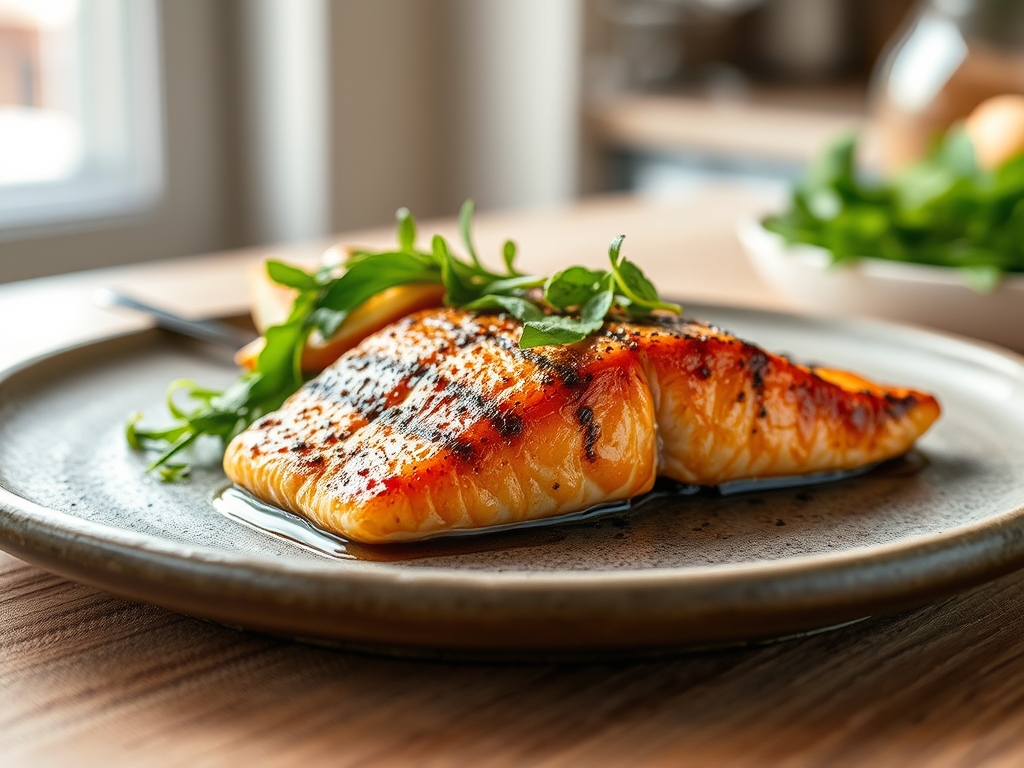
Close your eyes and listen for that distinct, rhythmic hiss. It is the sound of cold protein meeting a white-hot grate. When you master char grilled salmon recipes, you are not just cooking dinner; you are managing a complex series of chemical reactions that transform a delicate fillet into a masterpiece of texture and taste. We are chasing that elusive contrast between a shatteringly crisp, smoky exterior and a center so buttery it practically melts upon contact with your tongue. Most home cooks fear the grill because salmon is notoriously temperamental. It sticks, it flakes, and it dries out in the blink of an eye. But today, we are leaning into the science of heat transfer and moisture retention to ensure your fish is flawless every single time. We will use high-intensity heat to trigger the Maillard reaction while keeping the internal structure luscious. Grab your apron and your favorite tongs. We are about to elevate your backyard barbecue into a five-star culinary experience.
The Gathers:
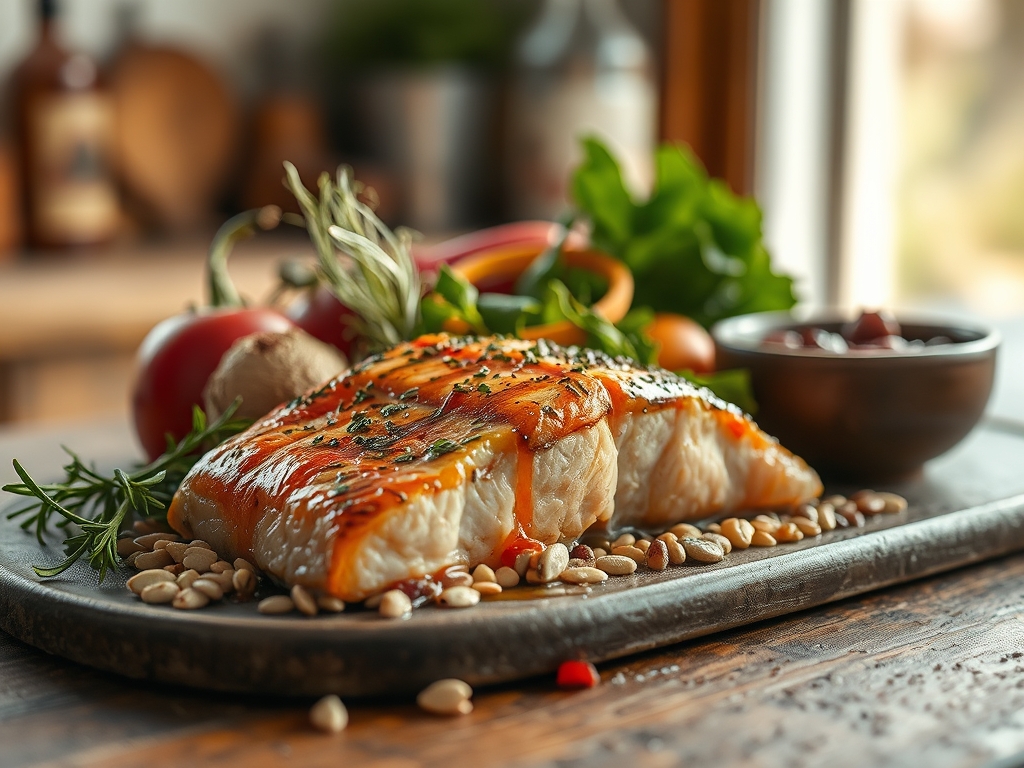
The foundation of a perfect char begins with the quality of your fat and the dryness of your skin. To achieve that piquant, smoky crust, your mise-en-place must be precise. Start with center-cut Atlantic or King salmon fillets. These varieties possess a high lipid content that allows the fat to render beautifully without the flesh becoming fibrous. You will need a high-smoke-point oil, such as avocado or grapeseed oil, to coat the grates. Avoid extra virgin olive oil for the initial sear; its low smoke point will create bitter, acrid flavors when exposed to direct flame.
For the seasoning, use a digital scale to measure out coarse kosher salt and freshly cracked black pepper. The larger grains of kosher salt draw out surface moisture more effectively than table salt. You will also need a microplane to zest fresh lemons and grate garlic into a fine, viscous paste for your finishing glaze.
Smart Substitutions:
If you are out of avocado oil, refined coconut oil works well due to its thermal stability. For those avoiding citrus, a splash of verjus or white balsamic vinegar provides that necessary acidic brightness to cut through the fatty richness of the fish. If you prefer a wood-fired profile without a smoker, a tiny drop of liquid smoke infused into your oil rub can mimic that deep, charred essence.
The Clock
Efficiency in the kitchen is all about the "Chef's Flow." This is the art of synchronizing your prep so that nothing sits idle for too long.
Prep Time: 15 Minutes. This includes the critical "air-dry" phase. You must pat the salmon dry with lint-free paper towels and let it sit uncovered in the refrigerator. This allows the surface proteins to tighten, ensuring a better sear.
Cook Time: 8 to 12 Minutes. This varies based on the thickness of the fillet. We aim for an internal temperature of 125 degrees Fahrenheit for a perfect medium-rare.
Rest Time: 5 Minutes. Never skip this. Resting allows the muscle fibers to relax and reabsorb the juices that were pushed to the center during the cooking process.
The Masterclass
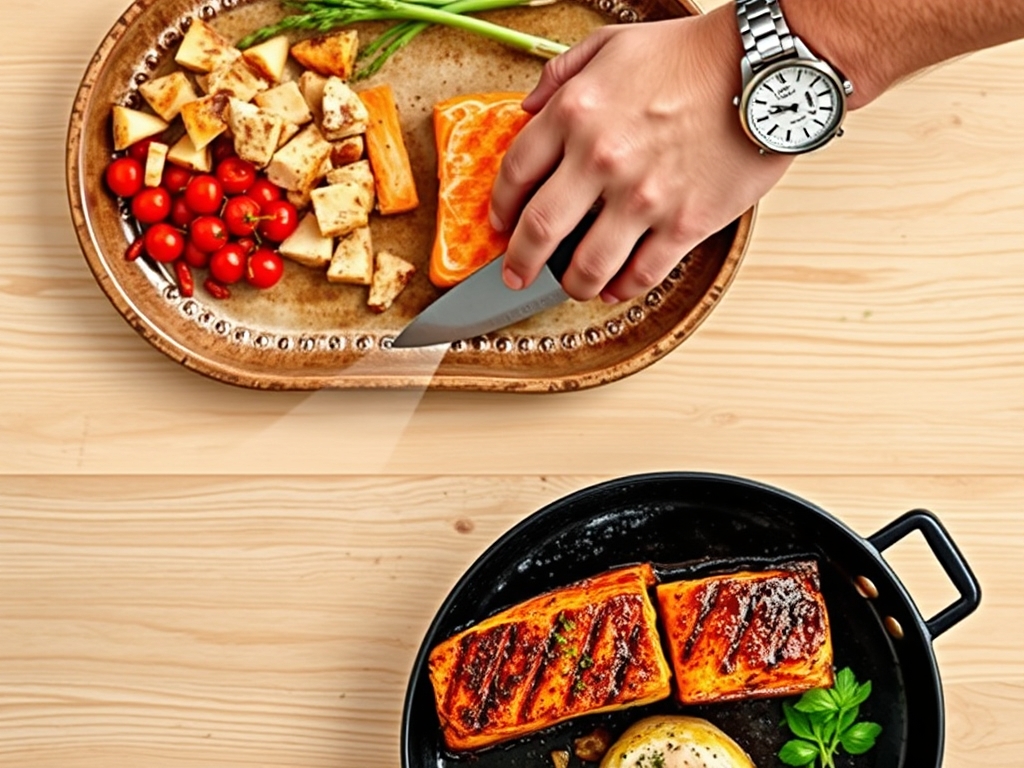
1. The Desiccation Ritual
Before the fish ever touches the heat, you must remove every microscopic drop of surface moisture. Use a bench scraper to gently press against the skin side, squeegeeing away excess water.
Pro Tip: This process facilitates the Maillard reaction, a chemical reaction between amino acids and reducing sugars that gives browned food its distinctive flavor. Water is the enemy of the crust; if the skin is wet, it will steam rather than sear.
2. The Oil Barrier
Generously coat both the grill grates and the fish itself. Use a folded paper towel held by tongs to wipe the hot grates with oil until they shine.
Pro Tip: This creates a temporary non-stick polymer layer. Salmon contains delicate connective tissues that break down easily; the oil acts as a thermal buffer to prevent the proteins from bonding to the metal.
3. High-Heat Initiation
Place the salmon skin-side down on the hottest part of the grill. Do not move it. Press down lightly with a heavy-bottomed skillet or a grill press for the first 30 seconds to ensure total surface contact.
Pro Tip: This initial blast of heat causes protein denaturation, where the coiled proteins in the fish begin to unfold and bridge together, creating that firm, crispy skin structure.
4. The Flip and Infuse
Once the skin releases naturally from the grate, flip the fillet. This is the time to brush on a glaze using a saucier to keep your sauce warm and fluid.
Pro Tip: Moving the fish too early results in "tearing." The fish will tell you when it is ready to flip; once the moisture has evaporated from the surface, the bond between the fish and the grate weakens.
5. Thermal Carryover Management
Remove the salmon from the heat when it is 5 degrees below your target temperature. Place it on a warm plate and tent it loosely with foil.
Pro Tip: Thermal carryover is the phenomenon where the exterior heat continues to travel toward the center even after the heat source is removed. Ignoring this leads to overcooked, chalky fish.
The Deep Dive
Macro Nutrition:
Salmon is a nutritional powerhouse. A 6-ounce fillet typically contains 34 grams of high-quality protein and 15 grams of healthy fats, primarily Omega-3 fatty acids. It is naturally low in carbohydrates, making it a staple for many lifestyles.
Dietary Swaps:
- Vegan: Use a thick slice of "King Oyster Mushroom" or "Watermelon Steak" treated with liquid smoke and seaweed flakes to mimic the oceanic salinity.
- Keto: Stick to the base recipe but swap any honey-based glazes for a compound butter infused with herbs and lemon.
- Gluten-Free: Ensure your soy sauce substitutes are Tamari or Coconut Aminos to avoid hidden wheat.
The Fix-It:
- The Fish is Sticking: Do not force it. Close the grill lid for 60 seconds. The steam created will often help the proteins release from the metal.
- Albumin Leakage: If you see white "goo" seeping out, your heat is too high. This is albumin, a protein that escapes when the muscle fibers contract too violently. Lower the heat immediately.
- Flaring Flames: If fat drippings cause a fire, move the fish to the "cool zone" of the grill (indirect heat) until the flames subside.
Meal Prep & Reheating:
To maintain "day-one" quality, do not microwave your leftovers. Microwaves agitate water molecules, which toughens the fish. Instead, place the salmon in a shallow dish with a tablespoon of water, cover with foil, and warm in a 275-degree oven. This gentle steaming method preserves the delicate fats.
The Wrap-Up
Mastering char grilled salmon recipes is a rite of passage for any serious home cook. It requires a balance of raw fire and delicate timing. By understanding the chemistry of the Maillard reaction and the physics of heat transfer, you move away from guesswork and into the realm of culinary authority. Remember to keep your tools clean, your grates oiled, and your patience high. There is nothing quite like the pride of serving a perfectly charred, smoky fillet that flakes at the mere suggestion of a fork. Now, get out there and fire up that grill!
The Kitchen Table
How do I prevent salmon from sticking to the grill?
Ensure your grates are scrubbed clean and heavily oiled. Most importantly, pat the salmon completely dry and let it cook undisturbed until it naturally releases from the heat source.
What is the best temperature for grilled salmon?
For a buttery, moist texture, aim for an internal temperature of 125 to 130 degrees Fahrenheit. This is considered medium-rare to medium and prevents the fish from becoming dry or chalky.
Should I leave the skin on when grilling?
Yes, always keep the skin on. It acts as a protective thermal barrier that prevents the delicate flesh from overcooking and provides a delicious, crispy texture contrast to the soft meat.
How long does salmon take to grill?
Generally, salmon takes about 4 to 6 minutes per side per inch of thickness. Always use a digital thermometer to check for doneness rather than relying solely on a timer.