
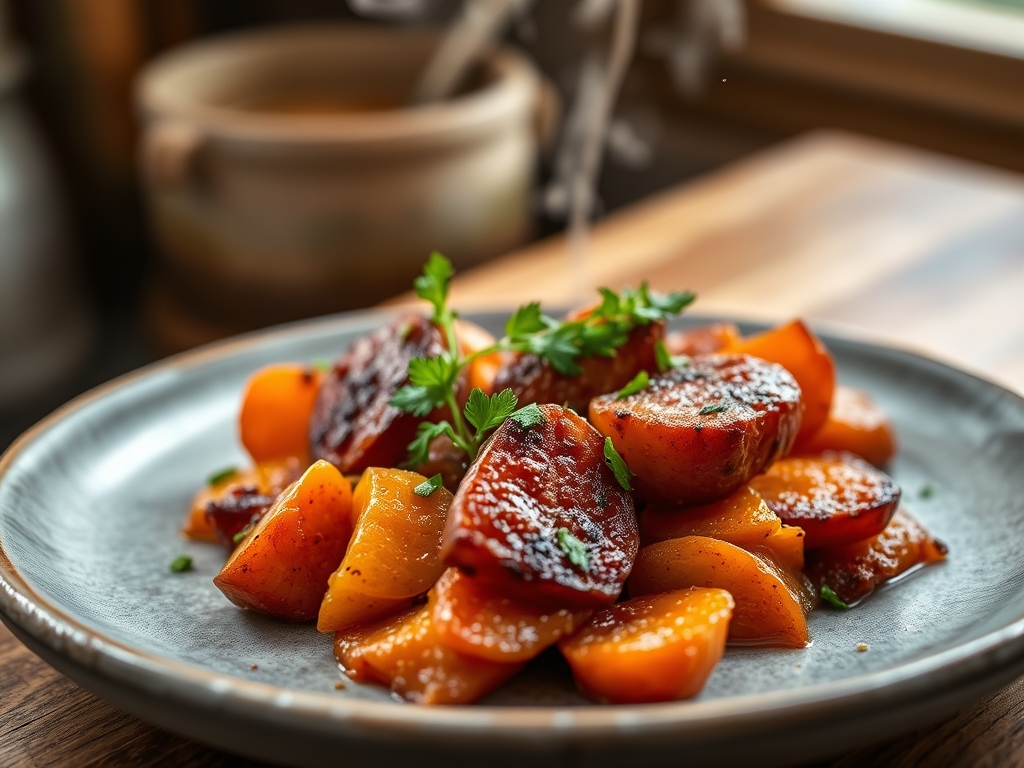
Picture the scent of smoked paprika blooming in hot fat as it hits a cast iron surface. It is the ultimate sensory wake up call. When you master chorizo and sweet potato recipes, you are balancing the aggressive, piquant heat of cured pork against the soft, earthy sugars of a root vegetable. It is a study in culinary equilibrium.
This skillet is not just a meal; it is a chemical reaction that transforms humble pantry staples into a high-octane feast. We are talking about the deep, ruby-red oil rendering out of the chorizo to coat every cube of potato in a savory lacquer. It is the kind of dish that feels indulgent but hits every nutritional high note you need for a busy day.
Whether you are hosting a brunch that needs a punchy centerpiece or you are meal prepping for a week of high-performance fuel, these chorizo and sweet potato recipes are your new secret weapon. We are moving beyond basic frying into the realm of true caramelization and flavor layering. Grab your heavy-bottomed skillet and let us get into the science of why this pairing works so well.
The Gathers:
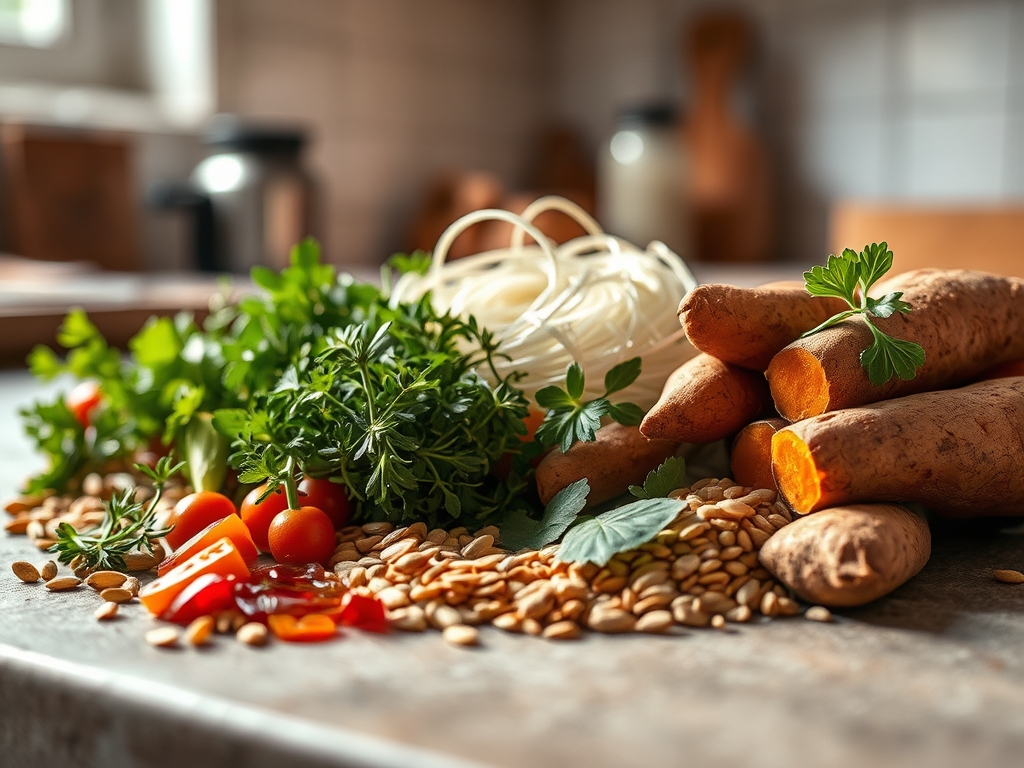
To achieve the perfect texture, your mise-en-place must be precise. Start with 1 pound of high-quality Mexican chorizo. Unlike the cured Spanish variety, Mexican chorizo is raw and requires rendering to release its viscous fats. You will need 2 large Garnet sweet potatoes, cubed into uniform half-inch pieces to ensure even heat distribution. Use a digital scale if you want to be truly professional about your ratios.
For the aromatics, gather one large white onion and three cloves of garlic. You will also need a bunch of fresh cilantro for a bright, herbaceous finish and a lime to provide the necessary citric acid to cut through the fat. Do not forget the "hard" spices: ground cumin, smoked paprika, and a pinch of cayenne.
Smart Substitutions:
If you are looking for a leaner profile, turkey chorizo provides a similar spice profile with less saturated fat. For a plant-based version, soyrizo is an incredible substitute because it mimics the crumbly texture and heavy spice load of the original. If sweet potatoes are too sugary for your palate, swap them for Yukon Golds; however, you will lose the specific anthocyanins and beta-carotene that make the original dish a nutritional powerhouse.
The Clock: Master the Chef's Flow
Efficiency in the kitchen is about managing the thermal inertia of your cookware. Total prep time is 15 minutes, mostly dedicated to dicing your potatoes and aromatics. Total cook time is approximately 25 minutes.
The "Chef's Flow" here is non-linear. You are not just waiting for things to get hot. While the potatoes are par-cooking, you are prepping the garnishes. While the chorizo is rendering, you are cleaning your bench scraper and cutting boards. This overlapping workflow ensures that the moment the heat is turned off, the dish is ready for the table at its peak temperature.
The Masterclass:
1. Par-Boil the Potatoes
Place your cubed sweet potatoes in a pot of cold, salted water and bring to a boil. Cook for only 5 minutes until they are "fork-tender" but not mushy. Drain them thoroughly and let them air dry for two minutes.
Pro Tip: This step utilizes gelatinization. By pre-cooking the starch, you ensure the interior is creamy while the exterior is primed for the Maillard reaction once it hits the oil in the skillet.
2. Render the Chorizo
Heat your heavy-bottomed skillet over medium heat. Add the chorizo, breaking it apart with a wooden spoon or a saucier. Cook until the fat has fully rendered and the meat is starting to crisp at the edges.
Pro Tip: The fat in chorizo is a flavor carrier. It contains fat-soluble compounds from the chiles and garlic that will deeply infuse the potatoes in the next step.
3. Sauté the Aromatics
Push the chorizo to the outer edges of the pan and drop your diced onions into the center. Use the rendered fat to translucently sauté the onions until they are soft. Add the garlic last, using a microplane for a fine paste that integrates instantly.
Pro Tip: Garlic has a high sugar content and low burn point. Adding it at the end prevents enzymatic browning from turning into bitter carbonization.
4. The Crisping Phase
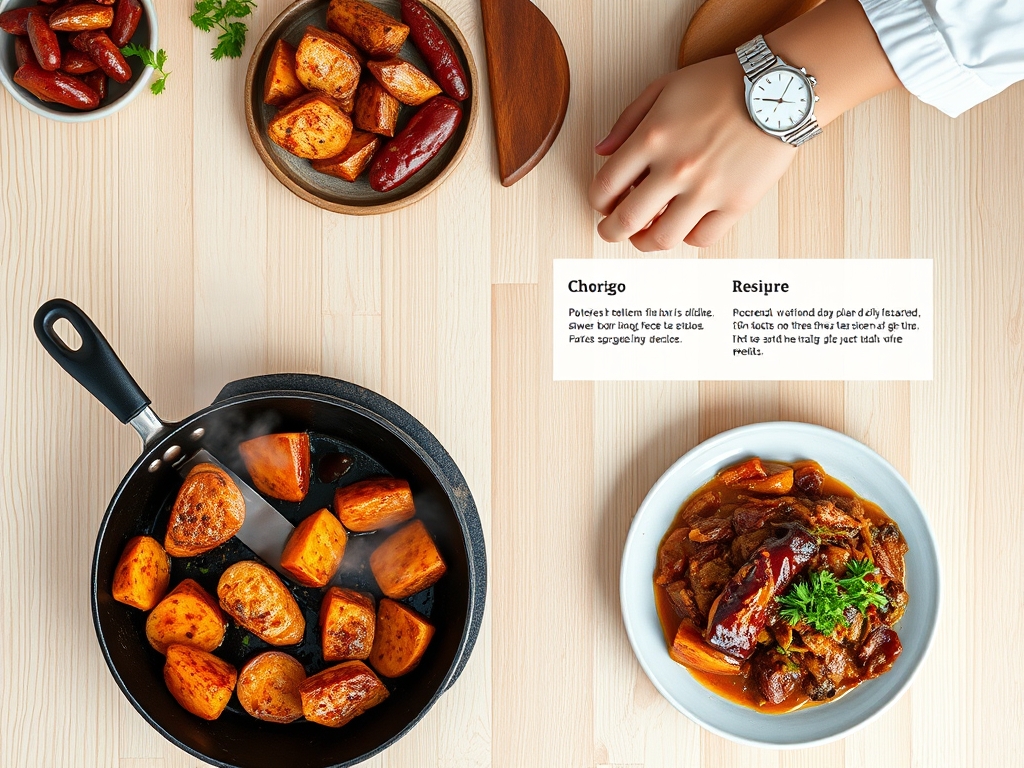
Add the par-boiled sweet potatoes into the skillet with the chorizo and onions. Increase the heat to medium-high. Do not stir immediately; let the potatoes sit for 3 to 4 minutes to develop a crust.
Pro Tip: This is the Maillard reaction in action. The sugars in the potato and the proteins in the meat bond to create hundreds of new flavor compounds and a crunchy texture.
5. Deglaze and Finish
Once everything is crispy, squeeze the juice of half a lime over the pan. Use your tongs to scrape up any browned bits (the fond) from the bottom of the skillet. Toss in fresh cilantro and serve immediately.
Pro Tip: Deglazing with acid creates a steam flash that lifts the flavor-packed fond off the pan and redistributes it across the surface of the food.
The Deep Dive:
Macro Nutrition
A standard serving of this skillet provides a balanced profile of complex carbohydrates, high-quality protein, and healthy fats. You are looking at approximately 350 calories per serving, with 18g of protein and 25g of carbohydrates. The sweet potatoes provide a massive dose of Vitamin A and fiber, which helps regulate blood sugar spikes.
Dietary Swaps
- Vegan: Use soy-based chorizo and replace the honey or sugar in any side sauces with agave.
- Keto: Replace the sweet potatoes with cauliflower florets or radishes. Radishes, when roasted, lose their peppery bite and take on a texture very similar to potatoes.
- GF: This dish is naturally gluten-free, but always check the label on your chorizo to ensure no wheat-based fillers were used during processing.
The Fix-It: Troubleshooting Common Pitfalls
- The Soggy Potato: If your potatoes are mushy, you likely overcrowded the pan. Steam becomes trapped between the pieces. Fix this by cooking in two batches or using a larger skillet to allow moisture to escape.
- The Burnt Spice: If the paprika smells acrid, the heat was too high during the rendering phase. Fix this by adding a splash of chicken stock or water to lower the temperature immediately and salvage the oils.
- The Greasy Finish: If there is too much liquid fat, your chorizo had a high fat-to-lean ratio. Use a paper towel held by tongs to dab the center of the pan before adding the potatoes.
Meal Prep: Reheating Science
To maintain "day-one" quality, avoid the microwave. The microwave vibrates water molecules, which turns the starches in the potatoes gummy. Instead, reheat in a dry skillet over medium heat. This re-activates the fats and restores the crisp exterior through conductive heating.
The Wrap-Up:
Mastering chorizo and sweet potato recipes is about understanding the balance of heat, fat, and sugar. It is a bold, vibrant dish that proves you do not need a long list of ingredients to create something sophisticated. By focusing on the science of rendering and the beauty of the Maillard reaction, you have turned a simple skillet into a professional-grade meal. Now, get that skillet hot and start cooking.
The Kitchen Table:
Can I use Spanish chorizo instead of Mexican?
Yes, but Spanish chorizo is cured and firm. You must dice it small rather than crumbling it. It will not release as much liquid fat, so you may need to add a tablespoon of avocado oil to the skillet.
How do I prevent the sweet potatoes from falling apart?
The key is the par-boil. Only cook them until they are barely tender. The "carryover cooking" that happens in the hot skillet will finish the interior without compromising the structural integrity of the potato cube.
What is the best way to store leftovers?
Store in an airtight glass container for up to four days. Glass is superior to plastic because it does not absorb the piquant oils and pigments from the chorizo, which can permanently stain plastic containers.
Can I make this in an air fryer?
Absolutely. Toss the par-boiled potatoes and raw chorizo together and air fry at 400 degrees Fahrenheit for 12 minutes. Shake the basket halfway through to ensure even browning and to redistribute the rendered fats.