
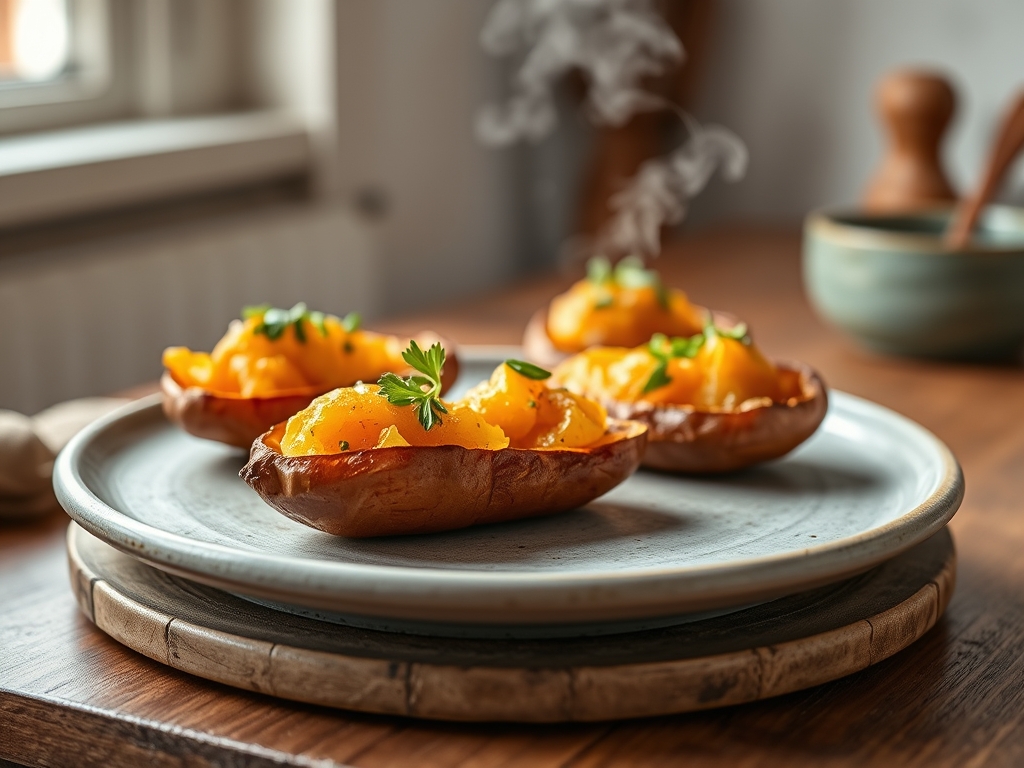
Picture the scent of caramelized natural sugars drifting through your kitchen; it is a deep, malty aroma that signals the transformation of a humble tuber into a culinary masterpiece. When you dive into these mini sweet potato recipes, you are not just making snacks. You are engaging in a delicious chemical reaction that turns starch into liquid gold.
The magic of the sweet potato lies in its complexity. Unlike the standard russet, these vibrant gems are packed with beta-carotene and a high concentration of amylase enzymes. When we apply heat, those enzymes go to work, breaking down complex starches into maltose. This is why a slow-roasted sweet potato tastes like candy without a single grain of added cane sugar. Whether you are looking for a post-workout fuel or a sophisticated appetizer for your next gathering, these eight variations offer a spectrum of flavors from piquant chili-lime to velvet-smooth maple tahini. We are going to master the art of the perfect roast, the crispy edge, and the creamy center, all while keeping things nutrient-dense and undeniably chic. Grab your apron; it is time to turn your kitchen into a high-end bistro.
The Gathers:
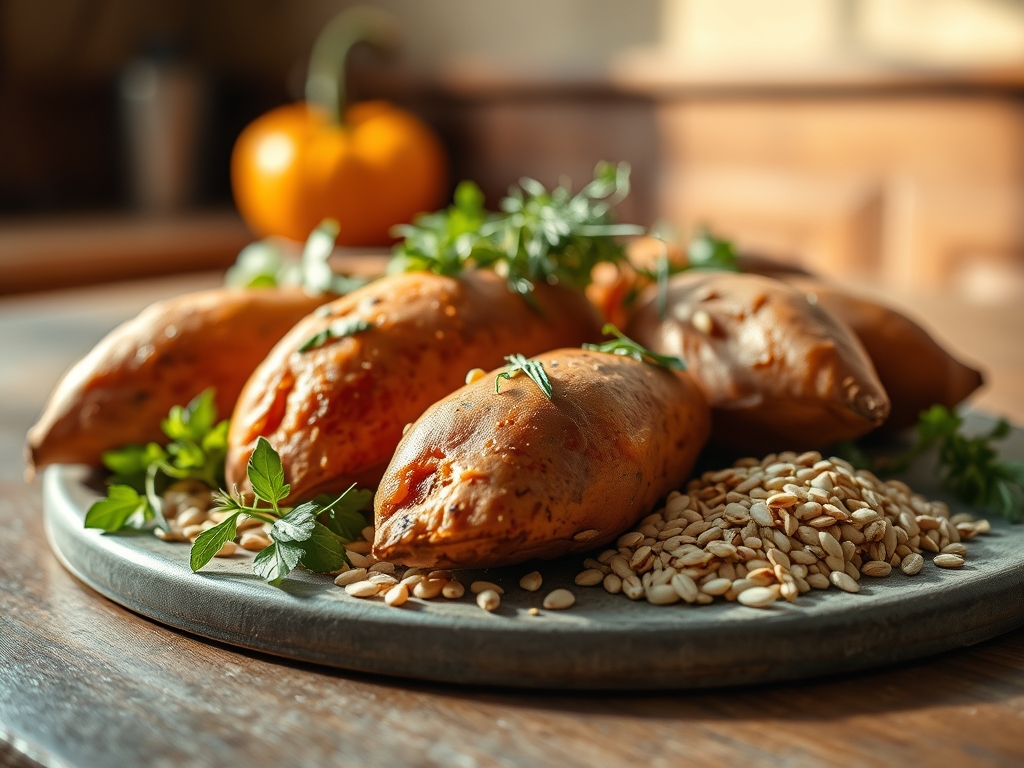
To achieve professional results, your mise-en-place must be precise. Start with three pounds of organic jewel or garnet sweet potatoes. Look for specimens that are uniform in diameter; this ensures even heat distribution and consistent cooking times across the batch. You will also need a high-smoke-point lipid. I recommend avocado oil or clarified butter (ghee) because they can withstand the 400-degree Fahrenheit environment required for the Maillard reaction without breaking down into acrid compounds.
For the flavor profiles, gather your aromatics: fresh rosemary, smoked paprika, sea salt flakes, and organic maple syrup. To balance the sweetness, we will use acidic brighteners like lime zest and apple cider vinegar. If you are looking for smart substitutions, you can swap the maple syrup for monk fruit syrup to lower the glycemic index. Instead of butter, a high-quality tahini provides a viscous, nutty fat source that is entirely plant-based. Ensure your spices are fresh; volatile oils in ground spices dissipate after six months, leading to a dull flavor profile. Using a microplane to zest your citrus will allow you to capture the essential oils without the bitter white pith.
The Clock
Efficiency in the kitchen is all about "Chef's Flow." Total active prep time for these snacks is approximately 15 minutes, while the oven does the heavy lifting for 25 to 30 minutes. The secret to a seamless experience is to utilize the preheating window. While your oven climbs to temperature, use a bench scraper to clear your workspace and a digital scale to portion your ingredients. This prevents the "clutter-brain" that leads to overcooking.
The roasting phase is where the structural integrity of the potato changes. We are looking for the "fork-tender" stage, which occurs when the internal temperature hits roughly 205 degrees Fahrenheit. At this point, the pectin cell walls have softened, but the exterior has begun to dehydrate and crisp. Allow for a 5-minute "carryover" rest period once they exit the heat. This allows the internal steam to redistribute, ensuring the centers are creamy rather than stringy.
The Masterclass
1. The Precision Cut
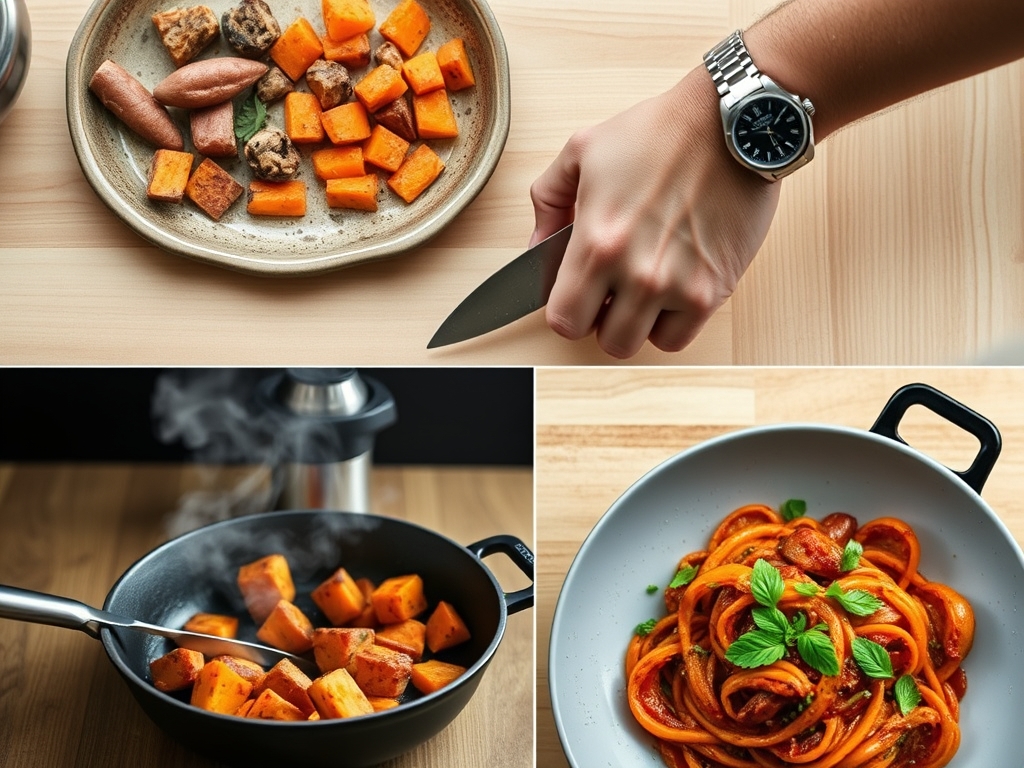
Use a sharpened chef knife or a mandoline to slice the potatoes into uniform rounds or wedges. Aim for a thickness of half an inch.
Pro Tip: Uniformity is not just for aesthetics; it prevents smaller pieces from carbonizing before the larger pieces reach the desired internal temperature. This is known as managing thermal mass.
2. The Lipid Coating
Place your slices in a large stainless steel bowl and drizzle with your chosen oil. Use your hands or tongs to ensure every square millimeter is coated.
Pro Tip: This thin layer of fat acts as a heat conductor, facilitating even browning. Without it, the surface of the potato would simply dry out and become leathery rather than crispy.
3. The Seasoning Infusion
Sprinkle your dry spices from at least twelve inches above the bowl to ensure an even distribution. Toss vigorously to aerate the mixture.
Pro Tip: Adding salt at this stage draws out a small amount of surface moisture through osmosis. As this moisture evaporates in the oven, it concentrates the natural sugars for a better crust.
4. The High-Heat Roast
Arrange the potatoes on a heavy-bottomed baking sheet lined with parchment paper. Ensure they are not touching; crowding the pan leads to steaming rather than roasting.
Pro Tip: Airflow is your best friend. When potatoes are crowded, the escaping steam creates a humid microclimate that inhibits the Maillard reaction, leaving you with soggy snacks.
5. The Flavor Glaze
If you are using a sweet or acidic glaze, apply it during the last five minutes of cooking. Use a silicone brush to coat the tops lightly.
Pro Tip: Sugars burn quickly. By waiting until the end, you allow the flavors to infuse and the glaze to reduce into a sticky lacquer without the risk of pyrolysis (burning).
6. The Textural Garnish
Once removed from the oven, immediately hit the potatoes with your fresh herbs or flaky salt while the surface oil is still bubbling.
Pro Tip: This utilizes the residual heat to "bloom" the volatile oils in the fresh herbs, significantly increasing the aromatic impact of the final dish.
The Deep Dive
From a macro perspective, sweet potatoes are a powerhouse. A single serving provides over 400 percent of your daily Vitamin A requirement and a significant dose of potassium. Because we are using healthy fats like avocado oil, the fat-soluble vitamins are more easily absorbed by your body. For those following specific protocols, these mini sweet potato recipes are naturally gluten-free. To make them Keto-friendly, keep the portion sizes small and stick to savory fats like bacon grease or olive oil.
The Fix-It: Common Pitfalls
- Soggy Bottoms: This usually happens because the pan was cold when the potatoes went in. Solution: Pre-heat your baking sheet in the oven before adding the potatoes to jumpstart the searing process.
- Bitter Edges: This is a sign of burnt spices. Solution: If using delicate herbs like dried parsley, mix them with the oil first to insulate them from direct heat.
- Uneven Cooking: This is caused by "hot spots" in the oven. Solution: Rotate your pan 180 degrees halfway through the cooking time to ensure every potato gets equal exposure to the heating element.
Meal Prep and Reheating
To maintain "day-one" quality, store your snacks in a glass airtight container. When reheating, avoid the microwave, as it vibrates water molecules and turns the starch gummy. Instead, use an air fryer or a toaster oven at 350 degrees for 4 minutes. This re-dehydrates the surface, restoring that essential crunch.
The Wrap-Up
You have now mastered the science and soul of mini sweet potato recipes! By understanding the interplay of heat, enzymes, and lipids, you have elevated a simple snack into a gourmet experience. These bites are proof that healthy eating does not have to be bland or boring. They are vibrant, versatile, and scientifically backed to be delicious. Now, go forth and impress your friends with your technical prowess and your impeccable taste. Your kitchen is your laboratory; enjoy the results!
The Kitchen Table
Can I make these mini sweet potato recipes in an air fryer?
Yes! Set your air fryer to 380 degrees Fahrenheit and cook for 12 to 15 minutes. Shake the basket halfway through to ensure the high-velocity air reaches all surfaces for maximum crispness.
How do I prevent my sweet potatoes from turning brown after cutting?
This is enzymatic browning. To prevent it, submerge your cut slices in cold water with a splash of lemon juice. This lowers the pH and blocks the oxygen from reacting with the potato enzymes.
What is the best way to get a "glass-like" crunch?
Dust the potatoes lightly with cornstarch or arrowroot powder after oiling but before roasting. The starch absorbs excess moisture and creates a thin, brittle crust that shatters when you bite into it.
Why are my sweet potatoes still hard in the middle?
This usually indicates the oven temperature was too high, cooking the outside before the heat could penetrate the center. Lower the heat by 25 degrees and increase the cook time for a creamier interior.