
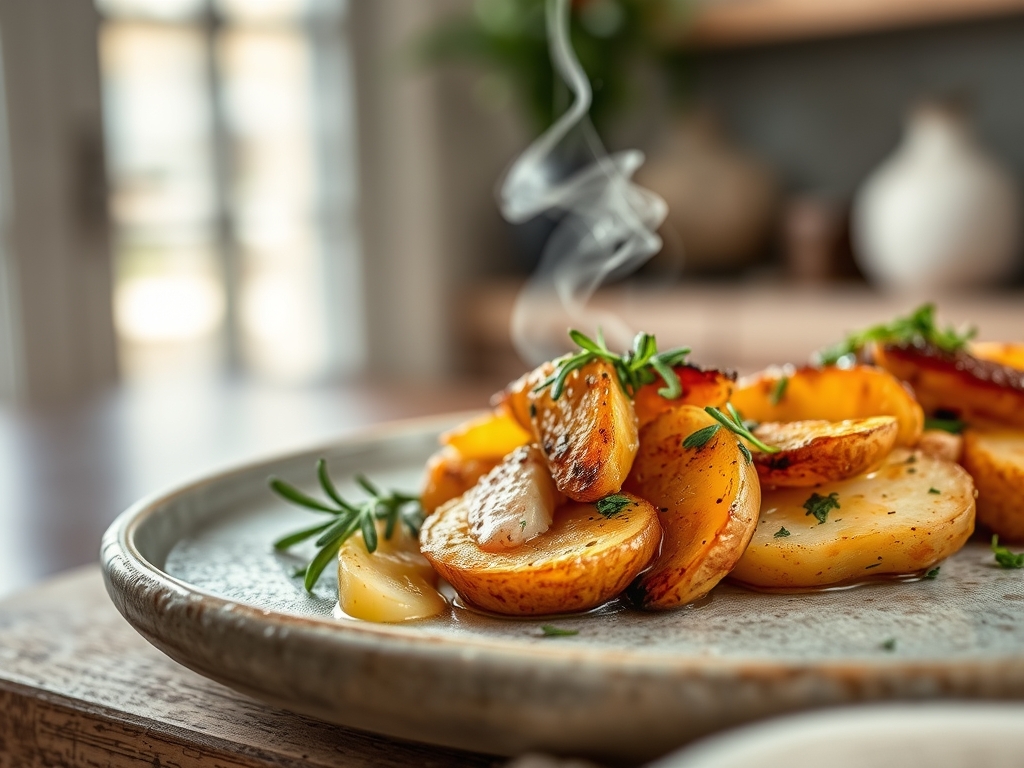
Picture this: a rain-streaked window; a heavy ceramic bowl warming your palms; and the intoxicating aroma of roasted poultry and earthy starch filling every corner of your kitchen. When we talk about turkey potato recipes, we are not just discussing leftovers. We are exploring the ultimate culinary synergy. Turkey provides a lean, protein-dense canvas that absorbs every drop of seasoned fat, while potatoes offer the structural integrity and creamy mouthfeel that turn a simple meal into a restorative experience.
The magic happens when the amino acids in the turkey react with the natural sugars in the potato during high-heat roasting. This is the Maillard reaction in its most comforting form. Whether you are craving a silky shepherd's pie or a crispy hash, these six blends are designed to satisfy your deepest hunger. We are going beyond the basics to master the textures and temperatures that make these ingredients sing. From the snap of a golden potato skin to the succulent pull of slow-simmered dark meat, these recipes are your new blueprint for cold-weather survival.
The Gathers:
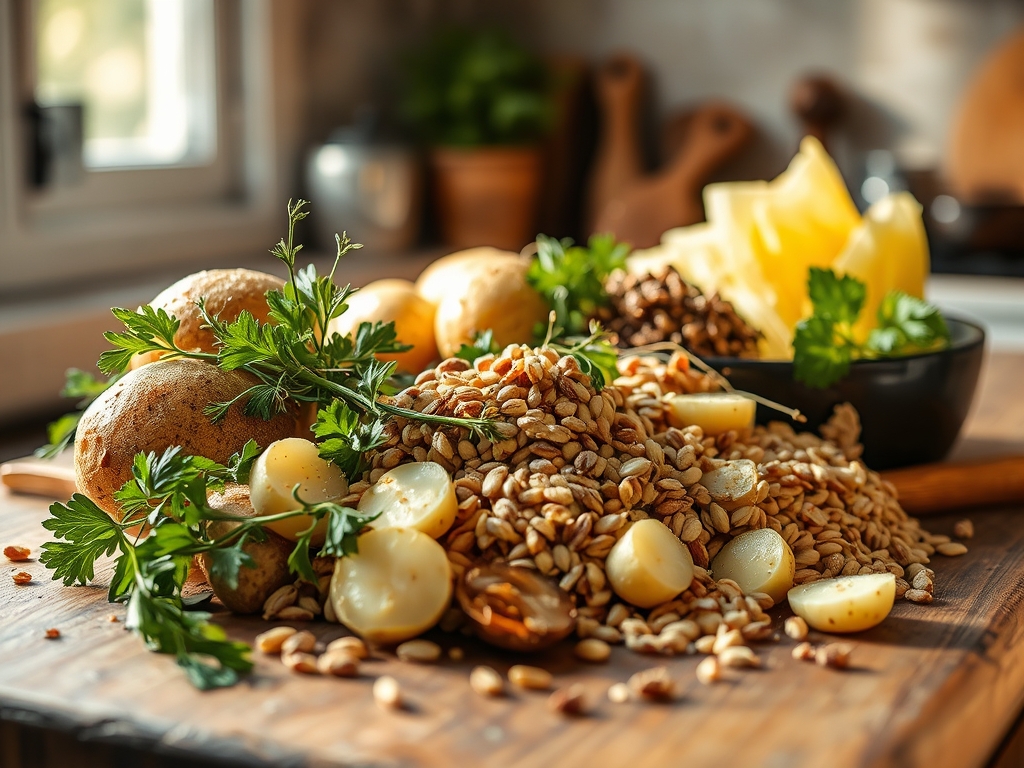
To execute these turkey potato recipes with precision, your mise-en-place must be flawless. Start with your aromatics; yellow onions provide the highest sulfur content for deep flavor, while garlic should be minced with a sharp chef's knife to release its pungent allicin. For the turkey, prioritize a mix of breast and thigh meat. The thigh contains more myoglobin and connective tissue, which transforms into silky gelatin when braised.
Your potato selection is non-negotiable. For mashes and thick soups, reach for the Russet. Its high starch content allows the cells to separate easily, creating a light and fluffy texture. If you are roasting or sautéing, the Yukon Gold is your best friend; its medium starch level and waxy skin help it maintain structural integrity under high heat.
Smart Substitutions:
If you are aiming for a lower glycemic index, swap half of your potatoes for parsnips or celery root. These root vegetables provide a similar density but add a piquant, peppery undertone. For the turkey, ground turkey is a fantastic time-saver, but ensure it is not too lean. A 93/7 blend provides enough fat to render and coat the vegetables without leaving a greasy residue on the palate. Use a digital scale to measure your ingredients by weight rather than volume to ensure consistent seasoning across all six variations.
The Clock:
Efficiency in the kitchen is about understanding "Chef's Flow." Most of these turkey potato recipes require a total time of 45 to 60 minutes. Preparation usually takes 20 minutes, involving the heavy lifting of peeling, dicing, and weighing. The cooking phase is where the transformation occurs.
To optimize your time, always start by preheating your heavy-bottomed skillet or oven. While the hardware reaches the target temperature, you can finish your knife work. Use a bench scraper to transfer your chopped ingredients from the board to the pan in one swift motion. This prevents "crowding the pan," which drops the temperature and leads to steaming rather than searing. By syncing your prep with the thermal recovery of your cookware, you ensure that every component hits the plate at the peak of its flavor profile.
The Masterclass:
1. The Sear and Render
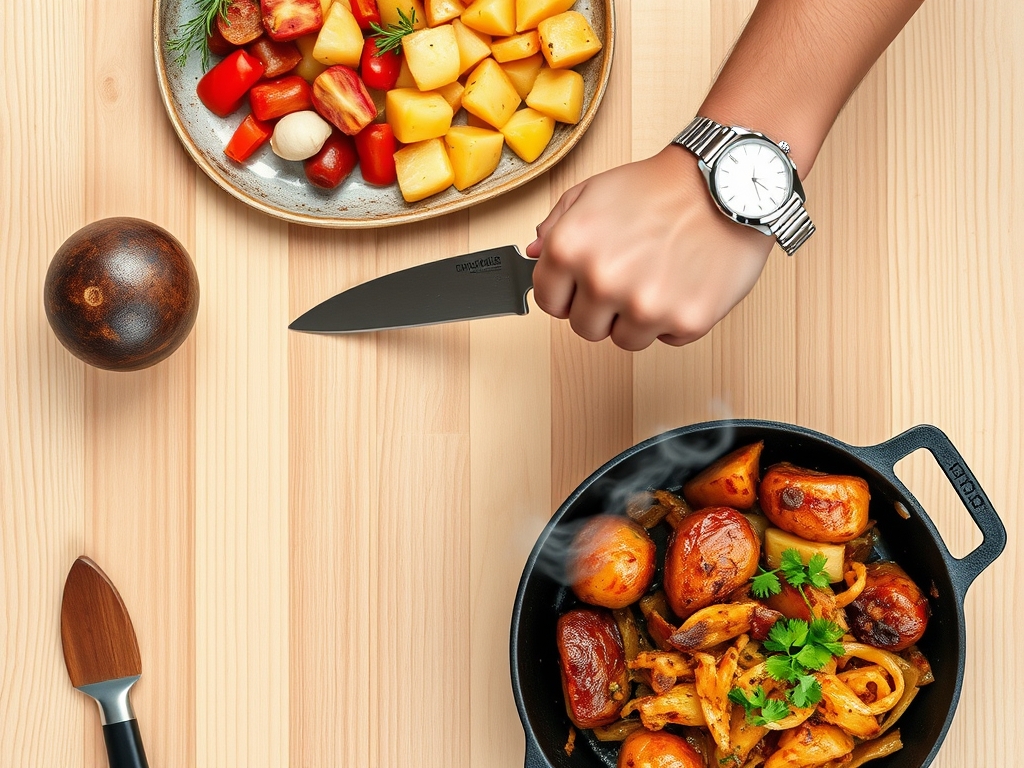
Begin by heating a tablespoon of high-smoke-point oil in a saucier. Add your diced turkey and let it sit undisturbed for three minutes. This allows the proteins to bond and brown, creating a flavorful crust. Use tongs to flip the pieces once they release naturally from the pan.
Pro Tip: This is the science of protein denaturation. If you move the meat too early, you tear the fibers and lose the precious juices that should stay locked inside.
2. The Deglaze
Once the turkey is browned, remove it and add your diced potatoes. The starch will pick up the "fond," or the caramelized brown bits, left in the pan. Pour in a splash of dry white wine or stock to deglaze the surface.
Pro Tip: Deglazing uses a solvent to dissolve flavorful compounds that are not water-soluble. This creates a more complex, viscous sauce base.
3. The Emulsification
Add your liquid component, such as turkey bone broth or heavy cream. Bring the mixture to a gentle simmer, not a rolling boil. Use a whisk to aerate the sauce as it thickens.
Pro Tip: Simmering prevents the fats from separating. A violent boil can break the emulsification, resulting in a grainy texture rather than a silky one.
4. The Infusion
Incorporate fresh herbs like rosemary and thyme during the last ten minutes of cooking. Use a microplane to zest a hint of lemon over the top to cut through the richness.
Pro Tip: Essential oils in herbs are volatile. Adding them too early causes the flavor to dissipate; adding them late ensures a bright, aromatic finish.
5. The Texture Check
Test your potatoes with a fork. They should be "fork-tender," meaning they offer no resistance but do not crumble into a paste. This is the moment to check your seasoning.
Pro Tip: Starch molecules absorb salt as they swell. You may need to add more salt at the end than you think to maintain a balanced profile.
6. The Rest
Remove the dish from the heat and let it sit for five minutes before serving. This allows the internal temperatures to stabilize.
Pro Tip: This accounts for thermal carryover. The residual heat continues to cook the center of the turkey and potatoes, ensuring they are perfectly done without becoming overcooked.
The Deep Dive:
Macro Nutrition:
Turkey potato recipes are a powerhouse of balanced nutrition. A standard serving provides approximately 30 grams of protein and 35 grams of complex carbohydrates. Potatoes are an excellent source of potassium and Vitamin C, while turkey provides essential B-vitamins and selenium.
Dietary Swaps:
- Vegan: Replace turkey with chickpeas or smoked tempeh and use vegetable broth.
- Keto: Swap potatoes for roasted cauliflower florets to significantly reduce the carb count.
- GF: These recipes are naturally gluten-free if you avoid using flour as a thickener; use a cornstarch slurry or a potato puree instead.
The Fix-It:
- Gummy Potatoes: This happens when you overwork the starch. Use a ricer instead of a blender to keep the starch granules intact.
- Dry Turkey: If the meat is tough, it was likely overcooked. Add a splash of broth and cover the pan to create steam and rehydrate the fibers.
- Bland Flavor: Usually a lack of acidity. A teaspoon of apple cider vinegar or a squeeze of lemon will brighten the entire dish.
Meal Prep:
When reheating, the starch in potatoes undergoes retrogradation, meaning it firms up. To restore the "day-one" quality, add a tablespoon of water or milk before microwaving or reheating on the stove. This introduces moisture that softens the starch crystals again.
The Wrap-Up:
Mastering turkey potato recipes is like learning a secret language of comfort. It is about the sizzle of the pan, the weight of the ingredients, and the scientific precision that turns simple pantry staples into a culinary masterpiece. You now have the tools, the techniques, and the "why" behind every flip of the spatula. Go forth and create something that warms the soul and feeds the brain!
The Kitchen Table:
How do I prevent potatoes from turning brown?
Submerge peeled potatoes in cold water immediately. This prevents enzymatic browning by blocking oxygen from reacting with the potato's phenols. Adding a pinch of salt or a splash of lemon juice to the water further inhibits this oxidation process.
Can I use leftover roasted turkey for these recipes?
Absolutely. Since the turkey is already cooked, add it during the final five minutes of the recipe. This prevents the meat from becoming overextended and dry while allowing it to absorb the flavors of the simmering sauce and potatoes.
What is the best potato for a crispy turkey hash?
Yukon Gold potatoes are superior for hashes. Their medium starch content allows for a creamy interior, while their thin skins crisp up beautifully in a heavy-bottomed skillet without the need for excessive oil or butter.
Why does my turkey potato soup get thick in the fridge?
Potatoes release starch into the liquid, which acts as a natural thickener. As the soup cools, these starch molecules form a gel-like structure. Simply whisk in a little broth or water during reheating to restore the original viscous consistency.