
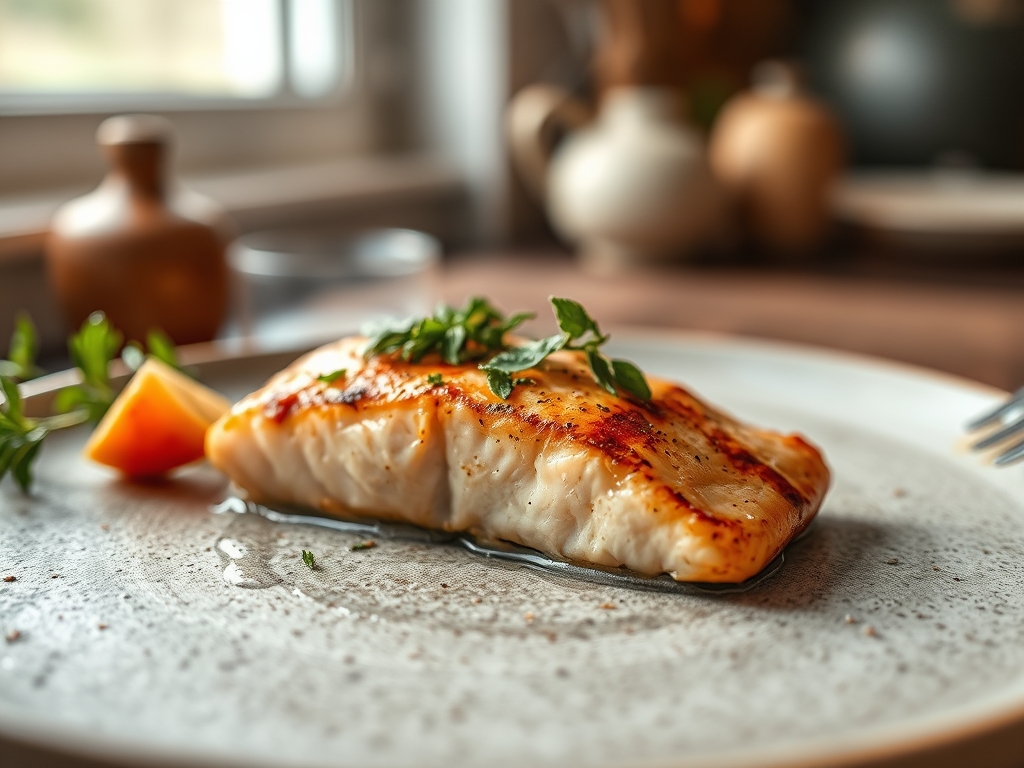
Imagine the sound of a heavy bottomed skillet meeting the flame; it is a low hum that promises the most rewarding dinner of your week. As the oil reaches its shimmering point, you lay down a fillet of wild caught fish, and the kitchen fills with the scent of toasted amino acids and sea salt. Finding the perfect balance between heart health and high end flavor starts with mastering dash diet salmon recipes. This dietary approach is not about deprivation; it is a clinical strategy to lower blood pressure by emphasizing potassium, magnesium, and calcium while slashing sodium. Salmon is the undisputed protagonist of this story because its omega 3 fatty acids act as a natural anti inflammatory for your vasculature. We are moving beyond the bland, steamed fillets of the past. Instead, we are leaning into the chemistry of high heat and bright acids to create ten distinct meals that feel like a luxury bistro order. Whether you are searing, poaching, or parchment baking, these techniques turn a simple protein into a nutritional powerhouse that tastes like a celebration.
The Gathers:
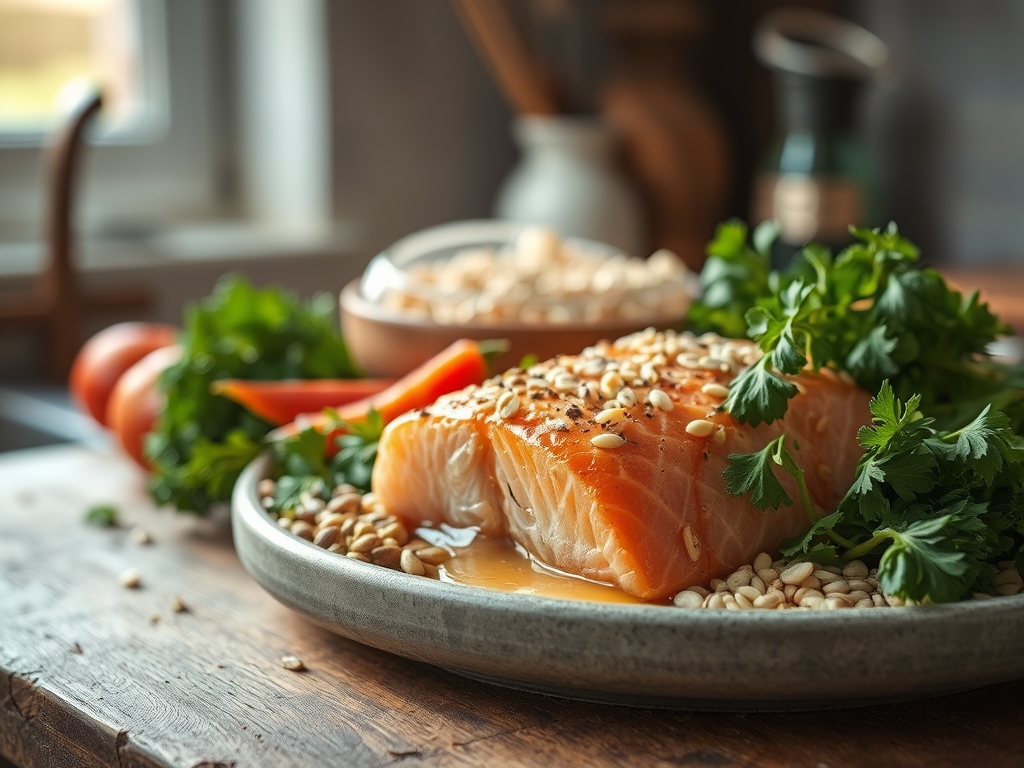
To execute these dash diet salmon recipes with precision, your mise en place must be impeccable. Start with the centerpiece: six ounce fillets of Coho or Sockeye salmon, which offer a more robust flavor profile than farmed Atlantic varieties. You will need a high smoke point oil, such as avocado oil, to handle the thermal demands of the sear without oxidizing. For the aromatic base, gather fresh garlic, shallots, and ginger. Use a microplane to grate these into a fine paste; this increases the surface area for maximum flavor infusion without the grit of large chunks.
The DASH framework relies on "Smart Substitutions" to replace the "salt crutch." Instead of table salt, reach for piquant acids like Meyer lemon juice, rice vinegar, or a splash of verjus to brighten the palate. For textural contrast, incorporate toasted walnuts or pumpkin seeds, which provide a crunch that mimics the satisfaction of salty snacks. If a recipe calls for a creamy element, swap heavy cream for a viscous Greek yogurt or a blended silken tofu. These swaps maintain the luxurious mouthfeel of the dish while keeping the saturated fat levels within the strict DASH parameters. Always keep a digital scale nearby to ensure your protein portions are consistent, as precision is the hallmark of a professional kitchen.
The Clock: 15 Minutes Prep, 12 Minutes Fire
The "Chef's Flow" is all about overlapping tasks to minimize downtime. While your salmon sits on the counter to lose its refrigerator chill, you should be prepping your vegetables and whisking your vinaigrettes. This prevents the "thermal shock" that occurs when ice cold fish hits a hot pan, which often leads to uneven cooking and a loss of moisture. Most dash diet salmon recipes follow a 25 to 30 minute total timeline. You spend the first 15 minutes on the "cold work" like dicing and measuring. The final 12 minutes are the "hot work," where you manage the Maillard reaction and monitor internal temperatures. By the time the fish is resting, your kitchen should already be halfway cleaned.
The Masterclass: Mastering the Sear and Steam
1. The Tempering Phase
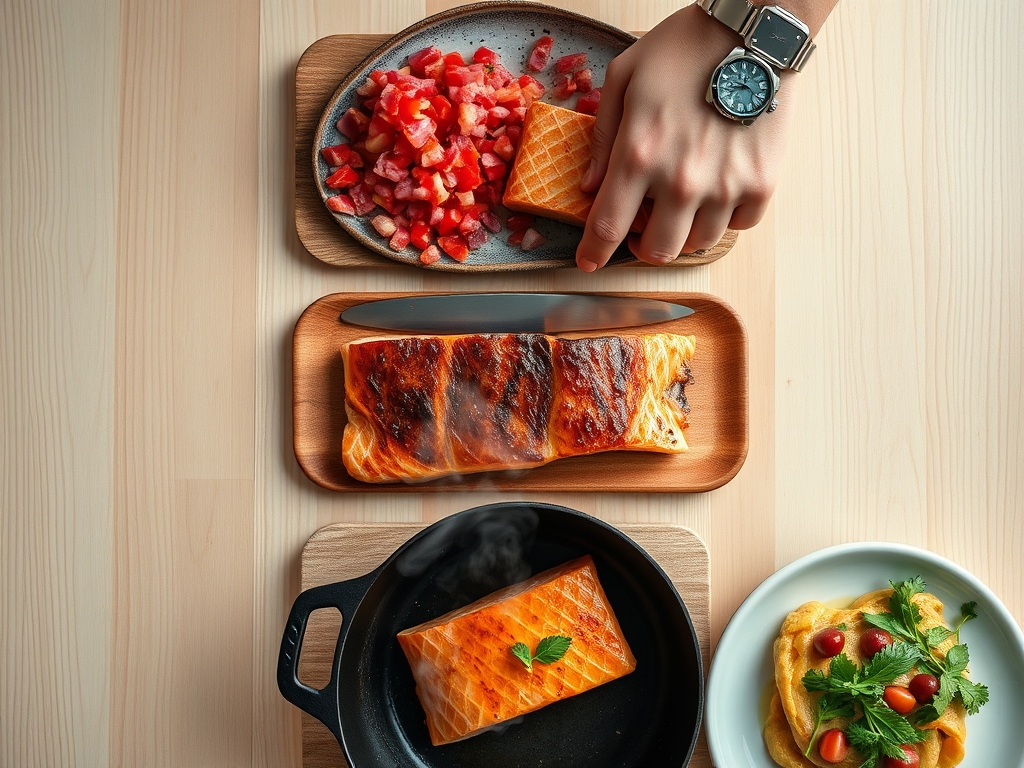
Remove your salmon from the refrigerator at least 20 minutes before cooking. Use a paper towel to pat the skin bone dry. Any residual moisture on the surface will turn to steam, preventing the crisp texture you crave.
Pro Tip: This prevents "cold core syndrome," where the outside overcooks while the center remains raw. It ensures even heat distribution through the muscle fibers.
2. The High Heat Initiation
Heat your heavy bottomed skillet until a drop of water dances and evaporates instantly. Add a thin layer of oil and wait for it to shimmer. Lay the salmon skin side down using tongs, pressing firmly for ten seconds to prevent the skin from curling.
Pro Tip: This initial pressure ensures maximum contact for the Maillard reaction. This chemical reaction between amino acids and reducing sugars creates the complex, savory flavors that define a great sear.
3. The Gentle Render
Lower the heat to medium. Allow the fat under the skin to render out slowly. You will see the color of the flesh change from translucent pink to opaque beige moving upward from the bottom.
Pro Tip: Rendering the subcutaneous fat creates a natural barrier that protects the delicate flesh from drying out. This is the secret to a succulent, "melt in your mouth" texture.
4. The Deglaze and Infuse
In the final two minutes, toss in your aromatics and a splash of low sodium vegetable stock or citrus juice. Use a wooden spoon to scrape up any browned bits from the bottom of the pan.
Pro Tip: Deglazing captures the "fond," which is the concentrated flavor stuck to the pan. This creates an instant, low calorie sauce that coats the fish in a savory glaze.
5. The Carryover Rest
Remove the fish from the heat when it is about five degrees below your target temperature. Place it on a warm plate and let it rest for three to five minutes.
Pro Tip: Thermal carryover means the internal temperature will continue to rise even after the fish is off the heat. Resting allows the muscle fibers to relax and reabsorb juices.
The Deep Dive: Nutrition and Troubleshooting
When we look at the macro nutrition of these dash diet salmon recipes, we are seeing a profile of roughly 35 grams of protein, 12 grams of healthy fats, and nearly zero carbohydrates per serving. This makes it an ideal anchor for any metabolic health goal.
Dietary Swaps:
For a Vegan alternative, use "watermelon steaks" or extra firm tofu pressed and marinated in seaweed dashi to mimic the oceanic flavor. For Keto enthusiasts, double down on the healthy fats by adding a dollop of avocado oil mayo. If you are Gluten Free, ensure your thickeners are arrowroot powder or cornstarch rather than wheat flour.
The Fix-It: Common Pitfalls
- The Skin Sticks: This usually happens because the pan wasn't hot enough or you tried to flip the fish too early. Fix: Wait for "natural release." The fish will let go of the pan once the crust is fully formed.
- White Gunk (Albumin) Appears: This is protein pushing out of the muscle fibers because the heat was too high. Fix: Lower your cooking temperature and brine the fish in a light citrus bath for 10 minutes before cooking to tighten the proteins.
- The Flesh is Fishy: This is caused by the oxidation of fats. Fix: Rinse the fillet and pat it with a bit of lemon juice or milk before cooking to neutralize the trimethylamine.
Meal Prep Magic:
To reheat salmon without it turning into rubber, avoid the microwave. Use a low temperature oven (275 degrees) with a splash of water in the dish, covered tightly with foil. This creates a mini steam chamber that rehydrates the proteins.
The Wrap-Up
Mastering dash diet salmon recipes is like gaining a superpower for your kitchen and your health. You are not just cooking; you are using thermal dynamics and molecular chemistry to create meals that nourish your heart and satisfy your soul. By focusing on the sear, the rest, and the bright acidity of salt alternatives, you turn a Tuesday night dinner into a gourmet experience. Now, grab your tongs and your favorite skillet; it is time to turn up the heat and eat well.
The Kitchen Table
Why is salmon good for the DASH diet?
Salmon is rich in omega 3 fatty acids and potassium. These nutrients help lower blood pressure and reduce systemic inflammation, making it a cornerstone protein for heart healthy eating patterns focused on mineral density and low sodium.
Can I use frozen salmon for these recipes?
Yes, but you must thaw it completely in the refrigerator. Pat it extremely dry before cooking to remove excess moisture. Frozen salmon is often flash frozen at sea, preserving its nutritional integrity and flavor profile perfectly.
What is the best way to season without salt?
Use "flavor bombs" like lemon zest, fresh herbs, smoked paprika, or toasted spices. Acids like vinegar and citrus juice trick the tongue into perceiving saltiness, while aromatics like garlic and ginger provide deep, savory complexity.
How do I know when salmon is perfectly cooked?
The fish should reach an internal temperature of 145 degrees Fahrenheit. Visually, the flesh will change from translucent to opaque and should flake easily with a fork while remaining moist and tender in the center.