
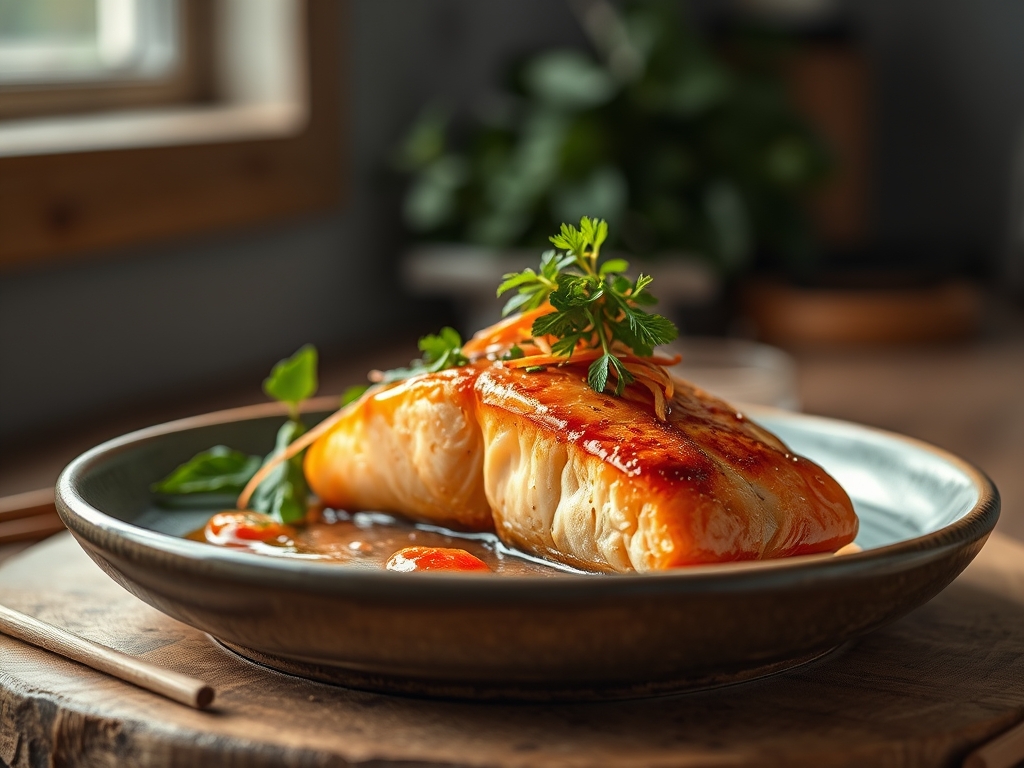
Picture the sound of a heavy-bottomed skillet meeting a cold flame; it is the overture to a dinner that feels like a spa day for your soul. We are chasing that elusive, glass-shattering skin and a center so buttery it practically sighs under your fork. If you have been searching for asian salmon recipes healthy enough for your trainer but tasty enough for a Friday night, you have officially arrived. We are not just cooking fish; we are mastering the art of the sear while keeping the nutritional profile lean. The goal is to marry the piquant heat of ginger with the deep umami of fermented soy, all while ensuring your kitchen smells like a high-end Tokyo bistro.
Salmon is the ultimate canvas for these flavors because its high fat content allows it to stand up to bold, acidic marinades without falling apart. We are going to explore six distinct hacks that transform a standard fillet into a gourmet masterpiece. From the physics of the Maillard reaction to the chemistry of a perfect glaze, I am pulling back the curtain on how professional stylists make fish look effortless. Grab your favorite apron and a sharp knife. We are about to elevate your weeknight rotation with techniques that prioritize both cellular health and culinary indulgence.
The Gathers:
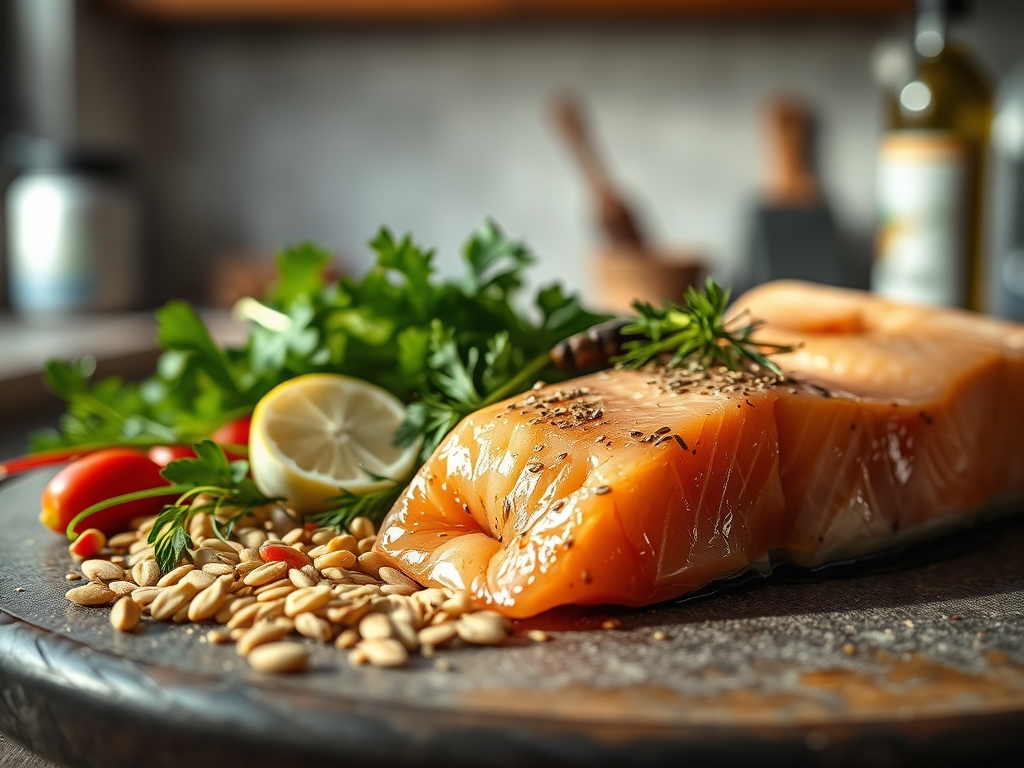
Before we ignite the burner, we must respect the mise-en-place. Your workstation should look like a laboratory of flavor. Start with center-cut Atlantic or Sockeye fillets; look for vibrant, translucent flesh that bounces back when pressed. You will need a microplane for the aromatics; this tool is essential because it ruptures the cell walls of ginger and garlic, releasing volatile oils that a standard knife chop simply misses.
Our flavor foundation relies on liquid gold: low-sodium tamari or coconut aminos for that salty depth, toasted sesame oil for its nutty aroma, and rice vinegar to provide the necessary bright acidity. For the "Smart Substitutions," consider swapping refined white sugar for raw honey or maple syrup. These natural sugars contain complex compounds that caramelize at lower temperatures, giving you a beautiful crust without the bitter charcoal of burnt cane sugar. If you are watching your sodium, reach for liquid aminos; they offer a similar viscous mouthfeel with a fraction of the salt. Don't forget the texture: toasted black sesame seeds and thinly sliced scallions add a crunch that contrasts beautifully with the tender protein.
The Clock
Efficiency in the kitchen is about "Chef's Flow." This isn't just about speed; it is about the logical sequencing of tasks to minimize downtime. For these asian salmon recipes healthy and fast, your total active prep time is roughly 12 minutes. The "Flow" begins with the marinade; while the salmon proteins are denaturing in the acid, you are prepping your sides.
The actual cook time is a precise 8 to 10 minutes. We utilize a high-heat start to render the subcutaneous fat, followed by a lower-heat finish to preserve moisture. If you are meal prepping, factor in a 5-minute cooling window before sealing containers. This prevents steam from trapped heat from turning your perfectly seared skin into a soggy mess. Total time from fridge to table? Under 25 minutes.
The Masterclass
1. The Dry-Brine Technique
Pat your salmon bone-dry with paper towels and sprinkle a light dusting of sea salt and coconut sugar. Let it sit for ten minutes before it touches the pan. This draws out excess moisture from the surface, ensuring the heat goes toward browning rather than steaming.
Pro Tip: This process triggers enzymatic browning. By removing surface water, you allow the amino acids and sugars to react faster, creating a complex flavor profile known as the Maillard reaction.
2. The Cold-Start Sear
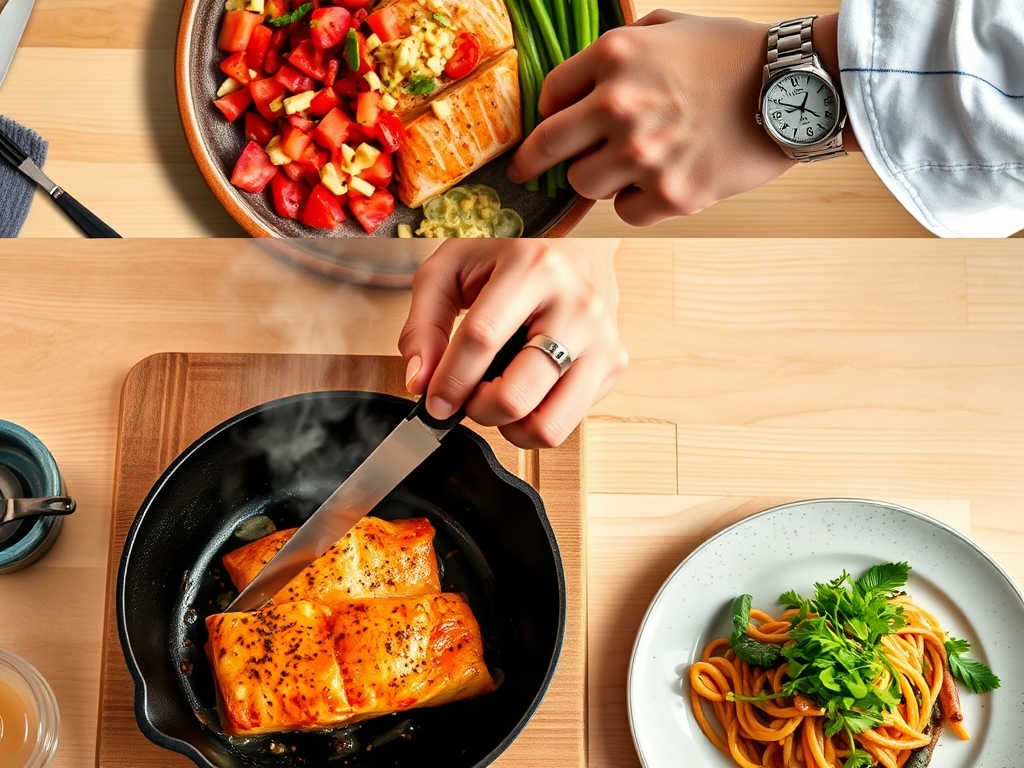
Place the salmon skin-side down in a cold, non-stick or cast-iron skillet, then turn the heat to medium-high. Use tongs to press the fillet down firmly for the first thirty seconds to prevent the skin from curling.
Pro Tip: Starting cold allows the fat to render slowly. This prevents the protein fibers from seizing up and squeezing out the moisture, resulting in a much flakier texture.
3. The Aromatics Infusion
Once the fish is flipped, toss in smashed garlic cloves and a knob of ginger into the rendered fat. Use a saucier or a small spoon to baste the hot, flavored oil over the top of the fish.
Pro Tip: This is called lipid-infusion. The fat acts as a solvent, extracting fat-soluble flavor compounds from the aromatics and depositing them directly onto the surface of the salmon.
4. The Glaze Reduction
Pour your prepared Asian marinade into the pan during the last two minutes of cooking. The liquid will bubble vigorously; use a bench scraper or spatula to keep the sauce moving so it doesn't scorch.
Pro Tip: You are looking for a viscous consistency. As the water evaporates, the sugars concentrate, creating a glaze that clings to the fish through molecular adhesion.
5. The Thermal Carryover
Remove the salmon from the heat when the internal temperature hits 125 degrees Fahrenheit on a digital scale or thermometer. Place it on a warm plate and let it rest for three minutes.
Pro Tip: Thermal carryover means the internal temperature will continue to rise by about 5 degrees after removal. Resting allows the muscle fibers to relax and reabsorb their juices.
6. The Aerated Garnish
Finish the dish with a spray of lime juice and a flurry of fresh herbs. Use your microplane to zest the lime directly over the plate at the very last second.
Pro Tip: This aerates the citrus oils. The tiny droplets of oil stay suspended in the air, hitting the diner's nose before the food even touches their tongue, enhancing the overall sensory experience.
The Deep Dive
When we talk about the nutrition of asian salmon recipes healthy choices, we are looking at a powerhouse of Omega-3 fatty acids. A standard 6-ounce fillet provides roughly 34 grams of high-quality protein and zero trans fats. For those on specific paths, this recipe is naturally Keto-friendly. To make it Vegan, swap the salmon for firm tofu or "watermelon steaks" using the same marinade. For a Gluten-Free version, ensure your soy sauce is replaced with certified GF tamari.
"The Fix-It" guide for common pitfalls: If your skin is sticking, your pan wasn't seasoned or hot enough; next time, ensure a drop of water dances on the surface before adding oil. If the white stuff (albumin) is oozing out, you are overcooking the fish too fast; lower the heat. If the sauce is too salty, add a splash of rice vinegar or a squeeze of orange juice to balance the pH. For meal prep, reheat your salmon in a 300-degree oven with a splash of water covered in foil. This creates a gentle steam bath that restores the "day-one" flake without drying out the core.
The Wrap-Up
Mastering these asian salmon recipes healthy hacks is like gaining a superpower for your kitchen. You have learned how to manipulate temperature, manage moisture, and balance the complex chemistry of umami and acid. Cooking should feel like an experiment where you always know the outcome will be delicious. Go forth, use your tools with confidence, and remember that the best ingredient is always a bit of scientific curiosity.
The Kitchen Table
How do I get the salmon skin extra crispy?
Ensure the skin is bone-dry before cooking. Start in a cold pan with a high-smoke-point oil. Use a weight or spatula to press the skin firmly against the pan surface for the first minute to maximize contact and heat transfer.
Can I use frozen salmon for these recipes?
Yes, but thaw it completely in the refrigerator first. Pat it extremely dry with paper towels to remove excess moisture from the freezing process. This prevents the fish from steaming in the pan and ensures a proper sear.
What is the best way to grate ginger without a mess?
Freeze your ginger root before using a microplane. Grating it while frozen breaks the tough fibers easily, creating a fine paste that incorporates seamlessly into your marinades without leaving behind any woody or stringy bits in the sauce.
Is it better to marinate salmon overnight?
No, salmon is delicate. Acidic marinades containing vinegar or lime juice will "cook" the protein through denaturation if left too long, resulting in a mushy texture. Limit marinating time to 15–30 minutes for the best structural integrity and flavor balance.