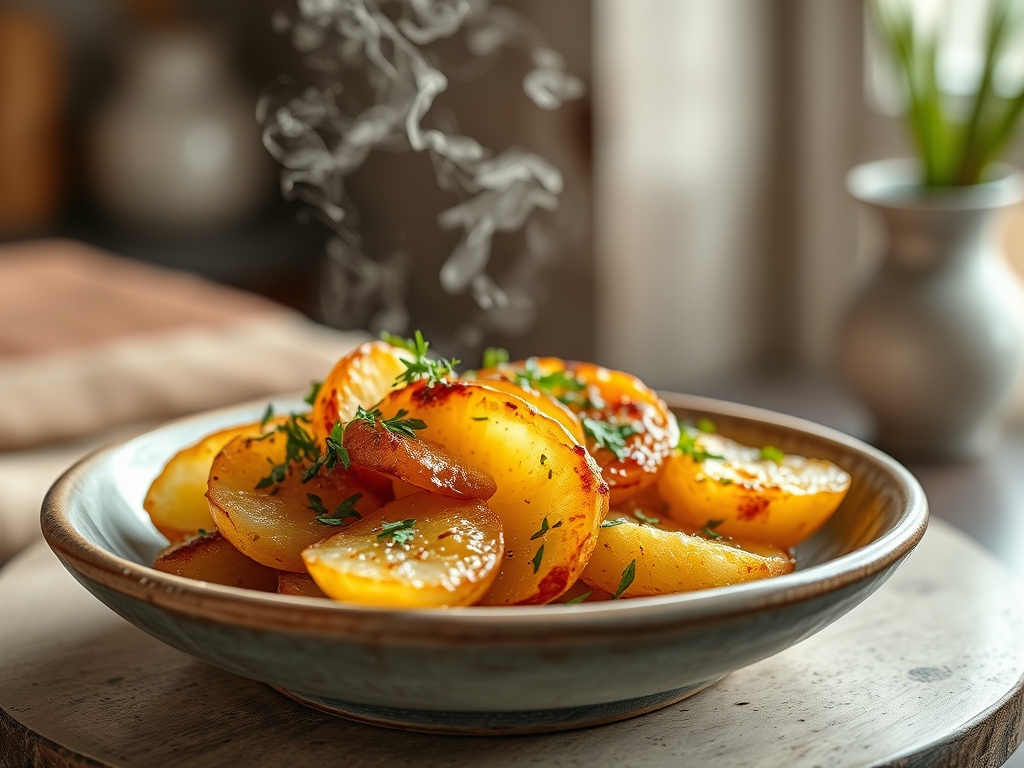
Imagine the scent of rosemary hitting a hot cast iron skillet while the outside of a Yukon Gold transforms into a shatteringly crisp golden crust. Finding satisfying daniel fast potato recipes is not just about staying compliant; it is about mastering the humble tuber to create textures so decadent you forget the absence of butter and cream.
The secret lies in the starch. When we talk about these six meals, we are moving beyond basic boiling. We are looking for that perfect Maillard reaction, the chemical dance between amino acids and reducing sugars that creates savory depth without a drop of animal fat. Potatoes are the ultimate canvas for this fast because they provide the complex carbohydrates and potassium your body craves while acting as a structural vehicle for bold, aromatic spices and heart-healthy oils. Whether you are craving a velvety leek soup or a piquant roasted root hash, these recipes elevate the potato from a side dish to the star of the show.
The Gathers:
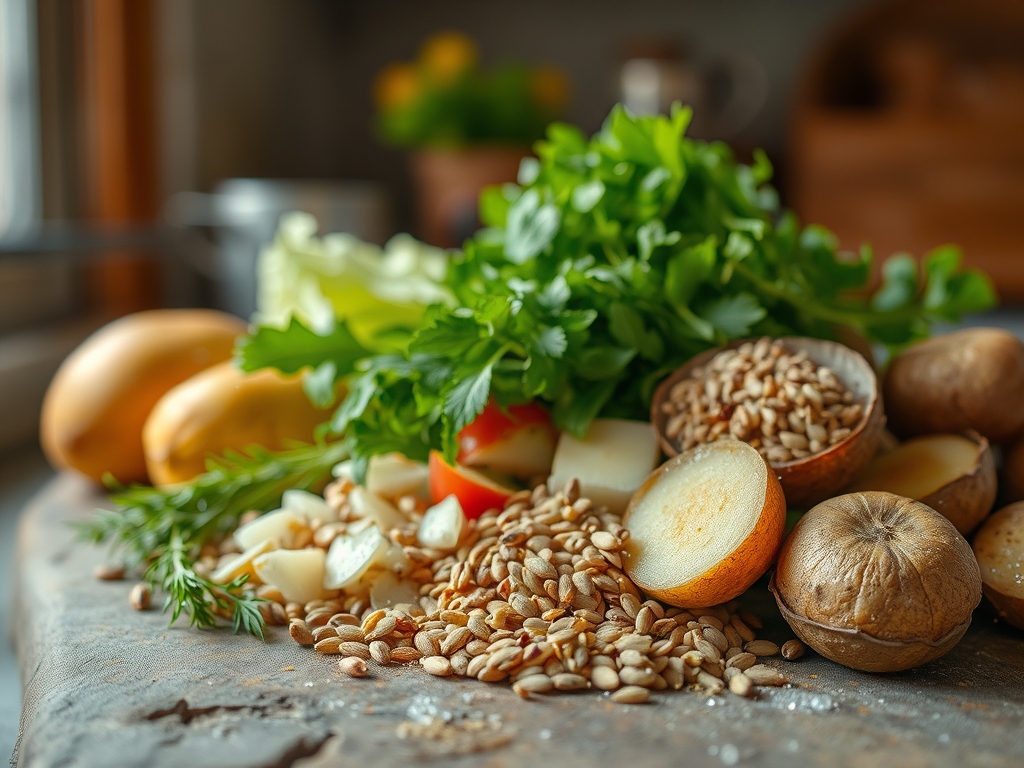
To execute these meals with precision, your mise-en-place must be impeccable. Start with the potatoes themselves. For roasting, seek out waxy varieties like red bliss or fingerlings; for mashing or thickening, the high starch content of a Russet is non-negotiable. You will need high-quality cold-pressed olive oil or avocado oil to act as your primary fat source.
Gather your aromatics: fresh garlic bulbs, shallots, and ginger roots. These provide the volatile oils that infuse your dishes with flavor. Your spice rack should be stocked with smoked paprika, turmeric, and cumin to provide earthy warmth. Do not forget the acids; fresh lemons and apple cider vinegar are essential to deglaze pans and brighten the density of the starch.
Smart Substitutions:
If you find yourself without fresh herbs, use a 1:3 ratio of dried to fresh, but remember to bloom them in oil first to release their fat-soluble compounds. For a creamy mouthfeel without dairy, utilize unsweetened almond milk or, better yet, the starchy cooking water from the potatoes themselves. This water contains released amylopectin, which helps emulsify sauces into a viscous, silky consistency that mimics heavy cream.
The Clock:
Efficiency in the kitchen is dictated by the Chef's Flow. This means staggering your tasks based on thermal requirements. Total active prep time for these six meals averages 25 minutes, with cook times ranging from 20 to 45 minutes.
Always start by preheating your oven or bringing your water to a boil first. While the thermal energy builds, use your bench scraper to organize your chopped aromatics. If you are roasting, the "flow" dictates that the potatoes hit the heat first, as they require the longest duration to reach a tender interior. While they bake, you can whip up a tahini drizzle or a fresh salsa verde in a saucier. This overlapping method ensures that by the time the timer dings, every component of the meal is ready for assembly, preventing the dreaded "cold plate" syndrome.
The Masterclass:
1. The Perfect Par-Boil and Roast
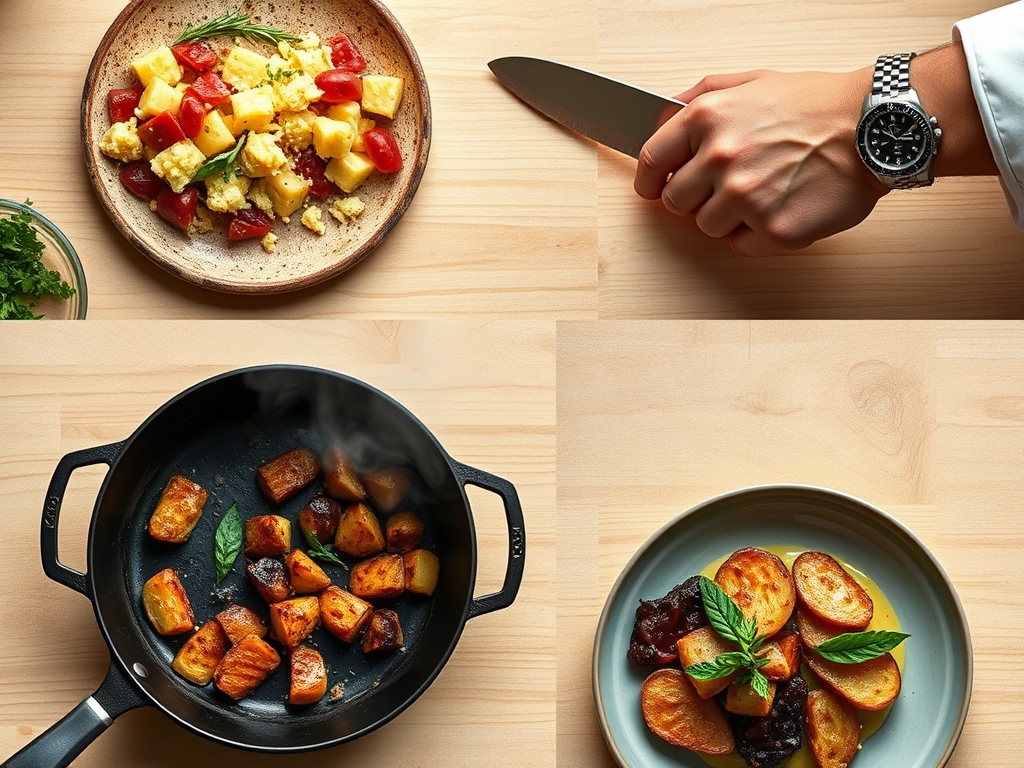
Begin by dicing your potatoes into uniform one-inch cubes using a sharp chef's knife. Place them in a pot of cold, salted water and bring to a boil. Cook only until the exterior is slightly softened but the core remains firm. Drain them and let the steam escape for two minutes before tossing them with olive oil and sea salt.
Pro Tip: This technique utilizes retrogradation. By letting the potatoes steam-dry, you remove excess surface moisture. This ensures that when they hit the oven, the energy goes into browning the skin rather than evaporating water, leading to a much crunchier exterior.
2. The Aromatic Infusion
In a heavy-bottomed skillet, heat two tablespoons of avocado oil over medium heat. Add sliced shallots and smashed garlic cloves. Sauté until the shallots are translucent and the garlic is fragrant but not browned. Add your par-boiled potatoes to the skillet.
Pro Tip: This is the infusion stage. Fat is a flavor carrier. By flavoring the oil first, you ensure the potato starch absorbs the garlic and shallot essences deeply into its cellular structure rather than just sitting on the surface.
3. Achieving the Maillard Reaction
Spread the potatoes in a single layer on a preheated baking sheet. Ensure there is ample space between each piece to allow for air circulation. Roast at 425 degrees Fahrenheit, flipping once with tongs halfway through the process.
Pro Tip: Crowding the pan causes evaporative cooling. If the potatoes are too close, they release steam that gets trapped, effectively boiling the potatoes instead of roasting them. Spacing them out allows the surface temperature to exceed 300 degrees, triggering the Maillard reaction.
4. The Acidic Deglaze
Once the potatoes are crisp, remove the pan from the oven. While still screaming hot, drizzle a tablespoon of lemon juice or balsamic vinegar over the tray. Use a metal spatula to scrape up any browned bits stuck to the bottom.
Pro Tip: This is called deglazing. The acid dissolves the caramelized sugars and proteins (the fond) stuck to the pan, redistributing that concentrated flavor back onto the potatoes for a savory punch.
5. Aerating the Mash
For the mashed potato variant, pass your boiled Russets through a potato ricer or food mill into a warm bowl. Fold in a mixture of warm almond milk and roasted garlic paste using a silicone spatula.
Pro Tip: Never use a food processor for mashed potatoes. The high-speed blades shear the starch granules, releasing too much amylose and turning the mash into a gluey, gummy mess. A ricer keeps the granules intact to aerate the dish for a fluffy texture.
6. The Final Garnish
Finish your dish with a shower of fresh parsley or chives, zested lemon using a microplane, and a final crack of black pepper.
Pro Tip: Fresh herbs contain volatile oils that dissipate with heat. Adding them at the very end, off the heat, preserves their bright color and piquant flavor profile, providing a necessary contrast to the earthy potatoes.
The Deep Dive:
Macro Nutrition: Potatoes are often unfairly maligned, but they are nutritional powerhouses. A medium potato provides about 160 calories, 4 grams of protein, and 5 grams of fiber. During a Daniel Fast, they serve as a vital source of Vitamin B6 and Vitamin C.
Dietary Swaps: These recipes are naturally vegan and gluten-free. For those monitoring glycemic loads (Keto-adjacent), you can swap half the potatoes for cauliflower florets. The cauliflower mimics the texture of the potato while lowering the overall carbohydrate count of the meal.
The Fix-It:
- Soggy Potatoes: Usually caused by overcrowding. Fix it by returning them to a high-heat oven (450F) on a wire rack to allow 360-degree airflow.
- Bitter Garlic: If you burn your aromatics, there is no saving them. Discard the oil and start over; the bitter compounds will ruin the entire batch.
- Gluey Mash: If you over-worked the starch, spread the mash in a baking dish, top with breadcrumbs (if compliant) or crushed nuts, and bake. The dry heat will help firm up the texture.
Meal Prep: To maintain "day-one" quality, reheat potatoes in an air fryer or a dry skillet. Avoid the microwave, as it vibrates water molecules, making the starch go limp. The dry heat of a skillet re-crystallizes the surface fats for a restored crunch.
The Wrap-Up:
Mastering these daniel fast potato recipes transforms your kitchen into a laboratory of flavor. By understanding the physics of heat and the chemistry of starch, you can create meals that are both spiritually compliant and culinarily sophisticated. Use your tools, trust the science of the sear, and enjoy the hearty, wholesome results of your labor.
The Kitchen Table:
Can I use any potato for roasting?
Waxy potatoes like Yukon Gold or Red Bliss are best. They have less starch and more moisture, allowing them to hold their shape during high-heat roasting without falling apart or becoming excessively grainy.
How do I keep potatoes from turning brown?
Prevent enzymatic browning by submerging peeled or cut potatoes in cold water immediately. This blocks oxygen from reaching the surface enzymes, keeping the flesh white and pristine until you are ready to apply heat.
Is potato skin healthy to eat?
Absolutely. The skin contains half of the potato's total dietary fiber and a significant portion of its antioxidant compounds. Just ensure you scrub them thoroughly with a vegetable brush to remove any residual soil.
What is the best oil for high-heat roasting?
Avocado oil is the gold standard due to its high smoke point (approx. 520F). This allows you to achieve maximum browning without the oil breaking down into acrid, bitter compounds or unhealthy trans fats.