
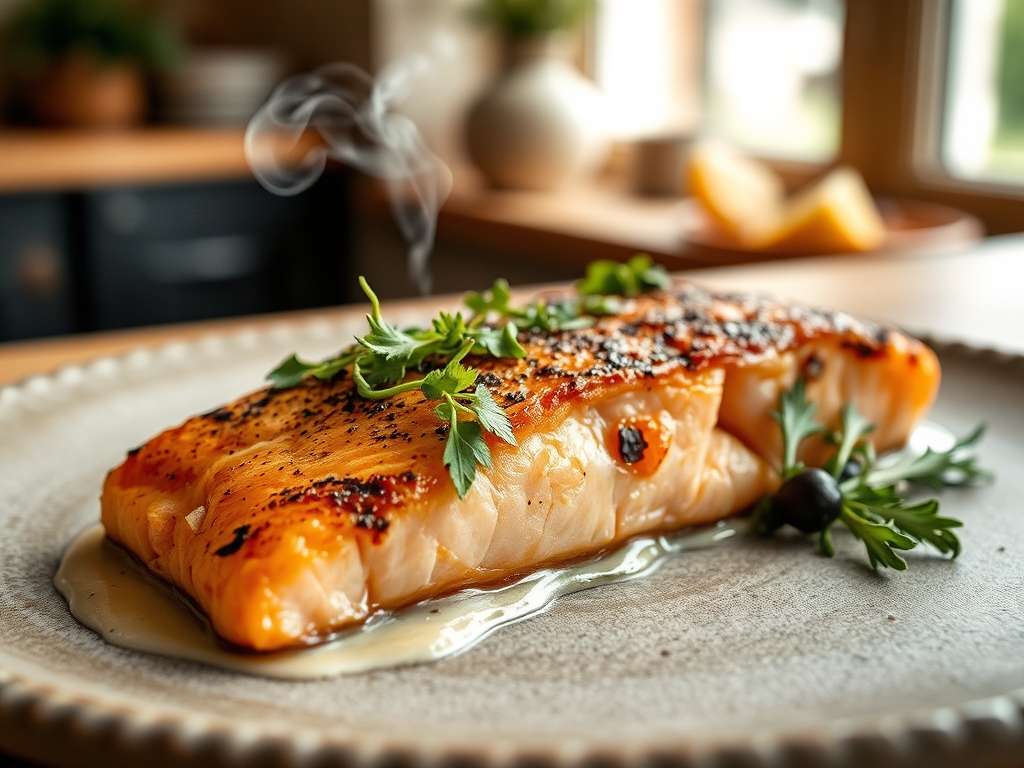
Imagine the sound of a gentle sizzle that does not end in a midnight battle with heartburn. For those of us navigating the delicate balance of digestive health, the kitchen can often feel like a minefield of acidity and regret. However, finding gerd friendly salmon recipes is the ultimate culinary cheat code for flavor without the fire. Salmon is uniquely suited for a reflux-conscious lifestyle because its high omega 3 fatty acid content acts as a natural anti inflammatory for the esophageal lining. When we move away from the heavy creams and pungent alliums that typically define seafood dishes, we unlock a world of clean, vibrant textures. Picture a flake of wild caught sockeye that yields to the slight pressure of a fork; it is buttery and rich yet light enough to keep your lower esophageal sphincter perfectly happy. We are not just cooking for sustenance here; we are engineering a meal that respects your biology while pampering your palate. This is about reclaiming the joy of a sophisticated dinner party without the looming shadow of discomfort.
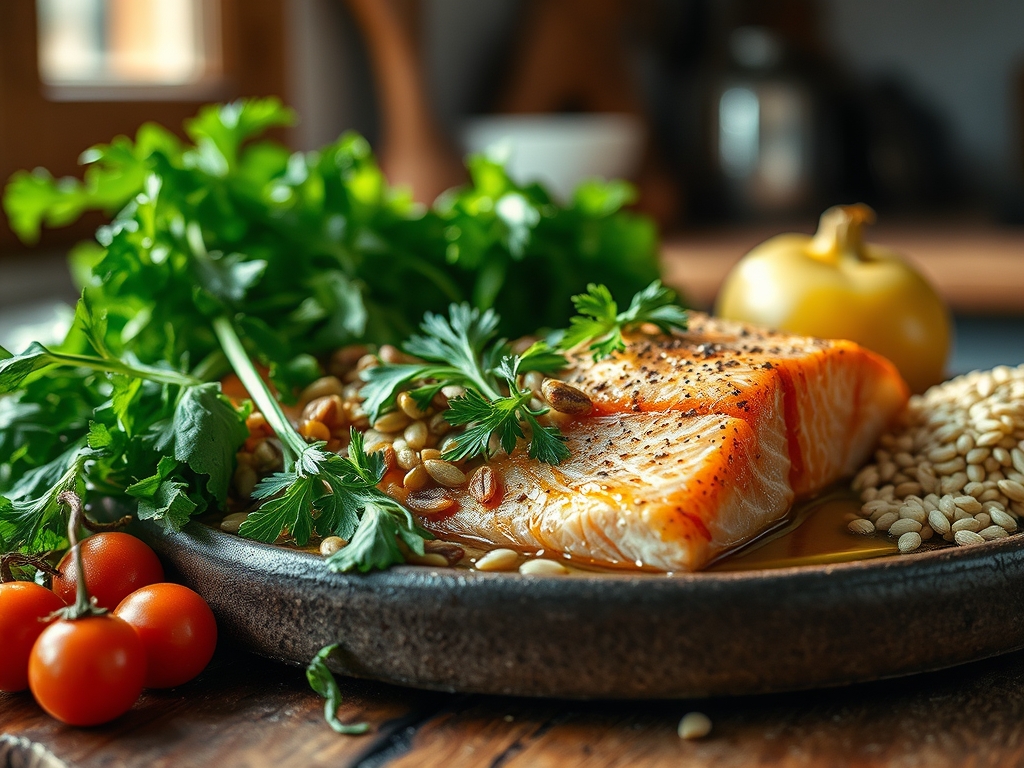
The Gathers:
The mise en place for these seven variations begins with the protein itself. You want center cut fillets, ideally weighing precisely 150 grams each for consistent thermal absorption. Use a digital scale to ensure uniformity; this prevents the thinner tail sections from overcooking while the core remains underdone. Next, gather your aromatics. Since garlic and onions are high trigger foods, we utilize "Smart Substitutions." Swap garlic for a tiny pinch of asafoetida (hing) to mimic that savory depth, or use the green tops of scallions which contain fewer fermentable carbohydrates.
For acidity, skip the harshness of distilled vinegar. Instead, reach for verjus or a very small amount of lemon zest. The zest contains the essential oils without the high citric acid content of the juice. Your fat source should be stable at medium heat; think ghee or avocado oil. These have high smoke points, meaning they will not break down into irritating free radicals. Finally, incorporate viscous thickeners like arrowroot powder or a slurry of soaked cashews to create silkiness in your sauces without the need for heavy, reflux inducing dairy.
The Clock:
Efficiency in the kitchen is about mastering the "Chef's Flow." For these seven meals, expect a total active prep time of 15 minutes and a cook time of approximately 12 minutes. The flow begins with the cold start method for the salmon to ensure the skin renders slowly. While the fish sits in a cold, heavy-bottomed skillet, you utilize the "dead time" to chiffonade your herbs with a sharp chef's knife.
The goal is to reach an internal temperature of 125 degrees Fahrenheit for a medium rare finish. This allows for thermal carryover, where the residual heat continues to cook the fish after it leaves the pan. By the time you have plated your blanched asparagus and quinoa, the salmon has rested for the mandatory three minutes, allowing the cellular structure to reabsorb its juices. This synchronized timing ensures that every component of the meal reaches the table at its peak temperature and texture.
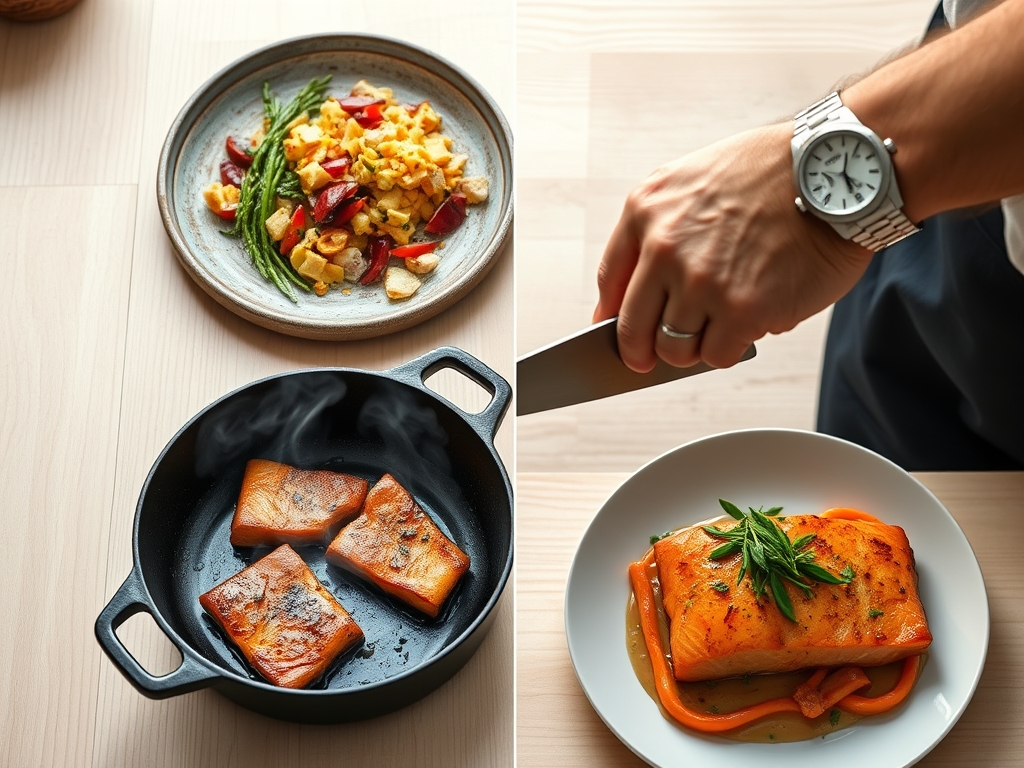
The Masterclass:
1. The Tempering Phase
Remove your salmon from the refrigerator 20 minutes before cooking. Use a bench scraper to clear your workstation and pat the skin bone-dry with a lint-free towel. Moisture is the enemy of the Maillard reaction.
Pro Tip: This phase reduces the temperature gradient between the pan and the fish, preventing the muscle fibers from seizing and pushing out albumin (that white protein goo).
2. The Cold Pan Sear
Place the salmon skin-side down in a cold non-stick skillet with a teaspoon of avocado oil. Turn the heat to medium. This slow ramp-up allows the subcutaneous fat to render fully, resulting in glass-like skin.
Pro Tip: Gradual heating ensures even heat flux, which prevents the exterior from carbonizing before the interior reaches the safe zone.
3. The Gentle Flip
Once the skin is crispy and the opaque color has climbed halfway up the side of the fillet, use fish spatula or offset tongs to gently flip. Turn the heat to low immediately.
Pro Tip: This utilizes conduction to finish the interior gently, preserving the delicate omega-3 oils which can degrade under extreme, direct heat.
4. The Infusion
Add a sprig of fresh thyme and a tablespoon of ghee to the pan. Use a large spoon to baste the hot fat over the fish. This adds a nutty aroma without the need for acidic marinades.
Pro Tip: Basting creates an insulatory layer of fat that finishes the top of the fish via convection, ensuring a succulent mouthfeel.
5. The Rest and Carryover
Transfer the salmon to a warm plate. Do not tent it with foil, as this creates steam that will soften the crispy skin you just worked so hard to achieve.
Pro Tip: During the rest, equilibrium is reached as heat moves from the exterior to the center, raising the internal temp by about 5 degrees.
6. The Bright Finish
Use a microplane to shave a tiny amount of ginger or lemon zest over the top. This provides a "piquant" high note that cuts through the richness of the fish without triggering acid production.
Pro Tip: Essential oils in the zest provide olfactory satisfaction, which signals the brain to begin the cephalic phase of digestion, aiding in smoother processing.
7. The Plate Assembly
Serve alongside a "mucilaginous" side dish like steamed okra or a smooth sweet potato puree. These foods provide a protective coating for the stomach lining.
Pro Tip: Combining textures like "crunchy" skin and "velvety" puree creates sensory contrast, making the meal feel indulgent despite the dietary restrictions.
The Deep Dive:
Each serving of these gerd friendly salmon recipes provides approximately 35g of protein, 18g of healthy fats, and 0g of refined carbohydrates. For those looking for Dietary Swaps, vegans can substitute the salmon with a thick slab of "ocean-seasoned" firm tofu, though the cooking time will increase to achieve a proper crust. Keto followers should pair the fish with cauliflower rice sautéed in coconut aminos, while GF diners are naturally safe as long as they avoid soy sauce in favor of tamari.
The Fix-It: If your salmon is sticking to the pan, you likely tried to flip it too early; wait for the protein to naturally de-bond from the surface. If the fish is dry, you missed the carryover window; pull it off the heat 5 degrees earlier next time. If the skin is rubbery, the heat was too high too fast; stick to the cold-start method for better fat rendering.
For Meal Prep, the secret to "day-one" quality is reheating via the sous-vide method or in a low-temperature oven (275F) with a splash of broth. Microwaving vibrates water molecules too violently, which toughens the delicate fish proteins and creates a "fishy" aroma through the oxidation of fats.
The Wrap-Up:
Living with GERD doesn't mean you are destined for a lifetime of bland, boiled chicken and sadness. By understanding the molecular behavior of fats and proteins, we can create gerd friendly salmon recipes that are genuinely world class. We have used science to bypass the triggers and culinary technique to elevate the experience. You now have the tools, the timing, and the technical knowledge to turn a simple piece of fish into a digestive-friendly masterpiece. Go grab your tongs and let the healing sizzle begin!
The Kitchen Table:
Can I use frozen salmon for these recipes?
Yes, but you must thaw it completely in the refrigerator first. Pat it extremely dry to ensure the Maillard reaction can occur. Excess moisture causes the fish to steam rather than sear, resulting in a rubbery texture.
Why is salmon better for GERD than white fish?
Salmon contains high levels of omega 3 fatty acids, which are known to reduce inflammation in the esophagus. While leaner white fish is safe, the healthy fats in salmon provide a more satisfying, viscous mouthfeel without requiring acidic sauces.
What is the best oil for reflux-friendly cooking?
Choose oils with high smoke points and low inflammatory markers, such as avocado oil or refined olive oil. Avoid butter or seed oils, which can degrade at high temperatures and irritate the sensitive lining of the digestive tract.
How do I add flavor without using garlic or onion?
Utilize fresh herbs like parsley, cilantro, or dill. You can also use asafoetida for a savory note or small amounts of ginger. These provide "aromatic complexity" without the fermentable sugars that typically cause gas and reflux.