
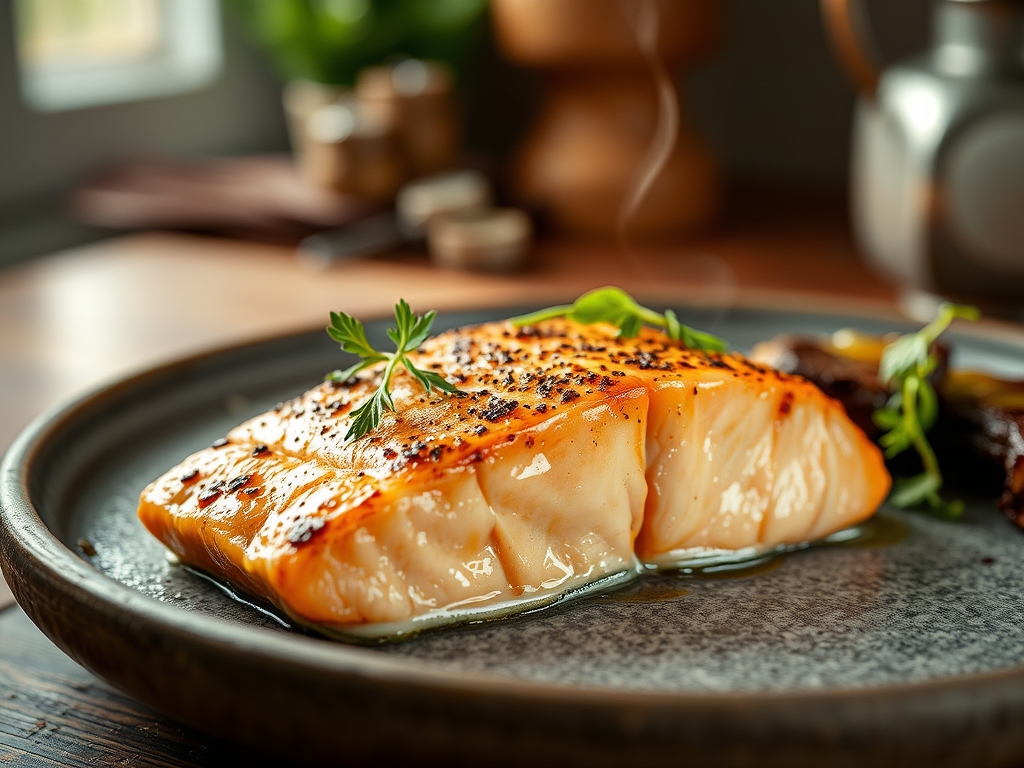
Picture the exact moment the heavy-bottomed stainless steel skillet meets the cold oil. There is a specific, high-frequency hiss that signals the start of something legendary. When you are hunting for award winning salmon recipes, you are not just looking for a dinner idea; you are looking for that elusive combination of a glass-shattered crisp skin and a translucent, buttery interior. This is the intersection of high-heat physics and delicate marine proteins. Most home cooks treat salmon like a sturdy steak, but it is actually more akin to a custard. It requires precision, a bit of scientific swagger, and an understanding of how amino acids react to thermal stress. We are going to move past the soggy, grey fillets of your past and dive into the mechanics of the perfect sear. By the time we are done, you will understand why a simple piece of fish can win gold medals when treated with the respect of a laboratory experiment. We are chasing the Maillard reaction while protecting the delicate Omega-3 fats that make this protein a nutritional powerhouse.
The Gathers:
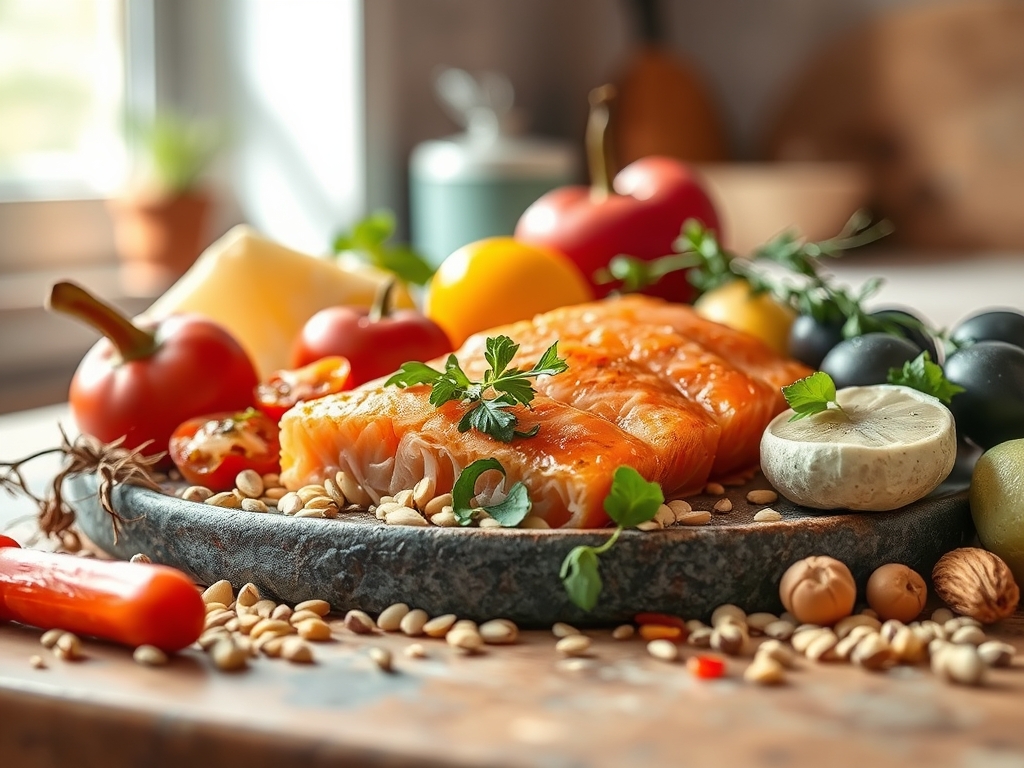
To execute these award winning salmon recipes, your mise-en-place must be clinical. Start with center-cut Atlantic or King salmon fillets, ideally six ounces each. The center-cut ensures uniform thickness, which is the primary variable in consistent heat distribution. You will need high-smoke-point fats; avocado oil or clarified butter (ghee) are superior because they do not break down at the 400 degree Fahrenheit threshold required for a professional crust.
For the aromatics, gather fresh thyme, unpeeled garlic cloves for a mellow infusion, and a high-quality flaky sea salt like Maldon. The salt is not just for flavor; the jagged crystal structure provides a tactile contrast to the soft protein. You will also need a piquant acid to cut through the viscous fats. A fresh lemon is standard, but a splash of dry white wine or verjus adds a complex layer of acidity that elevates the dish.
Smart Substitutions: If you are avoiding dairy, swap the finishing butter for a cold-pressed extra virgin olive oil added off-heat to preserve its polyphenols. If you cannot find fresh herbs, a pinch of toasted fennel seeds provides a similar aromatic lift. For a low-sodium approach, use a microplane to zest lime over the finished fish; the citrus oils trick the palate into perceiving seasoning without the chloride hit.
The Clock: The Chef's Flow
Efficiency in the kitchen is about managing thermal momentum. Your total active prep time is exactly 10 minutes, focusing on moisture removal and seasoning. The cooking phase takes approximately 8 to 12 minutes, depending on the thickness of the fillet.
The "Chef's Flow" dictates that your side dishes must be 90 percent complete before the fish ever touches the pan. Salmon waits for no one. Once it reaches its internal target temperature, the carryover cooking will continue for several minutes. If you are still peeling potatoes when the salmon hits 120 degrees Fahrenheit, you have already lost the window of perfection. Set your digital timer for a 4-minute initial sear, followed by a 3-minute finish on the flesh side.
The Masterclass: Nine Secrets to Perfection
1. The Desiccation Ritual
Use a lint-free paper towel to press every molecule of moisture from the skin. Moisture is the enemy of the Maillard reaction. If the skin is damp, the energy from the pan will go toward evaporating water (steaming) rather than browning the proteins.
Pro Tip: This is known as surface evaporation. By removing water, you allow the temperature to rise rapidly above 300 degrees Fahrenheit, which is where the complex flavor compounds are born.
2. The Cold-Pan Myth
Always preheat your heavy-bottomed skillet until the oil shimmers and barely begins to smoke. When the fish hits the pan, the proteins should instantly contract. This prevents the fish from bonding to the metal surface.
Pro Tip: This utilizes the Leidenfrost effect, where a layer of vapor creates a temporary non-stick barrier between the protein and the pan.
3. The Weight Technique
As soon as the salmon hits the oil, it will want to curl due to muscle contraction. Use a flexible fish spatula or a small weighted press to hold the fillet flat for the first 30 seconds.
Pro Tip: This ensures 100 percent surface-to-metal contact, resulting in an even, edge-to-edge golden crust.
4. Thermal Management
Do not flip the fish too early. Watch the side of the fillet; you will see the opaque color creep up from the bottom. When it reaches the halfway point, it is time to turn.
Pro Tip: Heat travels through the fish via conduction. Moving the fish too often disrupts this steady flow of energy and ruins the crust.
5. The Butter Baste
In the final two minutes, drop a knob of butter, smashed garlic, and thyme into the pan. Tilt the skillet and use a large spoon to continuously douse the salmon in the foaming fat.
Pro Tip: This is called "arroser." The hot butter infuses the fish with fat-soluble aromatics while gently finishing the top side without toughening it.
6. The Internal Target
Use a digital scale or a high-quality instant-read thermometer. Pull the salmon at 125 degrees Fahrenheit for a medium-rare finish.
Pro Tip: Thermal carryover will raise the internal temperature by another 5 degrees while the fish rests, landing you at a perfect 130 degrees.
7. Acidic Deglazing
Once the fish is removed, deglaze the pan with a splash of white wine or lemon juice. Scrape up the browned bits (the fond) to create a pan sauce.
Pro Tip: Deglazing captures the concentrated flavors stuck to the pan, creating an emulsion that ties the whole dish together.
8. The Rest Period
Allow the salmon to rest on a wire rack for three minutes before serving. Placing it on a flat plate will trap steam and soften the crispy skin you worked so hard to achieve.
Pro Tip: Resting allows the muscle fibers to relax and reabsorb juices, ensuring the moisture stays in the fish rather than on your plate.
9. The Finishing Salt
Apply a final dusting of flaky salt from a height of twelve inches. This ensures even distribution and a hit of crunch in every bite.
Pro Tip: This adds a final layer of "pop" that stimulates the salivary glands and enhances the perceived sweetness of the fish.
The Deep Dive: Nutrition and Troubleshooting
Macro Nutrition: A standard 6-ounce serving provides roughly 34 grams of high-quality protein and 13 grams of healthy fats, primarily monounsaturated and Omega-3 fatty acids. It is naturally zero-carb, making it a staple for metabolic health.
Dietary Swaps: For a Keto version, increase the butter baste. For a Vegan "salmon" experience, use compressed watermelon or marinated tofu, though the cooking times will vary significantly. This recipe is naturally Gluten-Free, provided your seasonings are pure.
The Fix-It:
- White Gunk (Albumin): If you see white liquid seeping out, the heat is too high or you are overcooking it. The muscle fibers are contracting too hard and squeezing out the protein. Fix: Lower the heat immediately.
- Sticking Skin: You likely tried to move the fish before the crust was set. Fix: Wait. The fish will "release" itself from the pan once the proteins are sufficiently browned.
- Raw Center: If the skin is burning but the middle is cold, your pan was too hot. Fix: Finish the fish in a 300 degree oven for three minutes to allow gentle heat penetration.
Meal Prep: To reheat salmon without the "fishy" smell, avoid the microwave. Use a low-temperature oven (275 degrees) with a splash of water covered in foil. This gently rehydrates the protein without oxidizing the delicate fats.
The Wrap-Up
Mastering award winning salmon recipes is about more than just following a timer; it is about engaging your senses to monitor the chemical transformations in the pan. When you see that vibrant orange flesh turn to a pale, flaking pink and hear the sizzle transition to a gentle bubble, you know you have succeeded. This dish is a testament to the power of simple ingredients treated with technical rigor. Go forth, grab your favorite skillet, and turn a Tuesday night dinner into a culinary event.
The Kitchen Table: FAQs
How do I stop salmon from smelling "fishy"?
Buy high-quality, fresh fillets and cook them the day of purchase. Pat the skin dry and use an acidic component like lemon or vinegar to neutralize trimethylamine, the compound responsible for that characteristic odor.
Can I cook salmon from frozen?
It is possible but not recommended for award-winning results. Thawing in the refrigerator overnight ensures even heat distribution. Cooking from frozen often leads to a tough exterior and a raw, icy center.
Why is my salmon skin always soggy?
You likely have too much moisture on the skin or your pan temperature is too low. Ensure the skin is bone-dry and the oil is shimmering hot before the fish makes contact with the skillet.
What is the best oil for searing salmon?
Use oils with high smoke points such as avocado, grapeseed, or canola oil. Avoid extra virgin olive oil for the initial high-heat sear as it can smoke and turn bitter at high temperatures.