
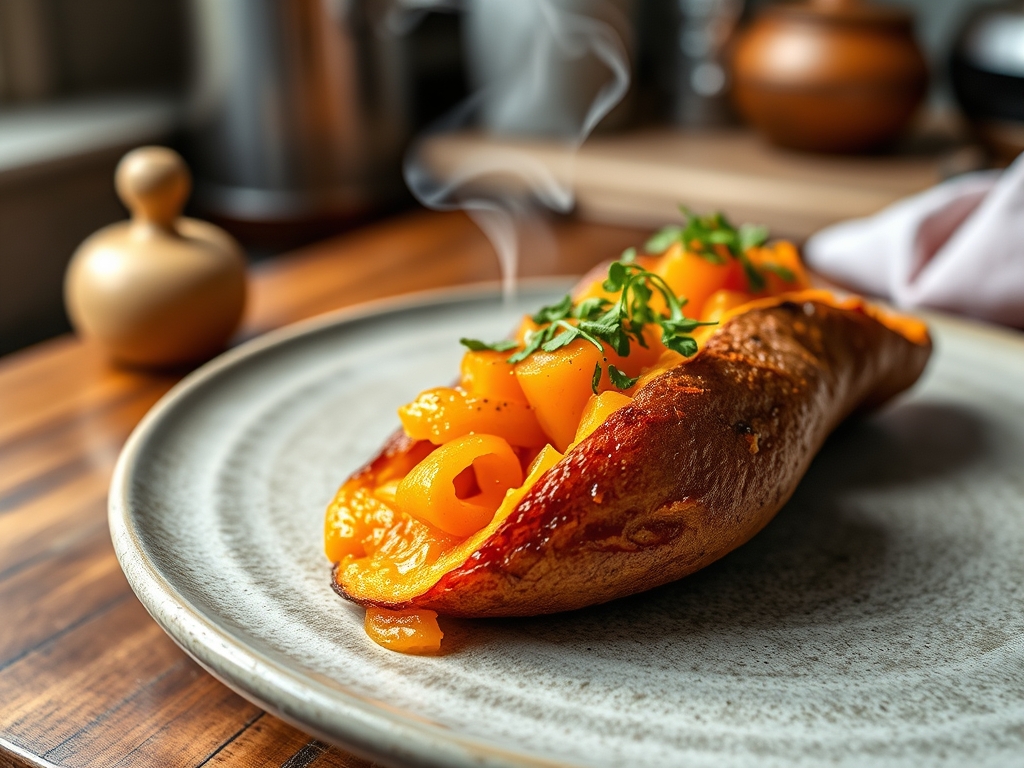
Imagine the steam rising from a heavy-bottomed skillet as you crack open a tin of amber-hued gems. Most people relegate these pantry staples to sugary holiday casseroles, but we are about to flip the script. By mastering savory sweet potato recipes with canned yams, you unlock a world of velvety textures and caramelized depth that fresh tubers often require hours of roasting to achieve.
The secret lies in the canning process itself. These yams are essentially pre-steamed in their own juices, which means the starches have already begun the transformation into maltose. We are going to harness that pre-existing sugar profile and balance it with salt, acid, and heat. This is not just a shortcut; it is a tactical culinary maneuver. Whether you are folding them into a piquant curry or searing them into a salty hash, these hacks turn a humble can into a five-star foundation.
The Gathers:
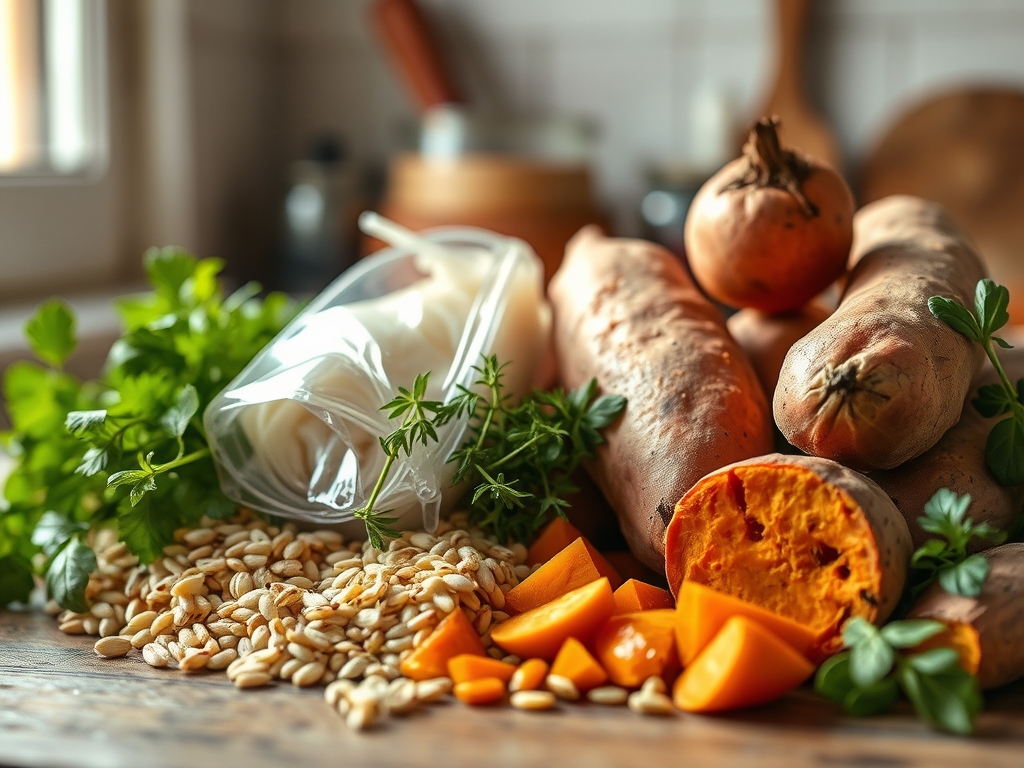
To begin our savory transformation, you need a precise mise-en-place. Start with two 15-ounce cans of yams in light syrup or water. If they are in syrup, we must rinse them thoroughly in a fine-mesh sieve to remove excess sucrose, which prevents unwanted scorching during high-heat applications. You will also need high-smoke-point fats like avocado oil or clarified butter to facilitate the Maillard reaction without acrid smoke.
Gather your aromatic toolkit: fresh ginger for a zesty bite, garlic cloves for depth, and a block of aged pecorino or parmesan to introduce a salty, umami counterpoint. A microplane is essential here for aerating the cheese and finely grating the aromatics into a paste. For acidity, keep a bottle of apple cider vinegar or a fresh lime nearby to cut through the viscous texture of the root vegetable.
Smart Substitutions: If you are out of canned yams, canned pumpkin puree works for mashes, though it lacks the structural integrity for searing. For a vegan profile, swap the butter for a cold-pressed coconut oil; it mimics the saturated fat mouthfeel required for a rich, emulsified sauce. If you need a lower glycemic index, look for yams packed in water rather than syrup to keep the glucose spike in check.
The Clock:
Efficiency in the kitchen is all about "Chef's Flow." This means grouping tasks by heat levels and physical movement to minimize downtime.
- Prep Time: 10 minutes. This includes rinsing, draining, and pat-drying the yams. Moisture is the enemy of a good sear, so do not skip the drying phase.
- Active Cook Time: 15 to 20 minutes. Most of these hacks rely on rapid stovetop techniques like deglazing or pan-frying.
- Total Time: 30 minutes.
The flow starts with the "dry-prep" of your spices and aromatics while the yams drain. By the time your saucier or skillet is preheated, your ingredients are ready to hit the pan in a choreographed sequence. This prevents the aromatics from burning while you fumble with a can opener.
The Masterclass:
1. The Crispy Smashed Yam
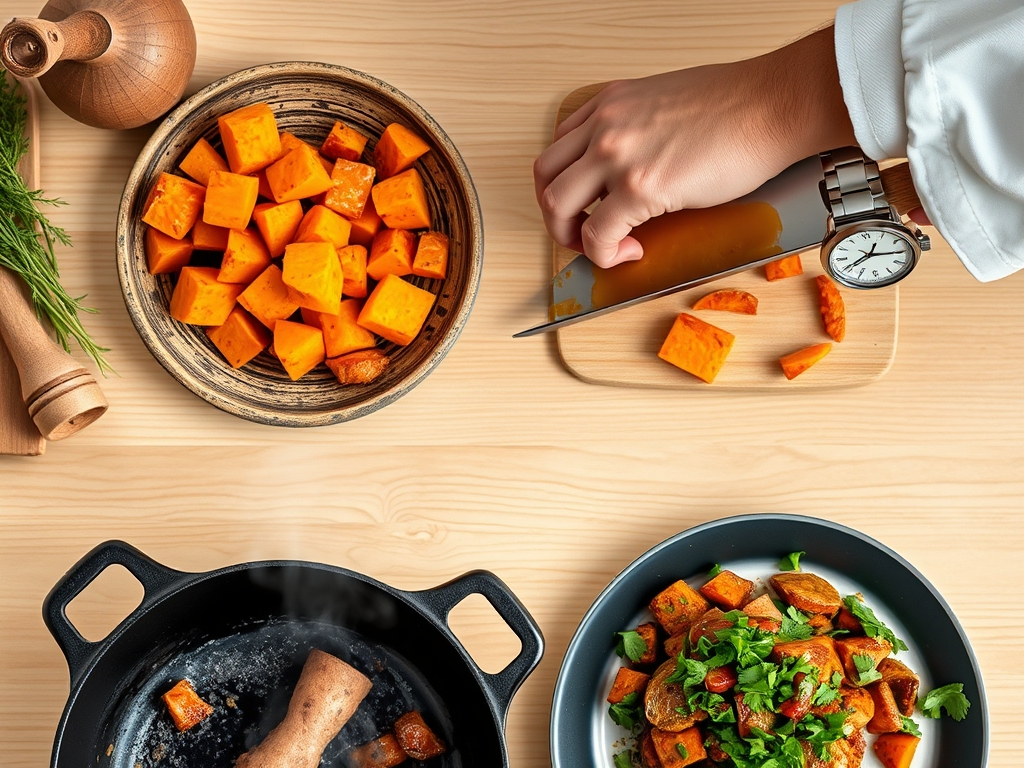
Drain the yams and pat them bone-dry with a lint-free towel. Place them on a baking sheet and use a flat-bottomed glass to gently press them into discs. Drizzle with olive oil and sea salt, then roast at 425 degrees Fahrenheit until the edges turn a deep mahogany.
Pro Tip: This relies on thermal carryover. Remove the yams when they look slightly underdone; the residual heat trapped in the dense starch center will finish the crisping process on the pan without burning the exterior.
2. The Miso-Glazed Sauté
Heat a heavy-bottomed skillet over medium-high heat. Add the yams and a tablespoon of white miso paste thinned with a splash of water. Toss rapidly with tongs to coat each piece in a salty, fermented glaze.
Pro Tip: Miso contains live enzymes and proteins that accelerate enzymatic browning. The sugars in the yams and the amino acids in the miso create a rapid Maillard reaction, resulting in a complex, savory crust.
3. The Velvety Savory Mash
Transfer drained yams to a saucier and add a splash of vegetable stock and a knob of butter. Use a silicone spatula to fold the mixture over low heat until it reaches a uniform consistency. Whisk in a teaspoon of smoked paprika and cracked black pepper.
Pro Tip: Using a saucier with rounded sides prevents the starch from scorching in the corners. This ensures a smooth emulsification between the vegetable water content and the added fats.
4. The Spiced Yam Hummus
Pulse canned yams in a food processor with tahini, lemon juice, and cumin. The natural pectin in the yams acts as a stabilizer, creating a dip that is significantly creamier than traditional chickpea versions.
Pro Tip: The viscosity of the yam puree provides a structural matrix that holds air bubbles better than chickpeas, resulting in a lighter, more aerated mousse texture.
5. The Yam and Chorizo Hash
Render the fat from spicy chorizo in a skillet, then add diced canned yams. The yams will absorb the rendered pork fat, infusing them with smoky, piquant flavors.
Pro Tip: This is a classic example of lipid infusion. The fat-soluble flavors from the chorizo migrate into the porous structure of the yam, flavoring it from the inside out.
6. The Quick Curry Base
Blend a can of yams with a cup of coconut milk and a tablespoon of red curry paste. Simmer this mixture to create a thick, luscious sauce for poached fish or chicken.
Pro Tip: The starches in the yams act as a natural thickening agent, eliminating the need for a flour-based roux or heavy cream to achieve a rich mouthfeel.
7. The Savory Yam Pancake
Mash the yams with one egg and two tablespoons of almond flour. Fry small dollops in a skillet until golden. Top with sour cream and chives for a sophisticated appetizer.
Pro Tip: The egg proteins provide structural coagulation, binding the loose yam starches into a solid form that won't fall apart when flipped with a bench scraper.
8. The Deglazed Balsamic Yams
Sear the yams in a hot pan until charred, then deglaze the pan with two tablespoons of balsamic vinegar. The acid will lift the browned bits (the fond) from the pan and coat the yams in a tangy reduction.
Pro Tip: Deglazing releases the concentrated flavors stuck to the pan, while the acetic acid in the vinegar balances the high sugar content of the canned yams.
9. The Smoky Yam Soup
Simmer yams with chicken bone broth and a chipotle pepper in adobo. Use an immersion blender to create a silky, smoky soup in under ten minutes.
Pro Tip: High-speed blending breaks down the cellulose walls of the vegetable, releasing more flavor compounds and creating a texture that feels luxurious on the palate.
The Deep Dive:
When we look at the macro nutrition of canned yams, they are a powerhouse of Vitamin A and potassium. While the canning process reduces some Vitamin C, the fiber content remains largely intact. To keep these recipes healthy, always prioritize rinsing the syrup away.
Dietary Swaps: For a keto-friendly version, limit the portion size and pair with high-protein fats like macadamia nut oil. For vegan guests, nutritional yeast provides that "cheesy" hit of umami without the dairy. If you are gluten-free, canned yams are a natural win; just ensure your spices and broths are certified GF.
The Fix-It:
- Mushy Texture: If your yams are too soft, do not stir them. Let them sit in a hot, oiled pan undisturbed for three minutes to develop a crust.
- Too Sweet: Increase the salt and add a bitter element like charred kale or a splash of lemon juice to reset the flavor profile.
- Sticking to Pan: Your pan wasn't hot enough. Use a digital scale to ensure your portions are consistent and allow the oil to shimmer before adding the vegetables.
Meal Prep: To reheat, avoid the microwave as it turns starches gummy. Instead, use an air fryer at 350 degrees for five minutes. This removes excess moisture and restores the "day-one" crispness through convection heating.
The Wrap-Up:
You are now officially a master of the pantry. By treating canned yams as a sophisticated ingredient rather than a holiday afterthought, you have added nine versatile, savory weapons to your culinary arsenal. Remember, the key is balancing that inherent sweetness with bold, salty, and acidic flavors. Go forth, grab that can opener, and transform your next meal into a scientific masterpiece of flavor and texture!
The Kitchen Table:
Can I use canned yams for savory dishes?
Yes. By rinsing away the syrup and pairing them with salt, acid, and heat, you can create complex savory mashes, hashes, and glazes that rival fresh roasted sweet potatoes.
How do I make canned yams less sweet?
Rinse the yams thoroughly under cold water. Balance the remaining natural sugars by adding umami-rich ingredients like miso, soy sauce, or aged cheeses, and finish with a squeeze of lime.
Why are my canned yams falling apart?
Canned yams are pre-cooked and fragile. To maintain their shape, pat them dry and sear them over high heat without excessive stirring. This allows a protective crust to form.
Are canned yams and sweet potatoes the same?
In the United States, most "canned yams" are actually a variety of sweet potato with orange flesh. True yams are starchy, white-fleshed tubers from Africa and Asia, but they are rarely found canned.