
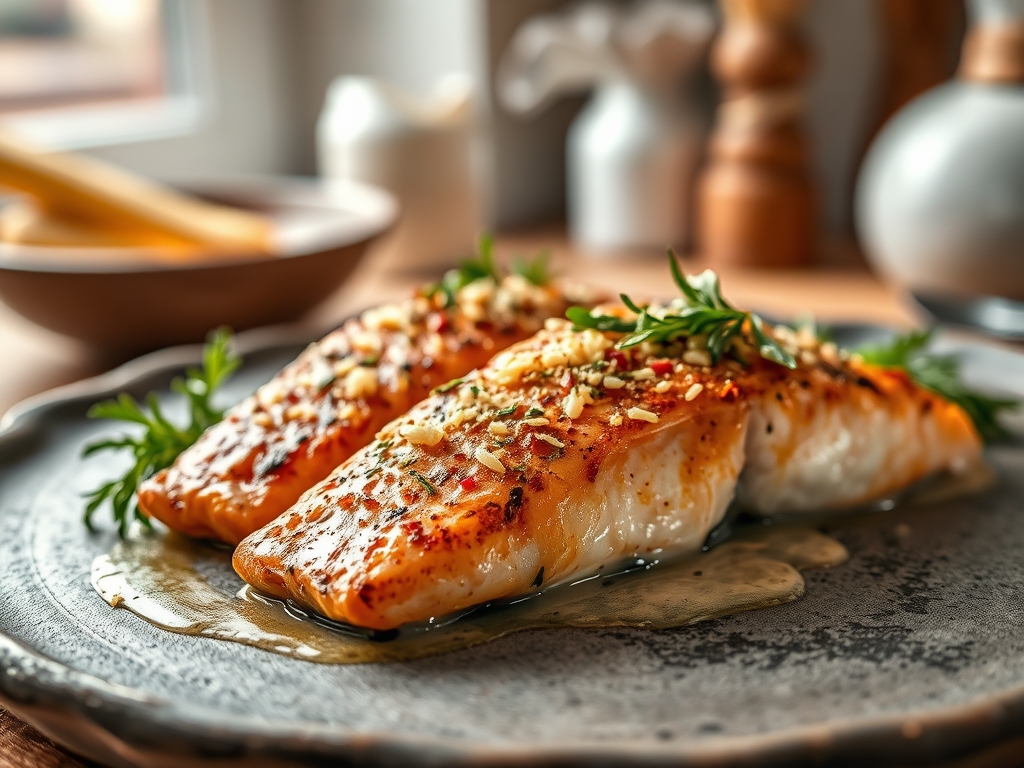
Picture a quiet Tuesday evening transformed by the scent of nutty, toasted cheese and the delicate, buttery aroma of Atlantic fillets. We have all scrolled through endless parmesan salmon recipes baked in a rush; however, the difference between a soggy mess and a restaurant-grade crust lies in the molecular marriage of fat and heat. This is not just dinner; it is an exercise in textural mastery where the piquant bite of aged cheese meets the rich, omega-3 laden silkiness of the fish. If you have ever struggled with salmon that feels more like a wet sponge than a gourmet entree, you are in the right place. We are going to deconstruct the chemistry of the perfect crust and the thermal physics of the internal flake. Grab your favorite apron and a glass of crisp Sauvignon Blanc because we are about to elevate your weeknight rotation into something truly sublime.
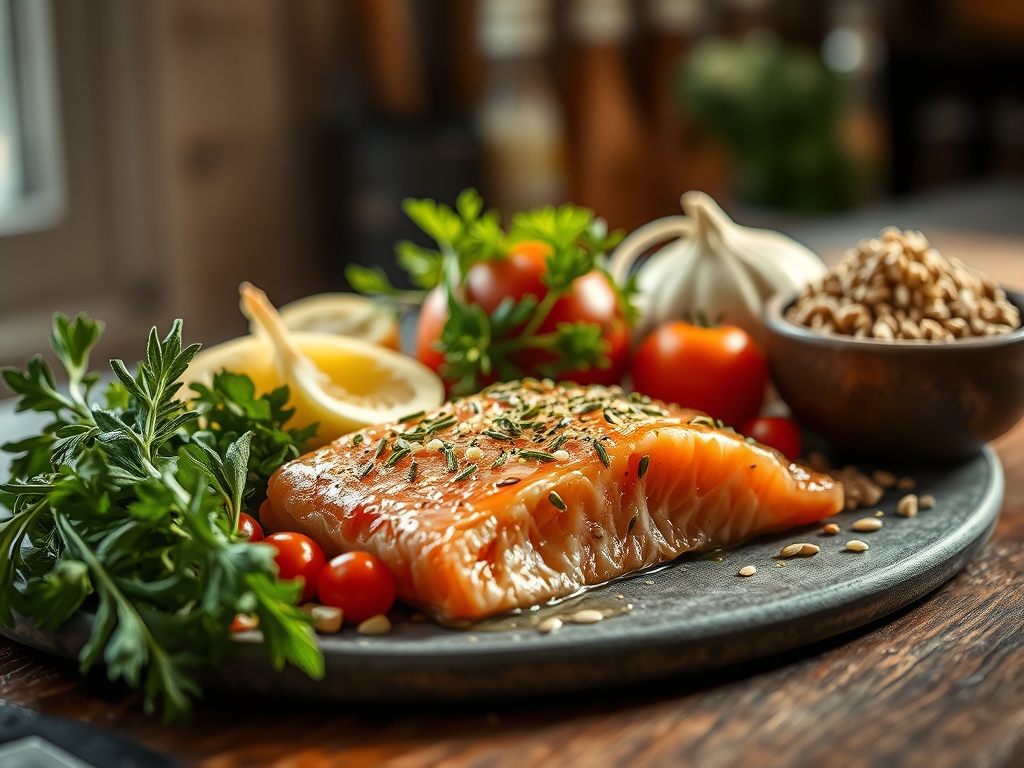
The Gathers:
To achieve a professional result, your mise-en-place must be precise. Start with a high-quality center-cut salmon fillet; look for vibrant color and a firm texture that springs back when pressed. You will need a microplane to grate your Parmesan Reggiano into a fine, snowy pile. This increases the surface area, allowing the cheese to melt and brown evenly rather than clumping into greasy pockets.
Gather your secondary components: fresh garlic cloves to be crushed into a viscous paste, panko breadcrumbs for that essential crunch, and a high-fat European butter to act as the primary lipid binder. For the acidic lift, fresh lemon zest is non-negotiable. The volatile oils in the zest provide a bright aromatic profile that heavy juice simply cannot match.
Smart Substitutions: If you are avoiding gluten, swap the panko for crushed pork rinds or almond flour to maintain that structural integrity. For a dairy-free alternative, nutritional yeast combined with a touch of miso paste can mimic the savory umami profile of the parmesan. If you cannot find fresh salmon, frozen sockeye works beautifully as long as you pat it bone-dry with paper towels to prevent unwanted steam during the baking process.
The Clock
Efficiency in the kitchen is about the Chef's Flow. This entire process should take no more than 25 minutes from fridge to table. Your active preparation time is approximately 10 minutes; this involves the grating, mixing, and coating of the fillets. The actual baking duration sits between 12 to 15 minutes depending on the thickness of your cut.
The "flow" dictates that you preheat your oven to 400 degrees Fahrenheit before you even touch the fish. This ensures the heating element is fully stabilized. While the oven climbs, you prep your crust. By the time your digital scale confirms your portions, the oven is ready to receive them. This synchronization prevents the fish from sitting at room temperature for too long, which can compromise the protein structure.
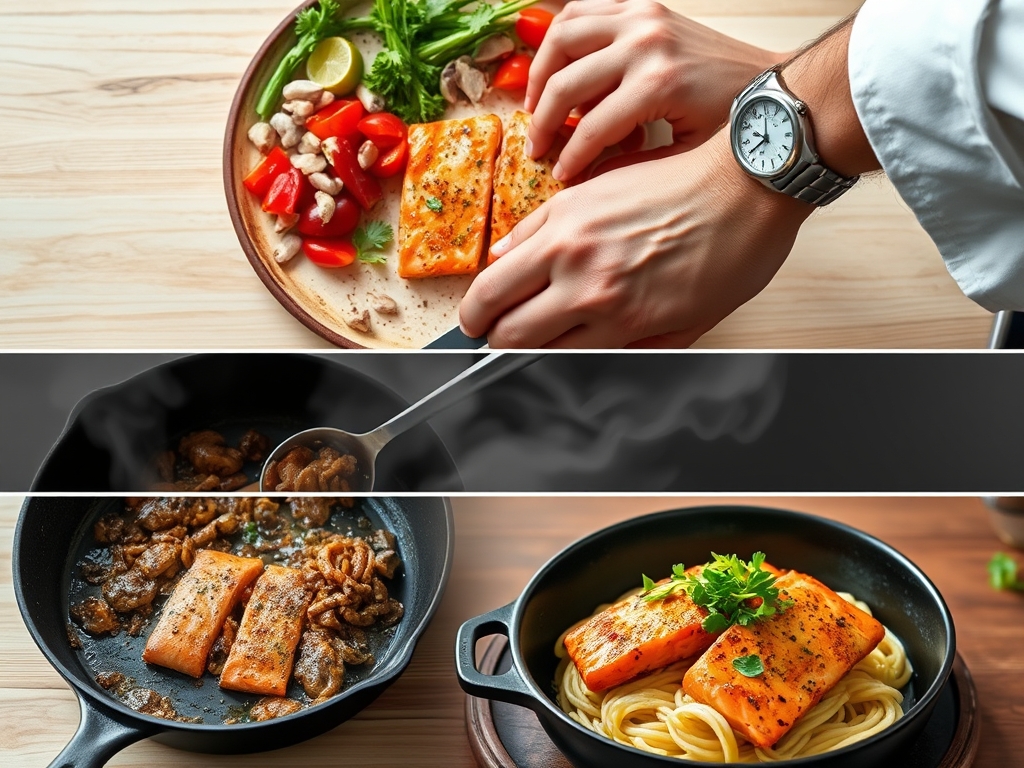
The Masterclass
1. The Desiccation Phase
Before any seasoning touches the fish, you must use a paper towel to remove every trace of surface moisture. This is the most critical step for achieving a crisp finish.
Pro Tip: This is about the Leidenfrost effect in reverse. If moisture remains on the surface, the heat of the oven will be spent evaporating that water rather than browning the fish. Dry skin ensures the fats can render properly.
2. The Emulsion Binder
In a small saucier or mixing bowl, combine melted butter, crushed garlic, and a teaspoon of Dijon mustard. Whisk until the mixture is fully emulsified and thick.
Pro Tip: The mustard acts as a natural emulsifier, bridging the gap between the fats and the proteins. This creates a "glue" that prevents your parmesan crust from sliding off the fillet during the bake.
3. The Aerated Crust
Grate your parmesan using a microplane and toss it with the breadcrumbs and lemon zest. Do not pack the mixture down; keep it light and airy.
Pro Tip: Aerating the crust allows hot air to circulate between the crumbs. This maximizes the surface area for the Maillard reaction, which is the chemical dance between amino acids and reducing sugars that creates that golden-brown color.
4. The Application
Lay your fillets on a parchment-lined baking sheet. Brush the emulsion over the top and then generously press the parmesan mixture onto the surface using a bench scraper or your palms to ensure even coverage.
Pro Tip: Even distribution is key for consistent thermal conductivity. If one area is thicker than another, you risk having sections that are burnt while others remain doughy and undercooked.
5. The Precision Bake
Slide the tray into the center rack of the oven. Bake until the internal temperature reaches 130 degrees Fahrenheit for a perfect medium.
Pro Tip: Always account for thermal carryover. The internal temperature of the salmon will continue to rise by 5 degrees after you remove it from the oven. Pulling it at 130 ensures a final resting temp of 135 degrees.
The Deep Dive
From a nutritional standpoint, this dish is a powerhouse. You are looking at approximately 35 grams of protein per 6-ounce serving, alongside a healthy dose of Vitamin D and B12. While the parmesan and butter add some saturated fat, the primary lipid profile remains dominated by heart-healthy monounsaturated and polyunsaturated fats from the salmon itself.
Dietary Swaps: To make this Keto-friendly, simply eliminate the breadcrumbs and double the parmesan and crushed walnuts. For a Vegan version, use a "salmon" made of marinated tofu or carrots, and utilize a cashew-based parmesan substitute.
The Fix-It:
- Soggy Crust: This usually happens because the oven temperature was too low. Ensure your oven is truly at 400 degrees.
- Dry Fish: You likely skipped the resting phase or overcooked it. Use a digital thermometer to be certain.
- Bland Flavor: You need more salt or acid. Remember that the parmesan is salty, but the fish itself needs a light dusting of kosher salt before the topping is applied.
Meal Prep: If you are reheating leftovers, do not use the microwave; it will turn the salmon into rubber. Instead, place the fillet in a 300-degree oven with a splash of water in the pan, covered with foil. This creates a gentle steam environment that restores moisture without destroying the crust.
The Wrap-Up
Mastering parmesan salmon recipes baked at home is about more than just following a list of ingredients; it is about respecting the ingredients and the physics of heat. When you treat the fish with care and understand why we dry the skin or emulsify the binder, you unlock a level of flavor that most home cooks never reach. This dish is fast, elegant, and scientifically sound. Go forth and conquer your kitchen with the confidence of a pro!
The Kitchen Table
Can I use pre-grated parmesan cheese?
Avoid pre-grated cheese because it contains anti-caking agents like cellulose. These additives prevent the cheese from melting smoothly and can result in a gritty, sandy texture. For the best melt, always grate your own cheese from a fresh block.
How do I know the salmon is done without a thermometer?
Gently press the top of the fillet with a fork or your finger. If the flakes begin to separate easily along the white lines of fat (the albumin), the fish is ready. It should feel firm but still have a slight give.
Why is my salmon oozing white stuff?
That white substance is called albumin. It is a protein that pushes to the surface when the salmon is cooked too quickly or overcooked. To minimize this, cook the fish at a steady temperature and avoid overshooting the internal target.
Can I bake the salmon with the skin on?
Yes, baking with the skin on is actually preferred. The skin acts as a thermal barrier, protecting the delicate flesh from the direct heat of the pan. It also helps the fillet retain its moisture and structural integrity during the process.