
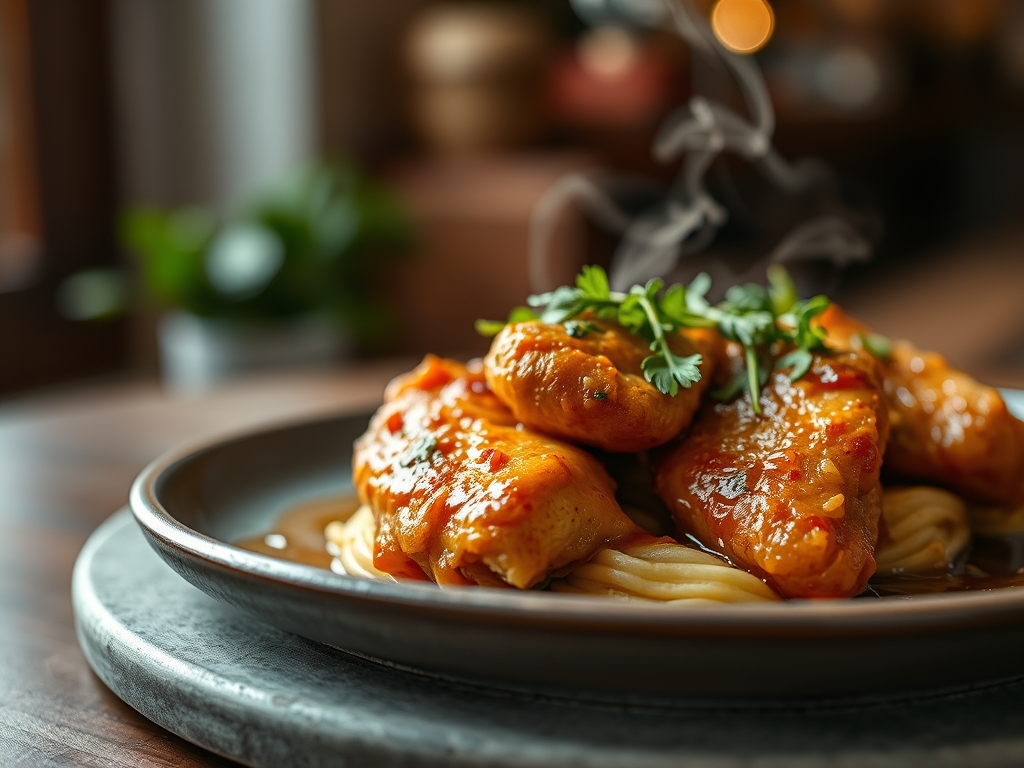
Picture the moment a heavy-bottomed skillet hits the flame. The air fills with the scent of caramelizing sugars and searing protein. We are moving far beyond basic honey mustard. To master sweet chicken recipes, you must understand the delicate balance of glucose and amino acids. We are building flavor profiles that dance between piquant heat and velvet sweetness.
The secret to these sweet chicken recipes lies in the Maillard reaction. This is the chemical marriage between proteins and sugars that creates that deep, golden-brown crust we crave. When you introduce honey, maple, or fruit reductions to high heat, you are not just sweetening the meat. You are conducting a symphony of complex aromatic compounds. It is science; it is art; it is the most addictive dinner you will ever make.
We are going to explore nine distinct ways to glaze, braise, and roast. From a sticky pomegranate molasses wing to a delicate apricot-thyme breast, we are treating sugar as a structural element, not just a condiment. Grab your apron and your favorite tongs. We are about to transform your kitchen into a high-end bistro where the chicken is always succulent and the glaze is always glass-smooth.
The Gathers:
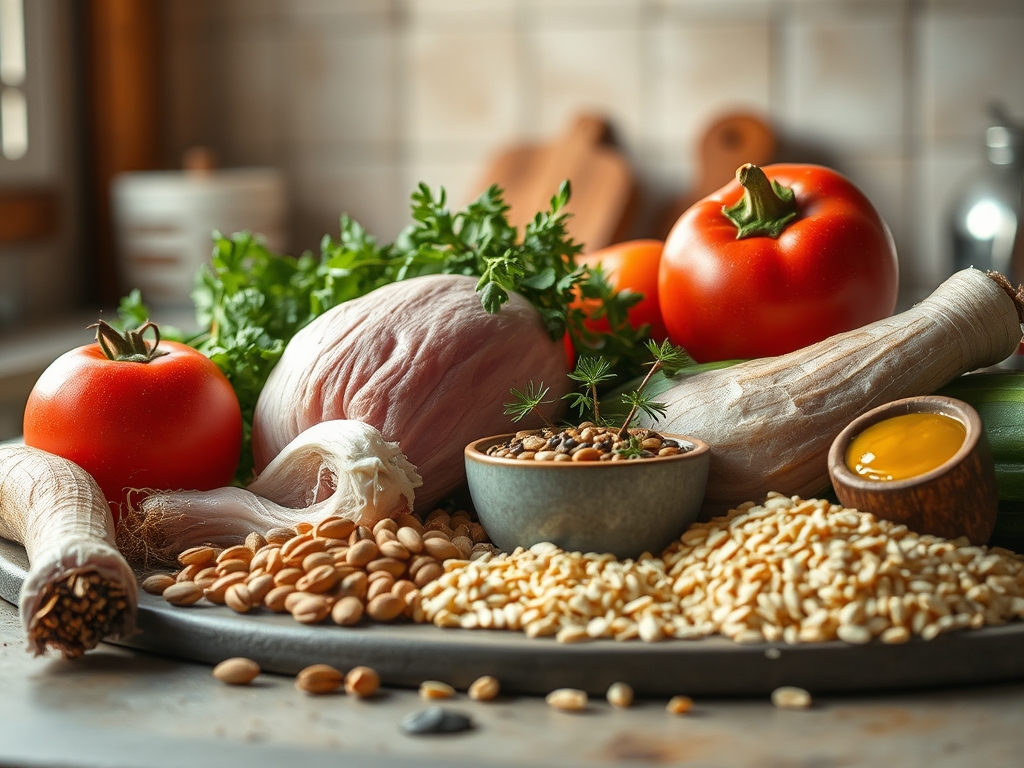
To execute these sweet chicken recipes with precision, your mise-en-place must be impeccable. We start with the protein. I prefer air-chilled thighs for their higher fat content, which allows the meat to remain moist even as the exterior sugars reach high temperatures. You will need a variety of viscous sweeteners: raw honey, Grade A maple syrup, and perhaps a dark brown sugar for its molasses undertones.
The aromatics are equally vital. Use a microplane to zest fresh ginger and garlic into a fine paste. This ensures the flavors infuse the sauce without leaving chunky, burnt bits in your skillet. For acidity, keep rice vinegar and fresh lime juice on hand to brighten the palate. If you are looking for smart substitutions, coconut aminos offer a fantastic soy-free depth, while agave nectar provides a neutral sweetness that does not compete with delicate herbs like tarragon. Always use a digital scale for your dry ingredients; precision is the difference between a sauce that coats the spoon and one that runs off the plate.
The Clock:
In the professional kitchen, we talk about "Chef's Flow." This is the temporal logic of a recipe. For these sweet chicken recipes, expect a total commitment of forty-five to sixty minutes. Prep work takes roughly fifteen minutes. This involves trimming the fat, patting the skin bone-dry with paper towels, and whisking your glazes.
The cooking phase is split into two acts. First, the sear takes eight to ten minutes. This renders the fat and builds the foundation of flavor. The second act is the glaze reduction, which usually takes another twelve minutes. Remember to account for a five-minute rest period. This allows the internal juices to redistribute, ensuring every bite is tender rather than dry. If you rush the clock, your sugars will burn before the internal temperature reaches the safe zone of 165 degrees Fahrenheit.
The Masterclass:
1. The Critical Sear
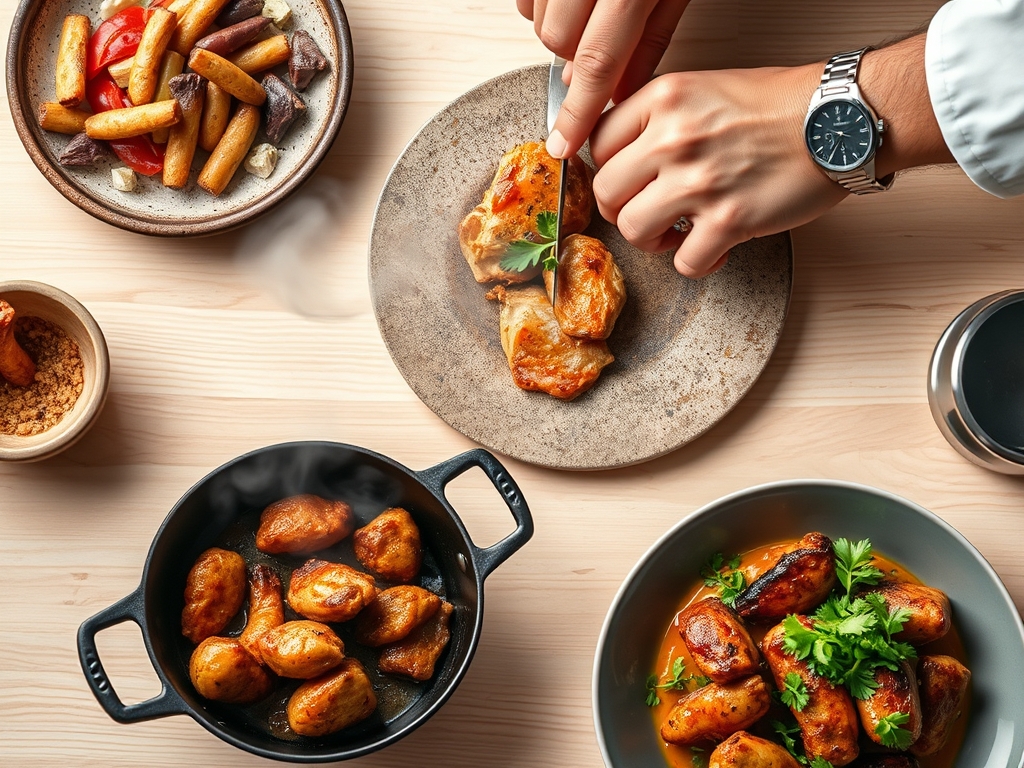
Start by heating your heavy-bottomed skillet over medium-high heat until a drop of water flicked onto the surface dances and evaporates instantly. Place the chicken skin-side down. Do not crowd the pan, as this causes the meat to steam rather than sear. Use your tongs to press the meat down, ensuring maximum surface contact.
Pro Tip: This stage relies on thermal conductivity. By maintaining high heat, you trigger the Maillard reaction before the sugars in the marinade can carbonize and turn bitter.
2. Deglaze and Aerate
Once the chicken is golden, remove it and pour off excess rendered fat. Add your liquid aromatics or a splash of white wine to the pan. Use a wooden spoon or a bench scraper to lift the "fond"—those delicious brown bits stuck to the bottom. This is where the soul of your sauce lives.
Pro Tip: Deglazing releases concentrated flavor molecules that have bonded to the metal. This step prevents the sugar-heavy sauce from sticking and burning in later stages.
3. The Glaze Reduction
Pour your sweet base—whether it is honey, jam, or syrup—into the pan. Lower the heat to medium. As the water evaporates, the sauce will become increasingly viscous. This is the time to add your chicken back into the skillet, spooning the liquid over the top repeatedly.
Pro Tip: This process is called reduction. By removing water, you concentrate the solutes, creating a glossy, thick coating through the science of evaporation.
4. The Final Infusion
During the last three minutes of cooking, add your fresh herbs or citrus zest. This ensures the volatile oils in the herbs do not dissipate under high heat, keeping the scent sharp and fresh. Use a saucier or a small spoon to baste the meat continuously until the glaze looks like liquid glass.
Pro Tip: This is known as aromatic layering. Adding delicate ingredients at the end preserves their chemical integrity, providing a bright counterpoint to the heavy, caramelized sugars.
The Deep Dive:
When we look at the macro nutrition of sweet chicken recipes, the focus is on balancing the carbohydrate load from the glazes with high-quality protein. On average, a serving provides thirty grams of protein and fifteen to twenty grams of sugar. To make this keto-friendly, swap the honey for an allulose-based syrup, which behaves similarly under heat without the glycemic spike. For a vegan twist, cauliflower florets or firm tofu can be treated with the exact same glazing techniques.
If you hit a snag, don't panic. If your sauce is too thin, a tiny cornstarch slurry (one teaspoon cornstarch to one teaspoon cold water) will fix it instantly. If the sauce is too sweet, add a dash of apple cider vinegar to provide an acidic balance. If the chicken is sticking, it usually means the proteins haven't finished "releasing" from the pan; wait another minute before flipping. For meal prep, reheat your chicken in a covered pan with a tablespoon of water. This creates steam that thins the glaze back to its original silky state, avoiding the "rubber chicken" texture of a microwave.
The Wrap-Up:
You are now equipped to dominate the world of sweet chicken recipes. We have covered the chemistry of the sear, the art of the reduction, and the precision of the finish. Cooking is about more than following a list of ingredients; it is about understanding how heat transforms simple elements into something extraordinary. Go forth, use your microplane with confidence, and remember that the best glaze is one that balances the wildness of heat with the comfort of sugar. Your kitchen table is about to become the most popular spot in town.
The Kitchen Table:
How do I prevent honey from burning in the pan?
Always add honey toward the end of the cooking process or keep the heat at a medium simmer. High heat causes rapid carbonization of natural sugars, which creates a bitter, burnt flavor profile instead of a sweet glaze.
Can I use frozen chicken for these recipes?
Yes, but you must thaw it completely and pat it bone-dry. Excess moisture from frozen meat creates steam, which prevents the Maillard reaction and results in a grey, rubbery texture rather than a crisp, golden-brown finish.
What is the best way to thicken a fruit-based glaze?
Allow the fruit juices to reduce by half over medium heat. If it remains too thin, whisk in a small amount of cold butter or a cornstarch slurry. This increases the viscosity and gives the sauce a professional, glossy sheen.
Why does my chicken get tough when glazed?
This is usually caused by overcooking. Sugary glazes take time to thicken, and often the chicken finishes before the sauce. Use a digital thermometer to ensure the meat stays at 165 degrees Fahrenheit to maintain internal moisture.