
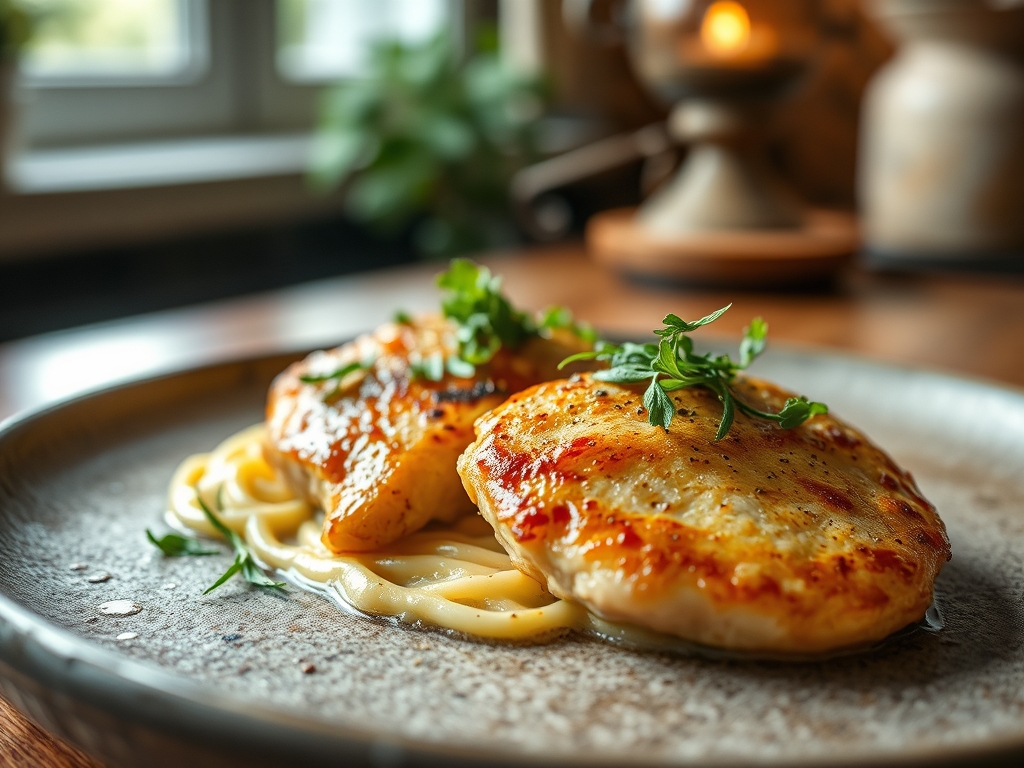
Imagine the sound of a heavy-bottomed skillet meeting a flame; it is the opening chord of a kitchen symphony. You are standing there with a glass of crisp white wine, watching as cold butter hits hot stainless steel and begins to foam. This is the sensory heart of swiss chicken recipes. We are talking about golden, pan-seared poultry draped in the nutty, melt-in-your-mouth luxury of Gruyere and Emmental. It is a dish that feels like a velvet blanket for your soul. It relies on the chemistry of fat and protein to create a savory profile that lingers on the palate.
There is a specific magic that happens when the piquant notes of a dry white wine meet the creaminess of a mushroom-infused sauce. It is not just dinner; it is an exercise in balancing acidity and richness. Whether you are hosting a frantic Tuesday night or a slow Sunday lunch, these recipes offer a masterclass in texture. We are aiming for a crisp exterior that yields to a succulent, tender interior. Grab your favorite apron and let us get into the molecular details of why this comfort food remains a culinary titan.
The Gathers:
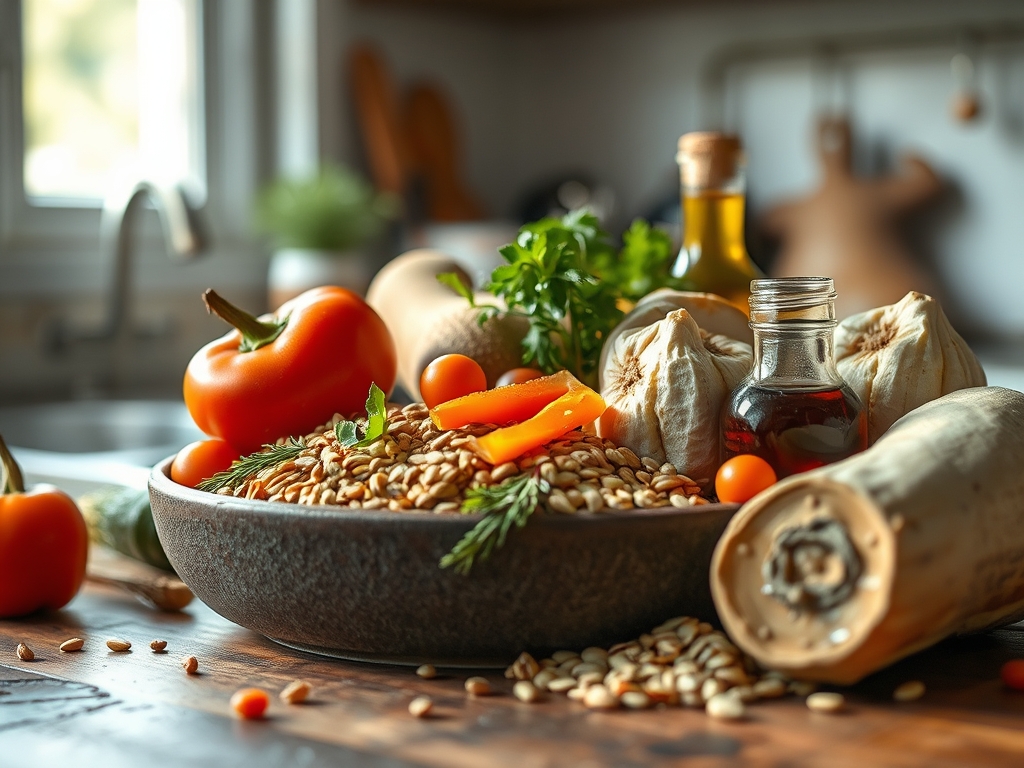
To execute these swiss chicken recipes with precision, your mise-en-place must be flawless. Start with six organic chicken breasts, approximately six ounces each. You will need sixteen ounces of high-quality Swiss cheese; look for a mix of Gruyere for its high fat content and Emmental for its classic holey structure and mild nuttiness. For the aromatic base, gather four cloves of garlic, one large shallot, and eight ounces of cremini mushrooms.
The liquid components are vital. You require one cup of dry Sauvignon Blanc to deglaze and one cup of heavy cream to emulsify. For the crunch, use two cups of panko breadcrumbs or crushed butter crackers. Use a microplane to zest a fresh lemon and grate your nutmeg. A digital scale is your best friend here to ensure the breading-to-meat ratio is consistent across all six servings.
Smart Substitutions:
If you are avoiding alcohol, replace the wine with a high-quality chicken bone broth spiked with a tablespoon of white wine vinegar to maintain the necessary acidity. For a lighter version, swap the heavy cream for full-fat Greek yogurt, though you must temper it first to prevent curdling. If Gruyere is out of your budget, a sharp Jarlsberg or a domestic Swiss provides a similar melting point and flavor profile.
The Clock
Efficiency in the kitchen is about understanding the "Chef's Flow." Total prep time for these recipes is approximately 20 minutes, with a cook time of 35 to 40 minutes. This includes the time needed to pound the chicken to a uniform thickness, which ensures even thermal distribution.
The flow begins with the sear. You spend 8 minutes at the stove developing the Maillard reaction. While the chicken rests, you spend 5 minutes building the pan sauce. The final 25 minutes are passive; the oven does the heavy lifting of melting the cheese and crisping the topping. Total investment is under an hour, but the result tastes like a twelve-hour braise.
The Masterclass
1. The Uniform Flattening
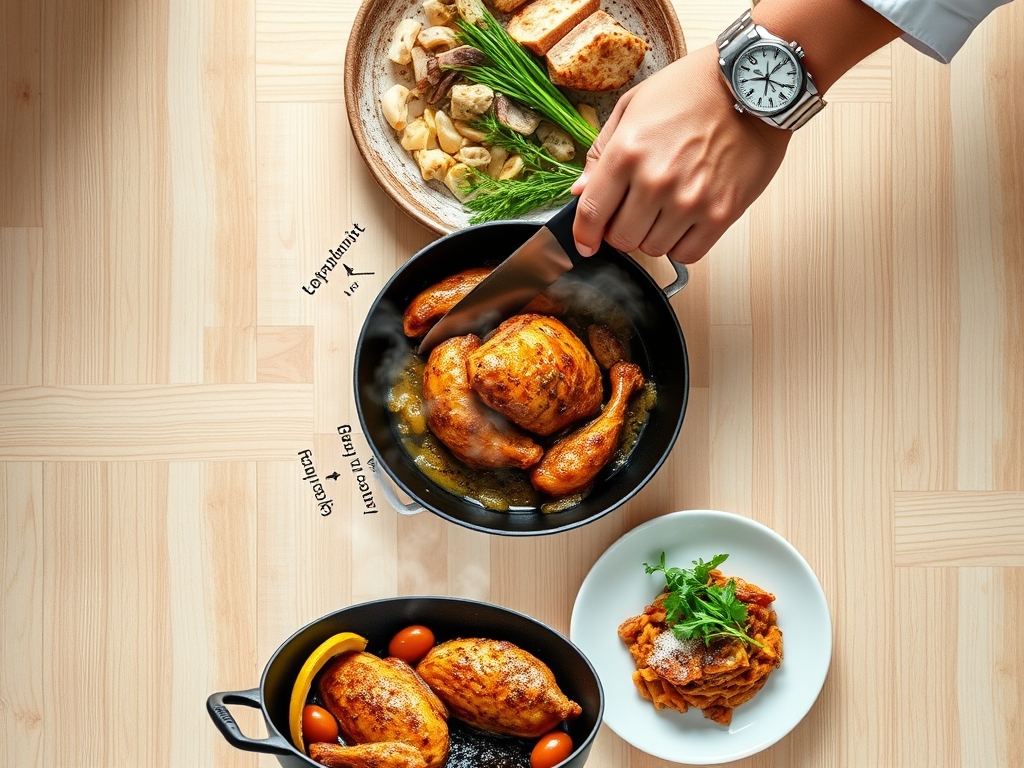
Place your chicken breasts between two sheets of parchment paper. Use a meat mallet or the bottom of a heavy skillet to pound them to a consistent half-inch thickness.
Pro Tip: This process breaks down the tough connective tissues and ensures every part of the breast reaches the safe internal temperature of 165 degrees Fahrenheit simultaneously, preventing the thin edges from drying out.
2. The Maillard Sear
Season the poultry aggressively with kosher salt and cracked black pepper. Heat two tablespoons of neutral oil in your skillet until it reaches the smoke point. Sear the chicken for 3 minutes per side until a deep golden crust forms.
Pro Tip: This is the Maillard reaction, a chemical reaction between amino acids and reducing sugars that creates hundreds of different flavor compounds. Do not overcrowd the pan or the meat will steam instead of sear.
3. The Deglaze and Infuse
Remove the chicken and add your sliced mushrooms and shallots. Once they render their moisture and turn brown, pour in the white wine. Use a wooden spoon to scrape the "fond" (the brown bits) from the bottom of the pan.
Pro Tip: Deglazing captures the concentrated protein particles stuck to the pan, incorporating that intense savory flavor directly into your sauce base.
4. The Emulsion Build
Lower the heat and whisk in your heavy cream and a pinch of freshly grated nutmeg. Simmer until the sauce is viscous enough to coat the back of a spoon.
Pro Tip: Nutmeg contains myristicin, which chemically enhances the "nutty" notes of Swiss cheese, creating a more complex flavor profile through molecular pairing.
5. The Cheese Layering
Place the seared chicken into a baking dish and pour the sauce over the top. Layer thick slices of Gruyere over each breast, ensuring total coverage to trap moisture.
Pro Tip: The cheese acts as a thermal insulator. As the oven heat penetrates the dish, the cheese prevents the chicken's internal juices from evaporating, keeping the meat succulent.
6. The Final Crunch and Bake
Top the cheese with your seasoned breadcrumbs mixed with melted butter. Bake at 375 degrees Fahrenheit for 20 minutes until the cheese is bubbling and the topping is golden brown.
Pro Tip: Watch for thermal carryover. Remove the dish when the internal temp hits 160 degrees; the residual heat will bring it to the perfect 165 degrees while it rests on the counter.
The Deep Dive
Macro Nutrition:
A standard serving of these swiss chicken recipes contains approximately 450 calories, 38g of protein, 28g of fat, and 12g of carbohydrates. It is a high-protein, high-fat meal that provides sustained satiety.
Dietary Swaps:
- Keto: Replace the breadcrumbs with crushed pork rinds or almond flour mixed with parmesan.
- Gluten-Free: Use GF-certified panko or a layer of thinly sliced potatoes.
- Vegan-ish: While difficult for this specific dish, you can use "chick'n" cutlets and a cashew-based cream sauce with nutritional yeast to mimic the Swiss funk.
The Fix-It:
- Broken Sauce: If your cream sauce separates, whisk in a teaspoon of hot water or a splash of cold cream to re-emulsify the fats.
- Soggy Topping: If the crumbs aren't browning, move the rack to the top position and use the broiler for 60 seconds. Stay vigilant to avoid burning.
- Rubbery Chicken: This usually means the heat was too high during the initial sear. Use a digital thermometer next time to pull the meat exactly at the right moment.
Meal Prep & Reheating:
To maintain "day-one" quality, store the sauce and chicken together but keep the crunchy topping in a separate airtight container. When reheating, use the oven or an air fryer at 325 degrees. Microwaves vibrate water molecules too violently, which can turn the cheese rubbery and the chicken tough.
The Wrap-Up
Mastering swiss chicken recipes is about more than just following a list of ingredients; it is about understanding how heat, acid, and fat interact to create comfort. You have learned how to deglaze a pan like a pro and why pounding your chicken is a non-negotiable step for texture. This dish is a powerhouse of flavor that brings the elegance of the Alps into your home kitchen. Now, go grab those tongs and start searing. Your kitchen is about to smell incredible.
The Kitchen Table
What is the best cheese for Swiss chicken?
A blend of Gruyere and Emmental is ideal. Gruyere provides a rich, salty depth and excellent meltability, while Emmental adds the classic mild, nutty flavor profile associated with traditional Swiss cuisine.
How do I keep the chicken from getting dry?
Use a meat thermometer to pull the chicken at 160 degrees Fahrenheit. The thermal carryover will finish the cooking process to 165 degrees while resting, ensuring the fibers remain hydrated and tender rather than stringy.
Can I make Swiss chicken ahead of time?
Yes. You can prep the chicken and sauce up to 24 hours in advance. Store them covered in the refrigerator, but wait to add the breadcrumb topping until immediately before baking to ensure maximum crunch.
Why did my cream sauce curdle?
Curdling happens when the heat is too high or the sauce is too acidic. Always lower the temperature before adding dairy and ensure you have properly emulsified the wine reduction into the fat base first.