
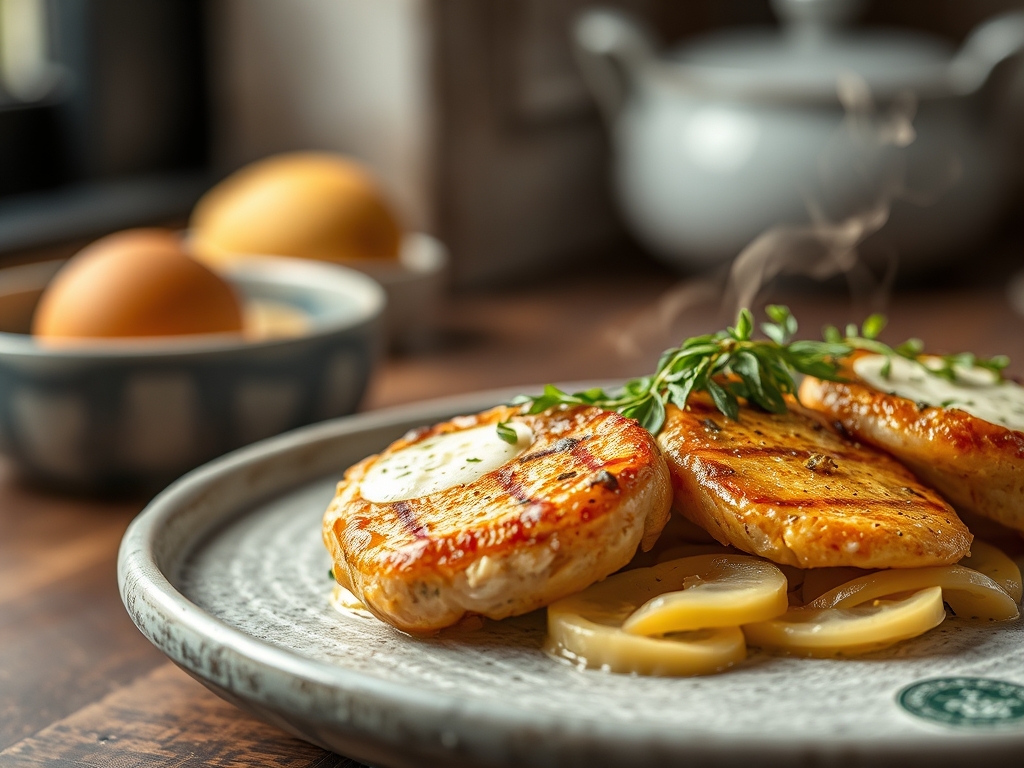
Imagine the scent of searing poultry skin meeting the sharp, earthy tang of a softened chevre. It is a sensory collision that turns a humble weeknight dinner into a sophisticated bistro experience. Mastering goat cheese and chicken recipes requires more than just heat; it demands an understanding of how creamy acidity balances savory proteins.
The magic of this pairing lies in the contrast. Chicken breast is a lean canvas that risks drying out under high heat, while goat cheese provides a fatty, moisture-locking barrier that infuses the meat with a bright, piquant finish. Whether you are stuffing a breast with herbed goat cheese or whisking it into a pan sauce, the result is always luxurious. This collection of ten elegant dishes will guide you through the nuance of heat management and flavor layering. We are moving beyond basic roasting into the realm of professional emulsion and texture play. Grab your heavy-bottomed skillet and a glass of crisp Sauvignon Blanc; we are about to elevate your culinary repertoire through the beautiful science of dairy and poultry.
The Gathers:
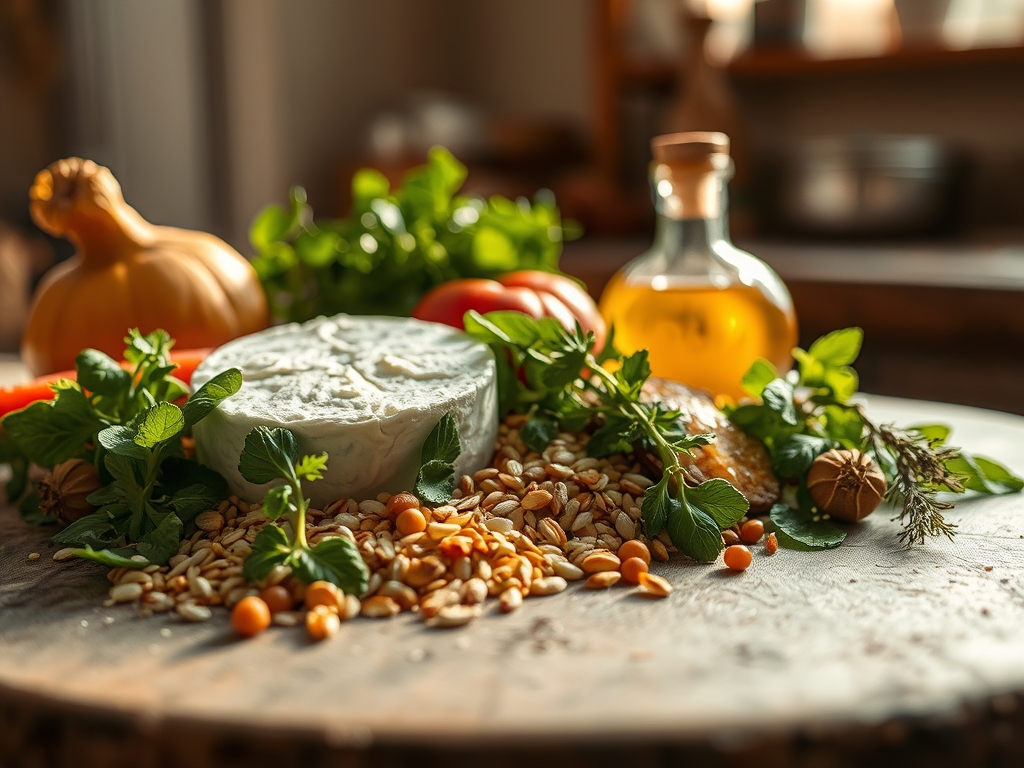
To execute these goat cheese and chicken recipes with precision, your mise-en-place must be impeccable. Start with high-quality poultry, ideally air-chilled chicken breasts or thighs. Air-chilled meat has less water retention, which allows for a more efficient Maillard reaction during the searing process. For the cheese, look for a fresh chevre with a high moisture content. It should feel supple, not crumbly, to ensure it melts into a viscous sauce rather than separating into grainy curds.
Your aromatic profile should include fresh thyme, rosemary, and shallots. Shallots are preferred over onions because their higher sugar content allows them to caramelize faster, providing a mellow sweetness that offsets the goat cheese acidity. You will also need a high-smoke-point fat, like avocado oil or clarified butter, to achieve a golden crust without scorching.
Smart Substitutions: If you find goat cheese too aggressive, swap it for a whipped feta or a high-fat ricotta blended with lemon zest to mimic that signature tang. For a dairy-free alternative, use a cashew-based "cheese" fermented with acidophilus to achieve the same lactic bite. If you are out of fresh herbs, use a microplane to grate dried bay leaves into a fine powder; this releases essential oils that provide a concentrated herbal punch.
The Clock
Efficiency in the kitchen is about "Chef's Flow." This is the practice of overlapping tasks so that no second is wasted. For most goat cheese and chicken recipes, the active prep time is roughly 20 minutes, with a cook time of 25 minutes. However, the total duration includes a critical 10-minute rest period.
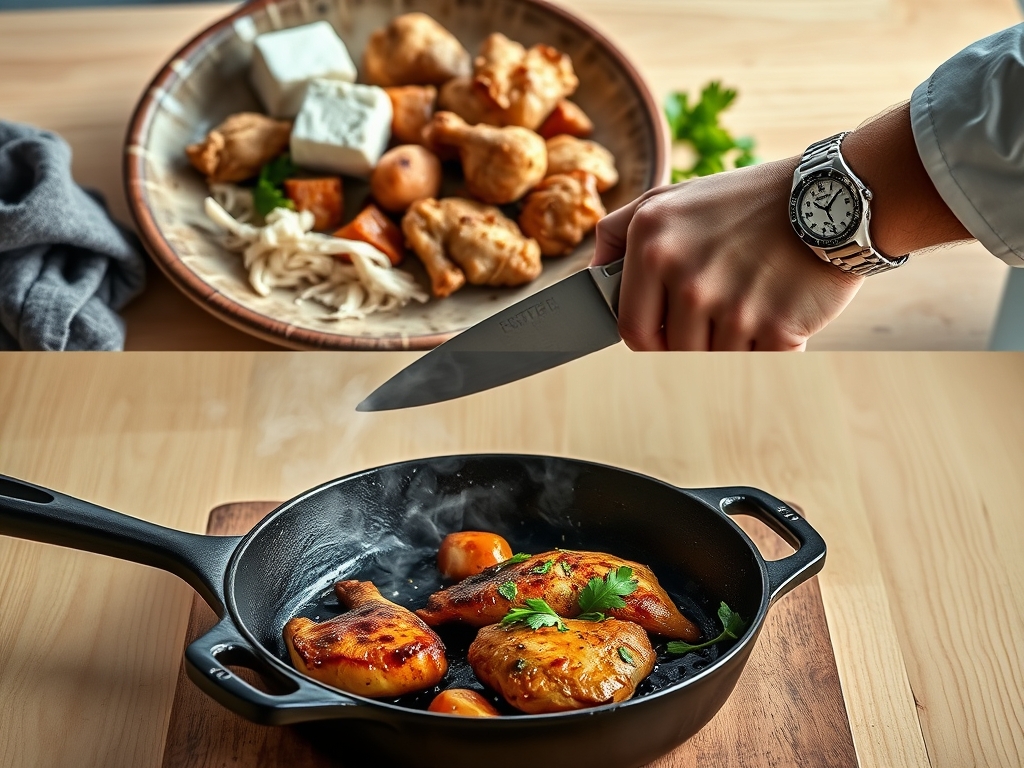
The flow begins with the temper phase. Take your chicken and cheese out of the refrigerator 30 minutes before cooking. Cold meat hits a hot pan and causes the muscle fibers to contract violently, squeezing out moisture. By bringing the ingredients to room temperature, you ensure an even heat distribution. While the meat tempers, perform your knife work. Use a sharp chef's knife to mince shallots and chiffonade herbs. By the time your heavy-bottomed skillet is preheated, your ingredients are ready for the high-heat dance.
The Masterclass
1. The Sear and Render
Place your seasoned chicken skin-side down in a preheated skillet with a thin film of oil. Use tongs to press the meat down, ensuring maximum surface contact. Do not move the meat for at least four minutes.
Pro Tip: This stage relies on conduction. Moving the chicken too early tears the protein bonds before they have fully dehydrated and browned, a process known as sticking.
2. The Deglaze
Once the chicken is flipped and nearly cooked, remove it and add shallots to the pan. Once translucent, pour in a splash of dry white wine or chicken stock. Use a wooden spoon to scrape up the brown bits (fond) from the bottom.
Pro Tip: This is deglazing, which captures the concentrated flavor of caramelized proteins and incorporates them into your liquid base for a deeper umami profile.
3. The Emulsion
Lower the heat to a simmer and whisk in the goat cheese. Use a saucier or a whisk to vigorously combine the cheese with the pan liquids until the sauce is glossy and smooth.
Pro Tip: This creates a fat-in-water emulsion. Keeping the heat low prevents the cheese proteins from tightening and "breaking" the sauce into an oily mess.
4. The Herb Infusion
Add your fresh herbs at the very end of the sauce-making process. Stir them in just until they wilt and release their aromatic oils.
Pro Tip: Volatile oils in herbs like basil or parsley are heat-sensitive. Adding them too early causes the flavors to dissipate into the air rather than staying in the sauce.
5. The Rest
Return the chicken to the pan briefly to coat it, then move it to a cutting board. Let it sit for five to seven minutes before slicing.
Pro Tip: This allows for thermal carryover. As the internal temperature rises slightly, the juices redistribute from the center back to the edges, ensuring every bite is succulent.
The Deep Dive
Macro Nutrition: Goat cheese and chicken recipes are a powerhouse of lean protein and healthy fats. A standard 6-ounce serving provides approximately 45 grams of protein. Goat cheese is lower in lactose and contains medium-chain fatty acids, which are more easily digested than the fats found in cow's milk.
Dietary Swaps: To make these dishes Keto-friendly, serve the chicken over a bed of sautéed spinach or cauliflower rice to soak up the sauce. For a Gluten-Free version, ensure your chicken stock is certified GF and avoid using flour as a thickener; the goat cheese itself acts as a natural emulsifier.
The Fix-It:
- The Sauce is Grainy: This happens if the heat was too high. Fix it by adding a tablespoon of heavy cream and whisking vigorously off the heat to re-emulsify the fats.
- The Chicken is Dry: You likely bypassed the resting phase. Next time, use a digital scale to ensure even thickness or use a meat thermometer to pull the chicken at 160 degrees Fahrenheit.
- The Cheese didn't Melt: Some aged goat cheeses have less moisture. If your cheese is stubborn, add a splash of warm pasta water; the starch will help bind the cheese into a creamy coating.
Meal Prep: When reheating, avoid the microwave, which turns chicken into rubber. Instead, place the chicken in a covered pan with a teaspoon of water over low heat. This creates a steam chamber that rehydrates the meat without overcooking the delicate goat cheese sauce.
The Wrap-Up
Mastering goat cheese and chicken recipes is a gateway to high-end home cooking. By focusing on the science of the sear and the delicacy of the emulsion, you transform simple ingredients into a dish that feels intentional and artistic. Remember that cooking is as much about the tools you use as the ingredients you select. A well-seasoned skillet and a sharp eye for temperature will always yield better results than a complex recipe followed blindly. Now, go forth, deglaze with confidence, and enjoy the creamy, tangy rewards of your culinary labor.
The Kitchen Table
How do I stop goat cheese from curdling in hot sauce?
Always incorporate goat cheese over low heat or off the flame entirely. High temperatures cause the proteins to clump. Whisking in a splash of warm liquid or cream helps maintain a smooth, stable emulsion for a professional finish.
Can I use goat cheese crumbles instead of a log?
Yes, but be aware that crumbles are often coated in cellulose to prevent sticking. This can slightly affect the smoothness of your sauce. For the best melting results, buy a fresh log and crumble it yourself right before using.
What is the best way to stuff chicken with goat cheese?
Cut a pocket into the thickest part of the breast, being careful not to cut all the way through. Use a spoon to pack the cheese inside, then secure the opening with toothpicks to prevent the cheese from leaking during cooking.
How long does goat cheese chicken last in the fridge?
When stored in an airtight container, these dishes stay fresh for up to three days. To maintain the best texture, store the sauce and chicken together so the meat stays hydrated. Reheat gently on the stovetop for "day-one" quality.