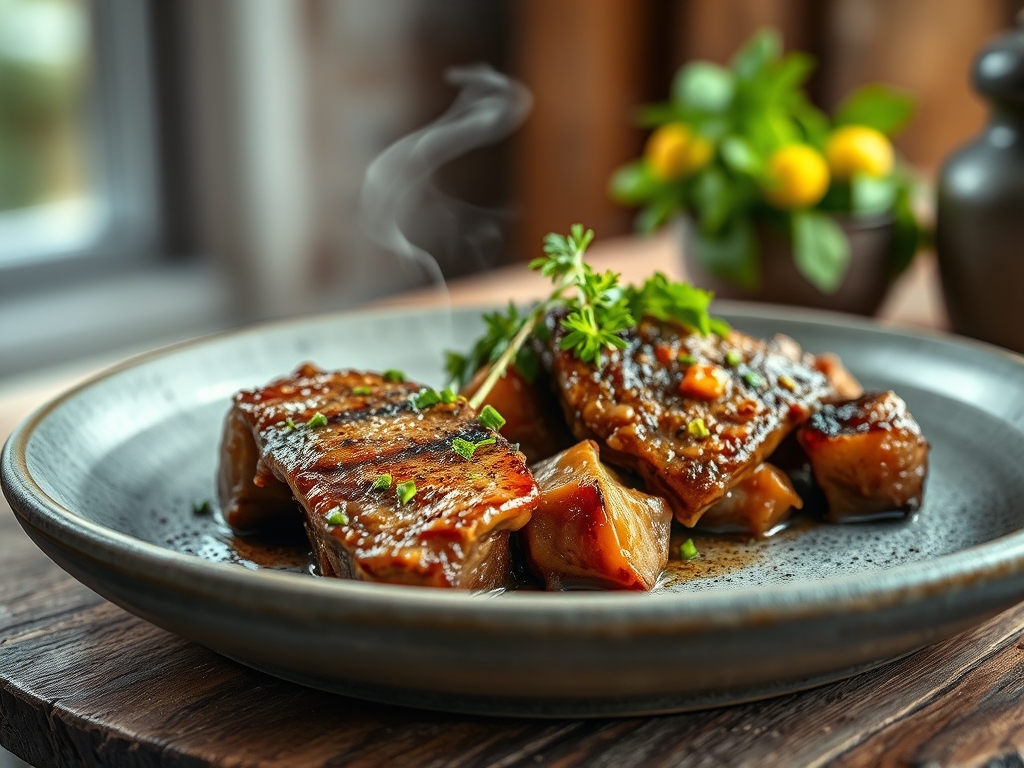
Imagine the scent of toasted cumin and searing fat hitting a heavy-bottomed skillet in a sun-drenched kitchen. This is the sensory heart of the world's healthiest eating pattern. While many associate this region solely with seafood, mediterranean diet beef recipes offer a robust, nutrient-dense foundation for longevity and flavor. We are talking about grass-fed cuts transformed by acidic marinades; slow-simmered stews enriched with polyphenols; and the perfect Maillard reaction on a lean sirloin. It is time to reclaim red meat as a sophisticated, heart-healthy component of your weekly rotation.
To master these nine classics, we must move beyond the basic burger. We are looking at Lebanese Kibbeh, Greek Stifado, Moroccan Tagines, and Italian Stracotto. Each dish relies on the synergy between high-quality protein and plant-forward aromatics. By using lean cuts and pairing them with healthy fats like extra virgin olive oil, you create a meal that is both indulgent and medically sound. Grab your apron; we are about to turn your kitchen into a coastal sanctuary.
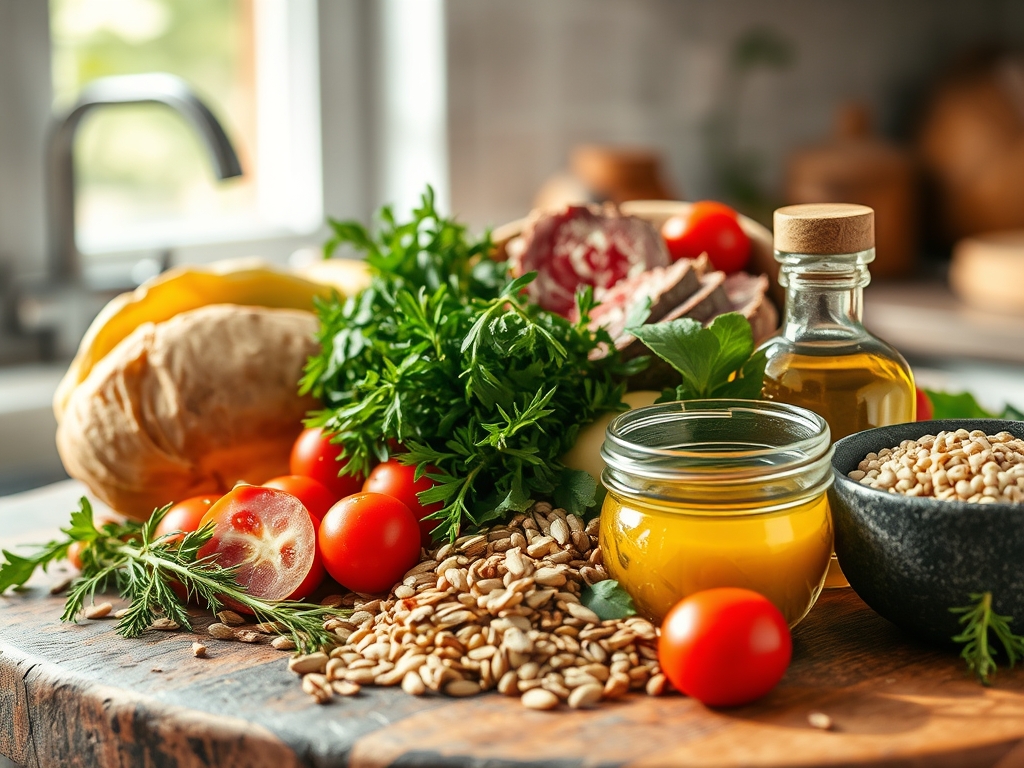
The Gathers:
Setting up your mise-en-place is more than just organization; it is about managing the chemistry of your ingredients. For these mediterranean diet beef recipes, your digital scale is your best friend. Accuracy ensures the ratio of lean muscle to healthy fats remains balanced. You will need high-quality grass-fed beef cuts like top round, flank steak, or lean chuck. These cuts have a higher concentration of Omega-3 fatty acids compared to grain-finished counterparts.
Next, gather your aromatics. Use a microplane to zest lemons and grate fresh garlic into a fine paste. This increases the surface area, allowing the piquant oils to infuse the meat more deeply. You will need a viscous, cold-pressed olive oil for low-heat sautéing and a high-smoke-point avocado oil for searing. Don't forget the acid: red wine vinegar, pomegranate molasses, and fresh citrus are essential for breaking down tough connective tissues.
Smart Substitutions:
If you are looking to lighten the caloric load, replace half of the ground beef in recipes like Kofta with finely minced cremini mushrooms. This "blend" technique maintains the savory umami profile while adding fiber. For a nightshade-free version of stews, swap tomatoes for a puree of roasted red peppers and a splash of balsamic vinegar to mimic the acidity. If fresh herbs are unavailable, use one-third the amount of dried herbs, but crush them in your palm first to release the volatile oils.
The Clock
Efficiency in the kitchen is about the "Chef's Flow." Most of these mediterranean diet beef recipes require a two-stage time commitment: active prep and passive transformation. Expect about 20 to 30 minutes of active knife work and searing. If you are making a slow-cooked classic like Beef Stifado, the passive simmer can take up to three hours. However, a quick-fire Flank Steak with Chimichurri can be on the table in under 15 minutes.
The "Flow" dictates that you start with your longest-running task first. If the beef needs to braise, get it in the saucier immediately. While the thermal energy does the heavy lifting, you can use your bench scraper to clear your station and prep the cold elements, like a cucumber and feta salad. This ensures that every component of the meal reaches its peak temperature and texture simultaneously.
The Masterclass
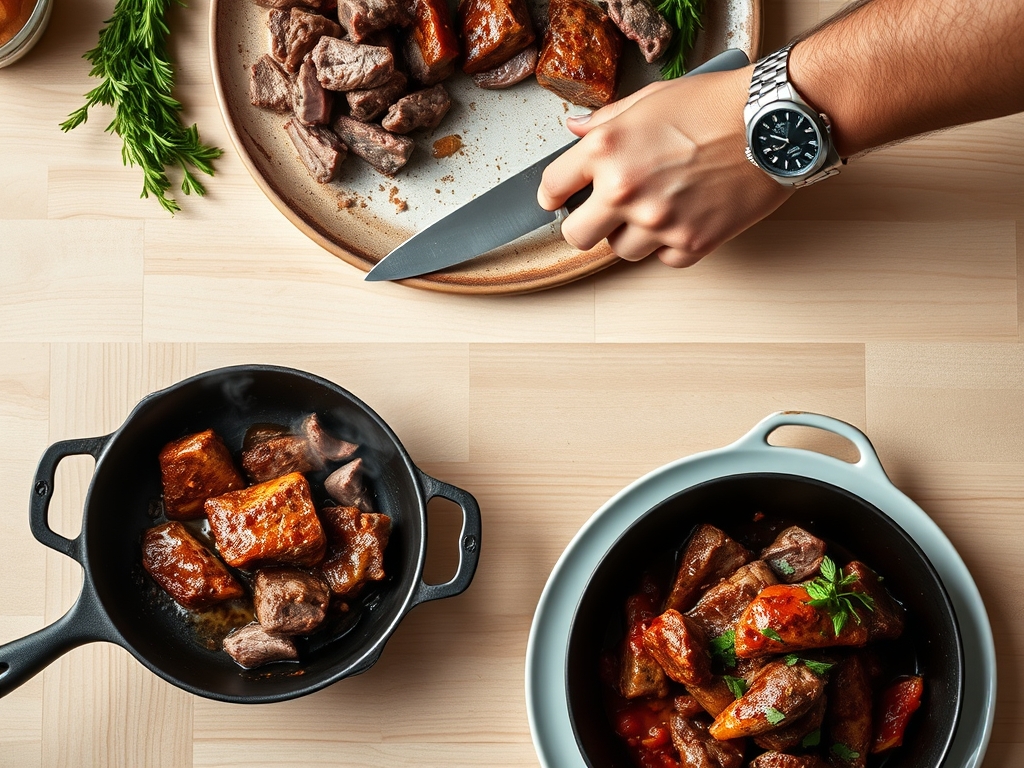
1. The Tempering and Pat-Down
Before the beef ever touches the heat, it must reach room temperature. Take your cuts out of the refrigerator 30 minutes prior to cooking. Use paper towels to bone-dry the surface of the meat. Moisture is the enemy of a good crust.
Pro Tip: This prevents a massive temperature drop in your pan. If the meat is too cold, it will steam in its own juices rather than undergo the Maillard reaction, which is the chemical reaction between amino acids and reducing sugars that creates that savory, browned crust.
2. The High-Heat Sear
Heat your heavy-bottomed skillet until the oil shimmers but does not smoke. Use tongs to place the beef in the pan, working in batches to avoid crowding. Crowding the pan drops the temperature and leads to gray, boiled meat.
Pro Tip: Listen for a high-pitched sizzle. This indicates that the surface moisture is evaporating instantly. This rapid evaporation allows for enzymatic browning, which develops hundreds of different flavor compounds that are not present in raw or boiled meat.
3. Deglazing the Fond
Once the meat is browned and removed, you will see brown bits stuck to the bottom of the pan. This is called "fond." Pour in a splash of dry red wine or beef stock and use a wooden spoon to scrape those bits up.
Pro Tip: Deglazing is a lesson in solubility. The alcohol or acid in the liquid dissolves the caramelized proteins and sugars, creating a deeply flavorful base for your sauce. This process ensures no flavor is wasted.
4. The Low and Slow Infusion
For stews and braises, return the beef to the pan along with your liquids and aromatics. Lower the heat to a gentle simmer. The liquid should barely bubble. Cover with a tight-fitting lid to trap the steam.
Pro Tip: This stage is all about collagen conversion. At temperatures between 160 and 180 degrees Fahrenheit, tough collagen fibers slowly melt into gelatin. This gives the sauce a viscous, lip-smacking quality and makes the beef fork-tender.
5. The Resting Phase
Never slice beef immediately after cooking. Move the meat to a cutting board and let it sit for at least ten minutes. This is the most skipped step, but it is the most vital for juice retention.
Pro Tip: This accounts for thermal carryover. The internal temperature will continue to rise by about 5 degrees. More importantly, resting allows the muscle fibers to relax and reabsorb the juices. If you cut too soon, the liquid will flood the board, leaving the meat dry.
The Deep Dive
When we look at the macro nutrition of these mediterranean diet beef recipes, we see a balanced profile. A standard 4-ounce serving of lean Mediterranean beef provides roughly 25-30 grams of protein, 10 grams of fat (mostly monounsaturated if cooked in olive oil), and zero carbohydrates. This makes it an ideal anchor for various dietary needs.
Dietary Swaps:
- Vegan: Substitute beef with "meaty" mushrooms or tempeh marinated in soy sauce and smoked paprika to mimic the savory depth.
- Keto: These recipes are naturally keto-friendly. Simply serve the beef over cauliflower rice or sautéed greens instead of couscous or pita.
- GF: Ensure your spices are certified gluten-free and use chickpea flour as a thickener instead of wheat flour.
The Fix-It:
- Tough Meat: If your stew meat is still chewy, it hasn't simmered long enough. Add a splash of water and give it another 30 minutes. The collagen just needs more time to hydrolyze.
- Bland Sauce: This usually means a lack of acidity. Stir in a teaspoon of lemon juice or red wine vinegar at the very end to "brighten" the flavors.
- Burnt Spices: If your dry spices smell bitter, you likely scorched them. Next time, bloom them in oil for only 30 seconds, or mix them into a paste with a little water before adding to the pan.
Meal Prep Science:
To maintain "day-one" quality when reheating, avoid the microwave. The high-frequency waves agitate water molecules, often making the beef rubbery. Instead, reheat slowly in a covered skillet with a tablespoon of broth. This creates a mini-steam chamber that gently warms the protein without overcooking the interior.
The Wrap-Up
Mastering mediterranean diet beef recipes is your ticket to a kitchen that feels like a coastal escape. By focusing on the science of the sear, the patience of the braise, and the vibrancy of fresh aromatics, you are creating food that nourishes the soul and the body. Remember, cooking is just delicious chemistry. Use your tools, trust your senses, and don't be afraid to let that skillet get hot. Now, pour yourself a glass of heart-healthy red wine and get cooking. Your best friend (and your heart) will thank you.
The Kitchen Table
Can I use frozen beef for these recipes?
Yes, but ensure it is fully thawed in the refrigerator first. Pat the meat extremely dry before cooking to ensure the Maillard reaction occurs; otherwise, the excess moisture will cause the beef to steam and turn gray.
What is the best cut for a Mediterranean stew?
Chuck roast or bottom round are ideal. These cuts contain high amounts of connective tissue that transform into silky gelatin during the slow-cooking process, providing a rich mouthfeel and tender texture that leaner cuts like sirloin cannot match.
How do I keep the beef from getting dry?
The secret is resting the meat. Allow your beef to sit for 10 minutes after cooking. This allows the muscle fibers to reabsorb internal juices. Additionally, using an acidic marinade helps pre-tenderize the proteins before they hit the heat.
Is red meat actually allowed on the Mediterranean diet?
Absolutely, but in moderation. The focus is on high-quality, lean cuts paired with an abundance of vegetables, legumes, and healthy fats. Think of the beef as a flavorful component of the plate rather than the sole focus of the meal.