
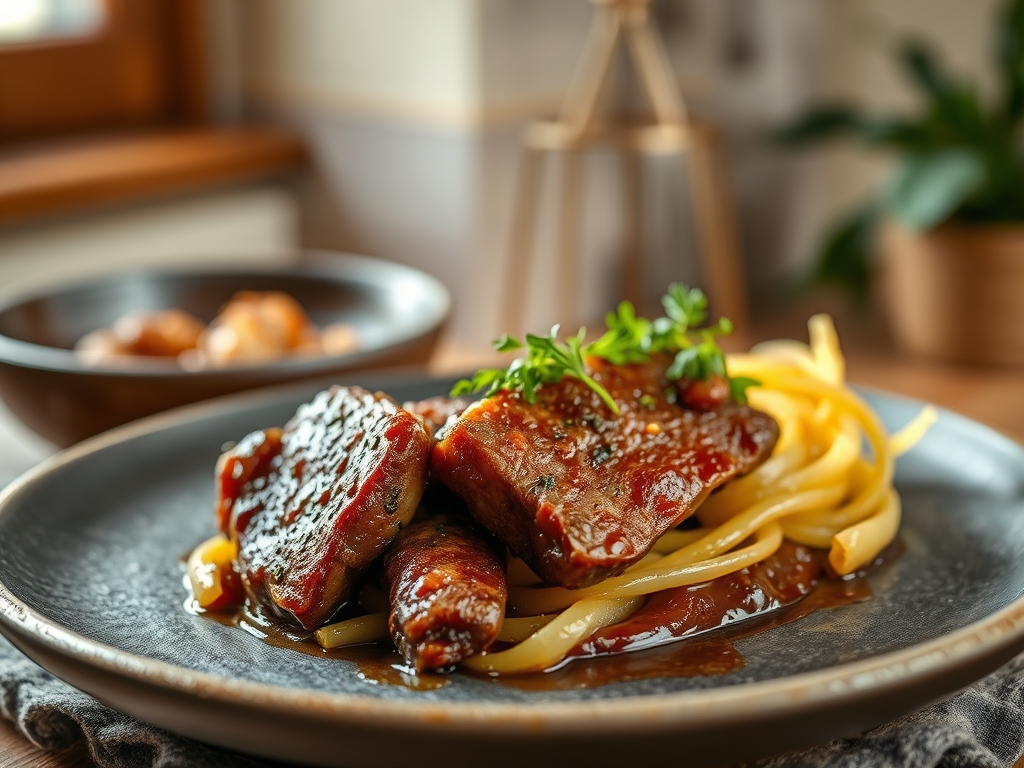
Listen closely because your kitchen is about to smell like a five-star steakhouse. We are moving beyond the basic burger to explore unique beef recipes that utilize molecular science to transform humble cuts into culinary masterpieces. Forget what you think you know about searing; we are diving into the chemistry of flavor to make every bite count.
If you have ever stared at a package of ground chuck or a flank steak and felt a wave of boredom, you are in the right place. Great cooking is not just about following a list of instructions. It is about understanding how heat interacts with protein fibers and how acidity can break down tough connective tissues. We are going to use professional techniques like enzymatic tenderization and lipid emulsification to elevate your weeknight dinner game.
Whether you are hosting a dinner party or just trying to impress yourself on a Tuesday, these hacks will give you the confidence of a seasoned chef. We are talking about deep, rich umami profiles and textures that melt on the tongue. Grab your apron and your favorite heavy-bottomed skillet; it is time to turn your kitchen into a laboratory of deliciousness.
The Gathers:
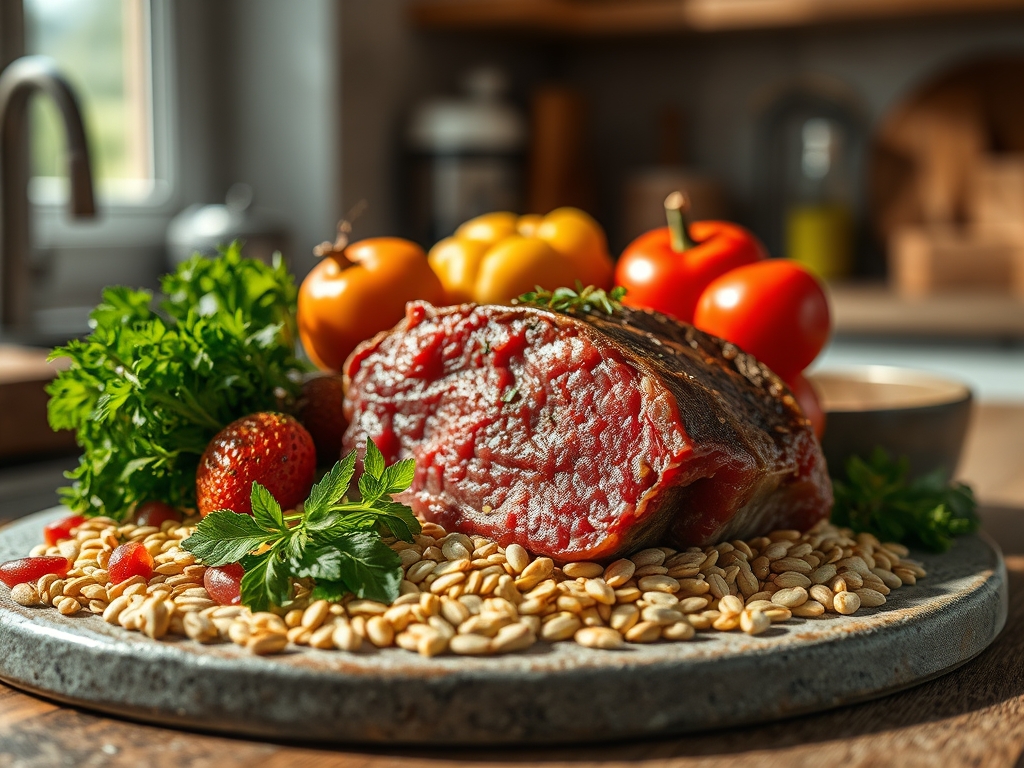
Before we ignite the burner, we must organize our mise-en-place. For these unique beef recipes, you will need high-quality proteins like grass-fed ribeye, lean ground sirloin, or a marbled brisket. The science of flavor starts with the quality of the fat. Look for intramuscular marbling, which provides the viscous mouthfeel we crave. You will also need aromatics: fresh garlic, shallots, and ginger. These contain volatile compounds that become more piquant when exposed to heat.
Your pantry should include liquid gold like aged soy sauce, balsamic glaze, and a high-smoke-point oil such as avocado or grapeseed oil. Do not forget the "secret" ingredients: baking soda for pH alteration and cornstarch for velveting.
Smart Substitutions:
If you cannot find flank steak, a flat iron steak is a brilliant alternative due to its similar grain structure. If you are avoiding soy, liquid aminos provide that essential umami kick without the gluten. For a dairy-free richness, swap butter for a high-quality ghee, which has a higher smoke point and a nutty, toasted profile.
The Clock
Efficiency in the kitchen is all about the Chef's Flow. Expect to spend about 20 minutes on active preparation, which includes slicing against the grain and measuring out your liquids with a digital scale for precision. The cooking phase for these hacks varies; some require a lightning-fast 5-minute sear, while others benefit from a 45-minute slow braise to render collagen into gelatin. Always factor in a 10-minute resting period for steaks. This allows the internal pressure to equalize, preventing all those precious juices from flooding your cutting board.
The Masterclass
1. The Baking Soda Velvet
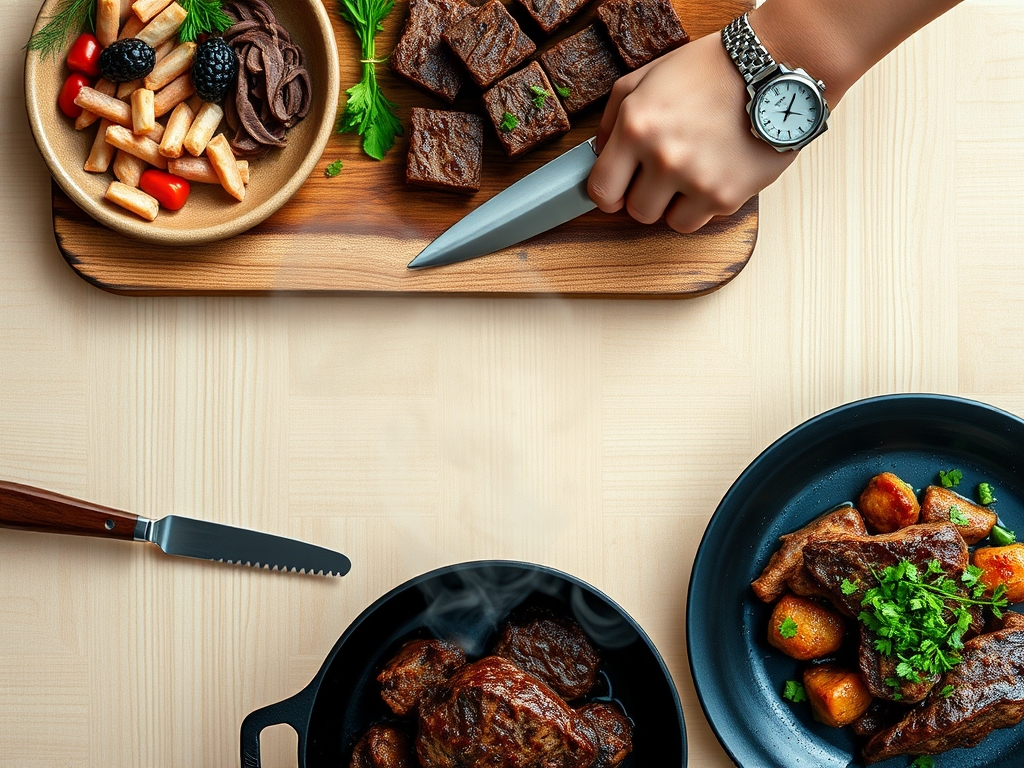
To achieve that silky, restaurant-style texture in stir-fry, toss thinly sliced beef with a half-teaspoon of baking soda for 15 minutes before rinsing and patting dry. This raises the pH level on the surface of the meat, making it harder for the proteins to bond tightly when heated.
Pro Tip: This process, known as alkalization, prevents the muscle fibers from contracting too quickly, ensuring the beef remains tender even under high-heat sautéing.
2. The Cold-Sear Method
Instead of preheating your heavy-bottomed skillet until it smokes, place your steak in a cold pan and then turn the heat to high. Flip the meat every two minutes. This results in an incredibly even internal temperature and a crust that is thick and flavorful without a gray band of overcooked meat.
Pro Tip: Constant flipping promotes thermal equilibrium, allowing the exterior to develop a deep Maillard reaction while the interior rises slowly and gently.
3. Infused Fat Rendering
Before cooking your main cut, trim the excess white fat caps and toss them into the saucier over low heat. Once the liquid fat begins to render, add a sprig of rosemary or a smashed garlic clove to infuse the oil with aromatic compounds.
Pro Tip: Using the beef's own lipids as a cooking medium creates a recursive flavor profile that reinforces the natural "beefiness" of the dish.
4. The Coffee Crust Umami Bomb
Finely grind espresso beans and mix them with dark brown sugar and smoked paprika to create a dry rub. The acidity in the coffee acts as a natural tenderizer, while the sugars caramelize to create a complex, bitter-sweet crust.
Pro Tip: Coffee contains tannins that help break down tough proteins, while the nitrogen in the beans enhances the enzymatic browning during the sear.
5. Deglazing with Fortified Wine
After searing your beef, use a splash of Sherry or Vermouth to deglaze the pan. Use a wooden spoon or bench scraper to lift the fond, those delicious browned bits stuck to the bottom.
Pro Tip: Alcohol is a powerful solvent that captures flavor molecules water cannot reach, creating a more complex and layered sauce.
6. The Microplane Bone Marrow Finish
For a truly decadent finish, freeze a piece of bone marrow and use a microplane to grate it over a resting steak. The heat from the meat will melt the marrow, creating a rich, buttery glaze.
Pro Tip: Bone marrow is almost 90 percent fat; it acts as a finishing emulsifier that coats the palate and extends the finish of the seasoning.
7. Fish Sauce for Depth
Add a teaspoon of high-quality fish sauce to your ground beef mixtures. You won't taste "fish," but the fermented glutamates will skyrocket the savory profile of the meat.
Pro Tip: This is a "flavor bridge" technique where the fermented proteins in the sauce interact with the beef to create a synergistic umami effect.
8. The Reverse Sear for Thick Cuts
For steaks over two inches thick, bake them at 225 degrees Fahrenheit until they reach an internal temperature of 115 degrees. Then, finish with a 60-second sear in a ripping hot cast-iron skillet.
Pro Tip: This minimizes the evaporative cooling effect, ensuring the meat stays juicy while the exterior achieves a perfectly dry, crisp surface for browning.
The Deep Dive
Macro Nutrition:
Beef is a powerhouse of bioavailable protein, Vitamin B12, and Zinc. A standard 4-ounce serving of lean beef provides roughly 25 grams of protein and about 150 to 200 calories, depending on the cut.
Dietary Swaps:
For a Keto-friendly version, ensure your rubs are sugar-free. For a Gluten-Free adjustment, always use Tamari or coconut aminos instead of traditional soy sauce. If you are looking for a Vegan alternative, these same seasoning techniques (coffee rubs, alkalization) can be applied to thick-cut lion's mane mushrooms or tempeh.
The Fix-It:
- Tough Meat: If your beef is chewy, you likely cut with the grain. Always slice perpendicular to the muscle fibers to shorten them.
- Burned Fond: If your pan drippings turn black and bitter, you are using too much heat. Add a splash of water immediately to lower the temperature and save the sauce.
- Soggy Crust: This happens when the meat is wet. Always pat your beef bone-dry with paper towels before it hits the pan to ensure steam doesn't ruin your sear.
Meal Prep:
To reheat beef without it turning into rubber, use the "low and slow" method. Place it in a covered dish with a tablespoon of broth and warm it in a 300-degree oven. This creates a mini-steam chamber that preserves the moisture levels.
The Wrap-Up
You are now officially armed with the technical secrets that separate the amateurs from the pros. By mastering the Maillard reaction, understanding pH levels with baking soda, and utilizing the power of deglazing, you can turn any cut of beef into a gourmet experience. Remember, cooking is a sensory journey; listen to the sizzle, smell the caramelization, and always, always let your meat rest. Go forth and conquer your kitchen with these unique beef recipes!
The Kitchen Table
How do I get a better crust on my steak?
Pat the meat completely dry with paper towels before cooking. Moisture creates steam, which prevents the Maillard reaction. Use a heavy cast-iron skillet and high-smoke-point oil to ensure a deep, even brown crust without burning the fats.
What is the best way to tenderize cheap beef?
Use the "velveting" technique by coating sliced beef in a small amount of baking soda for 15 minutes. Rinse thoroughly before cooking. This alters the pH levels, preventing protein fibers from tightening and resulting in a soft, tender texture.
Why should I let beef rest after cooking?
Resting allows muscle fibers to relax and reabsorb juices. If you cut it immediately, the internal pressure forces the liquid out, leaving the meat dry. Five to ten minutes is usually sufficient for the juices to redistribute evenly.
Can I use frozen beef for these hacks?
Yes, but thaw it completely in the refrigerator first. Cooking beef from frozen results in an uneven temperature gradient, where the outside overcooks before the center reaches safety. Always bring meat close to room temperature for the best results.