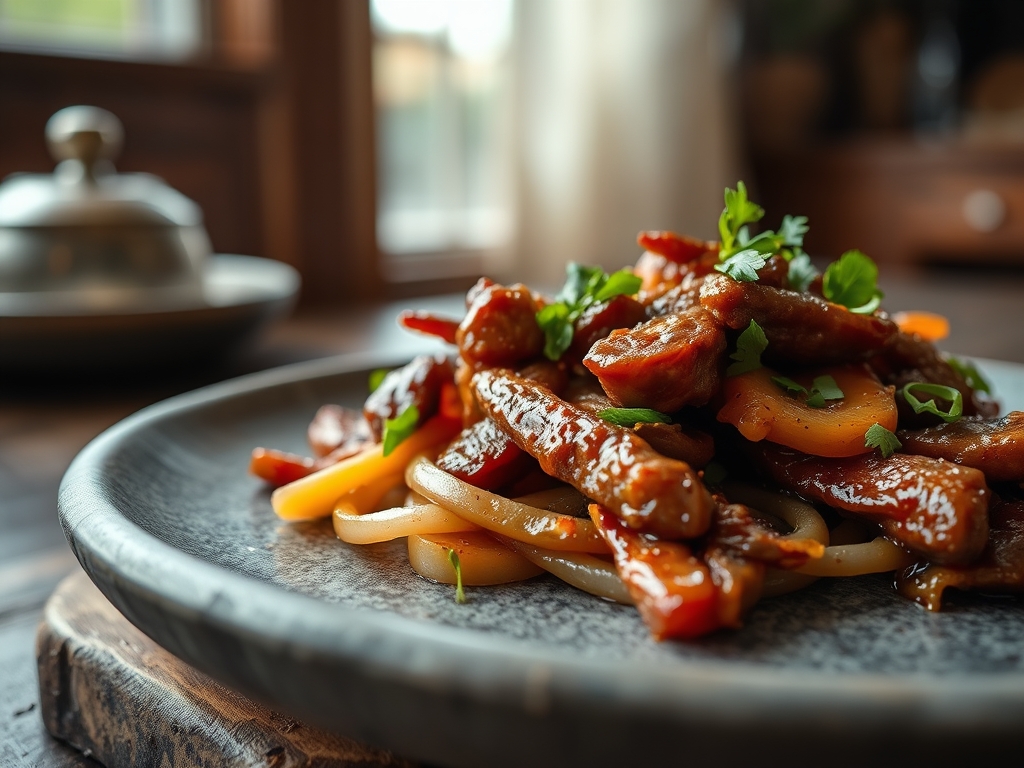
Imagine the sharp hiss of cold beef hitting a screaming hot wok; it is the sound of cellular transformation. Your kitchen fills with the scent of toasted Sichuan peppercorns and fermented bean paste, a piquant aroma that promises a heat both numbing and addictive. Mastering spicy chinese beef recipes is not just about the fire; it is about the delicate balance of texture and chemistry. We are chasing that elusive silkiness found in high end bistros, where every strip of flank steak is tender enough to yield to a chopstick but carries a charred, smoky edge. This is a sensory journey through the Maillard reaction, capsaicin oil infusions, and the ancient art of velvetting meat to achieve a professional finish.
The Gathers:
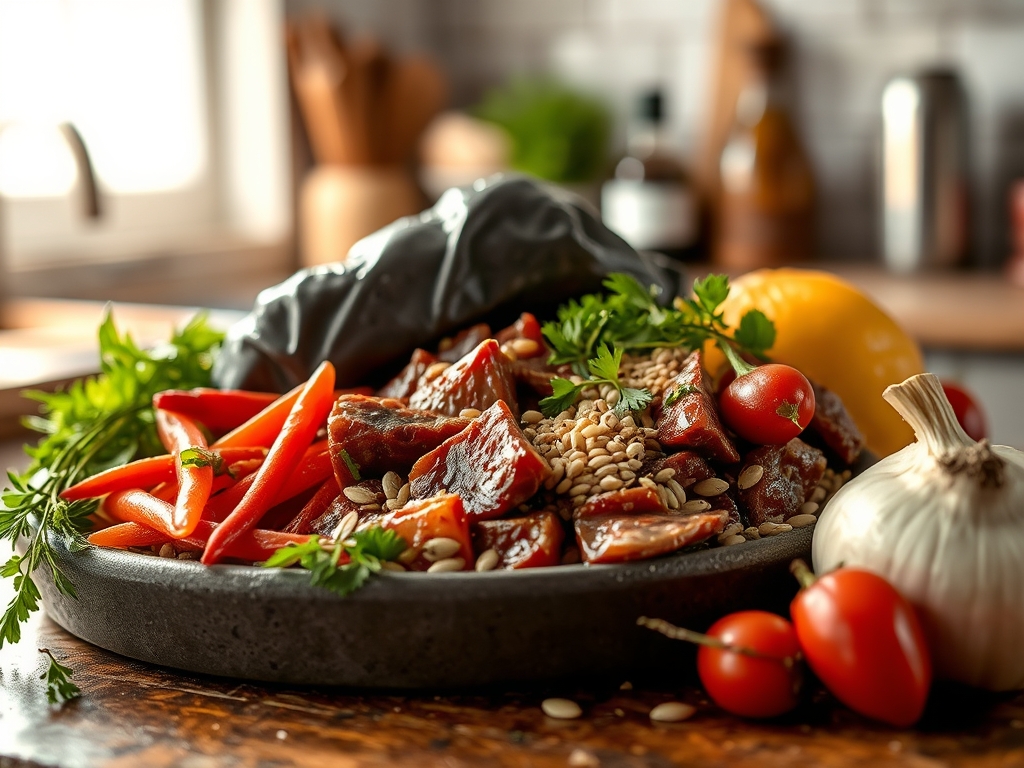
To achieve a restaurant quality result, your mise en place must be precise. Start with a pound of flank steak or top sirloin, sliced against the grain into thin, uniform strips. For the heat, you need dried Tianjin chilies and Sichuan peppercorns; the latter provides the hydroxy alpha sanshool responsible for that signature numbing sensation. Use a microplane to grate fresh ginger and garlic into a fine paste, ensuring they melt into the sauce rather than burning in the pan. Your liquid base requires a viscous dark soy sauce for color, a light soy for salinity, and Shaoxing rice wine to deglaze and add depth.
Smart Substitutions: If you cannot find Shaoxing wine, a dry pale sherry is a perfect chemical match. For those sensitive to intense heat, swap half the dried chilies for Gochugaru (Korean red pepper flakes) to maintain the vibrant red hue with a milder, sweeter profile. If flank steak is over budget, a well trimmed chuck roast works if you increase the alkaline marinating time by ten minutes to further break down the connective tissue.
The Clock
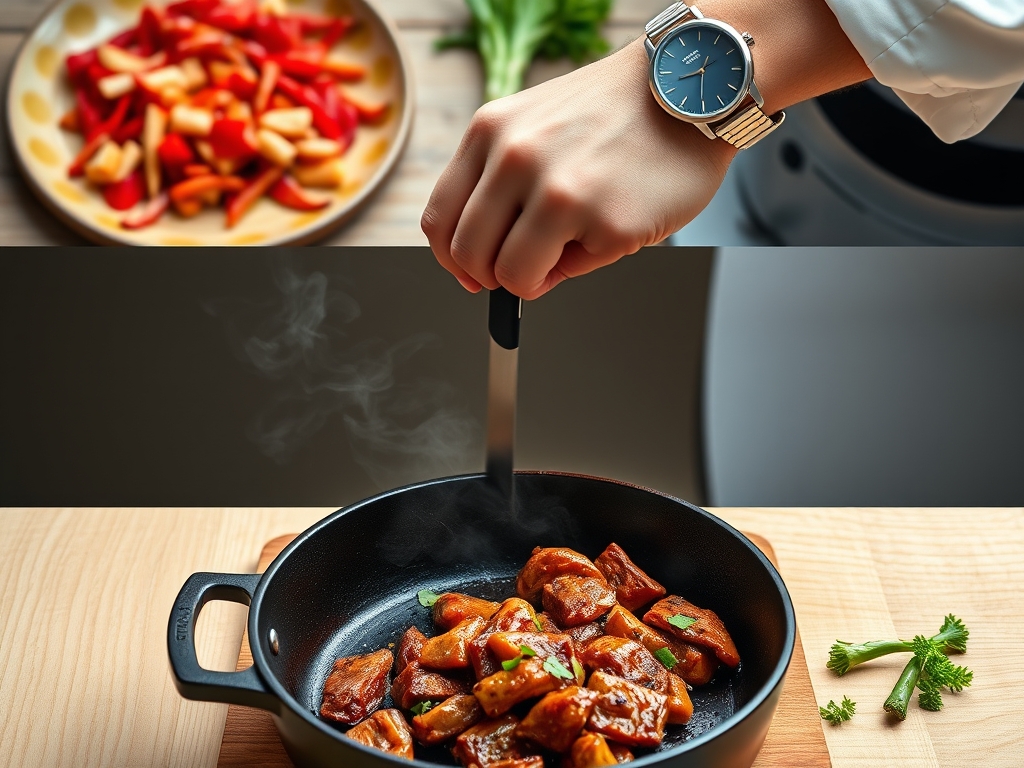
Efficiency in the kitchen relies on what professionals call the Chef's Flow. The total active time for this dish is approximately 40 minutes, but it is divided into distinct phases. You will spend 15 minutes on prep; this includes slicing the protein and measuring out your aromatics with a digital scale for consistency. The beef requires a 20 minute rest in its alkaline marinade to ensure the fibers relax.
The actual cooking process is incredibly fast, lasting only 5 to 7 minutes. This is a high heat, high intensity sprint where you must have every ingredient within reach of your heavy-bottomed skillet. If you overcook the beef by even sixty seconds, you lose the tender texture and risk scorching the delicate chili oils. Respect the clock, and the clock will reward you with a perfect sear.
The Masterclass
1. The Alkaline Velvetting Technique
Place your sliced beef in a glass bowl and toss with a mixture of cornstarch, egg white, and a pinch of baking soda. This creates a protective barrier and raises the pH level on the surface of the meat. Use your hands to massage the mixture until it becomes tacky and fully absorbed.
Pro Tip: Baking soda breaks down the peptide bonds in the meat fibers, preventing them from tightening when they hit the heat. This is the secret to that "melt in your mouth" texture found in authentic spicy chinese beef recipes.
2. Tempering the Spices
Heat a tablespoon of neutral oil in your skillet over medium heat. Add the Sichuan peppercorns and dried chilies, stirring constantly with silicone tongs until the oil turns a deep sunset orange and the peppers become fragrant but not black.
Pro Tip: This process is called blooming. Capsaicin and aromatic oils are fat soluble; by heating them in oil first, you infuse the entire dish with flavor rather than just having "hot spots" of spice.
3. The High Heat Sear
Remove the spices and crank the heat to high until the oil reaches its smoke point. Add the beef in a single layer, resisting the urge to stir for at least 90 seconds. You want to see a deep, mahogany crust form on the bottom.
Pro Tip: This is the Maillard reaction in action. By letting the meat sit undisturbed, you allow amino acids and reducing sugars to create hundreds of new flavor compounds that are impossible to achieve with constant stirring.
4. Aerating the Aromatics
Push the beef to the edges of the pan and drop your ginger, garlic, and scallion whites into the center. Use a bench scraper or spatula to quickly toss them in the residual fat for 30 seconds until they are translucent and aromatic.
Pro Tip: Aromatics contain volatile organic compounds that degrade if overcooked. Adding them late in the process ensures they remain bright and pungent rather than bitter and burnt.
5. Deglazing and Emulsification
Pour in your sauce mixture (soy sauces, rice wine, and a touch of sugar). Use the liquid to scrape up the browned bits (fond) from the bottom of the pan. Toss everything together vigorously to coat the beef in a glossy, viscous sheen.
Pro Tip: The cornstarch from the velvetting process acts as an emulsifier here. As the liquid boils, the starch granules swell and thicken the sauce, creating a professional glaze that clings to the meat.
6. The Final Infusion
Return the fried chilies and peppercorns to the pan along with a handful of fresh cilantro and a drizzle of toasted sesame oil. Give it one final toss to distribute the fresh herbs.
Pro Tip: Thermal carryover will continue to cook the beef for several minutes after it leaves the pan. Pull the skillet off the heat while the beef still looks slightly underdone to ensure it reaches perfection on the plate.
7. Resting and Presentation
Transfer the beef to a warmed platter immediately. Let it rest for three minutes before serving. This allows the internal juices to redistribute, ensuring the meat stays moist.
Pro Tip: Resting is a thermodynamic necessity. If you cut or eat the meat immediately, the steam pressure inside the fibers will push the moisture out, leaving the beef dry despite the sauce.
The Deep Dive
Macro Nutrition: A standard serving of this spicy beef provides approximately 320 calories, 35 grams of protein, and 12 grams of healthy fats. It is a powerhouse of iron and zinc, though the sodium content can be high due to the fermented sauces. To lower the sodium, utilize a "low sodium" soy sauce and increase the amount of fresh ginger to compensate for the flavor gap.
Dietary Swaps: To make this Keto, replace the cornstarch with xanthan gum (use only 1/4 teaspoon) and swap the sugar for a monk fruit sweetener. For a Vegan version, use dehydrated soy curls or seitan strips; both have the fibrous structure necessary to mimic beef. Ensure your "oyster sauce" is a mushroom based vegetarian version to keep the umami profile intact.
The Fix-It:
- Beef is Chewy: You likely sliced with the grain or skipped the baking soda. Fix it by slicing the cooked pieces thinner and tossing them in a splash of beef broth to rehydrate.
- Sauce is Too Thin: Whisk a teaspoon of cornstarch with cold water and pour it into the simmering pan; it will thicken instantly.
- Too Much Heat: Do not panic. Add a teaspoon of sugar or a splash of rice vinegar. The acid and sweetness will neutralize the capsaicin burn on your palate.
Meal Prep: If you are making this for the week, undercook the beef slightly during the initial sear. When reheating, use a saucier with a tablespoon of water over medium heat. This creates steam that gently warms the protein without toughening the fibers, maintaining that "day-one" velvet texture.
The Wrap-Up
You now hold the keys to the kingdom of spicy chinese beef recipes. It is a dance of heat, science, and timing that transforms humble ingredients into a masterpiece of Sichuan flavor. Remember that the secret lies in the prep; once the flame is lit, your intuition and your tools take over. Don't be afraid of the smoke or the tingle of the peppercorns; that is the sound and feel of a kitchen alive with energy. Grab your wok, sharpen your knife, and go create something legendary.
The Kitchen Table
What is the best cut of beef for stir fry?
Flank steak is the gold standard because of its lean profile and long fibers. However, skirt steak or top sirloin are excellent alternatives. Always slice against the grain to ensure the shortest possible muscle fibers for maximum tenderness.
Why is my stir fry beef tough?
Toughness usually results from skipping the velvetting process or overcrowding the pan. When the pan is too full, the temperature drops and the meat steams in its own juices instead of searing, which tightens the protein structures and creates a rubbery texture.
How do I make the sauce thicker?
The most effective way is a cornstarch slurry. Mix equal parts cornstarch and cold water before adding it to the bubbling sauce. The heat causes the starch molecules to cross-link, creating a thick, glossy coating that adheres perfectly to the beef.
Can I make this dish without a wok?
Absolutely. A heavy-bottomed cast iron or stainless steel skillet is a fantastic substitute. The goal is high heat retention. Avoid non-stick pans for this recipe, as they cannot safely reach the high temperatures required for a proper Maillard sear.