
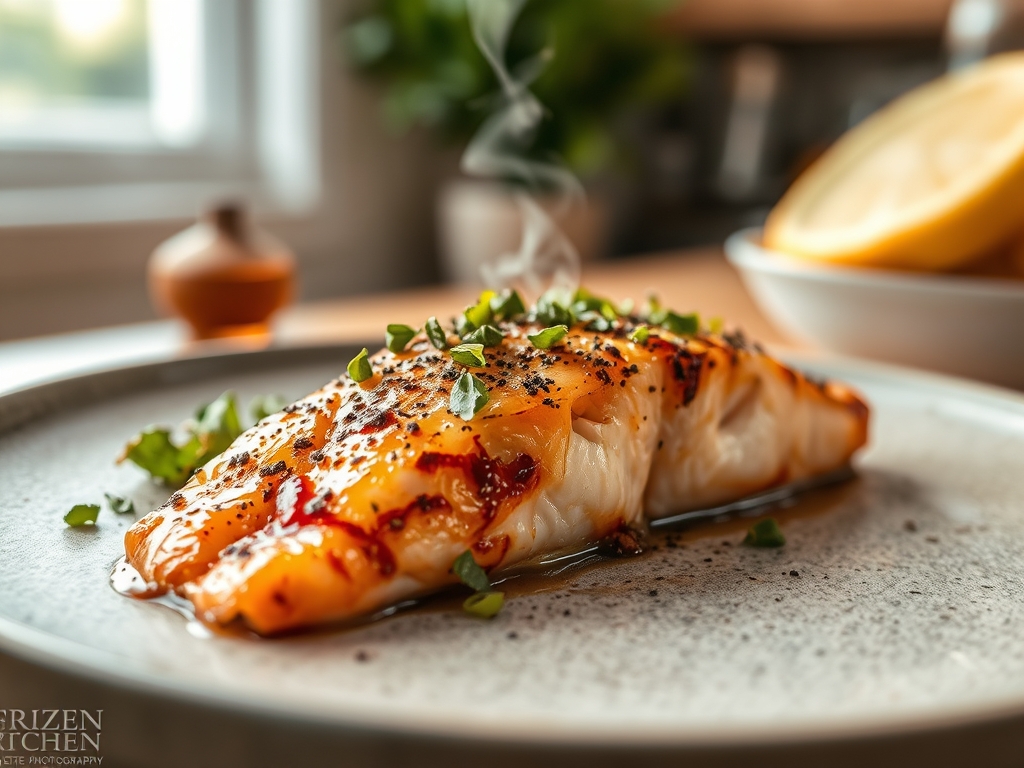
Picture this. You just walked through the front door after a day that felt like a marathon. Your stomach is growling; the fridge is looking sparse; and that beautiful piece of fish you bought is currently a solid block of ice in the freezer. Before you reach for the takeout menu, take a breath. You are about to master the art of the "ice-to-oven" transformation. Learning how to execute professional baked salmon recipes from frozen is the ultimate culinary superpower for the busy, health-conscious foodie. We are not talking about soggy, sad fillets. We are talking about succulent, flake-apart perfection with a crust that shatters under your fork. By leveraging the physics of thermal conductivity, we can skip the eight-hour thaw and move straight to the main event. This method actually preserves the cellular structure of the fish better than a slow, leaky defrost. It locks in the natural fats and ensures a piquant, restaurant-quality result every single time. Grab your apron; we are turning that frozen brick into a masterpiece.
The Gathers:
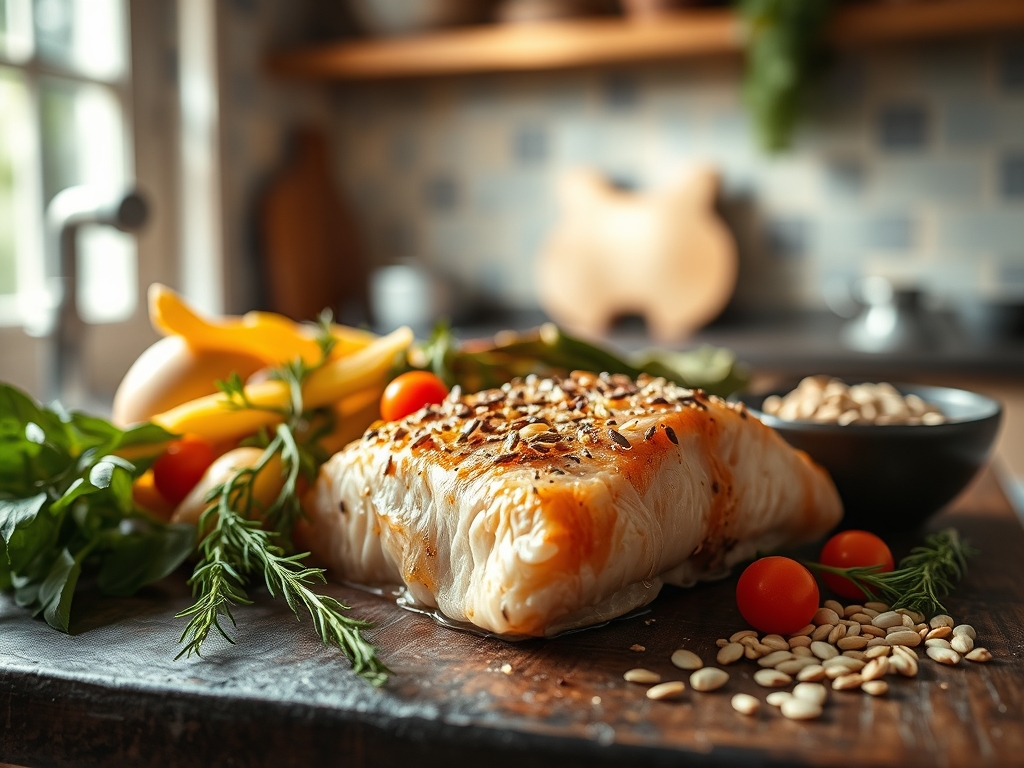
To achieve a five-star result, your mise-en-place must be intentional. Start with high-quality frozen salmon fillets, ideally vacuum-sealed to prevent ice crystal formation that causes "mushy" textures. You will need a heavy-duty rimmed baking sheet to ensure even heat distribution. For the flavor profile, gather extra virgin olive oil or clarified butter (ghee); the latter has a higher smoke point which is essential for that golden exterior.
You will also need a microplane for zesting fresh citrus and grating aromatic ginger. Fresh herbs like dill or parsley should be vibrant and turgid. For the "Smart Substitutions," if you lack fresh lemons, a splash of high-quality white wine vinegar or verjuice provides the necessary acidity to cut through the fatty acids of the fish. If you are out of honey for your glaze, maple syrup offers a complex, woody sweetness that caramelizes beautifully. Always have a digital scale on hand to ensure your spice rubs are balanced; precision is the difference between "good" and "unforgettable."
The Clock
The "Chef's Flow" for this process is remarkably efficient. Total active prep time is a mere five minutes, while the total duration from freezer to table spans about 20 to 25 minutes depending on the thickness of your fillets. Unlike thawed fish which requires high heat for a short burst, frozen salmon thrives in a two-stage thermal process. We begin with a high-heat "sear" phase to evaporate surface moisture, followed by a lower-temp "roasting" phase to gently cook the interior without toughening the proteins. This sequence prevents the dreaded "white albumin" from leaking out, keeping the aesthetic clean and the texture viscous and buttery.
The Masterclass
1. The Initial Rinse and Pat
Remove your salmon from its packaging and run it under cold water for 30 seconds. This removes any surface frost or ice glaze that would otherwise steam the fish. Use a lint-free kitchen towel to pat the surface bone-dry.
Pro Tip: This step prevents the "Leidenfrost effect" where a layer of steam creates a barrier between the heat and the fish, ensuring your oil can actually infuse the skin.
2. The High-Heat Seal
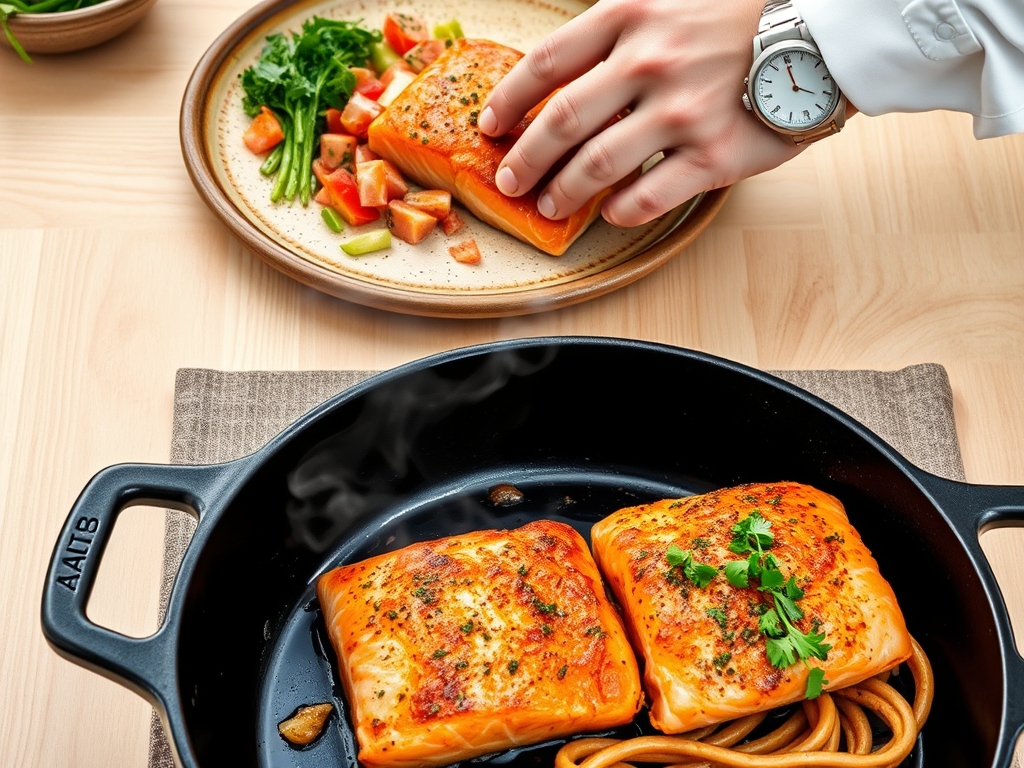
Preheat your oven to 425 degrees Fahrenheit. Brush the frozen fillets generously with oil and place them skin-side down on your baking sheet. Roast for 10 minutes. At this stage, do not add seasonings; they will simply slide off the ice.
Pro Tip: This initial blast of heat initiates enzymatic browning on the surface before the interior even begins to soften, creating a structural "crust" that traps moisture.
3. The Flavor Infusion
Slide the tray out using heavy-duty tongs. Now that the surface is tacky and warm, apply your salt, pepper, and aromatics. Use a saucier to whisk together a glaze of Dijon, honey, and lemon juice. Brush it on liberally.
Pro Tip: Applying salt halfway through prevents the salt from drawing out too much moisture too early, which would result in a dry, "jerky-like" texture.
4. The Gentle Finish
Lower the oven temperature to 375 degrees Fahrenheit and return the fish to the oven for another 8 to 12 minutes. This slower finish allows the internal temperature to rise steadily without overcoagulating the delicate muscle fibers.
Pro Tip: Use a digital meat thermometer to pull the fish at 125 degrees Fahrenheit. Thermal carryover will bring it to a perfect 130-135 degrees while it rests on the counter.
5. The Rest and Aerate
Once out of the oven, let the salmon sit for three minutes. Use a fish spatula to transfer it to a warm plate. This allows the juices to redistribute through the lamellae (the layers of the fish).
Pro Tip: Resting is a mechanical necessity; as the temperature stabilizes, the protein fibers relax and re-absorb the liquefied fats, ensuring a succulent mouthfeel.
The Deep Dive
From a macro perspective, salmon is a nutritional titan. A 6-ounce portion delivers roughly 34 grams of high-quality protein and is rich in Omega-3 fatty acids, which are essential for cognitive function. For those following a Keto lifestyle, double down on the fats by topping your fillet with a dollop of compound herb butter. Vegan guests? Swap the salmon for thick "steaks" of cauliflower or firm tofu, though cooking times will vary. If you are Gluten-Free, ensure your soy-based glazes use Tamari to avoid hidden wheat.
The Fix-It: Solving Common Pitfalls
- The Albino Ooze: If you see white goop (albumin) pushing out, your oven is too hot. Lower the temp immediately and tent the fish with foil.
- Soggy Skin: This happens when there is too much ambient moisture. Ensure you use a wire rack on top of your baking sheet to allow hot air to circulate under the fish.
- Stuck Fillets: Use a bench scraper to gently lift the fish. Next time, ensure your pan is preheated before the fish touches it to create an instant sear.
Meal Prep Science: To reheat leftovers without the "fishy" smell, avoid the microwave. Use a low oven (275 degrees) with a tablespoon of water or broth in the pan. This creates a gentle steam environment that rehydrates the proteins without oxidizing the fats.
The Wrap-Up
Mastering baked salmon recipes from frozen is about more than just convenience; it is about reclaiming your evening with a meal that nourishes your body and delights your palate. By understanding the thermal transition from ice to flake, you eliminate the stress of planning and replace it with the confidence of a seasoned chef. Whether you are hosting a last-minute dinner party or just fueling up for another big day, this method ensures your kitchen remains a place of joy and high-density flavor. Now, go grab that fillet and get roasting!
The Kitchen Table
Can you cook salmon from frozen without thawing?
Yes. Cooking from frozen preserves the moisture levels better than a slow thaw. The key is using a two-stage temperature process to ensure the exterior browns while the interior stays tender and juicy.
How do I know when frozen salmon is done?
The most reliable method is using a digital thermometer to reach an internal temperature of 125 to 130 degrees Fahrenheit. Visually, the fish should change from translucent to opaque and flake easily with a fork.
Why does my salmon have white stuff on it?
That white substance is albumin, a liquid protein that solidifies when heated. While safe to eat, it usually indicates the fish is cooking too fast or is overdone. Lowering the heat prevents this protein from being squeezed out.
What is the best seasoning for frozen salmon?
Because frozen salmon is robust, it pairs well with bold, acidic flavors. Use a combination of lemon zest, cracked black pepper, garlic powder, and a touch of honey or maple syrup to create a balanced, caramelized crust.