
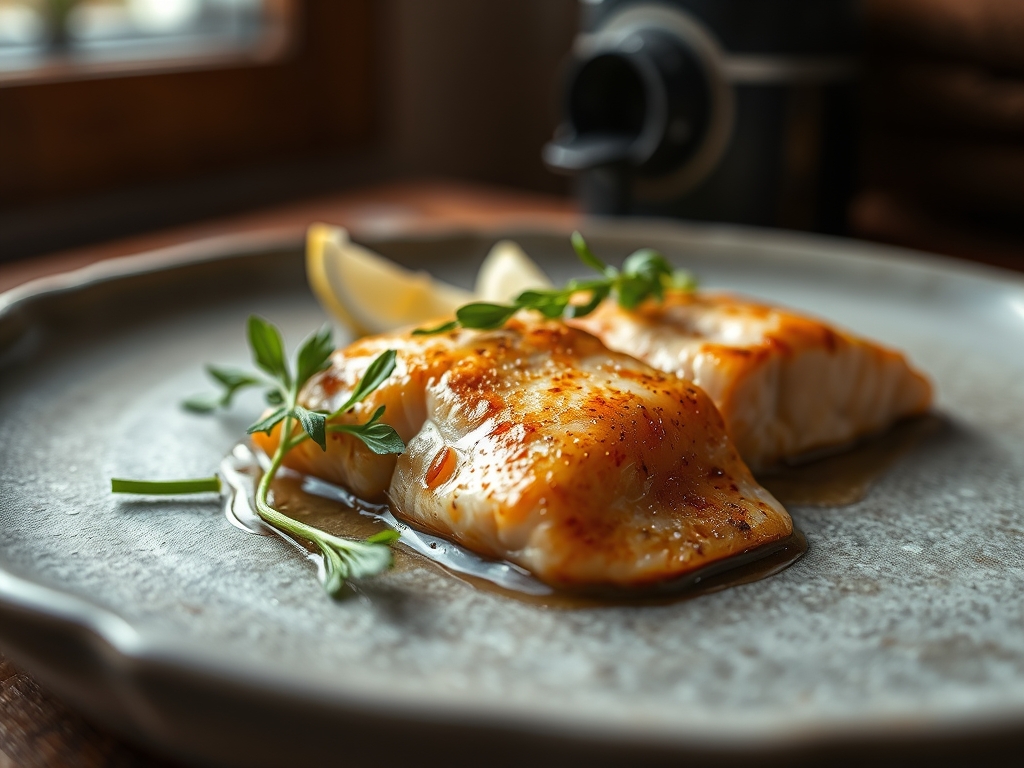
Imagine the scent of a bustling night market in Bangkok colliding with the refined elegance of a Parisian bistro. That is the magic of lemongrass salmon recipes. When you lay a cold fillet of Atlantic salmon into a shimmering pool of infused oil, the air immediately fills with the bright, citrusy perfume of citral compounds. It is more than just dinner; it is a masterclass in aromatic chemistry. The fatty richness of the fish acts as the perfect canvas for the sharp, grassy notes of the lemongrass. As the skin begins to crackle and gold, you are not just cooking; you are engineering a sensory experience that balances piquant acidity with savory umami depth.
The Gathers:
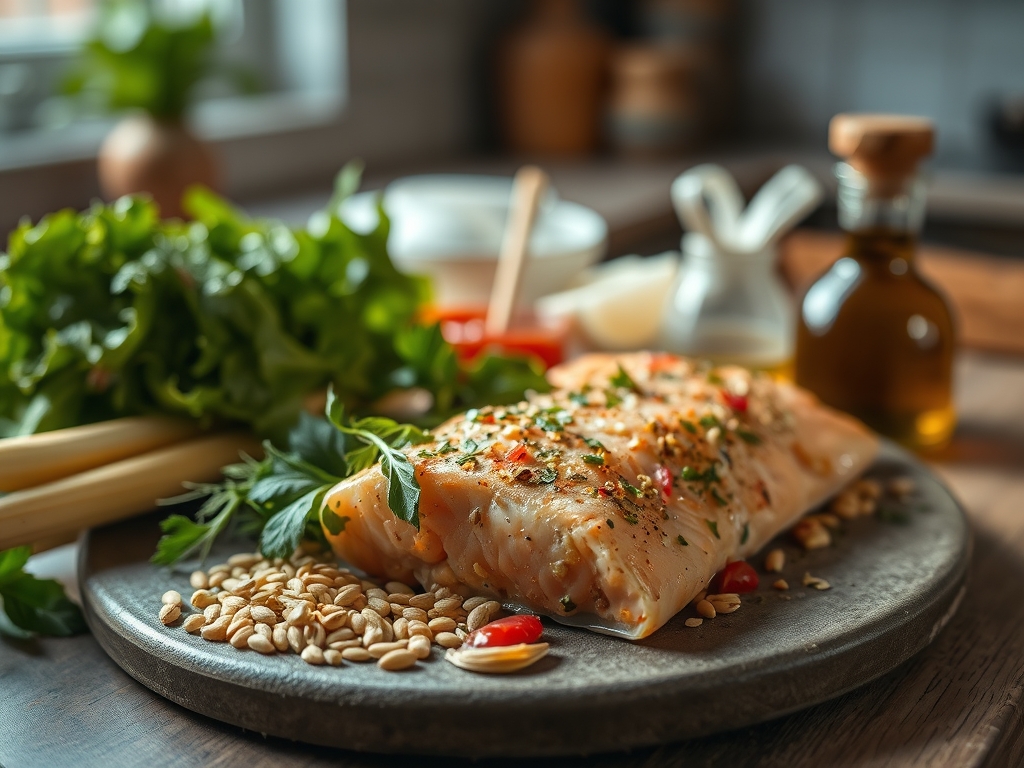
To achieve a restaurant-grade finish, your mise-en-place must be precise. Start with a digital scale to ensure your salmon fillets are a uniform six ounces each; this ensures even heat distribution across the pan. You will need two stalks of fresh lemongrass. When selecting them, look for heavy, woody stalks with a pale green hue. You will also need high-smoke-point fats like avocado oil or clarified butter, fresh ginger, garlic, and a splash of fish sauce to provide a viscous saltiness that anchors the dish.
If you cannot find fresh lemongrass, do not reach for the dried flakes. A Smart Substitution is a combination of lemon zest and a tiny drop of ginger juice, or even a high-quality lemongrass paste. However, the fresh stalk contains essential oils that provide a superior aromatic profile. Use a microplane to grate your aromatics into a fine paste. This increases the surface area, allowing the flavors to infuse into the oil almost instantly rather than burning in large chunks.
The Clock
The "Chef's Flow" is all about timing the transition from prep to plate. Total active time is roughly 15 minutes, with a 10-minute cook window.
- The Prep (10 Minutes): Trimming the lemongrass and patting the fish dry. Moisture is the enemy of the Maillard reaction.
- The Infusion (3 Minutes): Heating the aromatics in a heavy-bottomed skillet until the fragrance becomes undeniable.
- The Sear (4-6 Minutes): Achieving that glass-shattering skin.
- The Rest (2 Minutes): Allowing the proteins to relax so the juices do not flee the moment your fork hits the flesh.
The Masterclass
1. Prepare the Aromatic Base
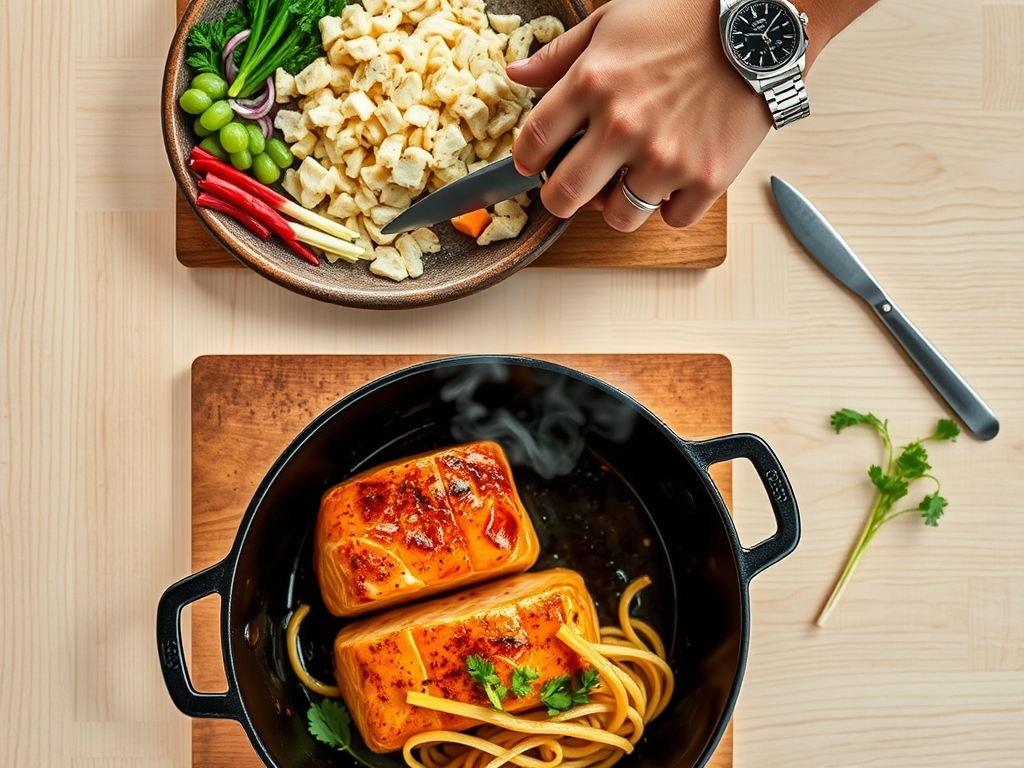
Peel away the tough outer layers of the lemongrass until you reach the tender, white core. Using a bench scraper or the flat side of a chef's knife, bruise the stalk to release the volatile oils. Mince it as finely as possible to ensure it integrates into the sauce.
Pro Tip: This bruising technique is a form of mechanical cellular disruption. It breaks the plant's cell walls, allowing the citral and geraniol compounds to escape and emulsify with your cooking fats more efficiently.
2. The Desiccation Ritual
Use a paper towel to press every molecule of water off the salmon skin. Sprinkle generously with kosher salt. Salt is hygroscopic; it draws out deep-seated moisture which then evaporates, leaving the surface ready for a perfect sear.
Pro Tip: If the skin is even slightly damp, the fish will steam rather than sear. This prevents enzymatic browning (the Maillard reaction), resulting in a rubbery texture instead of a crisp one.
3. Tempering the Pan
Heat your heavy-bottomed skillet over medium-high heat until the oil shimmers. Do not add the fish until the oil moves fluidly across the pan like water. Place the salmon skin-side down, pressing firmly with a fish spatula for ten seconds.
Pro Tip: Pressing the fish prevents the protein fibers from curling as they hit the heat. This ensures maximum contact with the pan, leading to a uniform, golden-brown crust.
4. The Lemongrass Infusion
Once the fish is flipped, toss your minced lemongrass, garlic, and ginger into the pan. Add a knob of butter. As the butter foams, use a large spoon to baste the hot, flavored fat over the top of the salmon.
Pro Tip: This is called arroser. The hot fat cooks the top of the fish gently while the lemongrass flavor is carried into the meat via the lipids in the butter.
5. Deglaze and Emulsify
Remove the fish when it reaches an internal temperature of 125 degrees Fahrenheit. While the pan is still hot, add a splash of coconut milk or lime juice to deglaze the brown bits (fond) from the bottom. Whisk vigorously in a saucier if you want a smoother finish.
Pro Tip: Deglazing captures the concentrated sugars and proteins stuck to the pan. Adding a cold liquid to a hot pan creates a rapid emulsion, turning those bits into a silky, savory glaze.
The Deep Dive
From a nutritional standpoint, lemongrass salmon recipes are a powerhouse. A standard serving offers roughly 35 grams of high-quality protein and is rich in Omega-3 fatty acids, which are essential for brain health. Because we are using lemongrass and ginger, you are also getting a dose of anti-inflammatory compounds.
Dietary Swaps: For a Keto version, stick to the butter and avocado oil base. If you are going Vegan, swap the salmon for thick "steaks" of cauliflower or firm tofu; the lemongrass infusion works beautifully on plant proteins. For a Gluten-Free plate, simply ensure your fish sauce or soy sauce substitute is certified GF.
The Fix-It:
- The Skin Sticks: You likely tried to flip it too early. Protein "releases" from the pan naturally once the sear is complete. Wait thirty more seconds.
- The Lemongrass is Gritty: You didn't mince it finely enough. Next time, use a high-powered blender to create a paste with the oil first.
- The Fish is Dry: You ignored thermal carryover. Salmon continues to cook about 5 degrees after it leaves the pan. Pull it at 125-130 degrees for a perfect medium-rare.
Meal Prep: To reheat without losing that "day-one" magic, avoid the microwave. Use a toaster oven at 275 degrees with a splash of water covered by foil. This creates a mini-steamer environment that rehydrates the protein fibers without overcooking the center.
The Wrap-Up
You now hold the keys to a dish that is as sophisticated as it is soulful. Lemongrass salmon is not just a recipe; it is a technique that teaches you how to balance fat, acid, and aromatics like a pro. Whether you are hosting a dinner party or just treating yourself after a long Wednesday, this dish brings a vibrant, electric energy to the table. Grab your skillet, trust the science, and let the citrusy steam take over your kitchen. You have totally got this!
The Kitchen Table
Can I use lemongrass paste instead of fresh stalks?
Yes, you can use one tablespoon of paste per stalk. However, paste often contains added salt or sugar, so adjust your seasoning accordingly. Fresh stalks provide a much cleaner, more floral aroma during the high-heat searing process.
How do I know when the salmon is perfectly cooked?
Use a digital thermometer to check the thickest part of the fillet. Aim for 125 to 130 degrees Fahrenheit. The flesh should be opaque on the outside but still slightly translucent and flaky in the very center.
Why is my lemongrass salmon not fragrant?
You likely didn't bruise the stalks or mince them finely enough. The aromatic oils are trapped inside the woody fibers. Mechanical disruption, like smashing with a knife or fine grating, is required to release the scent into the cooking fat.
Can I make this recipe in an air fryer?
You can, though you will miss the butter-basting step. Coat the salmon in a lemongrass and oil paste first. Cook at 400 degrees for 7 to 9 minutes. It won't be as "chef-level," but it is very convenient.