
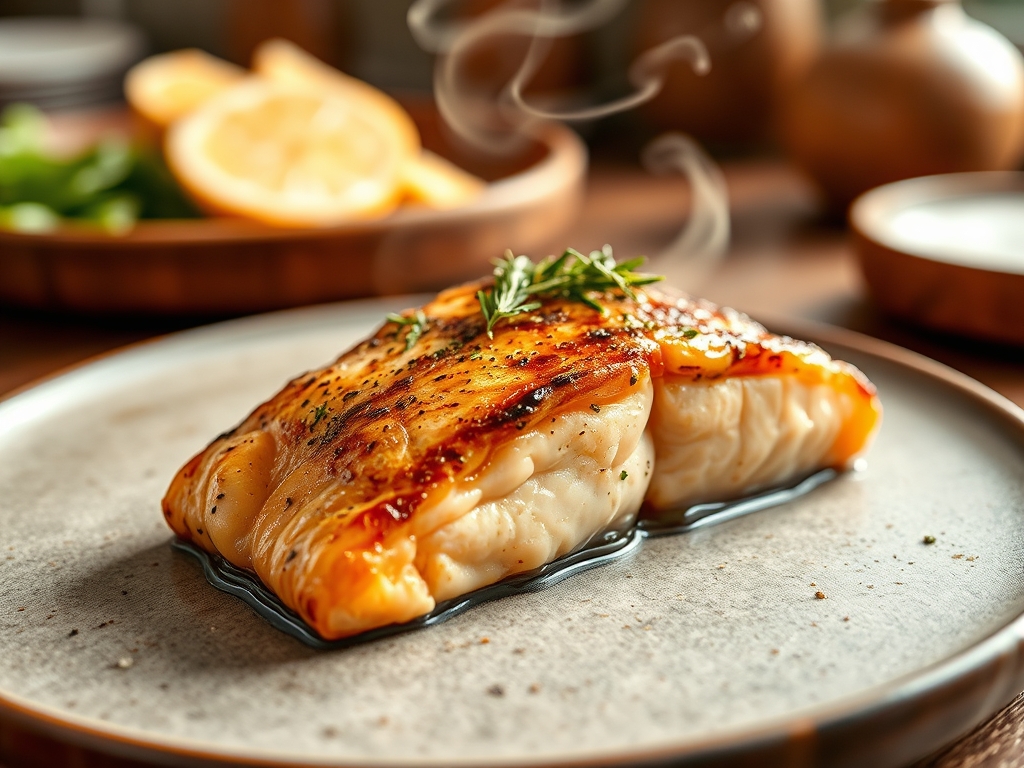
Searing a cold piece of fish in a shimmering pan creates a sound that is pure culinary music. When you are navigating the cravings and nutritional demands of these nine months, finding the perfect pregnancy salmon recipes feels like discovering a secret cheat code for both your brain and your baby. Salmon is the undisputed queen of prenatal proteins; it is packed with DHA for fetal neurodevelopment and lean protein to keep your energy from cratering. We are moving beyond the dry, overcooked fillets of the past. Imagine a fork sliding through a buttery, medium-well center while the skin shatters like glass. We are talking about vibrant citrus glazes, creamy dill infusions, and umami-rich crusts that make your kitchen feel like a high-end bistro. These six variations are designed to be efficient, nutrient-dense, and undeniably delicious. Whether you are battling morning fatigue or just want a meal that feels like a celebratory event, these recipes deliver the high-octane nutrition you need without the fuss. Let us get your apron on and your skillet hot.
The Gathers:
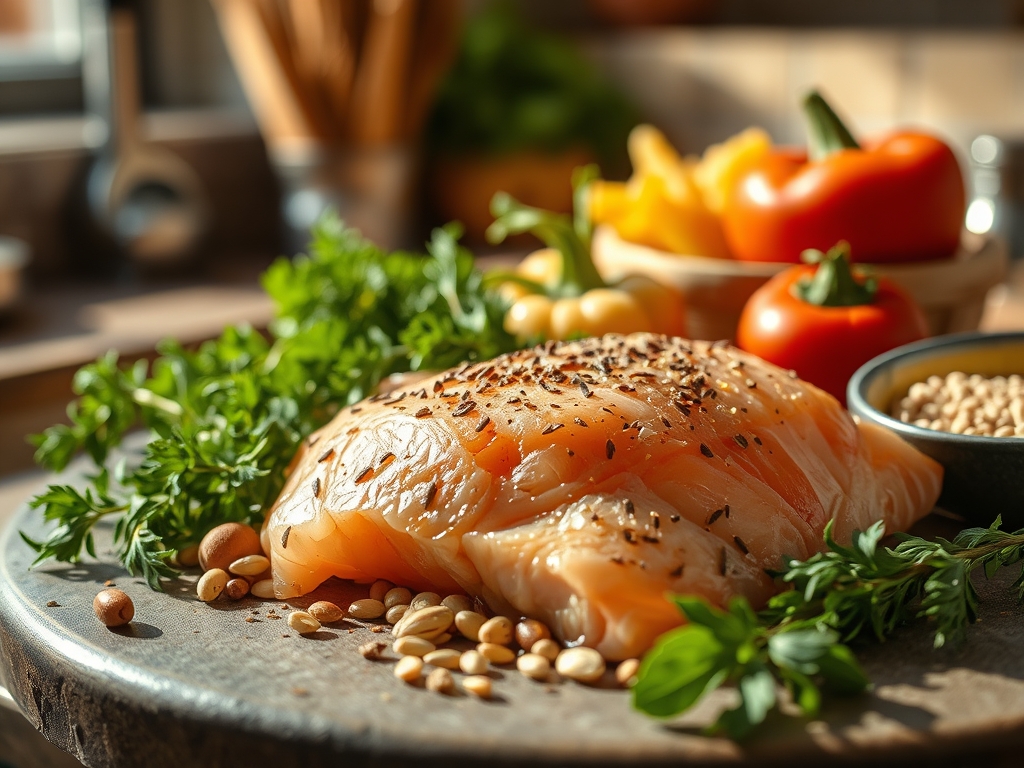
To execute these pregnancy salmon recipes with precision, your mise-en-place must be impeccable. Start with six-ounce center-cut fillets; these provide a uniform thickness which ensures even heat distribution. You will need high-smoke-point fats like avocado oil or clarified butter to facilitate the Maillard reaction without scorching. Gather piquant aromatics: fresh Meyer lemons, pungent garlic cloves, and a forest of dill and flat-leaf parsley. For the viscous glazes, keep raw honey and coconut aminos nearby. Your tool kit should include a heavy-bottomed skillet for heat retention, a microplane for zesting, and a digital scale to ensure your portions are consistent.
Smart Substitutions are essential for the modern kitchen. If you are avoiding honey, a splash of maple syrup offers a similar viscosity and sweetness. For those sensitive to dairy, a rich coconut cream can replace heavy cream in any saucier preparation. If you cannot find wild-caught Sockeye, high-quality farmed Atlantic salmon is actually a fantastic choice for pregnancy because it often contains higher levels of Vitamin D and consistent Omega-3 profiles. Always pat your fish bone-dry with a lint-free towel; moisture is the enemy of a crisp sear.
The Clock
Efficiency in the kitchen is about mastering the "Chef's Flow." For these meals, expect a prep time of 15 minutes and a cook time of 12 to 15 minutes. The total investment is under 30 minutes. The flow begins with "tempering" your fish; take it out of the refrigerator 10 minutes before cooking to take the chill off. While the fish tempers, use your bench scraper to organize your chopped aromatics. The actual thermal application is fast. By the time your grains or greens are plated, the salmon is resting. This cadence ensures nothing sits under a heat lamp and your textures remain vibrant and alive.
The Masterclass
1. The Initial Sear
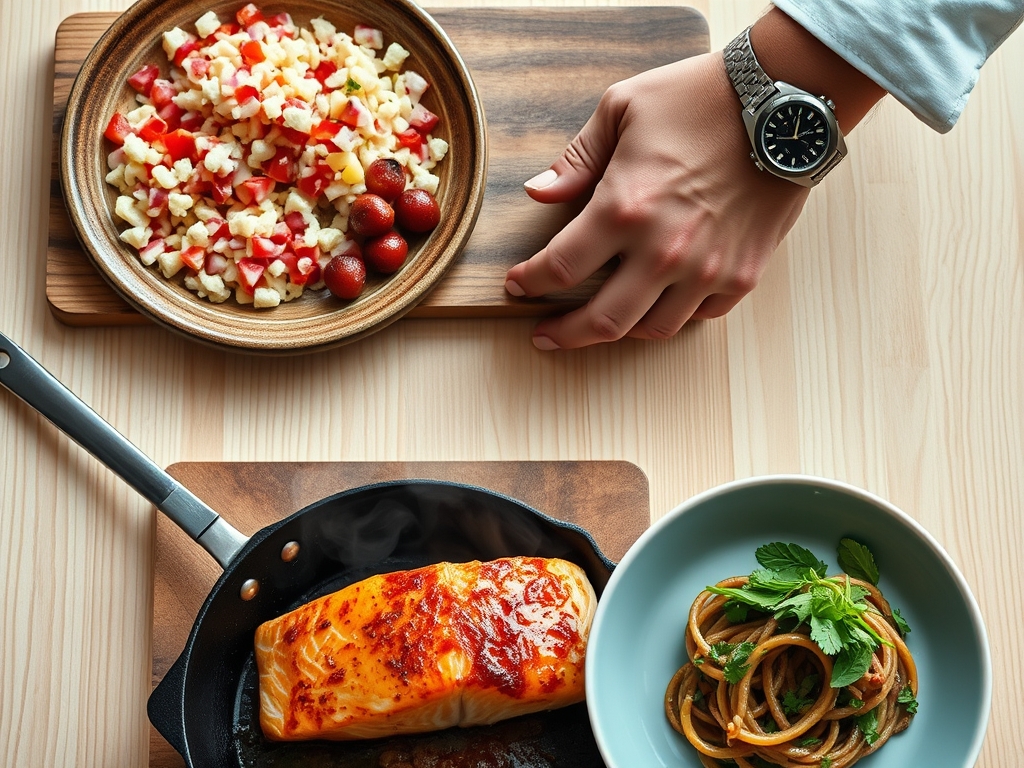
Place your heavy-bottomed skillet over medium-high heat until the oil reaches its shimmering point. Lay the salmon skin-side down, pressing firmly with a flexible spatula for ten seconds to prevent the skin from curling. This ensures maximum surface contact.
Pro Tip: This technique facilitates protein denaturation at the surface level. By pressing the fish, you ensure the skin renders its fat evenly, resulting in a chip-like crunch rather than a rubbery texture.
2. Aromatics and Infusion
Once the skin is crisp, toss in crushed garlic and sprigs of thyme. Tilt the pan slightly and use a large spoon to infuse the hot fat over the flesh of the fish. This is called "aromatic basting" and it builds layers of flavor without overcooking the delicate interior.
Pro Tip: Basting creates a thermal buffer. The hot oil gently cooks the top of the fillet while the garlic compounds undergo a flavor transformation, moving from sharp and pungent to mellow and sweet.
3. Deglazing the Fond
Remove the fish when it is just shy of your target temperature. Pour a splash of vegetable stock or citrus juice into the hot pan to deglaze the brown bits (the fond) stuck to the bottom. Whisk vigorously to create a pan sauce.
Pro Tip: The fond is a concentrated source of umami. By introducing a liquid, you trigger hydrolysis, dissolving those flavorful proteins into a sauce that coats your palate and ties the whole dish together.
4. The Rest and Carryover
Transfer the fillets to a warm plate and let them sit for at least three minutes. This is the most skipped step, but it is the most vital for a succulent result.
Pro Tip: This utilizes thermal carryover. The internal temperature will rise by 5 to 10 degrees after the fish leaves the pan. Resting allows the muscle fibers to relax and reabsorb the internal juices, preventing a dry, chalky mouthfeel.
The Deep Dive
Nutritionally, these pregnancy salmon recipes are a powerhouse. Each serving provides roughly 34 grams of high-quality protein and over 1,000mg of Omega-3 fatty acids. These fats are crucial for the development of the fetal retina and brain. From a dietary perspective, these recipes are naturally Gluten-Free. For a Keto approach, serve the salmon over a bed of sautéed spinach or cauliflower mash. For a Vegan swap, the glazes work beautifully on thick slabs of roasted cauliflower or firm tofu, though the nutritional profile will shift significantly.
The Fix-It: If your salmon sticks to the pan, do not force it. It usually means the protein-metal bond hasn't broken yet; wait another 30 seconds for the fish to "self-release." If the white albumin (the white protein "bubbles") appears on the surface, your heat is too high. Lower the flame immediately. If the skin is soggy, you likely didn't pat the fish dry enough or the pan wasn't hot enough to trigger the evaporative cooling necessary for a crust.
For meal prep, reheating salmon is a delicate science. Avoid the microwave at all costs. Instead, place the fillet in a 275-degree oven with a tablespoon of water and cover it tightly with foil. This creates a mini-steam chamber that restores the moisture without overcooking the proteins, maintaining that "day-one" quality.
The Wrap-Up
Mastering pregnancy salmon recipes is about more than just a meal; it is about fueling your body with the highest quality building blocks while treating your senses to a gourmet experience. You now have the technical knowledge to sear, baste, and deglaze like a professional. Remember that cooking is a conversation between you and your ingredients. Listen for the sizzle, watch for the color change, and trust your instincts. You are doing something incredible for yourself and your baby; you might as well make it taste like a five-star dinner. Now, grab those tongs and get cooking!
The Kitchen Table
Is it safe to eat salmon every day during pregnancy?
Yes, as long as it is low-mercury. The FDA recommends 8 to 12 ounces of low-mercury fish weekly. Salmon is an ideal choice because it provides essential DHA and Vitamin D for fetal development without the high mercury risks of larger fish.
How do I know when the salmon is fully cooked?
Use a digital thermometer to check for an internal temperature of 145 degrees Fahrenheit. Alternatively, the flesh should be opaque and flake easily with a fork. During pregnancy, ensure the fish is cooked through rather than served rare or medium-rare.
Can I use frozen salmon for these recipes?
Absolutely. Flash-frozen salmon is often fresher than "fresh" fish at the counter. Thaw it slowly in the refrigerator overnight. Crucially, pat it extremely dry with paper towels before cooking to ensure you still achieve a proper, crispy Maillard sear.
What is the best way to store leftover cooked salmon?
Place leftovers in an airtight glass container and refrigerate for up to two days. To maintain texture, avoid the microwave when reheating. Instead, use a low-temperature oven or flake the cold salmon into a fresh salad for a quick, chilled lunch.