
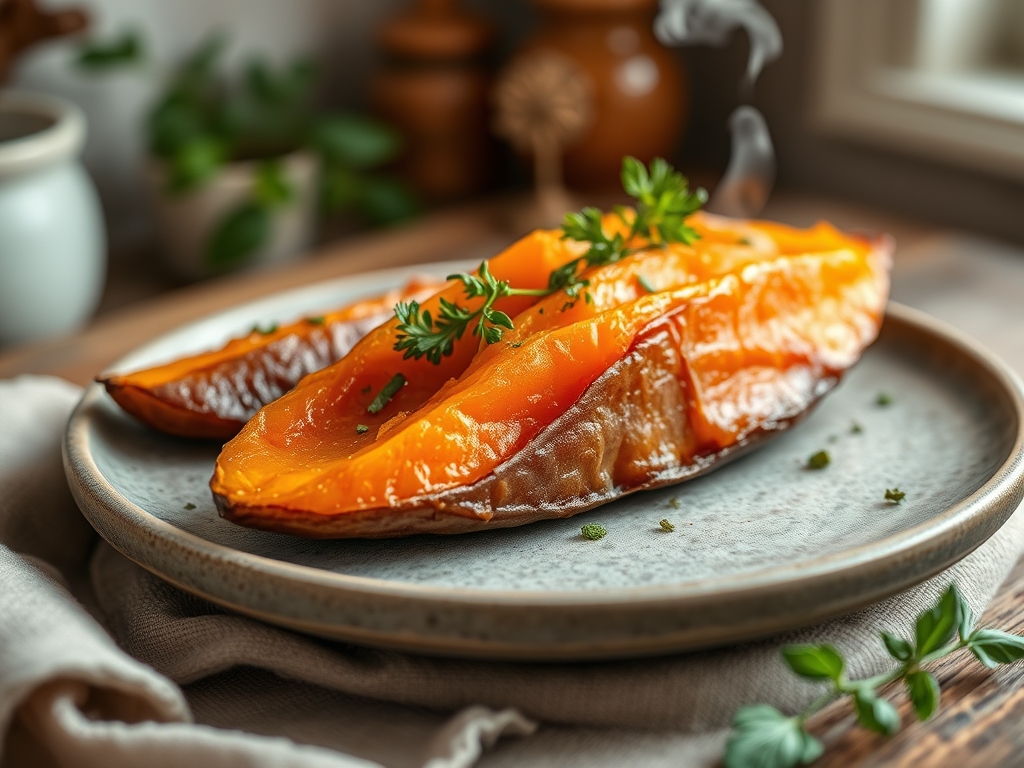
Imagine the scent of caramelized sugars wafting through your kitchen as a humble tuber transforms into a golden, velvet masterpiece. We often view health food as a compromise; a dull trade-off between flavor and function. However, mastering diet sweet potato recipes is less about restriction and more about unlocking the chemical potential of the Ipomoea batatas. These orange gems are packed with beta-carotene and fiber, but their true magic lies in their versatility. Whether you are craving a savory crunch or a creamy dessert, the right technique can turn a simple root into a culinary powerhouse. By understanding how heat interacts with starch, we can create meals that feel indulgent while remaining perfectly aligned with your wellness goals. This is not just cooking; it is edible alchemy designed to fuel your body and delight your palate. We are about to dive into ten hacks that will redefine your meal prep forever.
The Gathers:
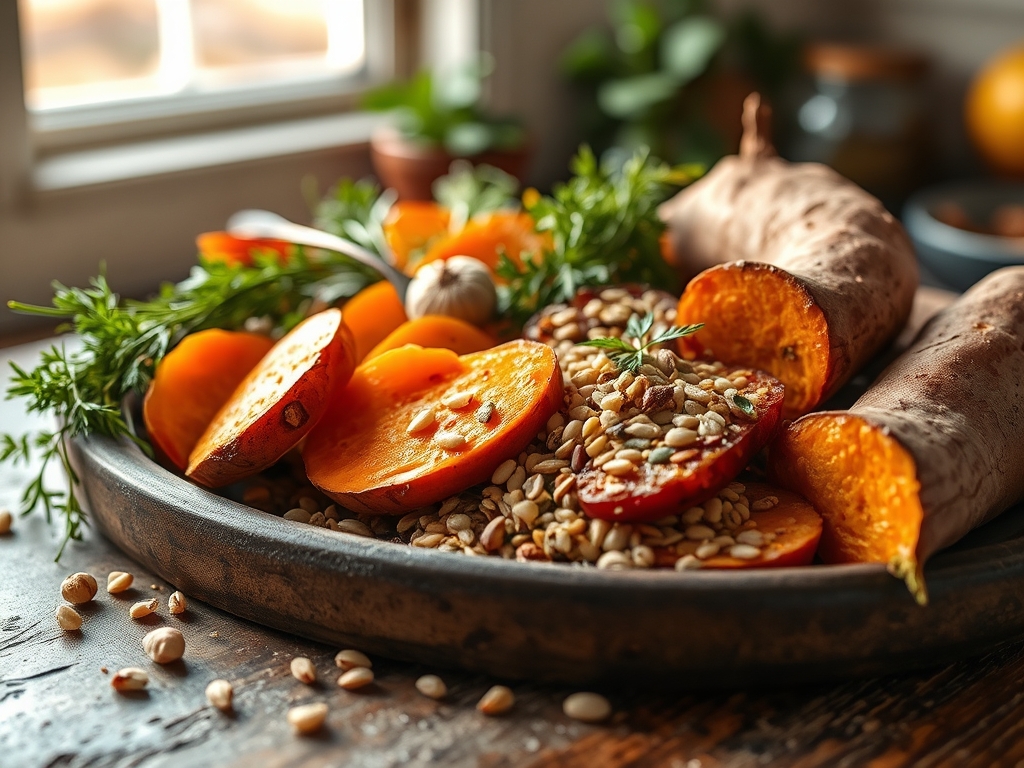
To execute these diet sweet potato recipes with precision, your mise-en-place must be intentional. Start with firm, unblemished Garnet or Jewel sweet potatoes. These varieties possess a high moisture content that becomes viscous and rich when roasted. You will need a digital scale to ensure consistent portioning, as starch density can vary wildly between tubers. For your aromatics, gather fresh rosemary, smoked paprika, and sea salt.
Smart Substitutions are the secret to keeping things lean. Instead of heavy butter, use a high-quality avocado oil spray to achieve a crisp exterior without excessive lipids. If a recipe calls for cream, reach for Greek yogurt or silken tofu to infuse the dish with protein while maintaining a silky mouthfeel. Always keep a microplane nearby to zest citrus or grate fresh ginger; these high-impact flavors add a piquant brightness that negates the need for added sodium. Finally, ensure your heavy-bottomed skillet is clean and ready to render out natural sugars.
The Clock:
Efficiency in the kitchen is dictated by "Chef's Flow." This is the art of overlapping tasks to minimize downtime. For most diet sweet potato recipes, your active prep time will be approximately 15 minutes. This involves washing, peeling, and cubing your tubers with a sharp chef's knife.
The cooking phase generally spans 30 to 45 minutes depending on the application. Roasting requires a steady 400 degrees Fahrenheit to trigger the Maillard reaction, while steaming takes a mere 12 minutes to reach a fork-tender state. While the potatoes are in the oven, use that window to prepare your proteins or whisk together a light vinaigrette. By the time the timer dings, your entire meal should be ready to plate. This synchronized timing ensures that your starch is served at the peak of its structural integrity.
The Masterclass:
1. The Perfect Hasselback Slice
Place the potato between two wooden spoons and slice thin rounds. The spoons act as a guard to prevent cutting all the way through. This increases surface area for seasoning.
Pro Tip: This technique prevents enzymatic browning by allowing heat to penetrate the core rapidly; the increased surface area also maximizes the caramelization of maltose.
2. The Air-Fried "No-Oil" Crunch
Toss cubes in a bowl with aquafaba (chickpea water) before seasoning and air-frying at 380 degrees. The proteins in the aquafaba create a thin, crispy film.
Pro Tip: Using a bench scraper to move the cubes ensures you don't break the delicate starch cell walls before they set during the frying process.
3. Savory Breakfast Toasts
Slice the potato lengthwise into half-inch planks and pop them into a standard toaster twice on high. Top with avocado and a poached egg.
Pro Tip: This method utilizes retrogradation; cooling and reheating the starch increases resistant starch levels, which is excellent for gut health and blood sugar stability.
4. The Whipped Protein Puree
Boil peeled chunks until soft, then transfer to a high-speed blender with a splash of unsweetened almond milk and vanilla protein powder.
Pro Tip: Use the blender to aerate the mixture; incorporating air bubbles creates a voluminous, mousse-like texture that feels much heavier than its actual caloric load.
5. Zesty Spiralized Noodles
Use a spiralizer to create long curls. Sauté them quickly in a saucier with garlic and lemon juice for a low-carb pasta alternative.
Pro Tip: Do not overcook. You want to stop the heat just as the noodles become translucent to avoid starch gelatinization, which results in a mushy, unappealing texture.
6. The Slow-Roasted Whole Tuber
Prick the skin and bake at 350 degrees for 90 minutes. This low-and-slow approach turns the interior into a natural jam.
Pro Tip: This extended time allows amylase enzymes to break down complex starches into simpler sugars, resulting in a naturally sweeter profile without any added sweeteners.
7. Sweet Potato "Nacho" Rounds
Slice into thin coins, roast until firm, and pile high with black beans, salsa, and nutritional yeast. Use tongs to flip each coin halfway through.
Pro Tip: Thermal carryover will continue to crisp the rounds for two minutes after they leave the oven; pull them out just before they look "done" to avoid burning.
8. The Smoky Mash
Mash steamed potatoes with chipotle in adobo and a touch of lime. The heat from the peppers cuts through the density of the root.
Pro Tip: Use a ricer instead of a masher to avoid overworking the starch; over-mashing releases too much amylopectin, making the dish gluey rather than fluffy.
9. Frozen Sweet Potato Smoothies
Steam, cube, and freeze your potatoes. Add them to your morning shake for a creamy, thick texture similar to a milkshake.
Pro Tip: Freezing breaks down the cellular structure, making the nutrients more bioavailable while providing a viscous thickness that keeps you full longer.
10. The Deglazed Skillet Medley
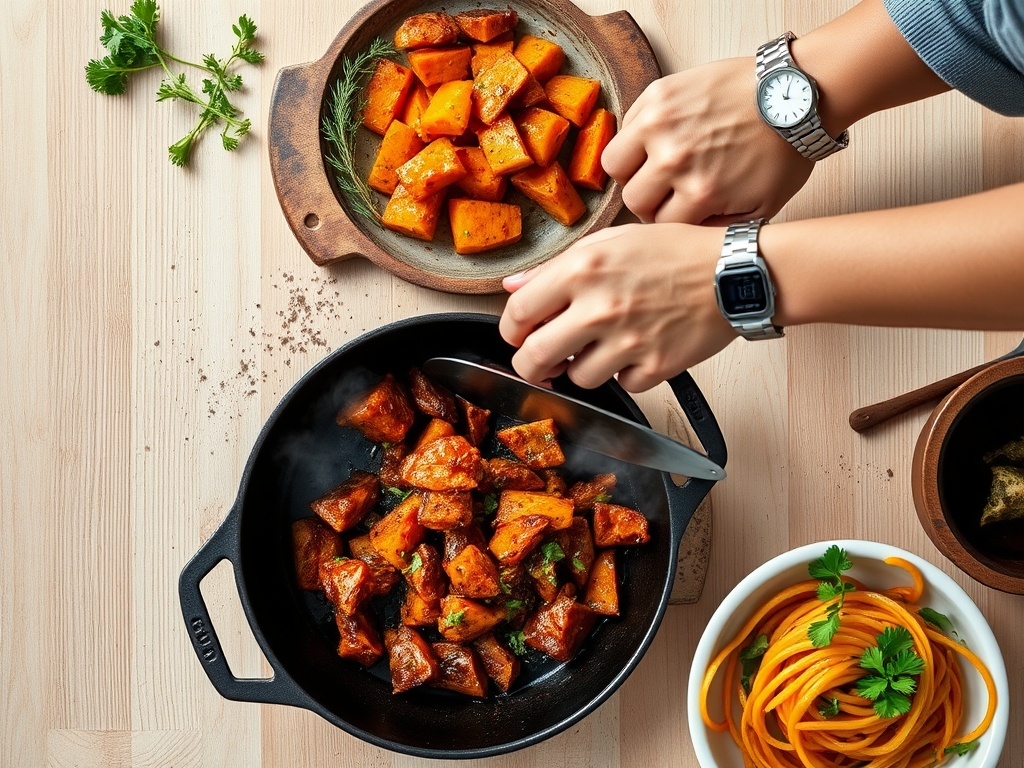
Sauté cubes with onions and peppers. When the pan gets brown bits, deglaze with a splash of vegetable broth to lift the flavor.
Pro Tip: The brown bits (fond) contain concentrated flavor; using a liquid to lift them ensures every cube is coated in a savory, umami-rich glaze.
The Deep Dive:
From a macro perspective, a medium sweet potato offers about 100 calories, 24 grams of complex carbohydrates, and 4 grams of fiber. It is virtually fat-free and provides over 400 percent of your daily Vitamin A requirements. For those following a Vegan lifestyle, these recipes are naturally compliant. If you are Keto, keep portions small (around 50g) and pair them with high-fiber greens to mitigate the insulin response. For Gluten-Free diners, the sweet potato is a safe, whole-food alternative to processed grains.
The Fix-It:
- Soggy Fries: This happens when the pan is overcrowded. Use two baking sheets to allow steam to escape.
- Bitter Skin: This is often caused by residual dirt or pesticides. Use a vegetable brush to scrub vigorously under cold water.
- Uneven Cooking: This occurs when pieces are cut in varying sizes. Use a mandoline for uniform slices to ensure every piece finishes at the same time.
For meal prep, the science of reheating is vital. Avoid the microwave, which turns starch into rubber. Instead, use a toaster oven or a dry skillet to re-crisp the exterior. This preserves the "day-one" quality by evaporating any moisture that migrated to the surface during refrigeration.
The Wrap-Up:
You are now equipped with the technical prowess to turn a simple root vegetable into a week of gourmet, diet-friendly meals. By focusing on temperature control, surface area, and smart swaps, you can enjoy the comforting warmth of sweet potatoes without the heavy caloric baggage. Remember, the best recipes are the ones that make you feel energized and inspired. Get into that kitchen, grab your favorite heavy-bottomed skillet, and start experimenting with these hacks today. Your taste buds and your waistline will thank you.
The Kitchen Table:
Can I eat sweet potato skins on a diet?
Yes. The skin contains a significant portion of the tuber's fiber and potassium. Scrub them well and roast until crispy to add texture and nutrients to your diet sweet potato recipes without adding extra calories.
What is the best way to store cooked sweet potatoes?
Store them in an airtight glass container in the fridge for up to five days. To maintain texture, reheat them in an air fryer or oven rather than a microwave to keep the edges firm and flavorful.
Are sweet potatoes better than white potatoes for weight loss?
Sweet potatoes have a lower glycemic index and more fiber than white potatoes. This means they digest slower, keeping your blood sugar stable and helping you feel satiated for a longer period during your weight loss journey.
How do I make sweet potatoes taste sweet without sugar?
Roast them at a lower temperature for a longer duration. This process allows the natural enzymes to convert starches into maltose, creating a deep, honey-like sweetness without the need for syrups or processed sugars.