
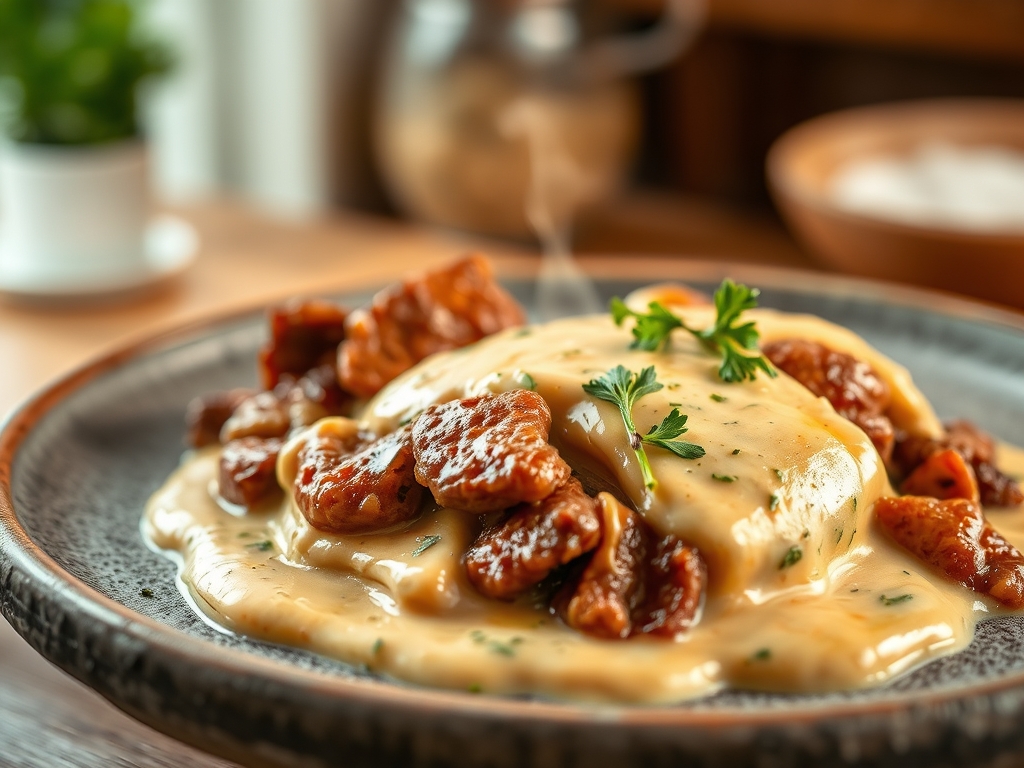
Picture a chilly morning where the kitchen air is thick with the scent of toasted sourdough and simmering cream. There is something deeply primal about the comfort of creamed beef recipes; they offer a velvety, salt-forward hug that anchors your morning. It is the ultimate culinary paradox: humble ingredients transformed into a luxurious, silk-like gravy through the magic of chemistry.
We are moving past the bland, cafeteria versions of your childhood. This is about elevating a classic into a gourmet experience using high-end techniques. Whether you call it S.O.S. or chipped beef on toast, the goal remains the same. We want a perfectly balanced ratio of salt, fat, and acid. By mastering the art of the roux and understanding protein denaturation, you can turn a simple pantry staple into a masterpiece of texture and flavor. Let us dive into the mechanics of the perfect pour.
The Gathers:
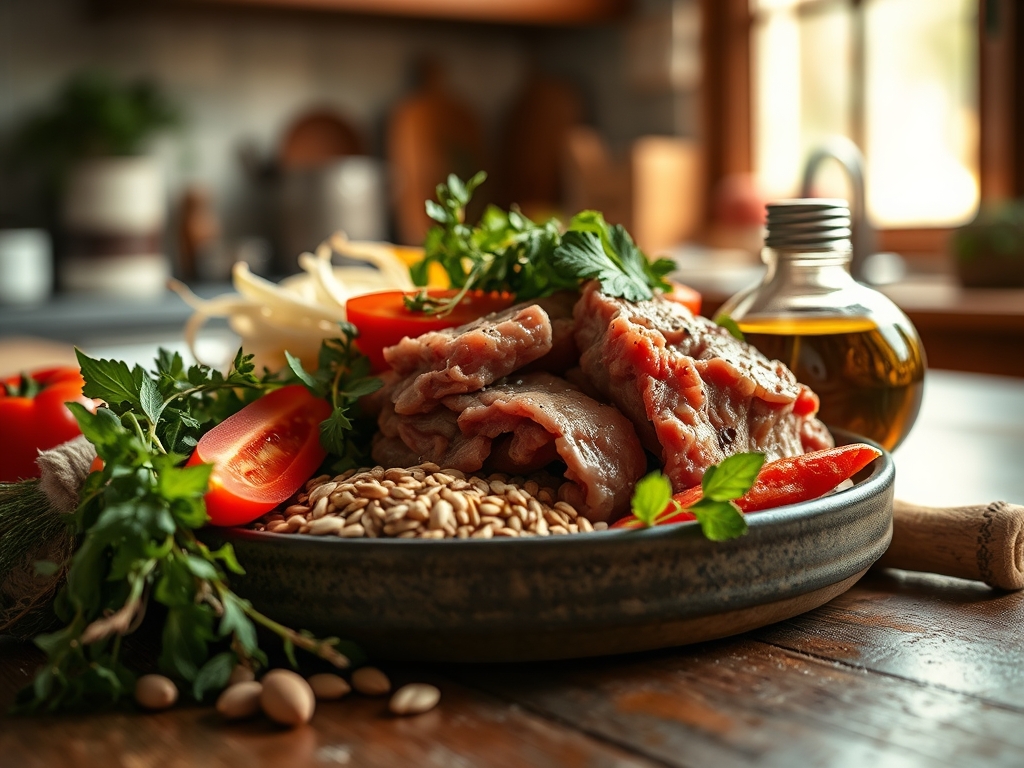
To achieve a professional-grade result, your mise-en-place must be precise. Start with your protein: 8 ounces of high-quality dried beef, sliced into thin ribbons. If you prefer a more modern twist, use 1 pound of 80/20 ground chuck to ensure enough fat to render for your base. For the liquid gold, you need 2 cups of whole milk; do not even think about skim, as the lack of fat globules will prevent a truly viscous mouthfeel.
Your aromatics are non-negotiable. Gather one small yellow onion, finely minced with a sharp chef's knife to ensure even cooking, and two cloves of garlic. For the thickening agent, keep 4 tablespoons of unsalted butter and 4 tablespoons of all-purpose flour ready. To brighten the profile, a teaspoon of Worcestershire sauce and a pinch of freshly grated nutmeg are essential. Use a microplane to zest the nutmeg; the volatile oils are most potent when freshly released.
Smart Substitutions: If you are looking for a deeper umami profile, swap half the milk for a rich beef bone broth. For those avoiding dairy, a full-fat cashew cream provides the necessary lipids to maintain a stable emulsion without breaking under high heat. If you find the salt content of dried beef too aggressive, a quick 30-second blanch in boiling water will leach out excess sodium while keeping the texture intact.
The Clock:
Efficiency in the kitchen is about the Chef's Flow. This entire process takes exactly 25 minutes if you follow the sequence. Spend the first 10 minutes on prep: slicing the beef, mincing aromatics, and measuring your flour and milk using a digital scale for absolute accuracy. The actual cook time is 15 minutes.
The flow begins with rendering the fat, followed by the aromatic infusion. While the roux is cooking, you should be prepping your toast or biscuits. The final five minutes are dedicated to the slow incorporation of liquid and the "low and slow" simmer. This timing ensures the starch granules in the flour have enough time to swell and gelatinize without the sauce becoming gluey or scorched.
The Masterclass:
1. The Rendering and Searing
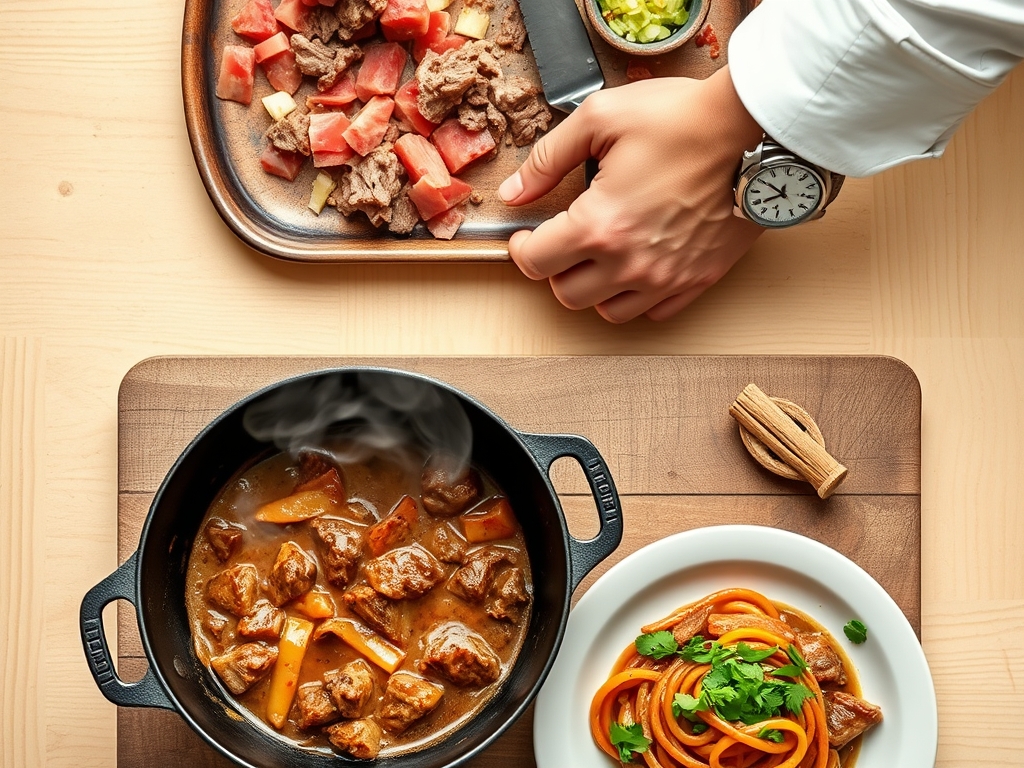
Place your heavy-bottomed skillet over medium-high heat. Add your beef and cook until the edges begin to curl and brown. If using ground beef, use a stiff spatula to break the meat into small, uniform crumbles.
Pro Tip: This stage relies on the Maillard reaction, a chemical reaction between amino acids and reducing sugars that creates hundreds of different flavor compounds. Do not crowd the pan; excess moisture will cause the meat to steam rather than sear, robbing you of that deep, savory crust.
2. The Aromatic Infusion
Lower the heat to medium and add your minced onions. Sauté until they are translucent and have picked up the brown bits (fond) from the bottom of the pan. Add the garlic only in the last 60 seconds to prevent bitterness.
Pro Tip: Onions contain sulfur compounds that mellow and sweeten as they undergo pyrolysis. By deglazing the pan with the moisture from the onions, you are incorporating the concentrated beef essence back into the base of the sauce.
3. The Roux Foundation
Add your butter to the pan. Once melted, sprinkle the flour evenly over the fat. Use a saucier whisk to stir constantly for 2 to 3 minutes until the mixture smells slightly nutty and looks like wet sand.
Pro Tip: This is a "blonde roux." Cooking it briefly removes the raw flour taste while preserving the maximum thickening power of the starches. If you cook it too long (into a dark roux), the starch molecules break down and lose their ability to create a thick, stable sauce.
4. The Tempering and Emulsion
Slowly pour in the milk, one-quarter cup at a time. Whisk vigorously after each addition to ensure the fat and liquid are fully integrated before adding more.
Pro Tip: This step involves gelatinization. As the milk heats, the starch granules from the flour absorb liquid and burst, creating a mesh that traps water and thickens the sauce. Adding the liquid slowly prevents lumps by allowing the starch to hydrate evenly.
5. The Final Reduction and Seasoning
Bring the mixture to a gentle simmer. Add your Worcestershire sauce, black pepper, and that fresh nutmeg. Let it bubble softly for 5 minutes until it coats the back of a spoon.
Pro Tip: Use the "nappe" test to check consistency. Dip a spoon into the sauce and run your finger across the back. If the line remains clean and the sauce does not run, you have achieved the perfect viscosity. Thermal carryover will continue to thicken the sauce once it is removed from the heat.
The Deep Dive:
From a nutritional standpoint, creamed beef is a protein powerhouse, providing roughly 22 grams of protein per serving. It is also high in calcium and B vitamins. However, it is calorie-dense, so balance it with a side of steamed greens or a crisp salad to cut through the richness.
Dietary Swaps:
- Keto: Replace the flour roux with a combination of heavy cream and a half-teaspoon of xanthan gum.
- Gluten-Free: Use a 1:1 gluten-free flour blend or cornstarch slurry (though the texture will be slightly more translucent).
- Vegan: Use "soy curls" or minced mushrooms sautéed with liquid smoke, paired with a coconut milk and nutritional yeast base.
The Fix-It:
- Too Salty: If the dried beef overwhelmed the dish, stir in a teaspoon of lemon juice or white vinegar. The acid masks the perception of salt on the tongue.
- Lumpy Sauce: If your roux clumped, do not panic. Pour the sauce through a fine-mesh sieve or use an immersion blender to smooth it out instantly.
- Too Thick: If it looks like paste, whisk in a tablespoon of warm broth or milk at a time until the desired flow is restored.
Meal Prep:
When reheating, the starch molecules undergo retrogradation, causing the sauce to stiffen. To restore "day-one" quality, add a splash of milk before microwaving or reheating on the stovetop. This re-hydrates the starch mesh and restores the creamy texture.
The Wrap-Up:
Mastering creamed beef recipes is like learning a secret handshake in the world of comfort food. It is about more than just tossing meat into gravy; it is a lesson in heat management, starch behavior, and flavor balancing. When you serve this over a thick slice of toasted brioche, you are not just serving breakfast; you are serving a scientifically perfected experience. Now, grab your skillet and go create some magic!
The Kitchen Table:
Why is my creamed beef sauce lumpy?
Lumps occur when liquid is added too quickly to the roux, causing starches to unevenly hydrate. To fix this, whisk vigorously while slowly tempering in your milk, or use an immersion blender to smooth the texture.
Can I make creamed beef ahead of time?
Yes, you can refrigerate it for up to three days. When reheating, add a splash of milk or water to loosen the sauce, as the starch will naturally thicken and set as it cools in the fridge.
What is the best bread for creamed beef recipes?
A sturdy, thick-cut bread like sourdough or Texas toast is best. These varieties have a strong crumb structure that can support the weight of the heavy gravy without becoming soggy or falling apart immediately.
How do I reduce the salt in dried beef?
Rinse the sliced dried beef under cold water or blanch it in boiling water for 30 seconds before cooking. This removes surface salt and preserves the flavor without making the entire dish overly salty.