
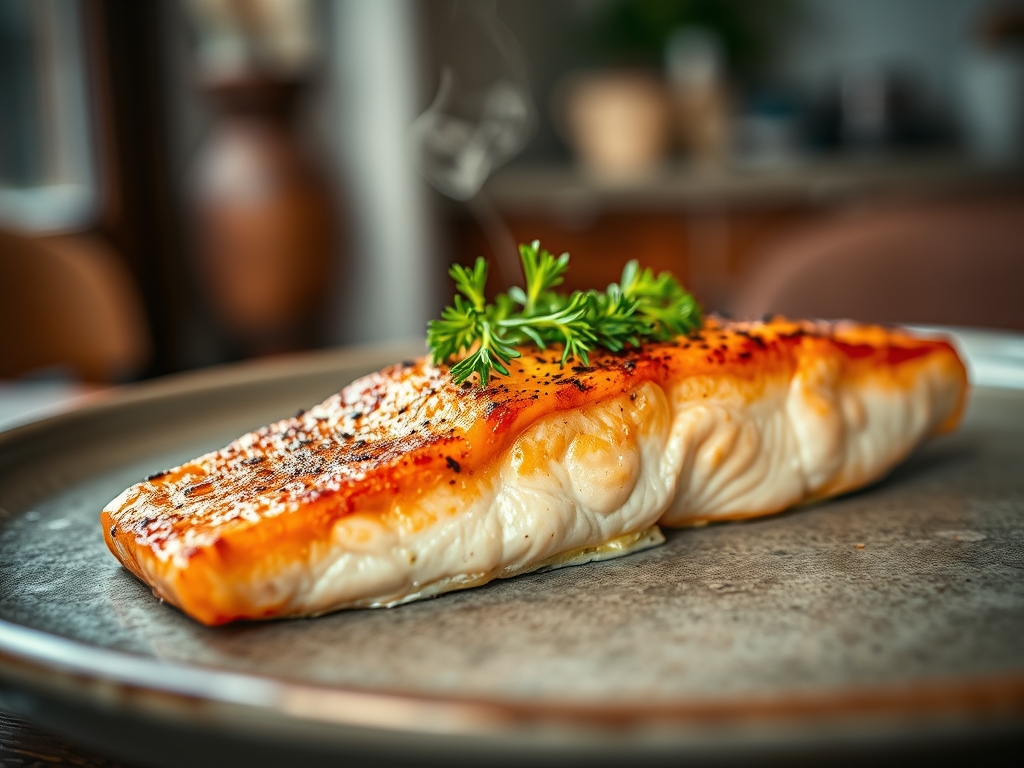
Crack open a pouch and inhale that clean, briny scent of the Pacific. We are moving beyond the basic salad topper today. When you master these starkist salmon recipes, you are not just opening a snack; you are deploying a high-protein, shelf-stable weapon that rivals fresh fillets for convenience and texture. It is time to ditch the soggy sandwiches and embrace the culinary science of the pink salmon pouch.
Imagine a kitchen where dinner is ready in under ten minutes, but it tastes like a bistro specialty. We are talking about leveraging the natural oils and firm flake of wild-caught salmon to create everything from crispy pan-seared cakes to creamy, dairy-free mousses. The beauty of these pouches lies in their vacuum-sealed freshness. Because they are not swimming in excess water like traditional cans, the cellular structure of the fish remains intact. This means we can achieve a better sear and a more delicate mouthfeel. We are going to use professional techniques like emulsification and Maillard-driven searing to transform these pantry staples into gourmet fuel. Grab your apron and your favorite heavy-bottomed skillet; we are about to elevate your meal prep game to a professional tier.
The Gathers:
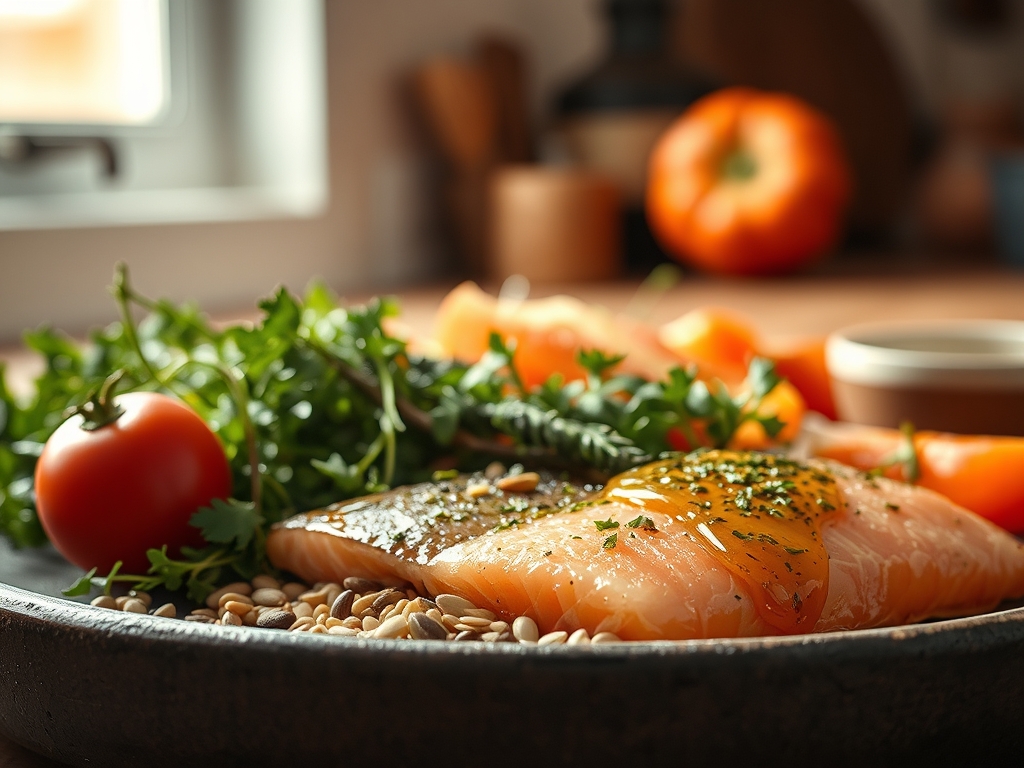
To execute these starkist salmon recipes with precision, your mise-en-place must be tight. Start with three to four 2.6-ounce pouches of StarKist Wild Pink Salmon. You will notice the texture is remarkably lean; this is because pink salmon has a lower lipid content than Sockeye, making it the perfect canvas for added healthy fats.
Next, gather your aromatics. You need fresh dill, flat-leaf parsley, and a single shallot. We use a microplane to zest one organic lemon, releasing the essential oils trapped in the flavedo without hitting the bitter white pith. For our binding agents, we are skipping the heavy mayo. Instead, grab a jar of Greek yogurt for tang or a ripe avocado for a dose of monounsaturated fats.
Smart Substitutions:
If you are running low on traditional breadcrumbs, use crushed pork rinds for a keto-friendly crunch or almond flour to keep things gluten-free. For a piquant kick, swap standard mustard for a stone-ground Dijon. The coarse seeds provide a textural contrast that pop against the soft flakes of the fish. Always keep a bottle of high-quality extra virgin olive oil nearby to help infuse the herbs into the protein during the mixing phase.
The Clock:
Efficiency is the hallmark of a professional kitchen. This entire suite of hacks follows a specific "Chef's Flow" to ensure you are never hovering over a stove for more than necessary.
Prep Time: 8 Minutes. This includes your knife work. Use a sharp chef knife to finely mince your aromatics. The goal is a uniform size to ensure even distribution of flavor in every bite.
Cook Time: 5 to 12 Minutes. Depending on whether you are eating the salmon cold in a Mediterranean wrap or searing it into cakes, the thermal application is minimal.
Total Time: 20 Minutes Max.
The "Chef's Flow" involves prepping your cold elements first. While your skillet is preheating or your grains are steaming, you mix your salmon base. This allows the flavors to marinate and the proteins to bind, preventing your salmon cakes from falling apart the moment they hit the heat.
The Masterclass:
1. The Perfect Flake and Fold
Open your pouches and transfer the contents to a wide stainless steel mixing bowl. Use a fork to gently break apart the larger chunks, but do not overwork the fish. We want to maintain the integrity of the muscle fibers.
Pro Tip: This is about mechanical shear. If you over-mix, you break the proteins down into a paste, losing that premium "flaked" texture. Keep the movements light to preserve the airy quality of the salmon.
2. The Acid Brightening Phase
Squeeze half a lemon over the salmon and add a teaspoon of caper brine. The acidity does more than just add flavor; it begins a process of denaturation, which firms up the fish and cuts through any residual oiliness.
Pro Tip: Acid acts as a flavor enhancer by stimulating the salivary glands. This increase in saliva helps transport flavor molecules to your taste buds more efficiently, making the salmon taste "fresher."
3. Binding with Healthy Fats
Add two tablespoons of Greek yogurt or mashed avocado. Use a silicone spatula to fold the binder into the fish. This creates a viscous coating that holds the flakes together without weighing them down.
Pro Tip: This creates a temporary emulsion. The fats in the yogurt or avocado coat the lean protein fibers, providing a creamy mouthfeel that mimics the high fat content of more expensive salmon varieties.
4. The High-Heat Sear
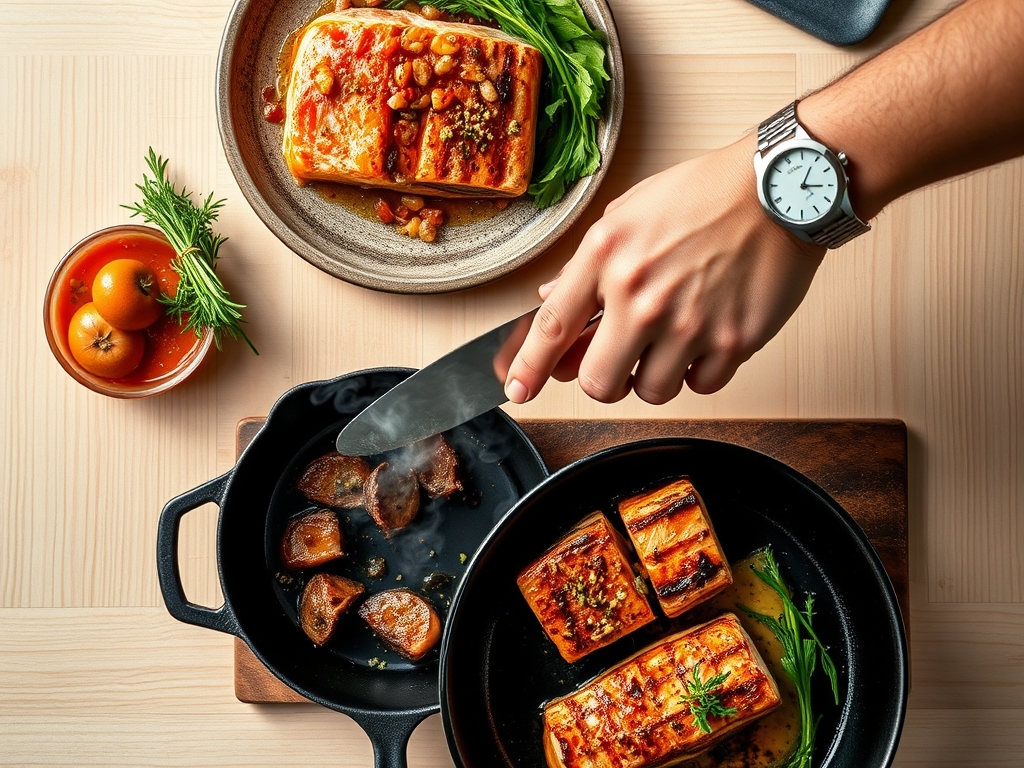
If you are making salmon cakes, form the mixture into small patties. Heat a cast-iron skillet until it reaches approximately 375 degrees Fahrenheit. Add a high-smoke-point oil like avocado oil and gently place the patties in the pan using offset tongs.
Pro Tip: This triggers the Maillard reaction. The amino acids and reducing sugars in the salmon react under high heat to create a golden-brown crust. This crust provides a complex, savory flavor profile that raw or boiled salmon lacks.
5. Aerating the Final Dish
Before serving, toss in your fresh herbs. Use a bench scraper to lift and fold the herbs into the warm salmon if you are serving it hot. This prevents the herbs from wilting instantly.
Pro Tip: Adding herbs at the very end preserves their volatile aromatic compounds. If you cook the herbs too long, the delicate oils evaporate, leaving you with a dull, grassy taste instead of a bright, floral finish.
The Deep Dive:
When we look at the macro nutrition of these starkist salmon recipes, the numbers are impressive. One pouch typically contains 17 grams of lean protein and only 70 to 80 calories. It is a powerhouse of Omega-3 fatty acids, specifically EPA and DHA, which are essential for brain health and reducing systemic inflammation.
Dietary Swaps:
For my vegan friends, you can replicate the texture of salmon using mashed chickpeas or hearts of palm, though you will miss the specific marine collagen. For Keto enthusiasts, double down on the fats by adding a dollop of clarified butter (ghee) to your sear. If you are Gluten-Free, ensure your binders are certified, as some pre-packaged spices contain hidden wheat fillers.
The Fix-It:
- Too Dry: If your salmon feels parched, you likely skipped the fat. Fold in a teaspoon of olive oil or a splash of coconut milk to rehydrate the fibers.
- Falling Apart: Your patties are likely too wet. Add a tablespoon of flaxseed meal; it acts as a powerful hydrocolloid, absorbing excess moisture and acting as a "glue."
- Metallic Taste: This sometimes happens with shelf-stable fish. Neutralize it with a heavy hand of fresh dill and a pinch of cream of tartar.
Meal Prep Science:
To maintain "day-one" quality, store your salmon mixtures in airtight glass containers. When reheating, avoid the microwave if possible. The microwave causes dielectric heating, which can turn the delicate fish rubbery. Instead, use a warm pan over low heat with a lid to trap steam and gently re-moisturize the protein.
The Wrap-Up:
You are now officially a master of the pouch! These starkist salmon recipes prove that "healthy" doesn't have to mean "boring" or "time-consuming." By understanding the science of acidity, the physics of a perfect sear, and the chemistry of binders, you can turn a simple pantry staple into a rotating highlight of your weekly menu. Go ahead, flaunt those culinary skills and enjoy the clean, high-performance energy that only wild-caught salmon can provide.
The Kitchen Table:
How do I make salmon cakes not fall apart?
Use a binder like Greek yogurt or egg and let the mixture chill in the fridge for 10 minutes. This allows the proteins to set and the fibers to mesh, ensuring they hold their shape during the sear.
Is StarKist canned salmon healthy for daily use?
Yes, it is a lean, high-protein source rich in Omega-3s. Because it uses wild-caught pink salmon, it is lower in mercury than larger predatory fish like tuna, making it a safe, nutrient-dense choice for regular consumption.
Can I eat StarKist salmon straight from the pouch?
Absolutely. The salmon is fully cooked during the vacuum-sealing process. It is perfectly safe and delicious to eat cold, making it the ultimate "grab-and-go" protein for salads, wraps, or quick snacks at your desk.
How long does an opened salmon pouch last?
Once opened, transfer any leftovers to an airtight container and refrigerate. It should be consumed within two days. The lack of preservatives means the delicate fats can oxidize quickly if exposed to too much air.