
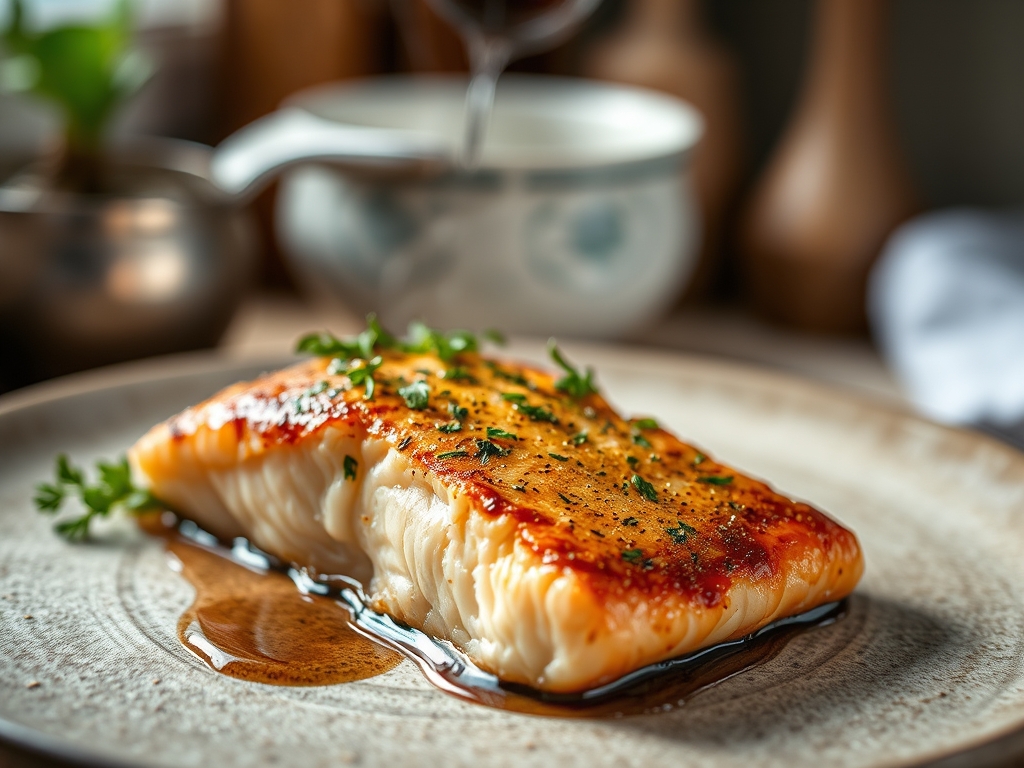
Imagine a fork sliding through a fillet with zero resistance; the flesh yields in translucent, buttery flakes that practically melt upon contact with your palate. Achieving this level of perfection requires more than luck. It demands an understanding of the protein structures within tender salmon recipes to ensure every bite remains succulent and vibrant.
The secret to restaurant-quality fish lies in the delicate balance of heat and moisture. Most home cooks treat salmon like steak; however, fish lacks the heavy connective tissue found in beef. When you overcook it, the muscle fibers contract violently, squeezing out the precious fats and moisture that make the dish enjoyable. By mastering a few specific techniques, you can transform a standard weeknight meal into a culinary event that feels both indulgent and effortless.
We are moving beyond basic baking. We are diving into the molecular mechanics of the Maillard reaction and the precise thermal control required to prevent that dreaded white "albumin" from leaking out of your fillets. Grab your apron and your favorite heavy-bottomed skillet; we are about to elevate your kitchen game with science-backed precision and a little bit of wit.
The Gathers:
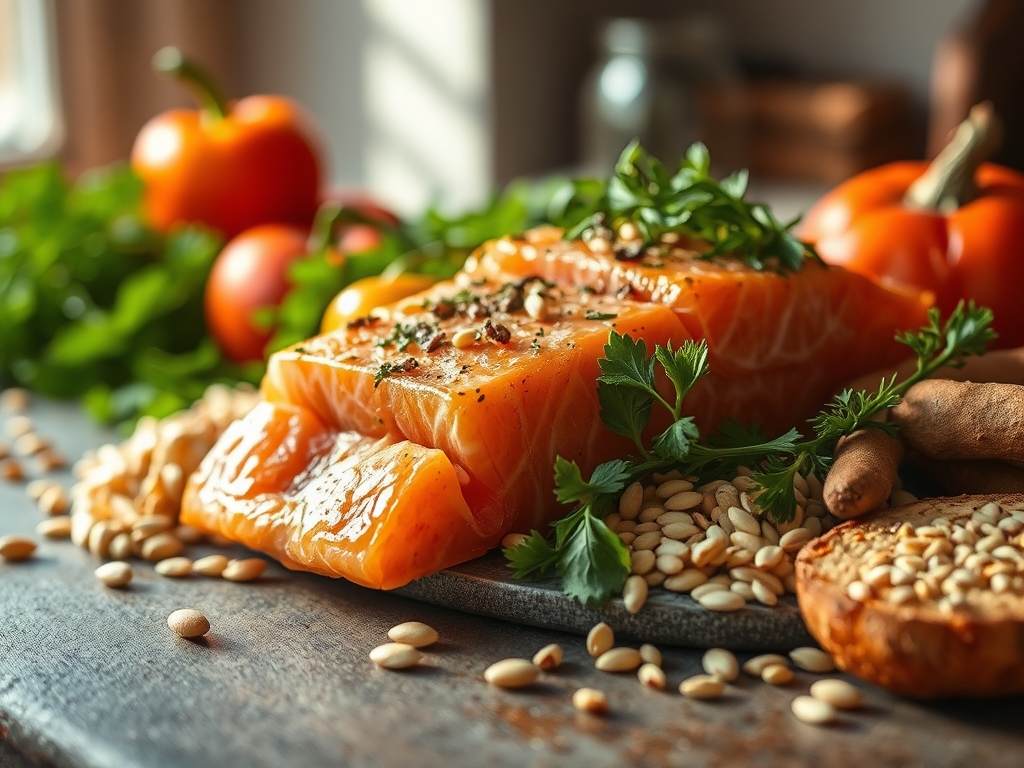
Before we ignite the burner, we must assemble our mise-en-place with the precision of a laboratory technician. Start with center-cut fillets; these offer a uniform thickness that ensures even heat distribution. You will need high-quality sea salt to initiate osmotic seasoning, which draws moisture to the surface before reabsorbing it to season the interior.
For your aromatic base, gather fresh dill and lemon zest. Use a microplane to shave the zest into fine, volatile ribbons that release essential oils without the bitterness of the white pith. You will also need a high-smoke-point fat, such as avocado oil or clarified butter (ghee), to facilitate a crisp skin without scorching.
Smart Substitutions:
If you are avoiding dairy, swap the finishing butter for a viscous emulsion of extra virgin olive oil and a splash of soy sauce to provide that savory umami hit. If fresh dill is unavailable, use tarragon for a piquant, anise-forward profile. For those watching sodium, a dash of coconut aminos offers a complex, salty depth with a lower glycemic index. Always use a digital scale to ensure your portions are consistent; 6 ounces per person is the professional standard for a balanced plate.
The Clock: Precision Timing
The "Chef's Flow" is all about maximizing efficiency so you are never rushing while the fish is on the heat. Expect 10 minutes for preparation; this includes patting the fish bone-dry and allowing it to come to room temperature. Cooking will take approximately 8 to 12 minutes depending on the thickness of your fillets.
The most critical phase is the 5-minute rest period. During this time, thermal carryover continues to cook the center of the fish while the juices redistribute. If you cut into it immediately, the moisture will escape onto the plate, leaving the protein dry. Total time from fridge to table is under 30 minutes; making this one of the most efficient tender salmon recipes in your repertoire.
The Masterclass:
1. The Desiccation Ritual
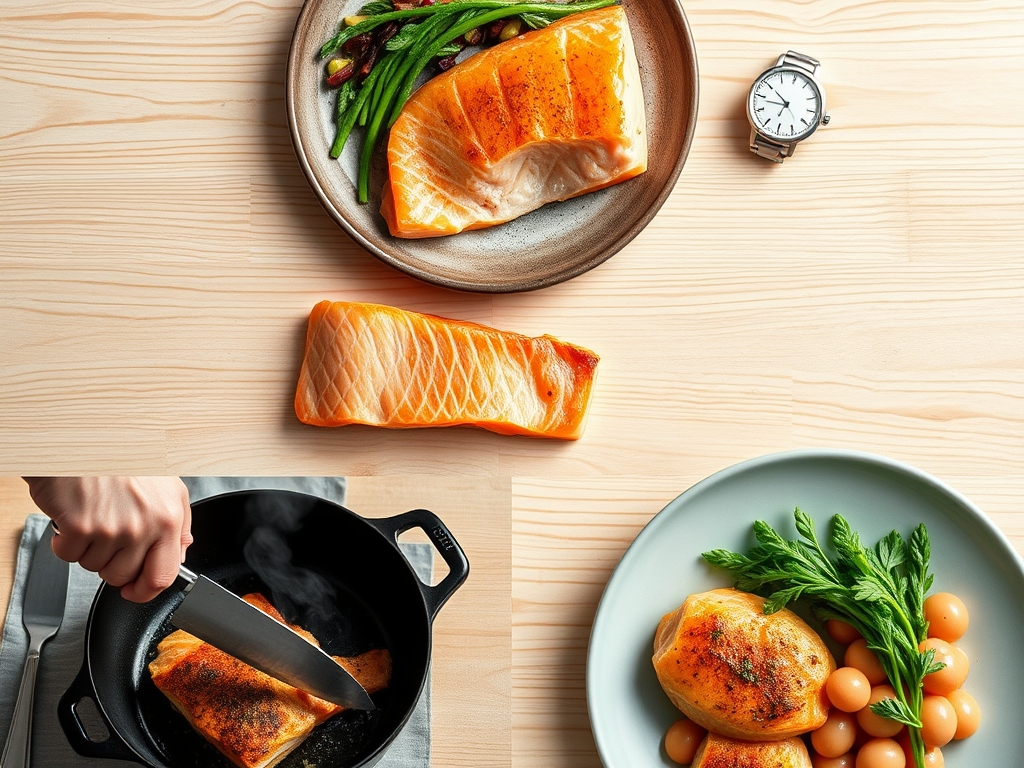
Use a paper towel to press every ounce of moisture from the skin and surface of the fish. Moisture is the enemy of the Maillard reaction; if the surface is wet, the fish will steam rather than sear.
Pro Tip: This prevents the "steaming effect." When water hits a hot pan, it creates a layer of vapor that prevents the protein from making direct contact with the metal, stalling the enzymatic browning necessary for a savory crust.
2. The Cold-Start or Hot-Sear Decision
Place your heavy-bottomed skillet over medium-high heat. Add your fat and wait until it shimmers. Lay the salmon skin-side down, pressing firmly with a fish spatula for the first 30 seconds to prevent the skin from curling.
Pro Tip: Pressing the fish ensures full contact with the pan, which facilitates even heat transfer. This prevents the edges from overcooking while the center remains raw.
3. Monitoring the Gradient
Watch the side of the fillet. You will see the color change from translucent pink to opaque beige climbing up the side. Once the opacity reaches the halfway mark, it is time to flip.
Pro Tip: This visual cue is a result of protein denaturation. By flipping at the halfway point, you ensure the delicate top flesh is only exposed to direct heat for a fraction of the time, preserving its silky texture.
4. The Butter Baste and Infusion
In the final two minutes, drop a knob of butter, smashed garlic, and thyme into the pan. Use a saucier spoon to continuously drench the salmon in the foaming fat.
Pro Tip: Basting creates an emulsified coating of flavor. The hot fat acts as a secondary heat source, gently finishing the top of the fish while infusing it with aromatic compounds.
5. The Digital Verification
Use a digital thermometer to check the internal temperature. For a perfect medium-rare, pull the fish at 125 degrees Fahrenheit.
Pro Tip: Thermal carryover will raise the internal temperature by another 5 to 7 degrees while the fish rests. Pulling it early prevents the muscle fibers from tightening and becoming "chalky."
6. The Acidic Finish
Once the fish is plated, hit it with a fresh squeeze of lemon juice or a dash of champagne vinegar.
Pro Tip: Acid cuts through the viscous fats of the salmon and butter. It brightens the flavor profile by balancing the richness, making the entire dish feel lighter on the palate.
The Deep Dive:
Macro Nutrition:
Salmon is a nutritional powerhouse, offering approximately 25 grams of protein per 4-ounce serving. It is rich in Omega-3 fatty acids, which are essential for brain health and reducing inflammation. Because we are using healthy fats for searing, the calorie count remains manageable for most dietary plans.
Dietary Swaps:
- Vegan: Use this same searing technique on "steaks" of cauliflower or extra-firm tofu pressed dry.
- Keto: This recipe is naturally keto-friendly; increase the butter baste for higher fat macros.
- GF: Ensure your seasonings are certified gluten-free.
The Fix-It:
- Albumin Leakage: If you see white "goo" seeping out, your heat is too high. Lower the flame and pull the fish immediately.
- Sticking Skin: You likely tried to flip too early. The fish will naturally "release" from the pan once the skin is fully crisped and dehydrated.
- Uneven Cooking: Use a bench scraper to ensure your fillets are cut to a uniform width before they hit the pan.
Meal Prep:
To reheat salmon without ruining the texture, avoid the microwave. Place it in a 275-degree oven with a splash of water and cover with foil. This creates a gentle steam chamber that rehydrates the proteins without overcooking them.
The Wrap-Up:
Mastering tender salmon recipes is a rite of passage for any serious home cook. It is about respecting the ingredient and understanding that heat is a tool, not just a setting. By focusing on moisture control, precise timing, and the science of the sear, you have transformed a simple piece of fish into a masterpiece of texture and flavor. Now, go pour a glass of crisp Sauvignon Blanc and enjoy the fruits of your scientific labor!
The Kitchen Table:
How do I prevent salmon from sticking to the pan?
Ensure the pan and oil are shimmering hot before adding the fish. Use a paper towel to dry the skin completely. Let the protein sear undisturbed until it naturally releases from the metal surface.
What is the white stuff that comes out of salmon?
That is albumin, a protein that stays liquid when raw but solidifies when heated. It leaks out when the muscle fibers contract too quickly from high heat. To prevent it, cook at a lower temperature.
Can I cook salmon straight from the freezer?
It is not recommended for the best texture. Thawing allows for even heat distribution. If you must cook from frozen, use a gentle poaching method rather than a high-heat sear to avoid a raw center.
How do I know salmon is done without a thermometer?
Gently press the thickest part of the fillet with your finger or a fork. If the flesh flakes easily along the natural white lines (the fat deposits), it is ready. It should feel firm but yielding.