
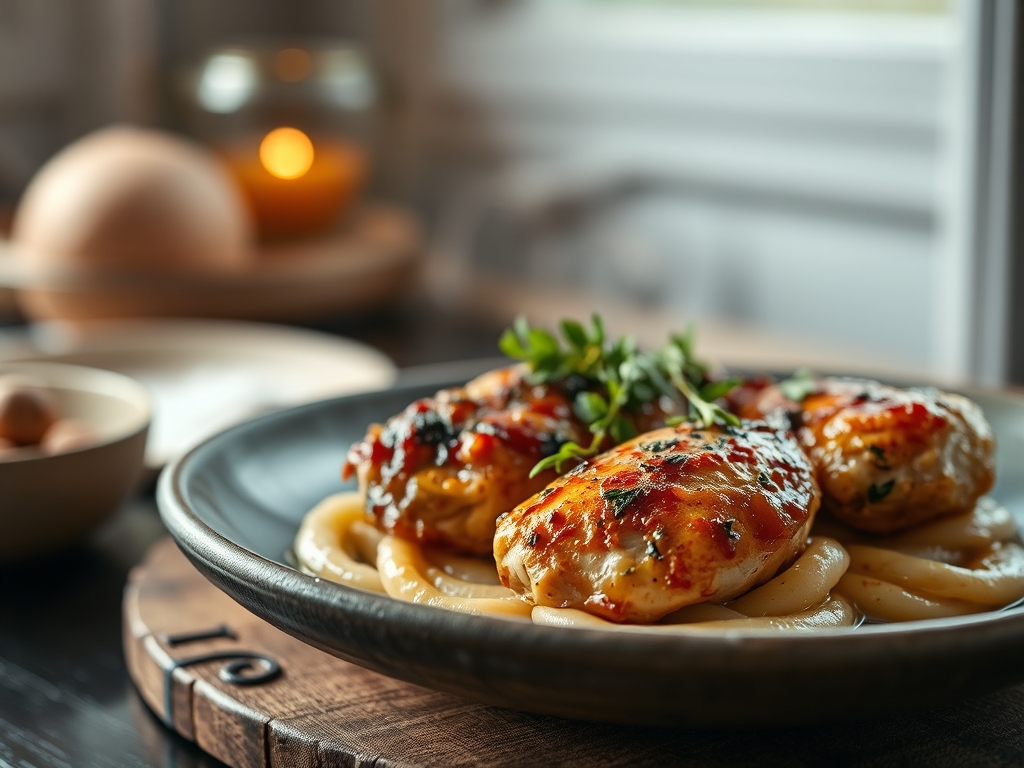
The frost is currently etching intricate patterns onto your windowpane; meanwhile, your kitchen is about to become the warmest room in the house. There is a specific, primal joy in mastering winter chicken recipes that go beyond mere sustenance. We are talking about deep, amber sauces and meat that yields to the slightest pressure of a fork. It is time to trade your light summer salads for heavy-bottomed skillets and the aromatic alchemy of slow-simmered poultry.
When the temperature drops, our bodies crave more than just calories; we seek the psychological comfort of umami and the physical warmth of a perfectly executed braise. These six recipes are designed to be your seasonal arsenal. We will explore the mechanics of the Maillard reaction to ensure your skins are shatter-crisp and your gravies are glossy. Whether you are hosting a cozy dinner party or meal-prepping for a hectic week, these dishes prioritize technical precision without sacrificing that "hug in a bowl" feeling. Grab your favorite apron; we are about to turn your kitchen into a high-end bistro.
The Gathers:
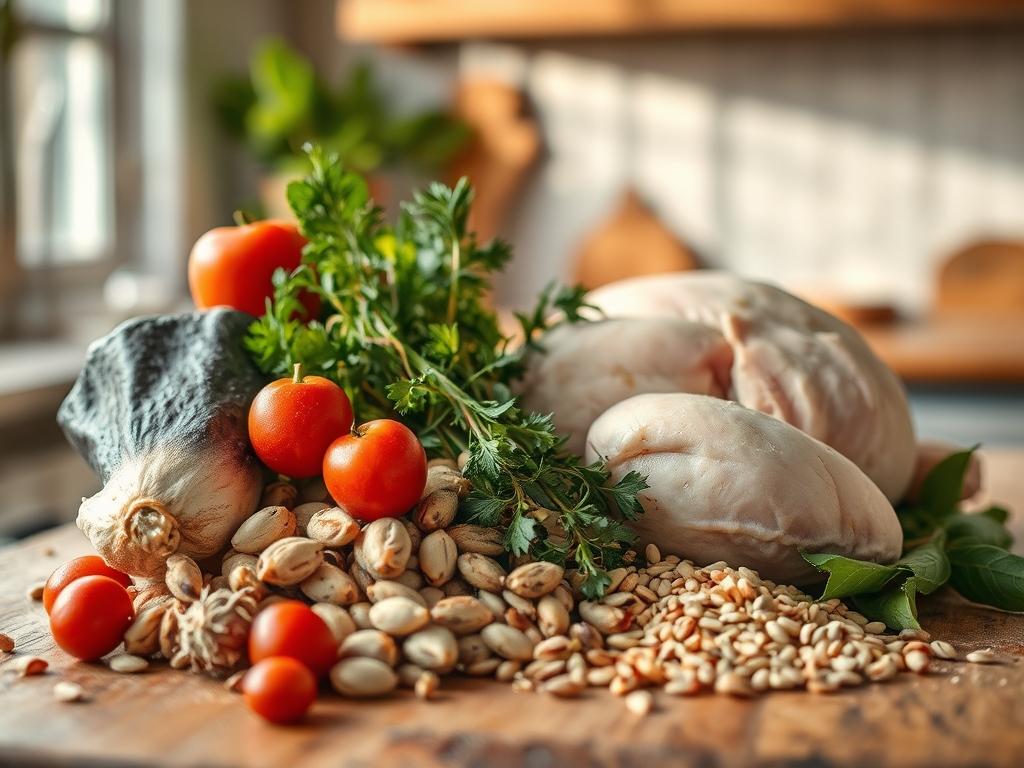
To achieve professional results, your mise-en-place must be impeccable. We start with high-quality poultry; look for air-dried birds which have less water retention, ensuring a better sear. You will need a variety of aromatics: leeks, shallots, and garlic bulbs. For the fats, keep unsalted European-style butter and high-smoke-point avocado oil nearby. Our flavor builders include dry white wines for deglazing, heavy cream for viscosity, and fresh woody herbs like rosemary and thyme.
Smart Substitutions: If you cannot find leeks, use the white parts of green onions for a similar mild profile. For a dairy-free alternative that maintains a luxurious mouthfeel, reach for full-fat coconut milk or a cashew-based cream. If you are out of white wine, a splash of verjus or a high-quality chicken bone broth with a teaspoon of apple cider vinegar provides the necessary acidity to cut through the richness of the fats. Always use a digital scale for your dry ingredients to ensure consistency in your roux.
The Clock: Chef's Flow
Efficiency in the kitchen is about managing your "active" versus "passive" time. These winter chicken recipes typically require 20 to 30 minutes of intense prep; this includes dicing your mirepoix with a sharp chef's knife and patting the chicken dry to remove surface moisture. Once the bird hits the heavy-bottomed skillet, you enter the passive phase.
Most of these dishes simmer for 45 to 60 minutes. Use this window to clean your station with a bench scraper and prepare your sides. A "Chef's Flow" means your starch (like a buttery mash or crusty baguette) finishes exactly when the chicken has reached its internal temperature of 165 degrees Fahrenheit. Remember to factor in a 10-minute rest period; this allows the muscle fibers to relax and reabsorb the juices, preventing a dry result.
The Masterclass:
1. The Sear and Render
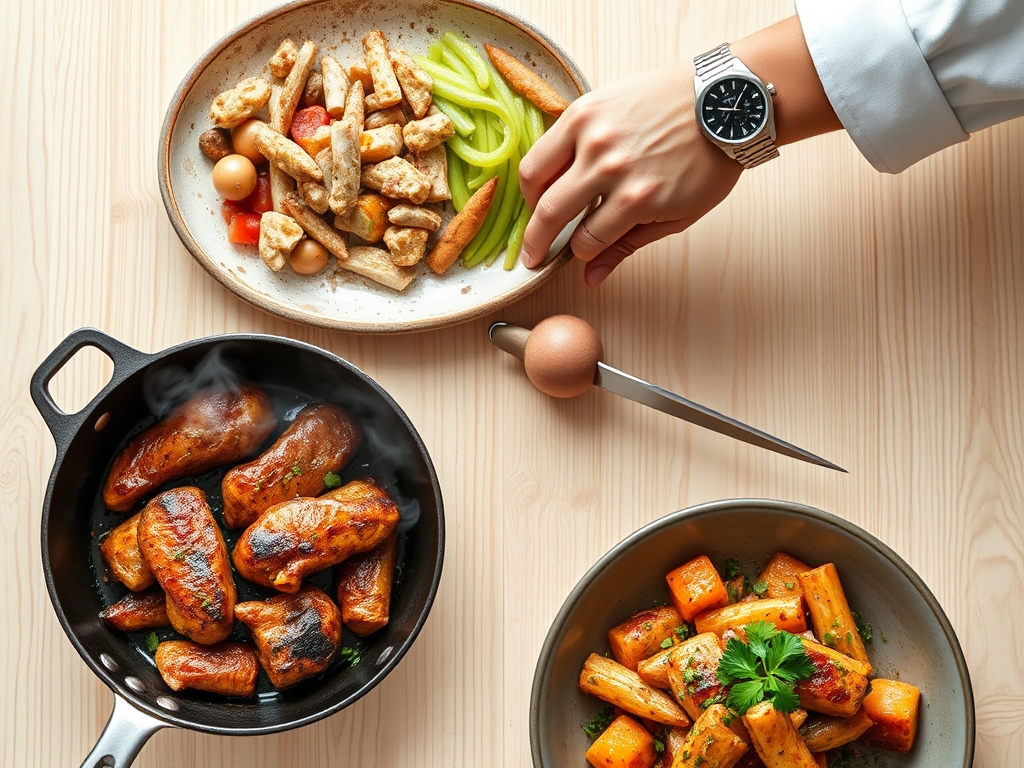
Begin by placing your seasoned chicken skin-side down in a cold pan, then increasing the heat. This allows the fat to render slowly, resulting in a thin, glass-like crust rather than a rubbery layer. Use tongs to check for a deep mahogany color before flipping.
Pro Tip: This is the Maillard reaction in action. By starting with a cold pan, you prevent the proteins from seizing instantly, which allows for more even heat distribution and a more complex flavor profile through enzymatic browning.
2. Deglazing the Fond
After removing the chicken, you will see brown bits stuck to the bottom of the pan. This is called the fond. Pour in your acidic liquid (wine or lemon juice) and use a wooden spoon to scrape these bits into the liquid.
Pro Tip: Deglazing is a chemical process where the acidity dissolves the caramelized proteins. This creates the base of your sauce, concentrating the savory notes that define high-quality winter cooking.
3. Building the Aromatics
Add your diced carrots, celery, and onions to the remaining fat. Sauté until the onions are translucent but not browned. Add garlic last to prevent burning, which can introduce a bitter taste to your entire dish.
Pro Tip: Sweating vegetables breaks down their cellulose walls, releasing natural sugars. This provides a structural sweetness that balances the salt and fat of the chicken.
4. The Low and Slow Braise
Return the chicken to the pan, ensuring the skin remains above the liquid line to stay crisp. Lower the heat to a gentle simmer. Cover with a tight-fitting lid to trap steam and maintain a constant thermal environment.
Pro Tip: Braising uses moist heat to break down connective tissue (collagen) into gelatin. This transformation creates that "melt-in-your-mouth" texture and gives the sauce a silky, viscous body.
5. Emulsifying the Sauce
Once the chicken is cooked, remove it and whisk in cold butter or a splash of heavy cream. Use a saucier if you have one, as the rounded bottom facilitates better whisking and prevents scorching in the corners.
Pro Tip: This is the process of emulsification, where you are forcing fat and water-based liquids to bond. The cold temperature of the butter prevents the sauce from "breaking" or separating into an oily mess.
6. The Final Infusion
Finish the dish with a flurry of fresh herbs and a zest of lemon using a microplane. This adds a "high note" of brightness to an otherwise heavy, savory dish, waking up the palate.
Pro Tip: Volatile oils in fresh herbs are heat-sensitive. Adding them at the very end ensures their aromatic compounds remain intact rather than evaporating during the long cooking process.
The Deep Dive:
From a macro nutrition perspective, chicken thighs are the MVP of winter. They contain more iron and zinc than breasts, supporting your immune system during flu season. A standard serving provides approximately 30 grams of protein and 15 grams of healthy fats. For those on specific diets: Keto followers should swap flour-based thickeners for a pinch of xanthan gum; Gluten-Free cooks can use cornstarch or arrowroot; Vegans can replicate the texture using oyster mushrooms or soy curls.
The Fix-It: If your sauce is too thin, create a "beurre manié" (equal parts flour and butter mashed together) and whisk it in. If the dish is too salty, add a peeled potato to the pot for ten minutes to absorb excess sodium. If the chicken is tough, it likely didn't simmer long enough; collagen needs time and steady heat to convert to gelatin.
Meal Prep: To maintain "day-one" quality, reheat your chicken in a 300-degree oven with a splash of broth. Avoid the microwave, which can cause the proteins to tighten and become rubbery. If you must use a microwave, cover the dish with a damp paper towel to create a mini-steamer effect.
The Wrap-Up:
Mastering these winter chicken recipes is about more than just following a list of steps; it is about understanding the physics of the kitchen. When you learn to control the heat and respect the ingredients, you transform a simple weeknight meal into a culinary event. These dishes are designed to linger over, providing the physical and emotional warmth we all need during the darker months. So, dim the lights, pour a glass of something bold, and enjoy the fruits of your scientific labor. Your kitchen has never smelled this good.
The Kitchen Table:
How do I get the skin crispy in a braise?
Keep the liquid level low so it only reaches halfway up the chicken. Ensure the skin stays exposed to the dry air of the oven or pot top. This allows the meat to soften while the skin undergoes the Maillard reaction.
Can I use chicken breasts instead of thighs?
You can, but breasts dry out quickly. Reduce the cooking time significantly and use a digital thermometer to pull them at exactly 160 degrees. The internal temperature will rise to 165 degrees during the resting phase via thermal carryover.
What is the best way to thicken a winter sauce?
A traditional roux (butter and flour) provides the most stable emulsion. For a glossier finish, use a cornstarch slurry. For a richer, low-carb option, reduce the cooking liquid by half and whisk in heavy cream or cold butter.
How long can I store these leftovers?
These recipes stay fresh in an airtight container for up to four days. The flavors often improve on day two as the aromatics continue to infuse the sauce. Always reheat thoroughly to an internal temperature of 165 degrees.