
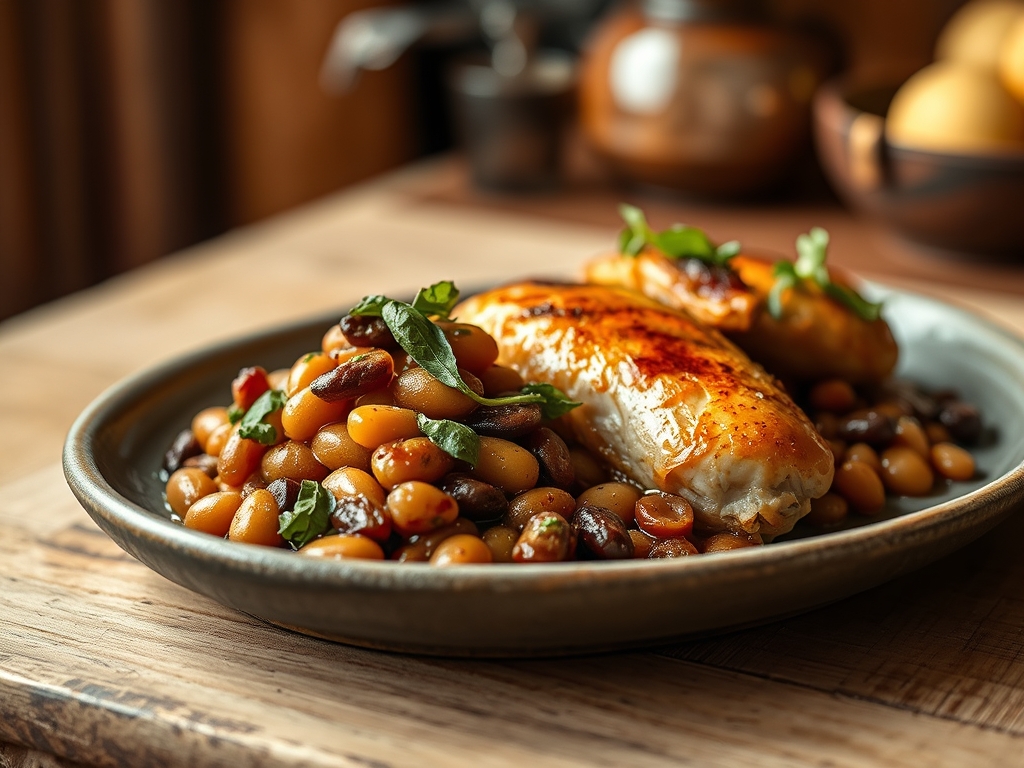
Picture the sound of a heavy-bottomed skillet meeting the flame; it is the opening chord of a kitchen symphony. When you combine the lean, versatile protein of poultry with the creamy, fiber-dense structure of legumes, you are not just making dinner. You are mastering the art of bean and chicken recipes. It is a pairing that balances texture and nutrition while acting as a canvas for global flavors.
This culinary marriage is a masterclass in contrast. You have the golden, Maillard-driven crust of a seared chicken thigh playing against the velvety, soft interior of a cannellini bean. Whether you are craving a piquant Mediterranean braise or a smoky, thick chili, these ingredients provide the essential building blocks for high-protein, high-satisfaction meals. We are moving beyond the basic "chicken and rice" trope into a territory where texture reigns supreme. By the time we are done, you will understand how the starch from the beans acts as a natural thickener, creating a luscious mouthfeel without the need for heavy creams or flours. Let us dive into the science of the sear and the soak.
The Gathers:
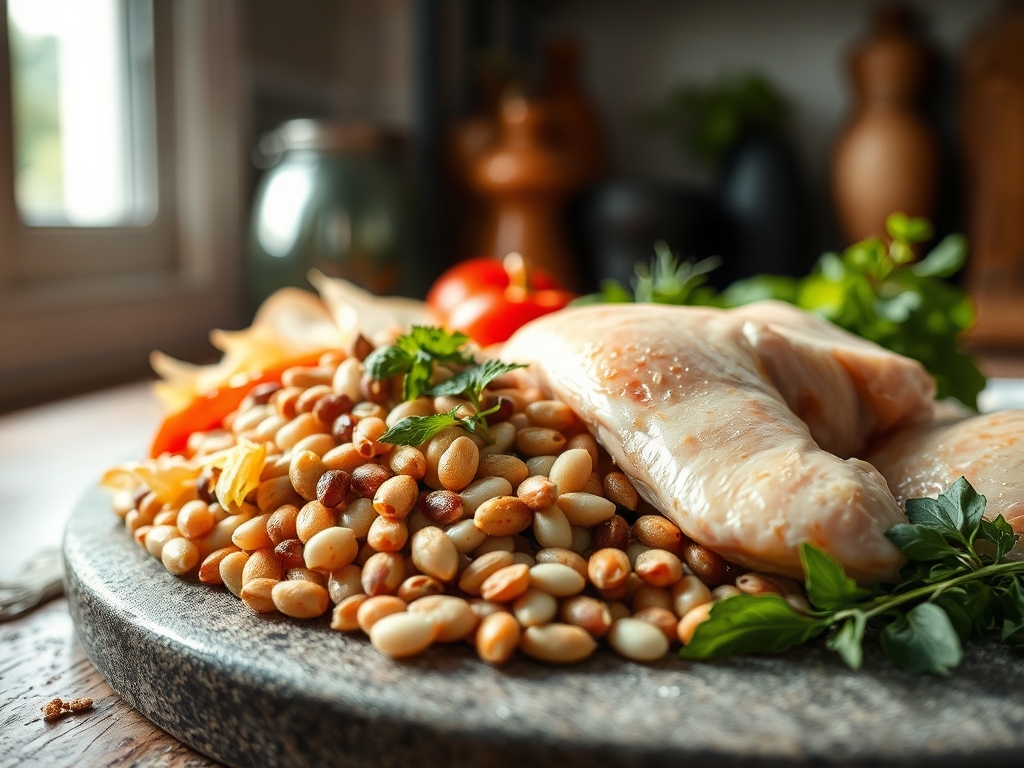
To execute these bean and chicken recipes with precision, your mise-en-place must be organized by moisture content and density. Start with your protein: organic chicken thighs or breasts, patted bone-dry with paper towels to ensure optimal surface tension for browning. On the legume front, gather a variety of textures. Use Great Northern beans for their creamy "melt," black beans for an earthy bite, or chickpeas for a nutty, firm structure.
Your aromatics are the backbone of flavor. Use a microplane to zest fresh lemons and grate garlic into a fine paste; this increases surface area for maximum volatile oil release. You will need a high-smoke-point fat, like avocado oil or rendered chicken fat (schmaltz), to facilitate the Maillard reaction. For the liquid base, a gelatin-rich bone broth is superior to water, as it provides a viscous, lip-smacking quality to the final sauce.
Smart Substitutions:
If you are out of traditional legumes, edamame provides a vibrant, high-protein alternative with a unique snap. For a lower-carb profile, lupini beans offer a similar texture to chickpeas with significantly fewer starches. If you lack fresh chicken, high-quality tinned chicken can be folded in at the very end to prevent overcooking, though you will sacrifice the depth of flavor found in freshly rendered skin.
The Clock: Chef's Flow
Efficiency in the kitchen is about heat management and overlapping tasks. For most bean and chicken recipes, expect a total "active" time of 20 minutes and a "passive" simmering time of 30 to 45 minutes.
The Chef's Flow starts with the protein. Sear your chicken first; this allows the meat to rest and redistribute its internal juices while you utilize the fond (the brown bits) left in the pan. While the chicken rests, your aromatics should be sweating in the rendered fat. The beans are added last in the sauté phase to allow them to absorb the infused oils before the liquid hit. This sequence ensures that nothing turns to mush and every layer of flavor is distinct yet harmonious.
The Masterclass:
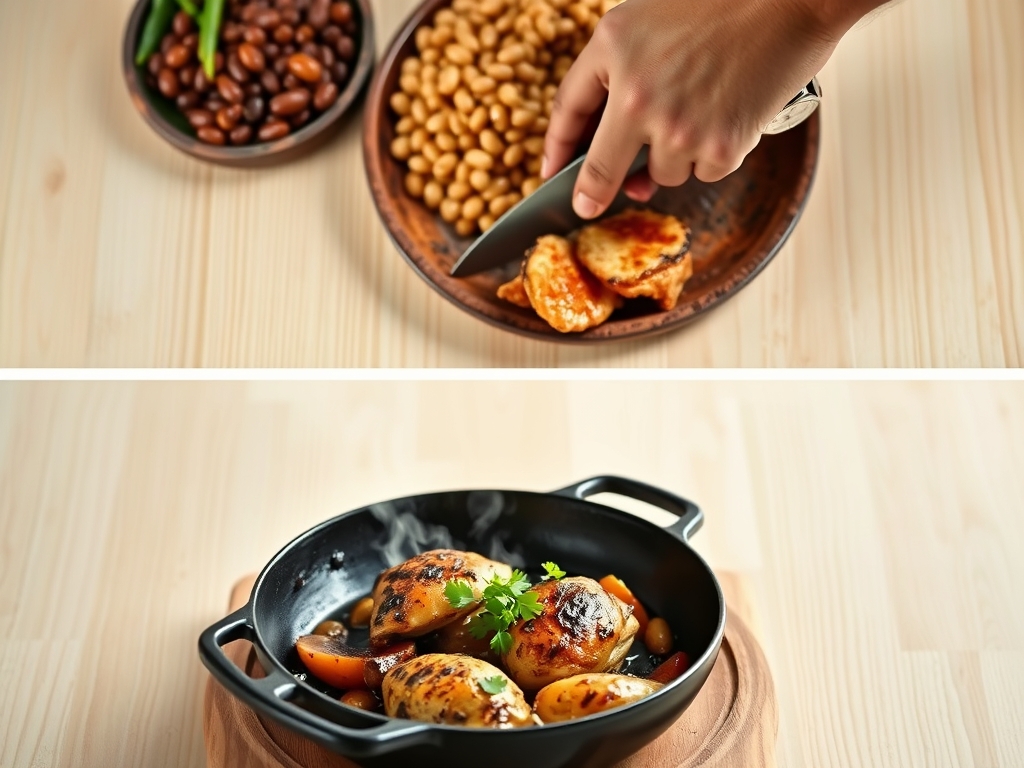
1. The High-Heat Sear
Place your chicken skin-side down in a preheated heavy-bottomed skillet. Do not crowd the pan; overcrowding drops the surface temperature and causes the meat to steam rather than sear. Use tongs to press the meat down for maximum contact.
Pro Tip: This stage relies on the Maillard Reaction, a chemical reaction between amino acids and reducing sugars that creates hundreds of different flavor compounds. Achieving a deep mahogany crust is the difference between a "boiled" taste and a professional-grade dish.
2. Deglazing the Fond
Once the chicken is removed, the bottom of your pan will be covered in caramelized proteins. Pour in a splash of dry white wine or acidic broth. Use a wooden spoon or a bench scraper to lift those bits into the liquid.
Pro Tip: This is called deglazing. The acidity in the liquid acts as a solvent, breaking down the concentrated flavor compounds and incorporating them into what will become your sauce, ensuring no flavor is wasted.
3. Infusing the Aromatics
Add your onions, carrots, and celery (the mirepoix) to the pan. Sauté until the onions are translucent and the edges begin to soften. Add your garlic and spices only in the last 60 seconds of this phase.
Pro Tip: Fat is a flavor carrier. By "blooming" your spices in the hot oil before adding liquid, you are releasing lipid-soluble volatile compounds that would otherwise remain trapped, significantly boosting the aromatic profile of the dish.
4. The Legume Integration
Toss in your rinsed beans. If using canned, ensure they are thoroughly drained to avoid adding excess metallic-tasting liquid. Stir them for two minutes to coat them in the infused fats.
Pro Tip: This brief sauté period helps to harden the outer pectin layer of the beans slightly. This prevents them from disintegrating during the simmering process, maintaining that desirable "al dente" bite.
5. The Low and Slow Simmer
Return the chicken to the pan and submerge it halfway in your broth. Lower the heat to a gentle simmer. Cover with a lid, but leave it slightly ajar to allow for minimal evaporation.
Pro Tip: Maintaining a temperature just below boiling (around 190 degrees Fahrenheit) prevents the chicken proteins from tightening and becoming rubbery. This is the secret to tender, pull-apart texture.
6. The Emulsion Finish
Once the chicken is cooked through, remove the lid. If the sauce is too thin, mash a small handful of beans against the side of the pot with your spoon and stir them back in.
Pro Tip: The released starches from the mashed beans act as a natural emulsifier. They bind the water and fats together, creating a glossy, thick sauce without the need for a flour-based roux.
The Deep Dive:
Macro Nutrition:
Bean and chicken recipes are a nutritional powerhouse. A single serving typically provides 35-45 grams of protein and 10-15 grams of dietary fiber. This combination stabilizes blood sugar and promotes long-term satiety. The beans also contribute essential minerals like magnesium and iron, which are vital for energy metabolism.
Dietary Swaps:
For a Keto version, swap the beans for roasted cauliflower florets or hemp hearts to maintain the texture while slashing carbs. For a Vegan pivot, replace the chicken with "soy curls" or extra-firm smoked tofu; use a mushroom-based broth to mimic the savory umami of poultry. All recipes are naturally Gluten-Free as long as your broth is certified.
The Fix-It:
- Too Salty? Do not add water; add a peeled potato to simmer for ten minutes to absorb excess sodium, or balance with a squeeze of fresh lemon juice.
- Mushy Beans? If you overcooked the legumes, use an immersion blender to turn the entire dish into a "creamy" stew. It becomes a deliberate texture choice rather than a mistake.
- Dry Chicken? This usually means the internal temperature exceeded 165 degrees. Next time, use a digital scale to ensure even portioning and a meat thermometer to pull the chicken at 160 degrees, allowing thermal carryover to finish the job.
Meal Prep Science:
When reheating, do not use the microwave on high power. The intense radiation vibrates water molecules too quickly, toughening the chicken. Instead, reheat on the stovetop with a tablespoon of water or broth. This creates a "steam-tent" effect that restores the original moisture levels of the protein.
The Wrap-Up:
Mastering bean and chicken recipes is like unlocking a kitchen superpower. You are taking humble, pantry-staple ingredients and elevating them through technical precision and scientific understanding. From the initial sear to the final starch-thickened sauce, every step is a deliberate move toward flavor density. Now, grab your favorite skillet and go create something spectacular; your kitchen is waiting!
The Kitchen Table:
Can I use dried beans instead of canned?
Yes, but you must soak them for 8 hours first. Dried beans require a longer simmer time (60-90 minutes) and more liquid, but they offer a superior, firmer texture and a more "beany" flavor than canned versions.
Why is my chicken skin rubbery in the stew?
If the skin is submerged in liquid, it will lose its crispness. To keep skin crispy, sear it thoroughly first, then ensure it sits above the liquid line during the simmering process, essentially steaming the meat while the skin stays dry.
How long do these recipes stay fresh?
Store in an airtight container for up to four days. The flavors actually improve on day two as the aromatics continue to infuse into the beans. For best results, freeze for up to three months in glass containers.
What is the best chicken cut for bean stews?
Bone-in, skin-on thighs are the gold standard. The bone adds collagen and depth to the sauce, while the higher fat content in the dark meat prevents it from drying out during the simmering process compared to lean breasts.