
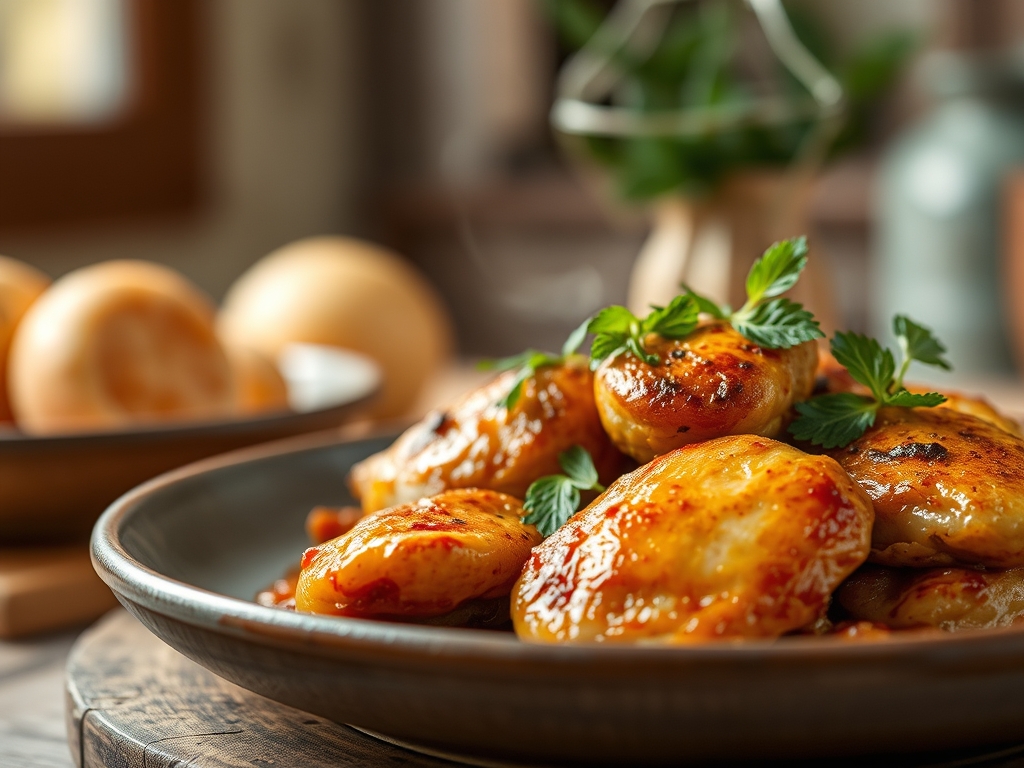
Picture the kitchen at sunset; the air is heavy with the scent of toasted coriander and the sharp, bright sting of scotch bonnet peppers. When you dive into the world of chicken recipes african style, you are not just making dinner; you are conducting a masterclass in heat management and spice layering. We are talking about deep, mahogany skins achieved through precise Maillard reactions and sauces so rich they cling to your spoon with a beautiful, viscous gravity. This is soulful, high-octane cooking that demands your best heavy-bottomed skillet and a curious palate. We are moving beyond the basic roast to explore textures that range from the crisp, charred edges of Nigerian Suya to the silky, peanut-infused depths of a Senegalese Mafe. Grab your apron; we are about to transform a humble bird into a continental feast that will make your kitchen the most popular spot in the neighborhood.
The Gathers:
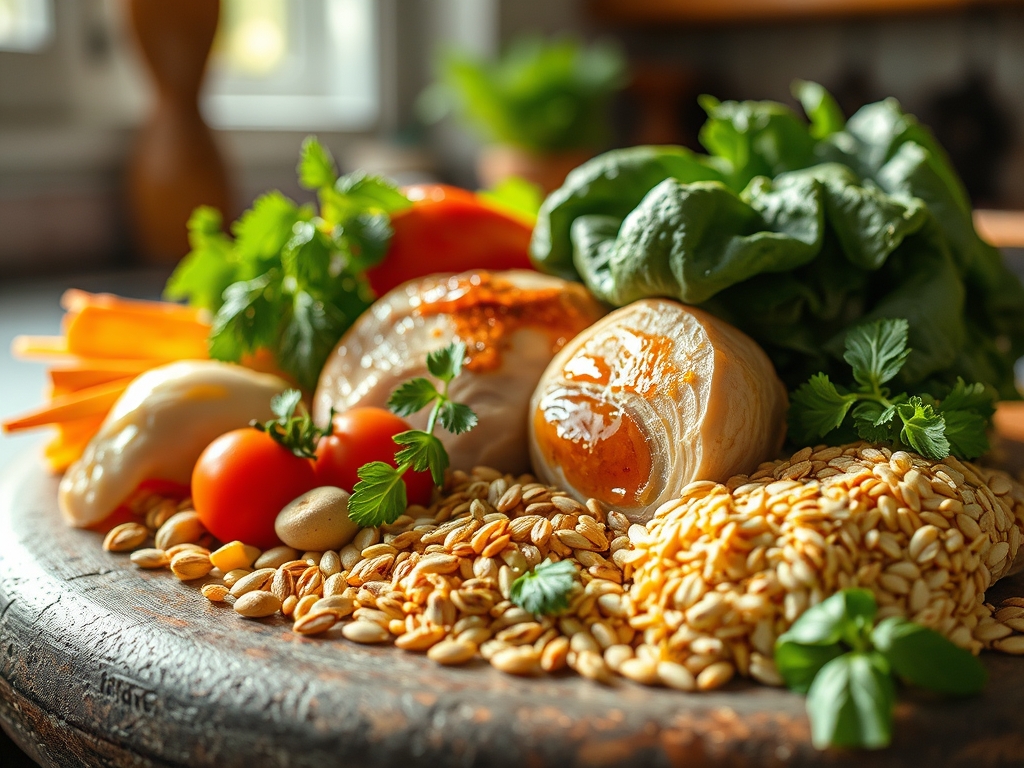
To master these chicken recipes african icons, your mise-en-place must be impeccable. You will need high-quality poultry, preferably air-chilled to ensure the skin remains dehydrated for maximum crispness. On your workstation, arrange your aromatics: ginger roots with tight, shiny skin; garlic bulbs that feel heavy for their size; and a variety of chilies. You will want a microplane for zesting and grating ginger into a fine paste, ensuring the fibers break down and release their essential oils.
For the dry components, gather toasted cumin, smoked paprika, and earthy turmeric. If you cannot find grains of paradise, a "Smart Substitution" is a blend of black peppercorns and a hint of ground cardamom to mimic that citrusy, floral heat. Keep a digital scale handy; precision in spice ratios prevents one flavor from dominating the delicate profile of the meat. You will also need a high-smoke-point oil, such as grapeseed or refined peanut oil, to facilitate the high-temperature searing required for authentic texture.
The Clock
Efficiency in the kitchen is all about the "Chef's Flow." For these seven recipes, expect a preparation window of 30 to 45 minutes. This includes the time needed to debone thighs or spatchcock a whole bird using sharp kitchen shears. The cooking times vary from a quick 15-minute high-heat sear for skewers to a 60-minute low-and-slow simmer for stews.
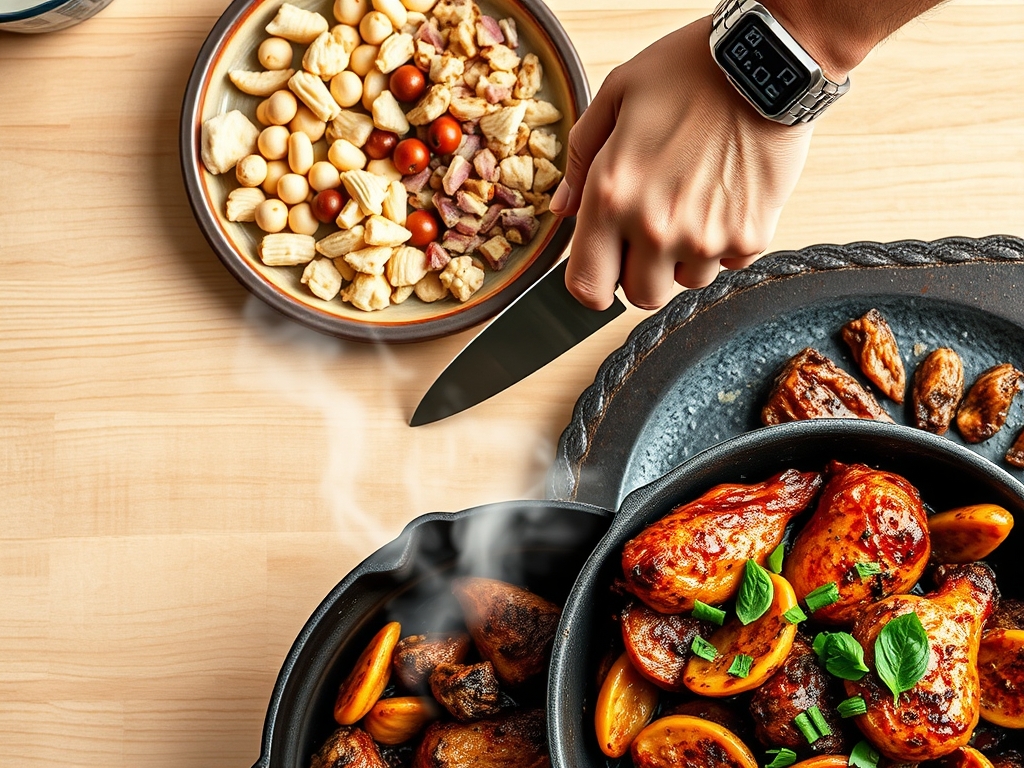
The "Chef's Flow" dictates that you marinate your protein first. This allows the salt to penetrate the muscle fibers via osmosis, restructuring the proteins to retain moisture during the thermal transition. While the chicken cures, use your bench scraper to organize your chopped aromatics. This staggered approach ensures that by the time your heavy-bottomed skillet is screaming hot, your ingredients are staged and ready for sequential entry.
The Masterclass
1. The Perfect Sear and Render
Place your chicken skin-side down in a cold pan and gradually increase the heat. This allows the subcutaneous fat to render slowly, resulting in a glass-like crunch rather than a rubbery finish.
Pro Tip: This technique utilizes conductive heat to melt the fat before the proteins on the surface tighten, preventing the skin from shrinking away from the meat.
2. Deglazing for Depth
After browning the meat, you will notice brown bits stuck to the bottom of the pan. This is "fond." Pour in a splash of stock or citrus juice and use a wooden spoon to scrape it up.
Pro Tip: Deglazing captures the concentrated flavors of the Maillard reaction, incorporating complex, toasted notes back into your sauce for a more robust profile.
3. Emulsifying the Sauce
When adding peanut butter or coconut milk to your stews, whisk vigorously with a saucier to combine the fats with the aqueous liquids.
Pro Tip: Creating a stable emulsification prevents the sauce from breaking or looking greasy; the proteins in the peanut butter act as a bridge between oil and water.
4. Tempering the Spices
Before adding liquids, toast your dry spices in the hot oil for 30 seconds until they become fragrant.
Pro Tip: This process, known as "blooming," uses heat to release fat-soluble volatile compounds that are otherwise trapped in the dried cell walls of the spices.
5. Managing Thermal Carryover
Remove your chicken from the heat when it hits 160 degrees Fahrenheit. Let it rest on a warm plate.
Pro Tip: Thermal carryover will continue to cook the meat for several minutes; resting allows the internal juices to redistribute, ensuring a succulent bite rather than a dry one.
6. Balancing the Piquant Profile
Finish your dish with a squeeze of fresh lime or a dash of vinegar right before serving.
Pro Tip: Acid acts as a chemical contrast to heavy fats; it brightens the overall flavor profile by stimulating the salivary glands and cutting through the richness.
7. Aerating for Texture
If your stew feels too heavy, give it a quick whisk or a gentle stir to introduce air.
Pro Tip: To aerate a sauce right before plating can lighten the mouthfeel, making the dish feel sophisticated rather than bogged down by starch.
The Deep Dive
From a macro perspective, these chicken recipes african favorites are protein powerhouses. A standard serving offers roughly 35 grams of protein and a healthy dose of monounsaturated fats from the nuts and seeds used in the sauces. For a "Keto Swap," replace starchy tubers with cauliflower or extra leafy greens. If you are aiming for a "Vegan Version," firm tofu or king oyster mushrooms work beautifully as they mimic the fibrous texture of chicken when seared.
"The Fix-It" section: If your sauce is too thin, do not just boil it away; whisk in a small slurry of cornstarch or let a piece of bread dissolve into the liquid to act as a thickener. If the dish is too spicy, add a dollop of yogurt or more nut butter to coat the tongue and neutralize the capsaicin. If the chicken is tough, it likely skipped the resting phase; next time, ensure a full ten-minute rest under foil. For meal prep, reheat your chicken in a covered dish with a tablespoon of water at 300 degrees; this creates a mini-steam oven that prevents the proteins from becoming "rubbery" in the microwave.
The Wrap-Up
You are now armed with the technical prowess to execute the boldest chicken recipes african cuisine has to offer. By focusing on the science of the sear and the chemistry of the spice, you have elevated a simple meal into a culinary event. Remember that great cooking is a balance of heat, fat, and acid. Use your tools with confidence, trust your senses, and do not be afraid to let those spices bloom until the kitchen smells like a dream. Now, go forth and turn that stovetop into a masterpiece of flavor.
The Kitchen Table
How do I get the chicken skin extra crispy?
Start the chicken in a cold, dry pan. This allows the fat to render out slowly before the skin burns. Always pat the skin bone-dry with paper towels before cooking to prevent steam from softening the exterior.
What is the best way to store leftovers?
Place chicken in an airtight glass container within two hours of cooking. Glass is non-porous and won't absorb the strong spice aromas. It stays fresh for three days; reheat gently to maintain the moisture levels in the meat.
Can I make these recipes in a slow cooker?
Yes, but sear the chicken in a skillet first. The slow cooker cannot reach the temperatures required for the Maillard reaction. Adding seared meat ensures your stew has a deep, savory foundation rather than a flat, boiled flavor profile.
What if I cannot find scotch bonnet peppers?
Habanero peppers are the closest biological relative and offer a similar heat level and fruity undertone. If you prefer less heat, use a Fresno chili or a red bell pepper mixed with a pinch of cayenne for a milder experience.