
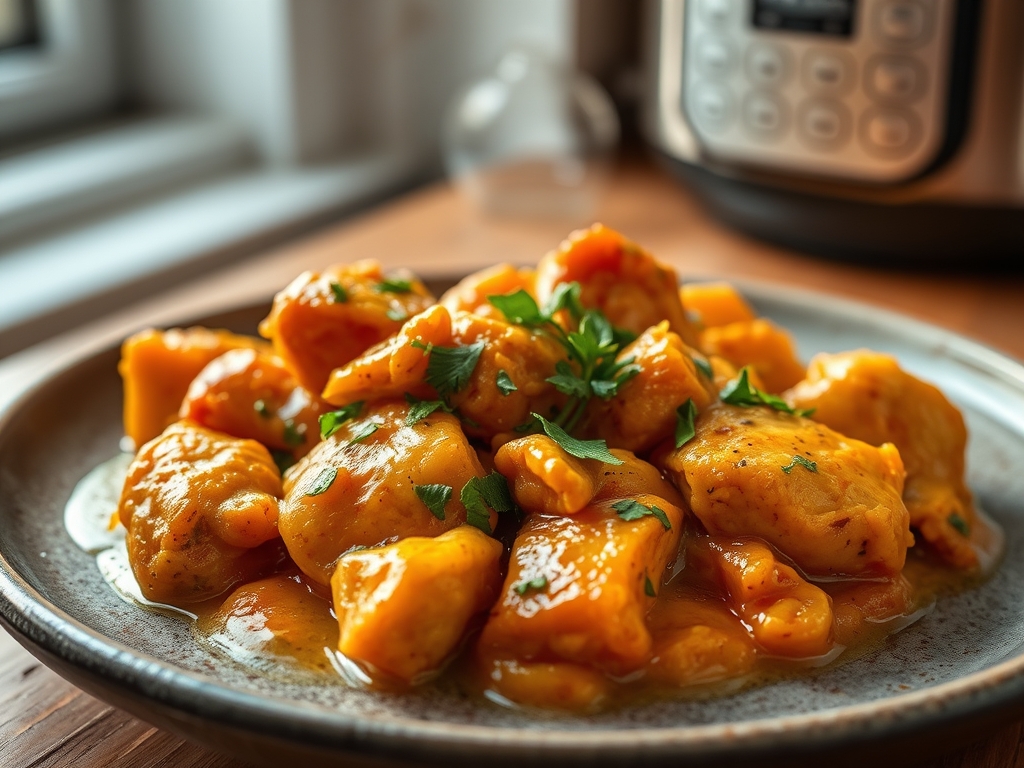
Imagine the scent of toasted garam masala and simmering ginger blooming in your kitchen; it is a fragrant, amber-hued hug that promises the ultimate comfort. When you are hunting for the best instant pot butter chicken recipes, you are not just looking for a meal; you are looking for that velvety, restaurant-grade silkiness that coats the back of a spoon. Most home versions fall flat because they lack the depth of a traditional tandoor, but the pressure cooker is our secret weapon for mimicking that long-simmered complexity in a fraction of the time. We are going to harness high-pressure steam to infuse every fiber of the poultry with spice while maintaining a lush, viscous texture that defies the speed of the cook.
The Gathers:
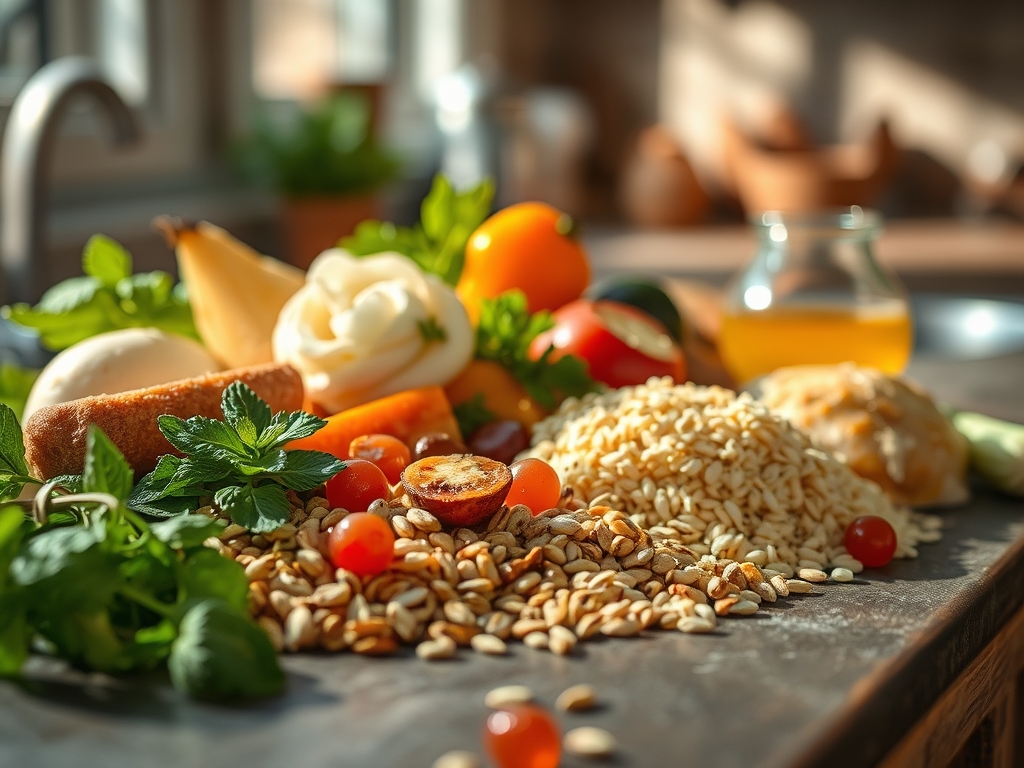
Before we touch the dial, we must assemble our mise-en-place with precision. Start with 2 pounds of boneless, skinless chicken thighs. Thighs are superior to breasts here because their higher fat content and connective tissue undergo collagen conversion under pressure, resulting in a succulent bite rather than a stringy one. You will need a digital scale to measure out 4 ounces of unsalted European-style butter; its lower water content ensures a richer mouthfeel.
For the piquant base, gather fresh ginger and garlic. Do not use the jarred stuff; use a microplane to create a fine paste that will melt into the sauce. Your spice rack should yield smoked paprika, turmeric, cumin, and a high-quality garam masala. The acidity comes from tomato puree (passata), which provides a smoother finish than crushed tomatoes. To finish, you need heavy cream or full-fat coconut milk to emulsify the sauce into a tawny gold.
Smart Substitutions: If you are avoiding dairy, swap the butter for ghee or refined coconut oil. For a punchier heat, replace the paprika with Kashmiri chili powder, which offers a vibrant red hue without overwhelming the palate. If you lack fresh ginger, a ginger-garlic paste from an Indian grocer is the only acceptable shortcut.
The Clock
Efficiency in the kitchen is about "Chef's Flow," the art of overlapping tasks so no second is wasted.
Prep Time: 15 minutes. This involves dicing the chicken into uniform 1.5-inch cubes and grating your aromatics. Uniformity is key; it ensures every piece reaches the same internal temperature simultaneously.
Cook Time: 10 minutes at high pressure, followed by a 10-minute natural release.
The Flow: While the chicken marinates in a bowl with the dry spices, use your bench scraper to clear your workstation. As the Instant Pot builds pressure, use that ten-minute window to prepare your basmati rice or warm your naan. By the time the pin drops, your sides are ready, and you are simply finishing the sauce.
The Masterclass
1. The Searing Phase
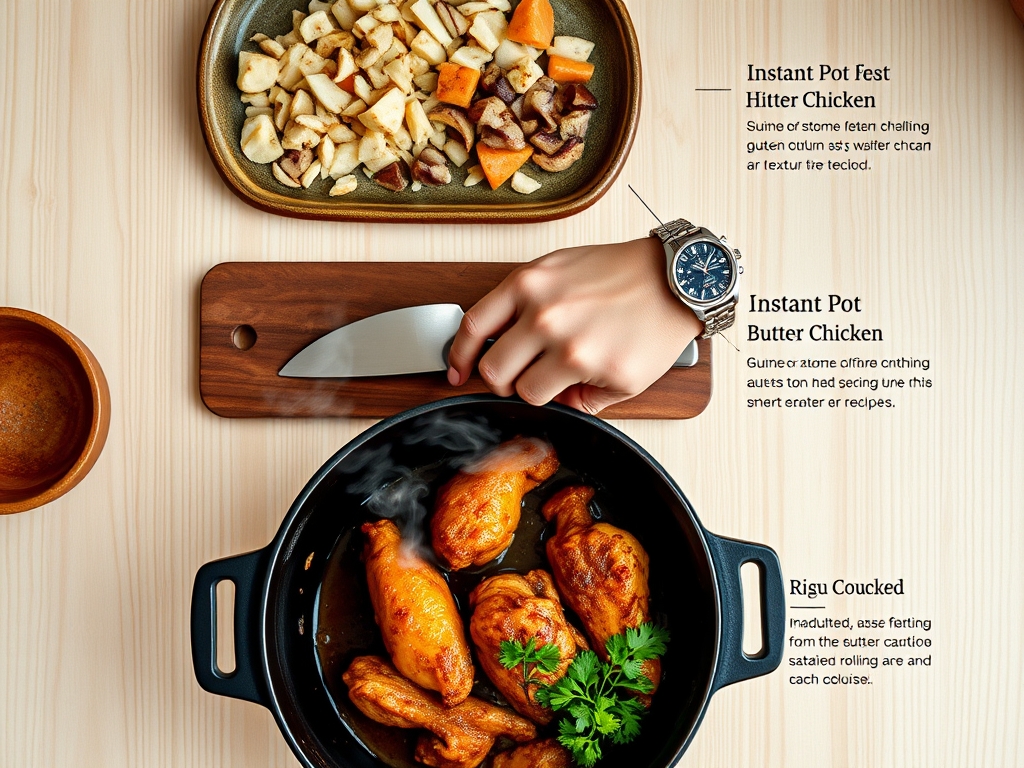
Set your Instant Pot to the "Sauté" function and wait for the "Hot" indicator. Add a splash of neutral oil and sear the chicken in batches using tongs. You are looking for the Maillard reaction, a chemical reaction between amino acids and reducing sugars that creates a savory crust.
Pro Tip: Do not crowd the liner. Overcrowding drops the temperature, causing the chicken to steam in its own juices rather than sear. This prevents the development of deep, roasted flavor compounds.
2. Deglazing the Fond
Once the chicken is removed, add your aromatics. The moisture from the onions and garlic will help you deglaze the bottom of the pot. Use a wooden spoon to scrape up every brown bit (the fond).
Pro Tip: If you leave burnt bits on the bottom, you risk the "Burn" notice. This deglazing step also incorporates concentrated flavors back into the liquid base.
3. The Pressure Infusion
Add the tomato passata and spices, then nestle the chicken back in. Lock the lid and set to high pressure for 8 minutes. This environment forces the spice-laden liquid into the protein fibers.
Pro Tip: High pressure raises the boiling point of water, accelerating the breakdown of tough tissues. This results in a "tender-to-the-tooth" texture that usually takes hours of braising.
4. The Natural Release
When the timer beeps, do not flip the vent immediately. Let it sit for 10 minutes. This is the thermal carryover period where the internal temperature stabilizes.
Pro Tip: A quick release causes a sudden drop in pressure, which can "boil" the moisture right out of the meat cells, leaving the chicken dry despite being submerged in sauce.
5. The Emulsification
Stir in the heavy cream and cold cubes of butter. Use a saucier whisk if necessary to blend the fats into the tomato base until the sauce is glossy and opaque.
Pro Tip: Adding cold butter at the end (a technique called monter au beurre) creates a stable emulsion, giving the sauce a professional, velvety sheen that won't separate.
The Deep Dive
Macro Nutrition: A standard serving provides approximately 35g of protein, 22g of fat, and 12g of carbohydrates. To lighten the load, swap the heavy cream for Greek yogurt, though you must stir it in off the heat to prevent curdling.
Dietary Swaps:
- Keto: Serve over cauliflower rice instead of basmati.
- Vegan: Use chickpeas or cauliflower florets and substitute the dairy with cashew cream.
- Gluten-Free: This recipe is naturally GF, but always verify your garam masala blend for hidden fillers.
The Fix-It:
- Too Thin: If the sauce is watery, remove the chicken and use the Sauté function to reduce the liquid. The evaporation will concentrate the sugars and thicken the texture.
- Too Acidic: If the tomatoes are too sharp, add a pinch of sugar or a dash of honey to balance the pH.
- The Burn Notice: If this happens, transfer the contents to a heavy-bottomed skillet on the stove. Scrape the pot liner thoroughly before returning the food, or finish the cook on the stovetop.
Meal Prep: Butter chicken is actually better on day two. As it cools, the spices continue to infuse and the flavors "marry." When reheating, add a splash of water or broth. Use low heat to avoid breaking the fat emulsion; high heat will cause the butter to separate from the sauce.
The Wrap-Up
You have just mastered the technical art of the perfect curry. By focusing on the science of emulsification and the chemistry of the Maillard reaction, you have elevated a simple weeknight meal into a gourmet experience. Remember, the best instant pot butter chicken recipes are not just about the ingredients; they are about the technique and the tools you use to coax out every layer of flavor. Now, grab a piece of warm naan and dive into that glossy, golden perfection!
The Kitchen Table
Why is my butter chicken sauce grainy?
Graininess usually occurs if spices are not toasted or if garlic/ginger is not finely minced. Use a microplane for aromatics and ensure your spices are fresh. Also, ensure the cream is fully whisked to maintain a smooth emulsion.
Can I use chicken breast instead of thighs?
Yes, but reduce the pressure cook time to 5 minutes. Breasts lack the fat and collagen of thighs, making them prone to drying out. Use a digital thermometer to ensure they reach exactly 165 degrees Fahrenheit.
How do I make the sauce extra orange?
The signature orange glow comes from the combination of bright red tomato passata, yellow turmeric, and white heavy cream. For a deeper hue, add an extra teaspoon of smoked paprika or a pinch of Kashmiri chili powder.
Why did my cream curdle in the pot?
Dairy curdles when boiled or exposed to high acidity too quickly. Always add your cream and butter after the pressure cooking cycle is complete, using the residual heat to melt them into the sauce gently.
Is it necessary to sear the chicken first?
While not strictly required for safety, searing is vital for flavor. It creates complex molecules through the Maillard reaction that raw simmering cannot replicate. It provides that "roasted" depth essential for an authentic-tasting butter chicken.