
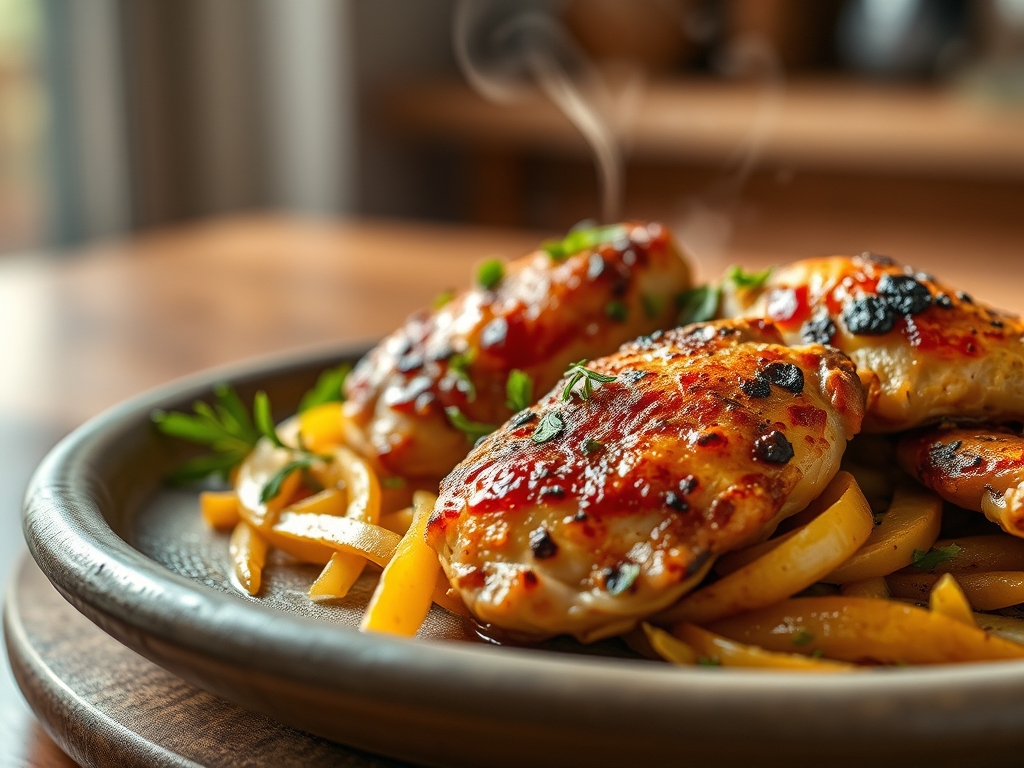
Picture a heavy-bottomed skillet resting on a blue flame; the air begins to vibrate with the scent of garlic hitting shimmering oil. We have all been there at 6:00 PM, staring into the refrigerator abyss, searching for a spark of inspiration that does not involve a takeout app. The secret to a high-performance kitchen is not a complex menu but a rotation of easy chicken recipes with vegetables that rely on the chemistry of heat and the architecture of flavor. We are talking about succulent thighs paired with crisp brassicas, or lean breasts nestled against piquant peppers. This is where your culinary intuition meets scientific precision. By understanding how proteins denature and how sugars in vegetables undergo the Maillard reaction, you transform a humble Tuesday night dinner into a restaurant-grade experience. We are going to master seven distinct combinations that utilize seasonal produce and smart pantry staples to ensure you never face a bland plate again. Grab your favorite apron and a glass of something crisp; it is time to turn up the heat and rediscover the joy of a perfectly balanced meal.
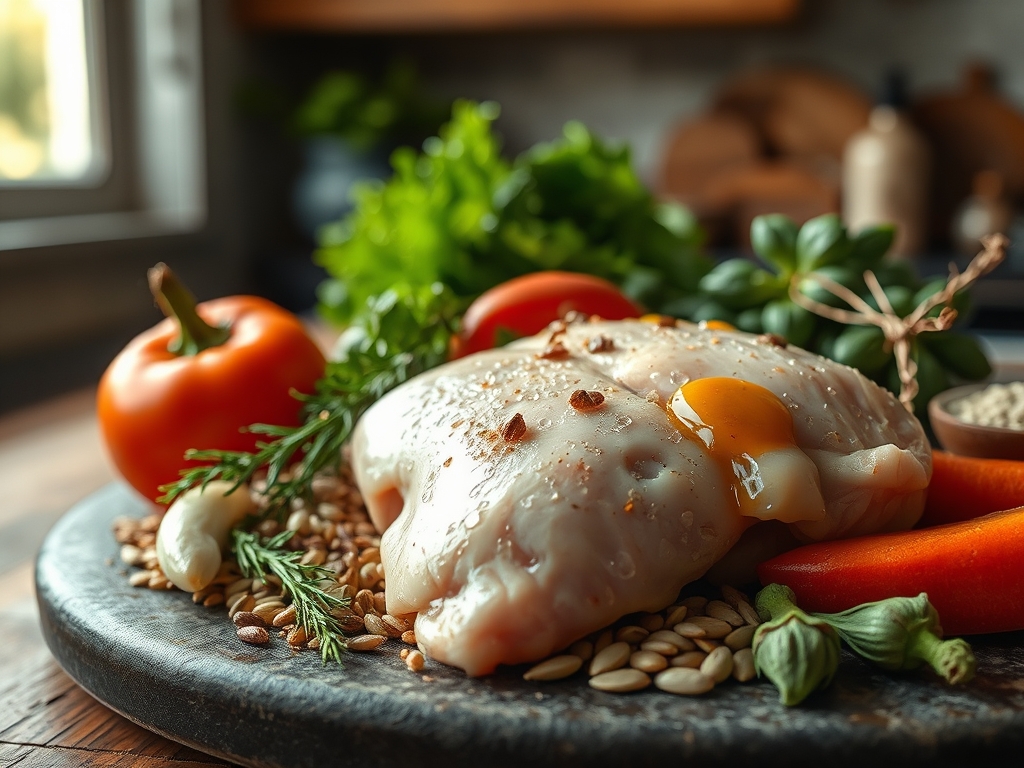
The Gathers:
Your mise-en-place is the foundation of efficiency. For these easy chicken recipes with vegetables, your workstation should look like a curated laboratory. Start with high-quality chicken; I prefer organic thighs for their higher fat content, which provides a viscous mouthfeel and prevents drying. Your vegetable palette should include fibrous greens like kale, moisture-heavy zucchini, and aromatics like shallots.
The Essential Tool Kit:
- Heavy-bottomed skillet: Essential for even heat distribution.
- Digital scale: For precise portioning of proteins.
- Microplane: To infuse dishes with fresh zest or ginger.
- Bench scraper: To move your chopped bounty without dulling your knife.
Smart Substitutions:
If you lack fresh aromatics, use a high-quality fermented garlic paste to add depth. Swap out bell peppers for poblano peppers if you want a smoky, piquant edge. For a lower glycemic index, replace standard potatoes with celery root or parsnips. These swaps do not just change the flavor; they alter the molecular structure of the sauce, often thickening it naturally through released starches.
The Clock
Efficiency in the kitchen is governed by what I call the Chef's Flow. This is the art of overlapping tasks so that no second is wasted.
- Prep Time: 15 minutes. This includes washing, chopping, and tempering your meat.
- Cook Time: 20 to 30 minutes, depending on the density of the vegetables.
- Total Time: 45 minutes maximum.
The flow begins by tempering your chicken; let it sit at room temperature for 15 minutes to ensure even cooking. While the meat loses its chill, use your bench scraper to organize your vegetables by density. Harder vegetables like carrots go in the pan first to render their sugars, while delicate greens are reserved for the final two minutes to prevent cellular collapse.
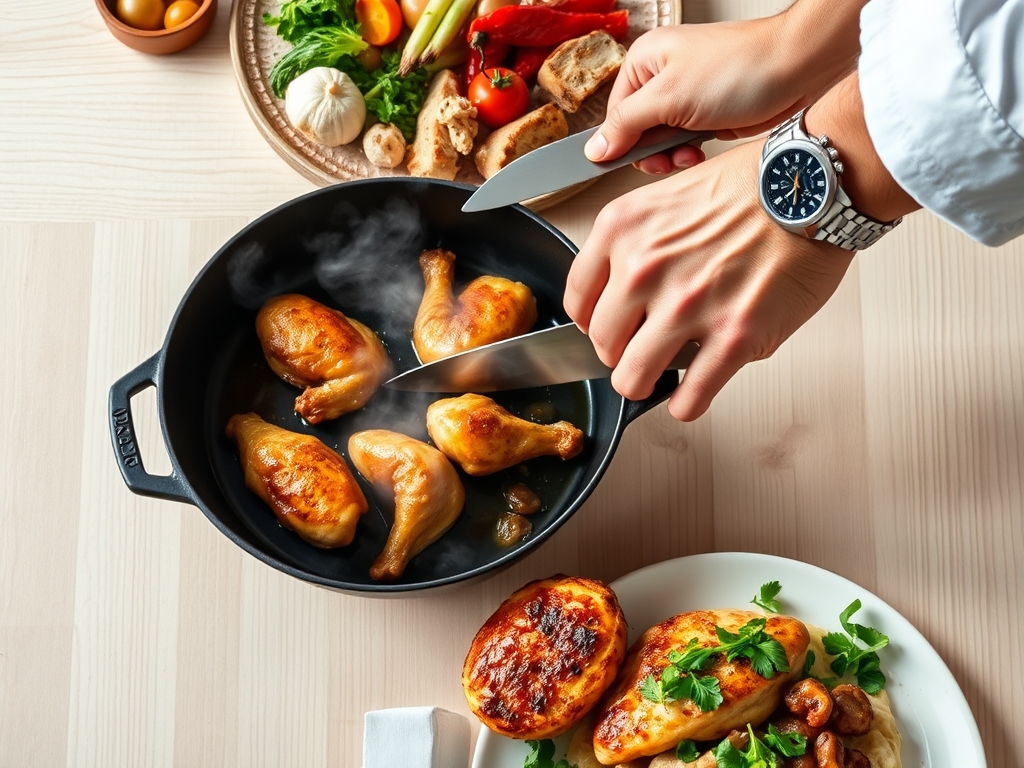
The Masterclass
1. The Sear and Sizzle
Place your chicken skin-side down in a preheated skillet. Do not move it. You are waiting for the Maillard reaction to create a golden-brown crust.
Pro Tip: This chemical reaction occurs between amino acids and reducing sugars. Moving the meat too early prevents the crust from forming and causes the protein to stick to the pan.
2. Deglaze and Release
Once the chicken is flipped, the bottom of your pan will be covered in fond, those delicious brown bits. Pour in a splash of dry white wine or chicken stock.
Pro Tip: Deglazing uses liquid to dissolve the caramelized proteins. This creates a built-in sauce base that is rich in umami without needing heavy creams.
3. The Vegetable Layering
Add your "hard" vegetables like broccoli florets or sliced carrots. Toss them in the rendered chicken fat to coat every surface.
Pro Tip: Fat is a flavor carrier. Coating vegetables in the hot lipid layer ensures that fat-soluble vitamins and flavors are distributed evenly across your palate.
4. Aerate and Steam
Cover the pan for three minutes. This creates a micro-environment of steam that cooks the interior of the vegetables while the chicken reaches its target temperature.
Pro Tip: Use a saucier if you have one; the rounded sides encourage steam circulation, which prevents the bottom of the vegetables from becoming mushy while the tops remain raw.
5. The Finishing Acid
Just before serving, use your microplane to grate fresh lemon zest over the dish and add a squeeze of juice.
Pro Tip: Acid cuts through the richness of the fats and "brightens" the dish. It resets your taste buds, making every bite feel as vibrant as the first.
6. The Rest Period
Transfer the chicken to a cutting board and let it rest for five minutes before slicing.
Pro Tip: This allows for thermal carryover. The internal temperature will rise by about five degrees, and the muscle fibers will relax, reabsorbing the juices instead of spilling them onto the board.
7. Emulsify the Pan Sauce
While the meat rests, whisk a cold knob of butter into the remaining pan liquids until the sauce becomes glossy and thick.
Pro Tip: This is emulsification. The cold fat bonds with the water-based stock to create a stable, velvety sauce that clings to your vegetables perfectly.
The Deep Dive
Macro Nutrition:
These easy chicken recipes with vegetables are designed for a balanced profile. On average, one serving provides 35g of protein, 12g of healthy fats, and 15g of complex carbohydrates. This ratio ensures sustained energy without the post-meal insulin spike.
Dietary Swaps:
- Vegan: Replace chicken with extra-firm tofu or tempeh. Use miso paste instead of chicken stock for that umami depth.
- Keto: Eliminate root vegetables and focus on cruciferous greens and zucchini. Increase the butter or avocado oil for higher fat content.
- GF: Ensure your chicken stock is certified gluten-free. Use cornstarch or arrowroot powder if you need extra thickening power for the sauce.
The Fix-It:
- Rubbery Chicken: This happens when the pan is crowded. Use a larger skillet to allow moisture to escape as steam rather than boiling the meat.
- Bland Vegetables: You likely added them too late. Sauté aromatics first to build a flavor base before adding the main produce.
- Thin Sauce: If your sauce is watery, let it reduce on high heat for two minutes before whisking in your fat or thickener.
Meal Prep Science:
To maintain "day-one" quality, store chicken and vegetables in airtight glass containers. When reheating, add a teaspoon of water to the container before microwaving. This creates a localized steam effect that rehydrates the protein fibers, preventing that dreaded "leftover" texture.
The Wrap-Up
Mastering easy chicken recipes with vegetables is less about following a rigid script and more about understanding the harmony of your ingredients. When you treat your kitchen like a studio, using tools like a microplane and tongs with intention, the results are consistently spectacular. You now have the technical knowledge to sear, deglaze, and emulsify your way to a better dinner. Remember, the best meals are those that nourish both the body and the spirit. So, go forth, experiment with your vegetable pairings, and enjoy the delicious chemistry you have created.
The Kitchen Table
How do I prevent chicken from drying out?
Always use a digital meat thermometer to pull chicken at 160 degrees Fahrenheit. The thermal carryover will bring it to the safe 165 mark while resting, ensuring the juices remain trapped within the muscle fibers for maximum succulence.
Can I use frozen vegetables for these recipes?
Yes, but do not thaw them first. Add frozen vegetables directly to a screaming hot skillet. This flash-cooks them, bypassing the "soggy" stage by evaporating surface ice instantly, which helps maintain a snap in the cellular structure.
What is the best oil for searing chicken?
Choose an oil with a high smoke point like avocado or grapeseed oil. These fats can withstand the high temperatures required for the Maillard reaction without breaking down into bitter, acrid compounds that ruin the flavor profile.
How do I get a better sear on the skin?
Pat the chicken extremely dry with paper towels before seasoning. Moisture is the enemy of a crisp crust; any surface water will turn to steam, effectively poaching the skin instead of allowing it to crisp and render.