
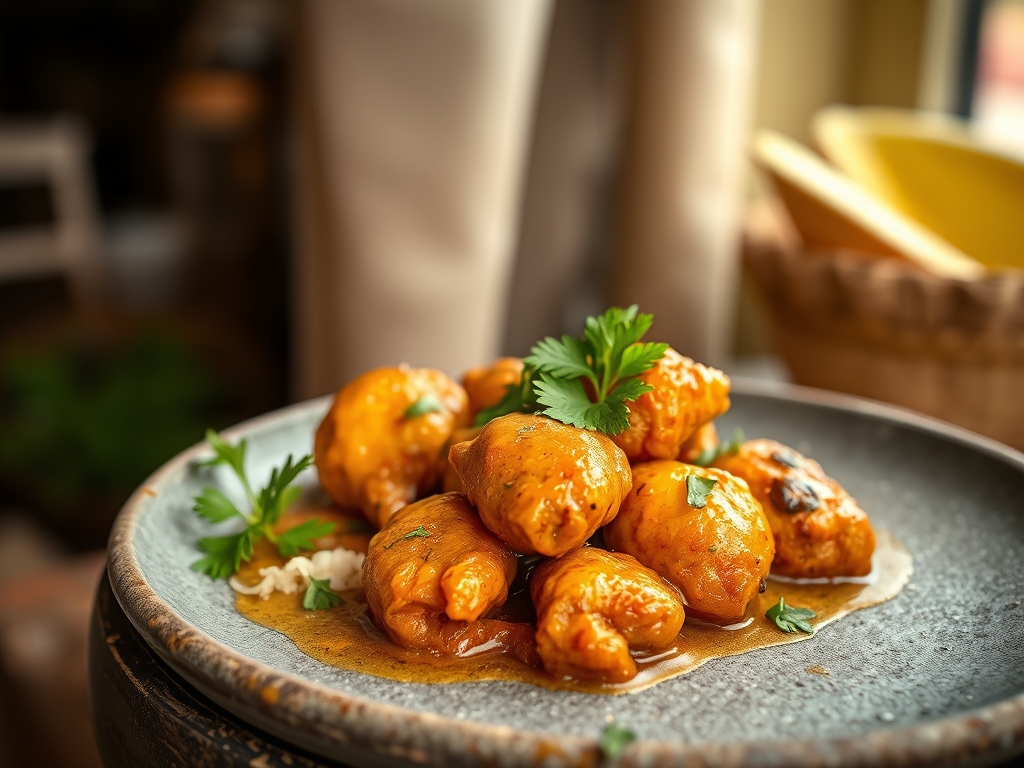
Picture the scent of cumin hitting hot oil; it is a sharp, earthy crackle that wakes up every nerve in your kitchen. We are diving into the world of masala chicken recipes indian style, where the magic lies in the transition from raw spice to a deep, mahogany sauce. This is not just cooking; it is a lesson in chemical transformation. When you sear chicken thighs in a heavy-bottomed skillet, you are triggering the Maillard reaction, rearranging amino acids to create that savory crust we all crave. We are going to move past basic curries and explore eight bold variations that range from the piquant tang of a coastal vindaloo to the creamy, butter-washed velvet of a classic makhani. Grab your apron and your favorite wooden spoon; we are about to turn your kitchen into a high-heat laboratory of flavor.
The Gathers:
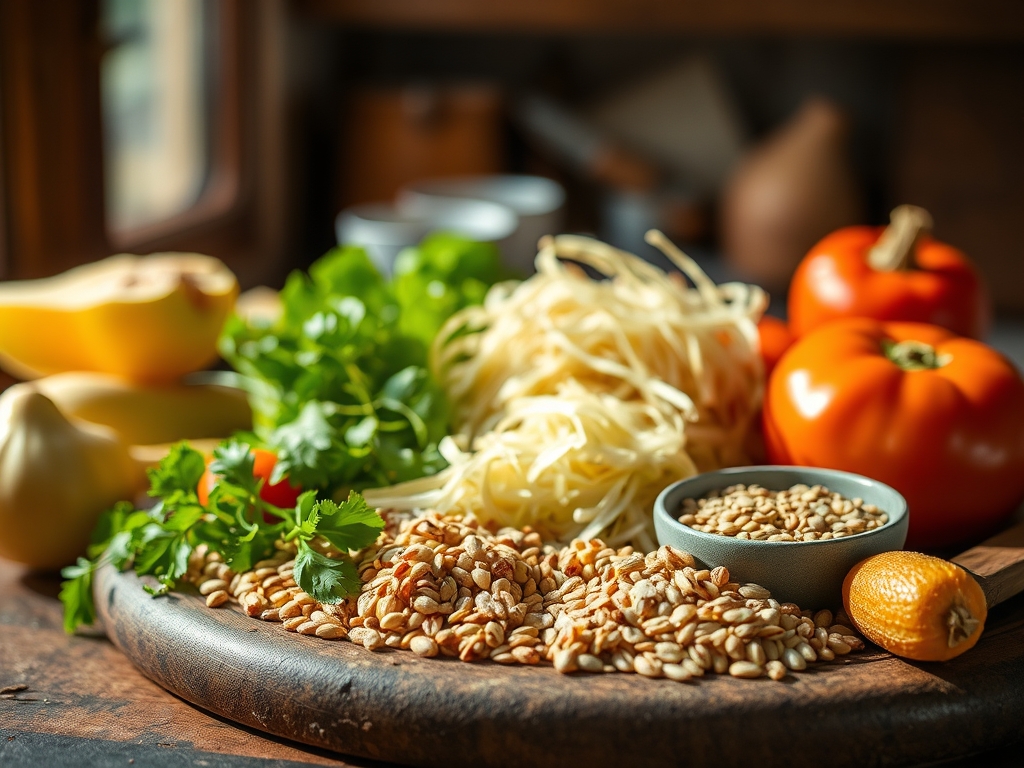
Before we ignite the burner, your mise-en-place must be precise. Start with high-quality poultry; bone-in thighs are superior because the marrow provides a viscous depth to the gravy as it simmers. You will need a digital scale to measure your spices by weight rather than volume, ensuring consistent potency. The aromatics are the foundation. Use a microplane to grate fresh ginger and garlic into a fine paste, which allows them to melt into the oil without leaving gritty fragments.
For the spices, focus on the "Big Four": turmeric for its earthy antiseptic qualities, Kashmiri chili powder for vibrant color without overwhelming heat, coriander for citrusy structure, and garam masala for the finishing aromatic lift. If you find yourself missing an ingredient, use these smart substitutions: swap Greek yogurt for heavy cream to add a probiotic tang; use cashew paste to thicken sauces if you are avoiding dairy; or reach for smoked paprika if you lack Kashmiri chili. Always keep a bench scraper handy to transfer your finely diced red onions, which should be chopped to a uniform size to ensure even caramelization.
The Clock
Efficiency in the kitchen is about the "Chef's Flow." You should expect a total time of 60 to 75 minutes. Preparation takes 20 minutes; this includes the crucial step of marinating the chicken to denature the proteins, making them more receptive to spice infusion. The active cooking time is approximately 40 minutes.
The flow begins with the "Bloom," where whole spices are tempered in fat for 2 minutes. This is followed by the "Soffritto Phase," where onions are reduced over medium heat for 15 minutes until they lose their cellular structure. The final "Simmer" takes 20 minutes, allowing the flavors to marry and the oil to separate from the gravy, a visual cue that the sauce is perfectly concentrated.
The Masterclass
1. The Tempering Technique
Start by heating ghee or a high-smoke-point oil in a saucier. Drop in cinnamon sticks, cardamom pods, and cloves. Watch for the pods to swell and the oil to shimmer. This process, known as tempering, extracts fat-soluble essential oils from the spices, distributing flavor throughout the entire dish.
Pro Tip: This is called "tadka." The heat breaks down the spice cell walls, releasing volatile compounds that are otherwise trapped in the dry form.
2. Onion Caramelization and Reduction
Add your diced onions and a pinch of salt. The salt draws out moisture through osmosis, speeding up the breakdown of the onion's cell walls. Sauté until they are a deep golden brown, almost a jam-like consistency.
Pro Tip: This is enzymatic browning. If the pan gets too dry, deglaze with a tablespoon of water to lift the fond (the brown bits) and prevent burning.
3. The Ginger-Garlic Infusion
Incorporate your ginger and garlic paste. Stir constantly for 90 seconds until the raw sulfurous smell dissipates, replaced by a sweet, nutty aroma.
Pro Tip: Garlic burns at a lower temperature than onions. Adding it later in the process prevents bitterness from over-roasting the delicate cloves.
4. Toasting the Dry Spices
Lower the heat and add your ground spices. You want to toast them briefly in the oil to "wake them up," but only for 30 seconds.
Pro Tip: Dry spices are hydrophobic. Toasting them in fat allows them to emulsify into the sauce later, creating a smoother mouthfeel.
5. Searing the Protein
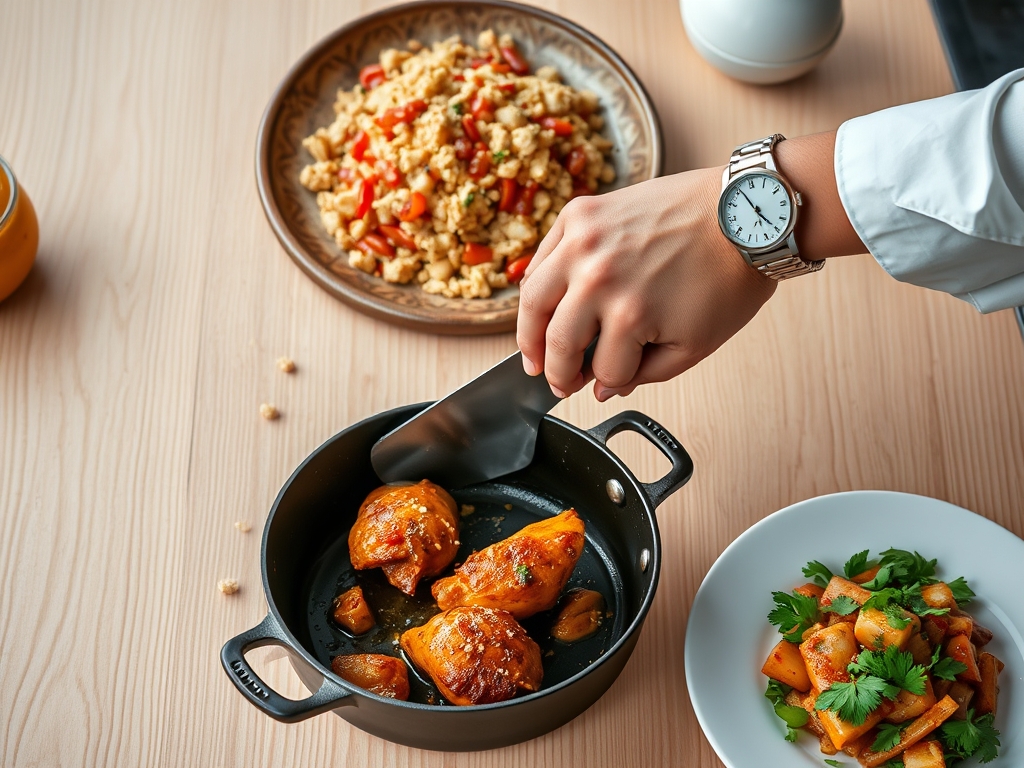
Increase the heat and add the chicken pieces. Use tongs to turn them, ensuring each side is coated in the spice base. We are looking for a light sear to lock in juices.
Pro Tip: This is "thermal carryover" prevention. By searing quickly at high heat, we start the exterior cooking without drying out the center before the liquid is added.
6. The Liquid Emulsion
Add pureed tomatoes or yogurt. Stir vigorously to combine the fat and water-based ingredients. This creates a stable emulsion that won't "split" or look curdled.
Pro Tip: If using yogurt, whisk it first and add it off the heat to prevent the proteins from tightening and curdling instantly.
7. The Low and Slow Simmer
Cover the pan and reduce the heat to a whisper. Let the chicken simmer in its own juices and the masala base. This is where the collagen in the chicken breaks down into gelatin, giving the sauce a rich, lip-smacking texture.
Pro Tip: Use a tight-fitting lid to create a micro-pressure environment, which speeds up the tenderization of the meat fibers.
8. The Aromatic Finish
Finish with a sprinkle of toasted fenugreek leaves (kasuri methi) and fresh cilantro. Use a digital thermometer to ensure the chicken has reached an internal temperature of 165 degrees Fahrenheit.
Pro Tip: Adding fresh herbs at the very end preserves their volatile oils, which are destroyed by prolonged heat exposure.
The Deep Dive
From a macro perspective, masala chicken is a powerhouse. A standard serving provides roughly 35 grams of protein and 12 grams of healthy fats, depending on your choice of cooking oil. To make this Keto-friendly, simply omit the onions or reduce them significantly and use heavy cream. For a Vegan swap, use cauliflower florets or chickpeas and substitute the chicken with extra-firm tofu, ensuring you press the tofu first to remove excess water.
Even the best chefs run into trouble. If your sauce is too acidic, the "Fix-It" is a pinch of sugar or a dollop of butter to neutralize the pH. If the gravy is too thin, don't just boil it down; whisk in a teaspoon of chickpea flour to act as a thickener. If the spice level is too high, add a spoonful of cashew paste or coconut milk to coat the palate and dampen the heat. For meal prep, remember that spices continue to hydrate overnight. When reheating, add a splash of water and use a low heat setting on the stove to prevent the oil from separating and making the dish greasy.
The Wrap-Up
You have just mastered the art of the masala. By understanding the science of tempering, the chemistry of caramelization, and the importance of emulsions, you have elevated your cooking from a simple recipe to a culinary craft. These masala chicken recipes indian style are meant to be shared, so pile that chicken high on a platter, serve it with some charred naan, and enjoy the fruits of your labor. You are now the master of your kitchen laboratory!
The Kitchen Table
How do I make my chicken more tender?
Marinate your chicken in yogurt for at least four hours. The lactic acid gently breaks down the lean muscle fibers; this results in a much softer texture after the cooking process is complete.
Why does my curry taste bitter?
Bitterness usually comes from burnt garlic or over-toasted spices. To fix this, add a small amount of fat like heavy cream or a teaspoon of honey to balance the flavor profile without ruining the dish.
Can I use chicken breast instead of thighs?
Yes, but be careful. Chicken breast dries out quickly because it lacks fat. Reduce the simmering time by five minutes and use a meat thermometer to pull the chicken exactly at 165 degrees Fahrenheit.
What is the best way to reheat masala chicken?
Reheat it on the stovetop over low heat. Add a tablespoon of water to loosen the sauce. This prevents the fat from separating and ensures the chicken stays moist rather than becoming rubbery in the microwave.