
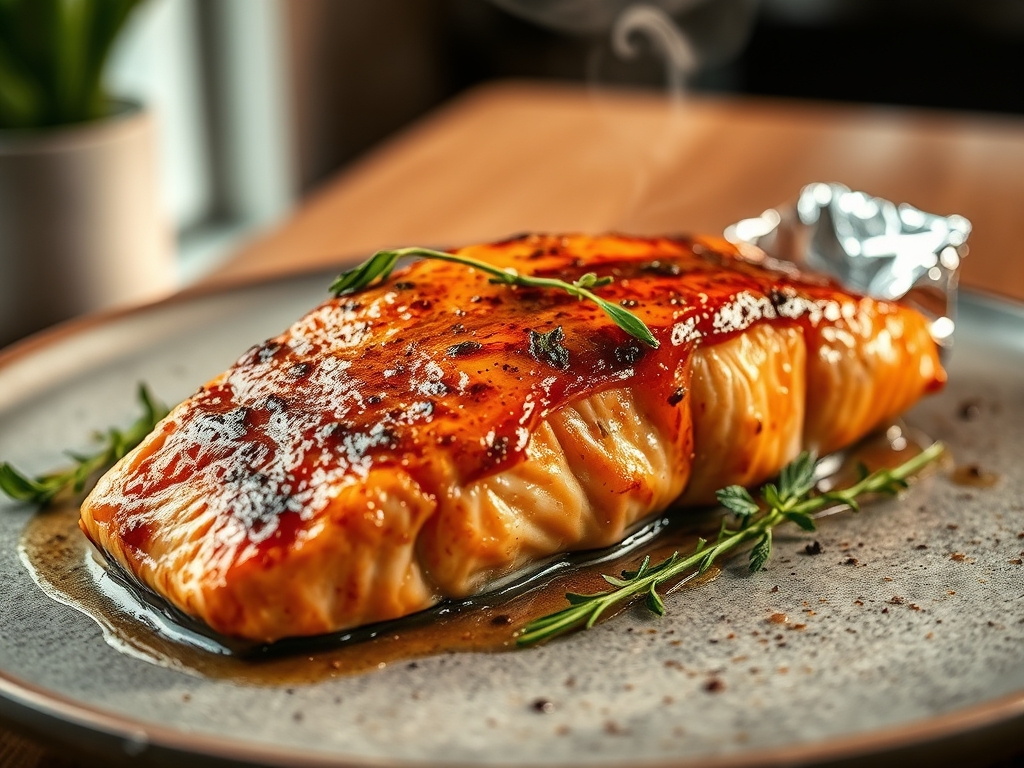
Picture the scene: you peel back a shimmering silver corner and a plume of aromatic steam hits your face like a warm, citrus-scented hug. This isn't just dinner; it is a masterclass in moisture retention. When searching for foil wrapped salmon recipes, most people are just looking for a quick fix, but you and I are looking for perfection. We are talking about that translucent, buttery flake that melts the moment it hits your tongue. By using aluminum foil as a makeshift pressure chamber, we are essentially "en papillote" cooking with a metallic upgrade. This method traps volatile aromatics and forces them back into the protein fibers, ensuring that every bite is infused with herbs and fat. It is the ultimate insurance policy against the dreaded dry, chalky fish that haunts so many weeknight kitchens. We are going to harness the power of conductive heat and steam to create a restaurant-quality meal in under thirty minutes. Grab your apron, because we are about to turn a simple fillet into a culinary triumph.
The Gathers:
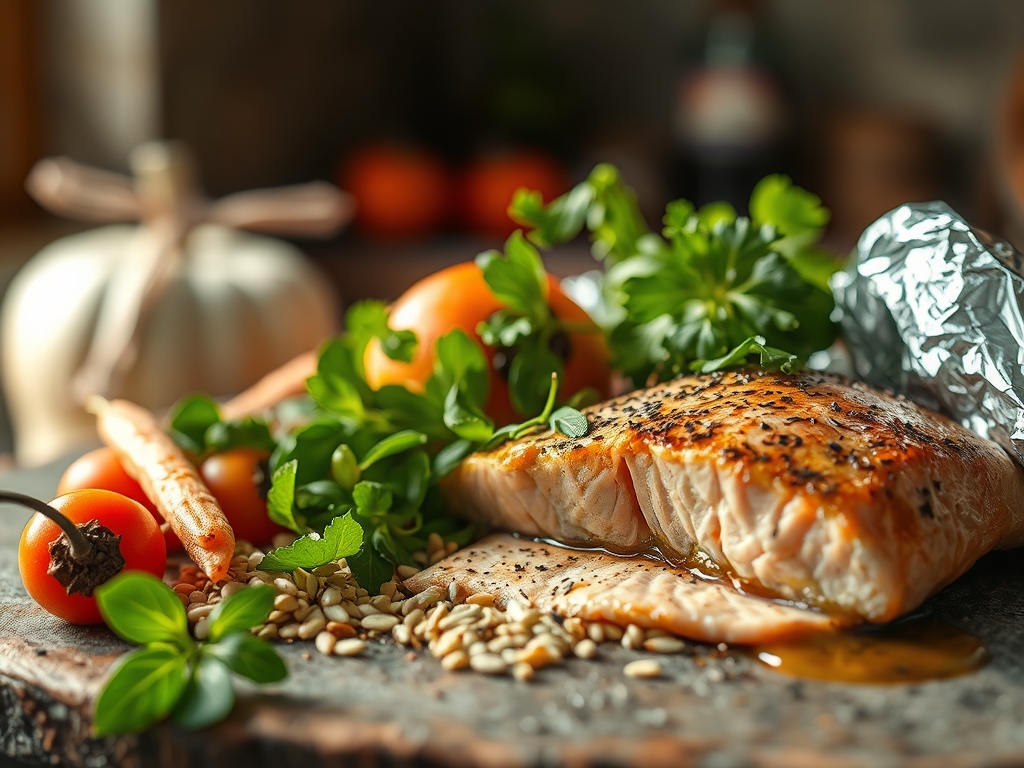
Before we touch the heat, we must respect the mise-en-place. To achieve the perfect result, you need high-quality lipids and acids to balance the rich, oily nature of the fish. Use a digital scale to ensure your fillets are uniform; roughly six ounces per person is the golden ratio for even heat distribution. You will need a microplane to shave down fresh garlic and lemon zest into a fine paste, which allows the essential oils to infuse the butter more effectively than chunky chopping ever could.
Our ingredient list focuses on high-impact aromatics: fresh sprigs of dill and thyme, unsalted European-style butter (which has a lower water content and higher fat percentage), and coarse kosher salt. The salt is vital; its jagged crystals help to denature the surface proteins, allowing seasoning to penetrate deep into the muscle. For smart substitutions, if you are avoiding dairy, a high-quality avocado oil provides a similar viscous mouthfeel and a high smoke point. If you want a piquant kick, swap the lemon for lime and add a teaspoon of grated ginger to the foil packet to brighten the flavor profile.
The Clock
The "Chef's Flow" is all about efficiency and heat management. Your total active prep time is a mere ten minutes, provided your bench scraper is ready to clear the deck. The actual cook time ranges from twelve to fifteen minutes depending on the thickness of the cut. However, the most critical part of the clock is the five-minute rest period after the salmon leaves the oven. This allows for thermal carryover, where the internal temperature continues to rise slightly while the juices redistribute. If you cut into it immediately, those precious juices will flood the foil, leaving the fish parched. Total time from fridge to fork is roughly twenty-five minutes; a true weeknight miracle.
The Masterclass
1. The Surface Prep
Pat your salmon dry with paper towels until the skin is tacky. Moisture is the enemy of flavor absorption. If the surface is wet, the seasonings will simply slide off into the bottom of the packet rather than adhering to the flesh.
Pro Tip: This step prevents the "boiled" look. By removing surface moisture, you allow the heat to immediately begin the Maillard reaction on the edges of the fish, even inside the steam-heavy environment of the foil.
2. The Lipid Barrier
Place your fillet on a large square of heavy-duty foil. Slather the top with your herb-butter compound or a generous drizzle of olive oil. Use a saucier if you prefer to melt the butter with garlic beforehand for a more uniform coating.
Pro Tip: Fat acts as a heat conductor. By coating the fish in a lipid, you ensure that the heat from the foil is transferred evenly across the irregular surface of the fillet, preventing "hot spots" that lead to overcooking.
3. The Acid Layer
Lay thin slices of lemon directly on top of the buttered fish. The citric acid will begin to break down the connective tissues, resulting in a more tender bite. Do not overdo it; too much acid for too long can turn the fish "mushy" as it chemically "cooks" the exterior.
Pro Tip: This is a form of denaturation. The acid works in tandem with the heat to soften the collagen between the protein layers, making the salmon flake effortlessly with just a fork.
4. The Airtight Seal
Fold the foil over the fish and crimp the edges tightly to create a sealed pouch. Leave a small amount of "headroom" inside the packet so the air can aerate and circulate. If the foil is too tight against the top of the fish, it may stick to the skin or herbs.
Pro Tip: A tight seal creates a pressurized environment. This increases the boiling point of the liquids inside slightly, which speeds up the cooking process while simultaneously locking in the moisture that would otherwise evaporate.
5. The High-Heat Blast
Place the packets on a heavy-duty baking sheet and slide them into a preheated 400 degree oven. The heavy sheet pan helps to retain and conduct heat to the bottom of the salmon, ensuring the skin (if left on) becomes tender rather than rubbery.
Pro Tip: Using a heavy-bottomed pan prevents the foil from scorching. The consistent heat ensures that the internal fats render slowly, lubricating the muscle fibers from the inside out.
6. The Temperature Check
Use a digital meat thermometer to poke through the foil during the final minutes. You are looking for an internal temperature of 125 to 130 degrees Fahrenheit for a perfect medium-rare to medium finish.
Pro Tip: Remember thermal carryover. The fish will rise another 5 degrees once removed from the oven. Pulling it at 130 degrees ensures it lands at a perfect, safe, and succulent 135 degrees by the time it reaches the plate.
The Deep Dive
From a nutritional standpoint, foil wrapped salmon recipes are a powerhouse of Omega-3 fatty acids and high-quality protein. A standard six-ounce serving provides roughly 34 grams of protein and is naturally low in carbohydrates, making it a staple for Keto and Paleo lifestyles. For a vegan twist, you can apply this exact foil-steaming technique to thick "steaks" of cauliflower or king oyster mushrooms, though you should increase the roasting time by ten minutes to soften the denser plant fibers.
If you run into trouble, don't panic. If your fish comes out "white and goopy," that is just albumin, a protein that extrudes when the fish is cooked too fast or too high. It is perfectly safe to eat, but you can minimize it next time by brining the fish in salt water for ten minutes before cooking. If the skin sticks to the foil, you likely didn't use enough fat or the foil wasn't "non-stick" grade; a quick spray of oil on the foil before placing the fish solves this instantly.
For meal prep enthusiasts, reheating salmon is a delicate art. Never use the microwave; it turns the fats rancid and the texture rubbery. Instead, keep the salmon in its original foil packet and reheat it in a 275 degree oven for eight minutes. This gently re-steams the fish, maintaining that "day-one" flake and moisture.
The Wrap-Up
You are now officially armed with the technical prowess to dominate the kitchen. Foil wrapped salmon recipes are not just about convenience; they are about understanding the beautiful synergy between heat, fat, and containment. Whether you are hosting a dinner party or just trying to survive a Tuesday, this method delivers a consistent, high-end result every single time. Go forth, grab your tongs, and start folding those silver packets of joy. Your taste buds (and your busy schedule) will thank you.
The Kitchen Table
Can I use frozen salmon for these recipes?
Yes, but you must thaw it completely in the refrigerator first. Pat it extremely dry to remove excess ice crystals; otherwise, the extra water will dilute your seasonings and result in a soggy, unappealing texture.
How do I know the salmon is done without a thermometer?
Gently press the thickest part of the fillet with a fork. If the protein flakes easily along the natural white lines (the fat deposits), it is ready. The center should still look slightly translucent rather than opaque.
Is it safe to cook with aluminum foil in the oven?
Cooking with foil is a standard culinary practice. To minimize any potential metallic transfer, avoid using highly acidic marinades (like pure vinegar) for long marinating sessions inside the foil; add the acid just before sliding the tray into the oven.
What are the best side dishes for foil wrapped salmon?
Since the oven is already hot, roast some asparagus or thin-sliced potatoes on the same tray. The steam from the salmon packets won't affect the vegetables, and you will have a complete, nutritionally balanced meal with zero extra cleanup.