
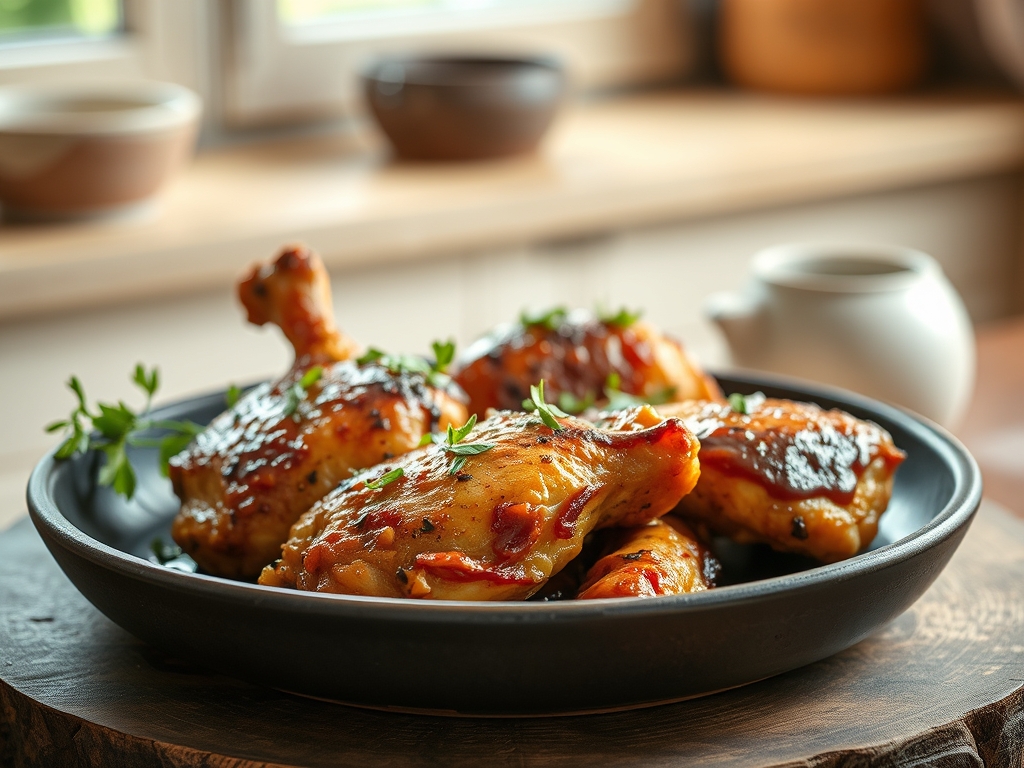
Close your eyes and listen for the rhythmic, aggressive sizzle that only occurs when cold protein meets a preheated, seasoned surface. Achieving the perfect golden crust is the holy grail of cast iron chicken recipes; it is the difference between a sad, rubbery dinner and a restaurant-quality masterpiece. We are chasing that shatteringly crisp skin and a center so succulent it defies the laws of physics.
Cast iron is more than a heavy pan. It is a thermal battery. Unlike thin stainless steel or non-stick surfaces that lose heat the moment you drop in a thigh, cast iron maintains its energy. This constant heat is what triggers the Maillard reaction, a complex chemical dance between amino acids and reducing sugars that creates hundreds of different flavor compounds. When you master these cast iron chicken recipes, you are not just cooking; you are performing high-level thermodynamics in your own kitchen.
Whether you are searing skin-on breasts or roasting a whole bird, the goal is total control over heat distribution. We are going to dive into the molecular mechanics of searing, the importance of fat saturation, and how to use your heavy-bottomed skillet to achieve a level of piquant flavor you previously thought required a professional line cook. Grab your favorite apron; we are about to turn your stove into a high-heat laboratory.
The Gathers:
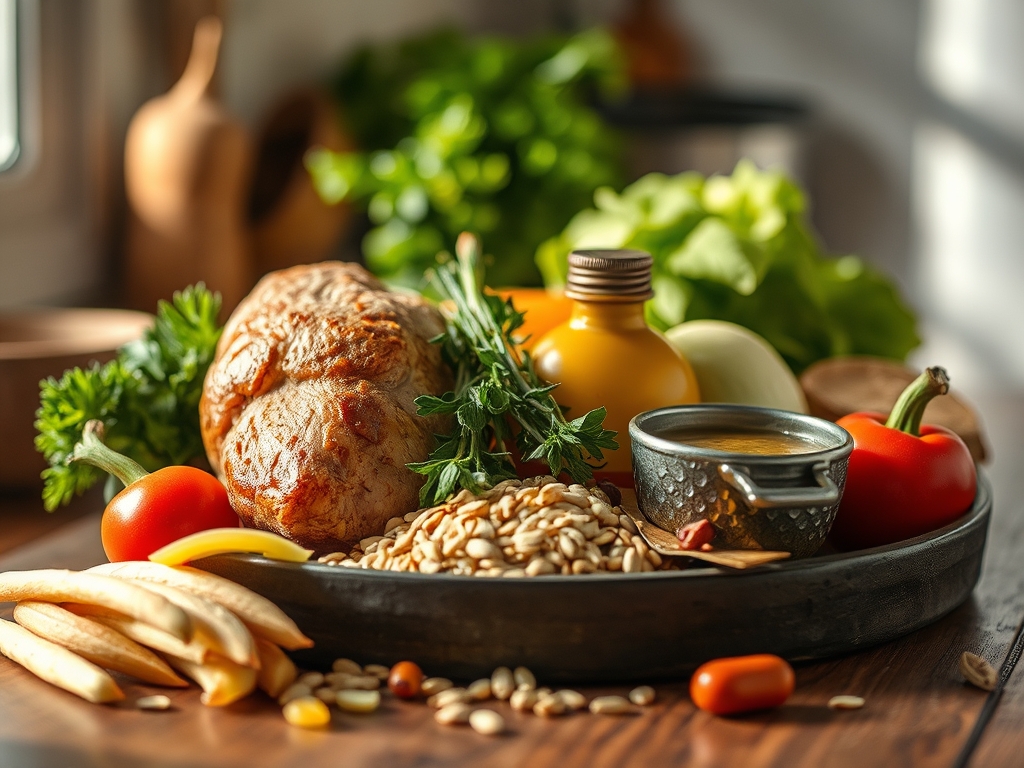
To execute these cast iron chicken recipes with precision, your mise-en-place must be flawless. Start with your protein: air-dried, skin-on chicken pieces. Moisture is the enemy of the sear. If the surface of the meat is damp, the heat of the pan will be wasted evaporating water rather than browning the meat. You will also need a high-smoke-point fat like avocado oil or clarified butter (ghee). Avoid extra virgin olive oil for the initial sear, as its low smoke point will result in acrid, burnt flavors.
Gather your aromatics: fresh rosemary sprigs, smashed garlic cloves, and perhaps a shallot for a piquant finish. Use a microplane to zest citrus or grate ginger if you are leaning toward a fusion profile. A high-quality kosher salt is non-negotiable; the coarse grains allow for even distribution and better surface tension. For the "Smart Substitutions," if you are out of fresh herbs, use a concentrated herb paste rather than dried flakes to maintain a viscous texture in your pan sauce. If you lack ghee, a neutral grapeseed oil works beautifully to facilitate that high-heat crust.
The Clock
Efficiency in the kitchen is about "Chef's Flow," which is the ability to overlap tasks so that no heat is wasted. Prep time for these recipes usually clocks in at 15 minutes, primarily focused on patting the chicken dry and seasoning. The actual cook time varies from 12 to 25 minutes depending on the cut.
The flow works like this: preheat your skillet in a cold oven to 425 degrees Fahrenheit. This ensures the entire vessel, including the sides, is saturated with heat. While the pan heats, prepare your sides. By the time you move the pan to the stovetop burner, you are ready for the high-intensity sear. Total time from fridge to table is roughly 40 minutes, but the active labor is minimal. The cast iron does the heavy lifting while you use a bench scraper to tidy your station.
The Masterclass
1. The Thermal Prime
Place your empty skillet on the burner over medium-high heat. You want the metal to reach approximately 400 degrees Fahrenheit before any fat touches the surface. Use a drop of water to test; if it dances and evaporates instantly (the Leidenfrost effect), you are ready.
Pro Tip: This prevents the protein from bonding to the metal. If the pan is too cold, the chicken proteins will form a chemical bond with the iron, causing it to stick and tear.
2. The Fat Saturation
Add two tablespoons of high-smoke-point oil. Tilt the pan to ensure a viscous, shimmering coating across the entire bottom. Wait for the first wisps of smoke.
Pro Tip: A thin layer of oil acts as a heat-transfer medium, filling the microscopic gaps between the chicken skin and the textured surface of the cast iron for a more uniform sear.
3. The Skin-Side Commitment
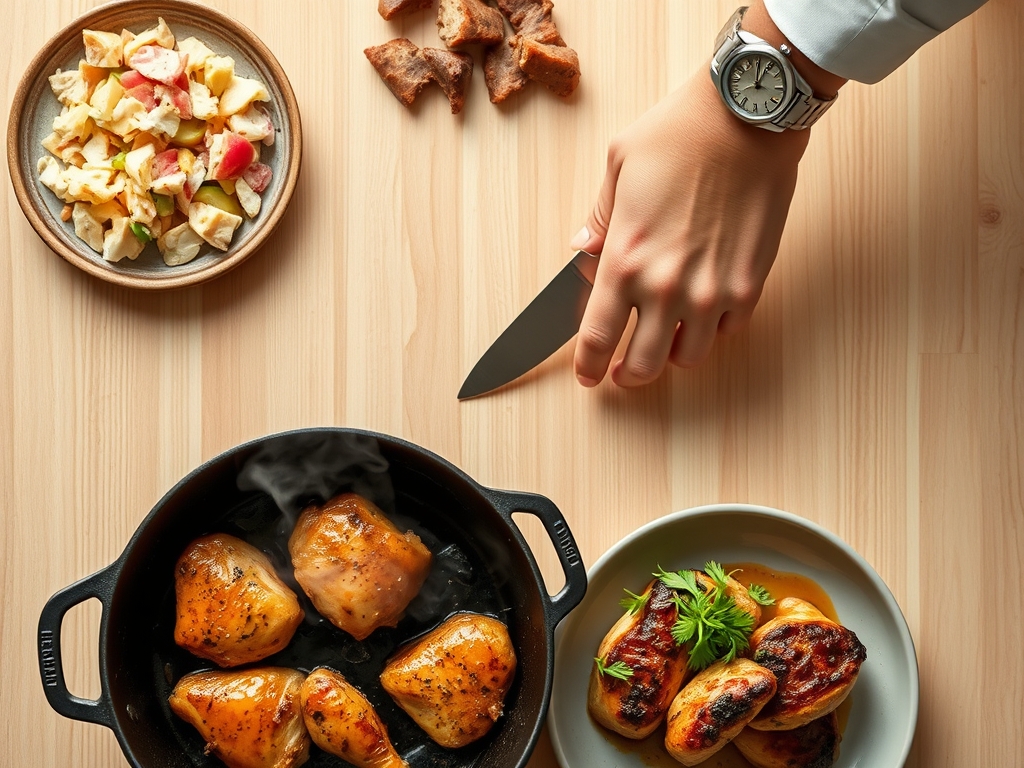
Lay the chicken into the pan away from you to avoid oil splatter. Use tongs to press the meat down firmly for five seconds. Now, leave it alone. Do not move it for at least 5 to 7 minutes.
Pro Tip: This is where enzymatic browning occurs. Moving the chicken too early disrupts the formation of the crust and prevents the meat from "self-releasing" once the sear is complete.
4. The Aromatic Infusion
Once the chicken releases easily and the skin is deep amber, flip the pieces. Drop in your butter, smashed garlic, and herbs. Use a large spoon to baste the hot, flavored fat over the cooked side of the chicken.
Pro Tip: Basting with butter introduces milk solids that brown quickly, adding a nutty complexity and ensuring the top of the meat stays moist via fat-capillary action.
5. The Deglaze and Emulsify
Remove the chicken to a warm plate. While the pan is still screaming hot, pour in a splash of dry white wine or chicken stock. Use a saucier whisk or a wooden spoon to scrape up the "fond" (the brown bits).
Pro Tip: Deglazing captures the concentrated flavor molecules stuck to the pan. Adding a cold pat of butter at the end will aerate and emulsify the liquid into a silky, professional sauce.
The Deep Dive
From a macro nutrition perspective, cast iron chicken recipes are a powerhouse. A standard 6-ounce thigh provides roughly 35 grams of protein and 15 grams of healthy fats. If you are following a Keto or Paleo protocol, this method is your best friend because it relies on natural fats rather than sugary glazes. For a Vegan swap, use this same high-heat searing technique on thick "steaks" of cauliflower or lion's mane mushrooms; the cast iron will provide a meaty texture that other pans cannot replicate.
"The Fix-It" section: If your chicken is burnt on the outside but raw inside, your pan was too hot. Fix this by finishing the chicken in a 350-degree oven to allow for even thermal carryover. If the skin is soggy, you likely crowded the pan, which trapped steam. Next time, cook in batches. If the sauce is broken (oily), whisk in a teaspoon of warm water or mustard to re-emulsify the fats.
For meal prep, reheating chicken is a science. Avoid the microwave, which vibrates water molecules and makes the meat rubbery. Instead, place the chicken back in a cast iron skillet over medium heat with a lid. This creates a mini-oven that crisps the skin while gently steaming the interior to "day-one" quality.
The Wrap-Up
Mastering cast iron chicken recipes is a rite of passage for any serious home cook. It is about understanding the relationship between metal, heat, and protein. When you hear that specific sizzle and see that deep, mahogany crust, you know you have succeeded. This isn't just dinner; it is an exploration of culinary physics that results in the most flavorful, juicy chicken you have ever tasted. Keep your skillet seasoned, your chicken dry, and your heat high. You have got this.
The Kitchen Table
How do I stop chicken from sticking to cast iron?
Ensure the pan is fully preheated before adding oil. Once the chicken is placed, do not touch it. The meat will naturally release from the surface once a proper crust has formed through the Maillard reaction.
Is it safe to deglaze a cast iron pan with wine?
Yes, a quick deglaze with an acidic liquid like wine or lemon juice is perfectly safe. As long as your pan is well-seasoned, the brief contact won't strip the polymer layer or impart a metallic taste to your sauce.
Can I use chicken breasts instead of thighs?
Absolutely. However, breasts are leaner and prone to drying out. Use a digital scale to ensure even sizing and a meat thermometer to pull them at 160 degrees Fahrenheit, allowing carryover heat to reach the safe 165-degree mark.
How do I clean the pan after searing chicken?
While the pan is warm, use a stiff brush and hot water. For stubborn bits, use a sprinkle of coarse salt as an abrasive. Dry immediately on the stovetop to prevent oxidation and rub with a light layer of oil.