
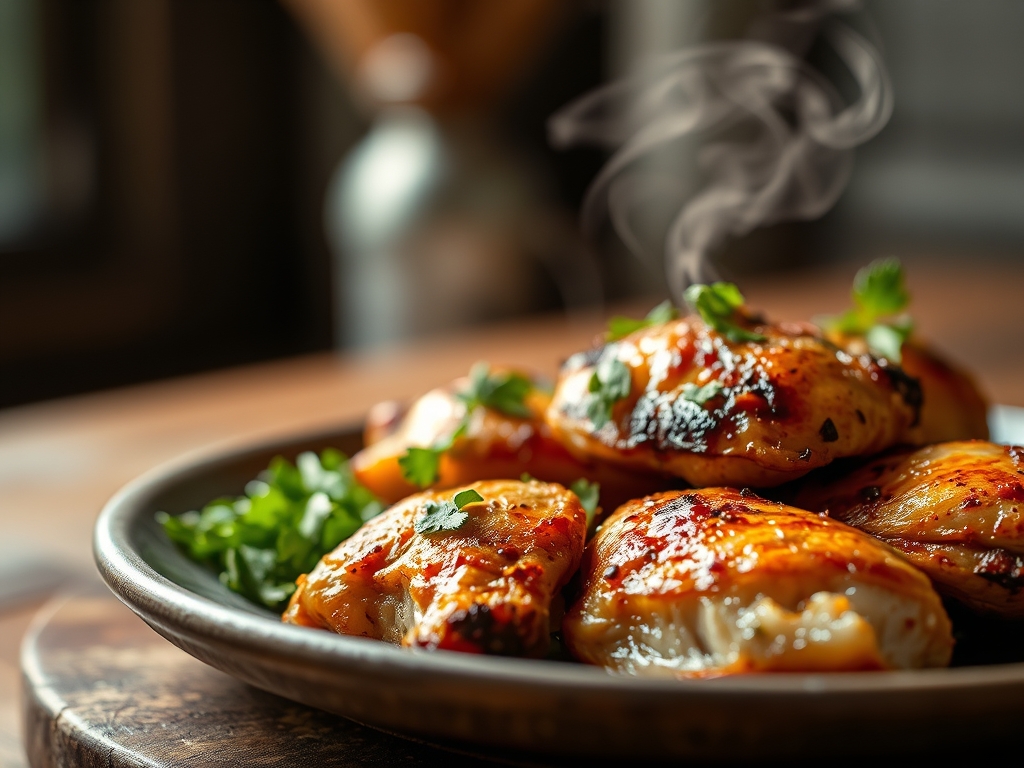
Close your eyes and recall that specific, heady aroma of hickory and cherry wood clinging to a perfectly rendered bird. You spent hours tending the fire, but now you are staring at a container of cold remains. Do not let that liquid gold go to waste. Mastering leftover smoked chicken recipes is not just about convenience; it is about harnessing the complex chemical profile of pre-cooked, smoke-infused proteins to create meals that taste like they took days to prepare. We are moving beyond the basic sandwich. We are talking about utilizing the residual phenolic compounds from the smoke to anchor vibrant, high-contrast flavors. Whether you are folding that shredded meat into a velvety bechamel or crisping it in a heavy-bottomed skillet for a street taco, the goal is to preserve the moisture while introducing new textures. By the time we are done, your fridge "scraps" will be the most coveted ingredients in your pantry. Let us transform those chilled fibers into a culinary victory that would make any pitmaster weep with joy.
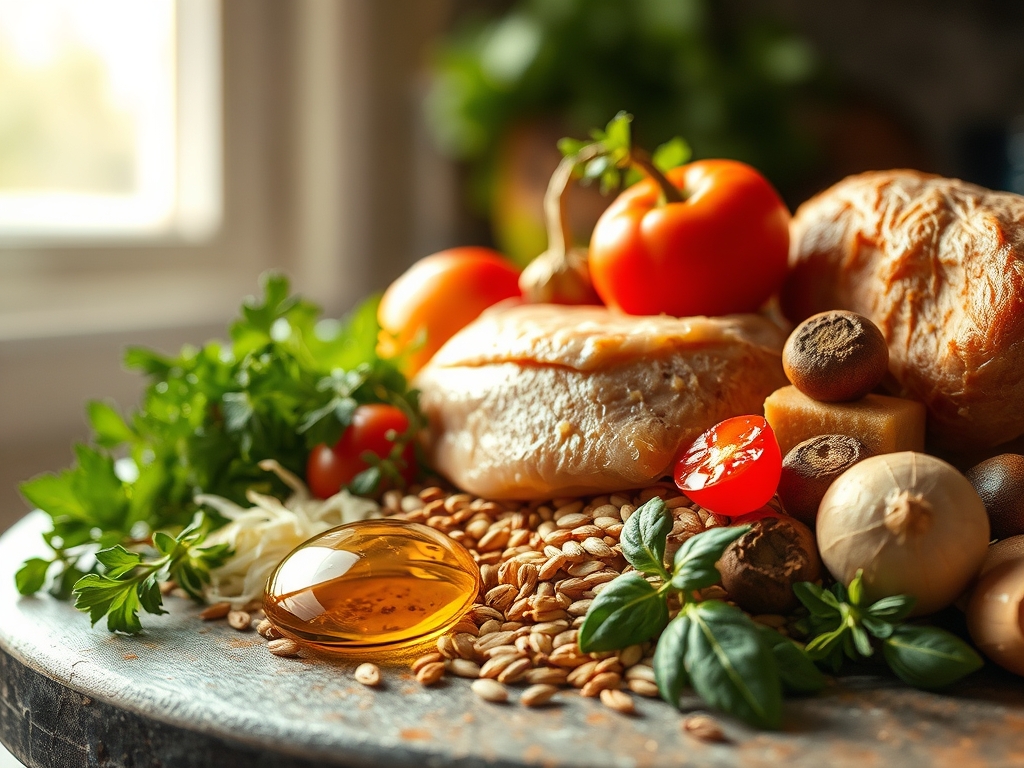
The Gathers:
To execute these leftover smoked chicken recipes with precision, your mise-en-place must focus on balancing the heavy, lipid-rich profile of smoked meat with bright acids and varied textures. Gather your digital scale to ensure consistent protein ratios. You will need a high-quality fat source, such as grass-fed butter or a neutral avocado oil, to jumpstart the Maillard reaction during reheating. For the aromatic base, finely mince shallots and garlic using a sharp chef's knife; the smaller the surface area, the faster the enzymatic release of flavor.
If you lack specific ingredients, use these Smart Substitutions. If you are out of heavy cream for a sauce, a dollop of Greek yogurt provides the necessary viscous mouthfeel with an added piquant tang. No fresh limes? Use a splash of rice vinegar to provide the acid required to cut through the smoke. If your chicken feels slightly dry, a quick toss in a saucier with a tablespoon of bone broth will rehydrate the muscle fibers through osmotic absorption before you even begin the primary cooking process.
The Clock
Efficiency in the kitchen is about "Chef's Flow," the art of overlapping tasks to minimize downtime. For most of these transformations, expect a prep time of 15 minutes and a cook time of 20 minutes. The total investment is under 40 minutes because the primary protein is already "cured" by the smoking process.
Start by tempering your chicken; let it sit at room temperature for ten minutes to reduce the thermal shock when it hits the pan. While the meat tempers, perform all knife work. If a recipe requires a reduction, start that liquid simmering immediately. By the time your pan is screaming hot, your aromatics are ready, and your chicken is no longer a block of ice. This synchronized approach ensures that the delicate smoke flavor does not dissipate under prolonged, unnecessary heat.
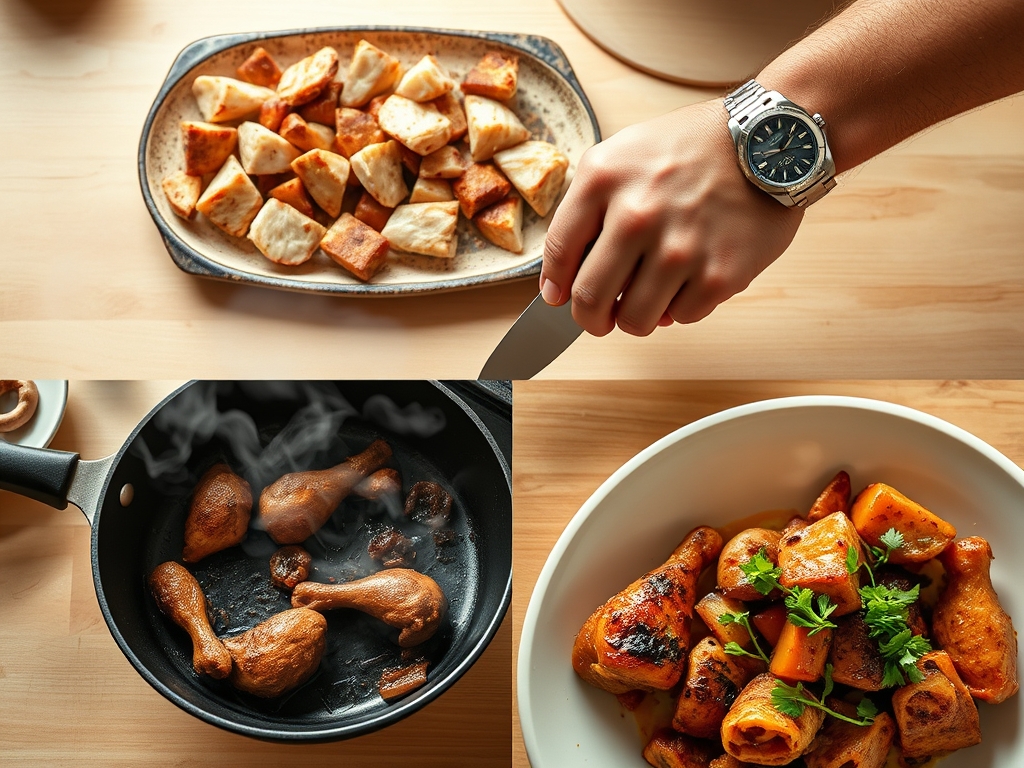
The Masterclass
1. The Smoked Chicken Veloute
Start by melting butter in a heavy-bottomed skillet and whisking in flour to create a blonde roux. Slowly incorporate chicken stock until the sauce is thick and glossy. Fold in your shredded chicken last.
Pro Tip: This relies on starch gelatinization. By adding the chicken at the very end, you prevent the smoke particles from over-concentrating and turning the sauce bitter.
2. Flash-Seared Street Tacos
Heat a cast iron pan until it reaches approximately 400 degrees Fahrenheit. Toss the chicken with a dash of cumin and lime juice, then sear it for only 60 seconds.
Pro Tip: This creates surface caramelization without drying the interior. The high heat triggers the Maillard reaction on the skin's residual sugars, providing a crunch that contrasts the tender meat.
3. The Smokehouse Cobb Salad
Use a microplane to grate a hard cheese like Manchego over a bed of bitter greens. Cube the cold smoked chicken and toss with a bright vinaigrette.
Pro Tip: Cold fat has a different palatability than warm fat. Keeping the chicken chilled preserves the "set" texture of the smoke-infused lipids, which provides a rich, buttery mouthfeel against the crisp lettuce.
4. Smoked Chicken Carbonara
Whisk egg yolks and Pecorino Romano in a bowl. Toss hot pasta into the mixture, then fold in thin strips of smoked chicken.
Pro Tip: This is an exercise in emulsification. The residual heat from the pasta cooks the eggs into a creamy sauce without scrambling them, while the smoky chicken mimics the traditional guanciale flavor profile.
5. The Wood-Fired Flatbread
Spread a thin layer of pesto on a pre-made dough, top with chicken and goat cheese, and blast it in a hot oven.
Pro Tip: Use thermal radiation to your advantage. Placing the chicken under the cheese protects the delicate smoke-infused proteins from oxidizing and becoming "jerky-like" in the high oven heat.
6. Piquant Chicken Salad
Mix Greek yogurt, Dijon mustard, and diced celery with your chicken. Use a bench scraper to neatly pile the mixture onto toasted sourdough.
Pro Tip: The acid in the mustard acts as a denaturant, slightly softening the chilled chicken fibers and making the salad more cohesive and tender.
7. Smoked Chicken Risotto
Stir your chicken into the risotto during the final two minutes of the "mantecatura" phase.
Pro Tip: This utilizes carryover cooking. The chicken absorbs the starchy liquid from the rice, rehydrating the meat from the inside out while the rice provides a neutral canvas for the smoke to shine.
The Deep Dive
From a macro nutrition perspective, smoked chicken is a lean protein powerhouse. A 4-ounce serving typically yields 25-30 grams of protein with minimal carbohydrates. To keep it Keto-friendly, focus on high-fat additions like avocado or heavy cream sauces. For a Vegan swap, you can mimic the smoke profile using smoked tofu or liquid smoke-marinated jackfruit, though the protein density will differ. If you are Gluten-Free, ensure your thickeners are arrowroot or cornstarch rather than wheat flour.
The Fix-It: Common Pitfalls
- The Dryness Crisis: If the chicken is "sawdusty," toss it in a warm emulsion of butter and water (beurre monte) to coat the fibers in fat.
- Smoke Overload: If the smoke flavor is too aggressive, add a "fatty" buffer like avocado or sour cream to coat the palate and dampen the intensity.
- Rubbery Skin: If the skin is flabby, remove it and fry it separately in a pan with a weight on top until it becomes a "crackling," then crumble it back over the dish.
Meal Prep & Reheating Science
To achieve "day-one" quality, avoid the microwave. The microwave agitates water molecules, often steaming the meat from the inside and ruining the texture. Instead, use a steamer basket for three minutes or a low-temperature oven (300F) covered in foil with a splash of water to create a moist-heat environment.
The Wrap-Up
Transforming your leftover smoked chicken recipes into gourmet meals is the ultimate kitchen flex. You have the science, the tools, and the witty confidence to turn a plastic container of leftovers into a five-star experience. Remember to balance your smoke with acid, protect your moisture with proper reheating techniques, and never be afraid to let that heavy-bottomed skillet get a little bit of a sear going. Now, go forth and conquer that fridge!
The Kitchen Table
How long does smoked chicken stay fresh?
When stored in an airtight container at or below 40 degrees Fahrenheit, smoked chicken remains safe and flavorful for three to four days. Always ensure it is cooled to room temperature before sealing to prevent excess condensation and bacterial growth.
Can I freeze leftover smoked chicken?
Yes, you can freeze it for up to four months. For the best results, vacuum seal the meat to prevent freezer burn and oxidative rancidity. Thaw it slowly in the refrigerator overnight to maintain the structural integrity of the muscle fibers.
What is the best way to shred cold chicken?
Use two forks or a stand mixer with the paddle attachment on a low speed. Shredding while the meat is cold allows for cleaner breaks along the natural muscle grains, preventing the meat from turning into an unappealing, mushy paste.
Does smoking chicken make it salty?
Smoking itself does not add salt, but most pitmasters use a dry brine or rub containing sodium. When using leftovers, taste the meat first before adding additional salt to your new dish to avoid over-seasoning the final product.